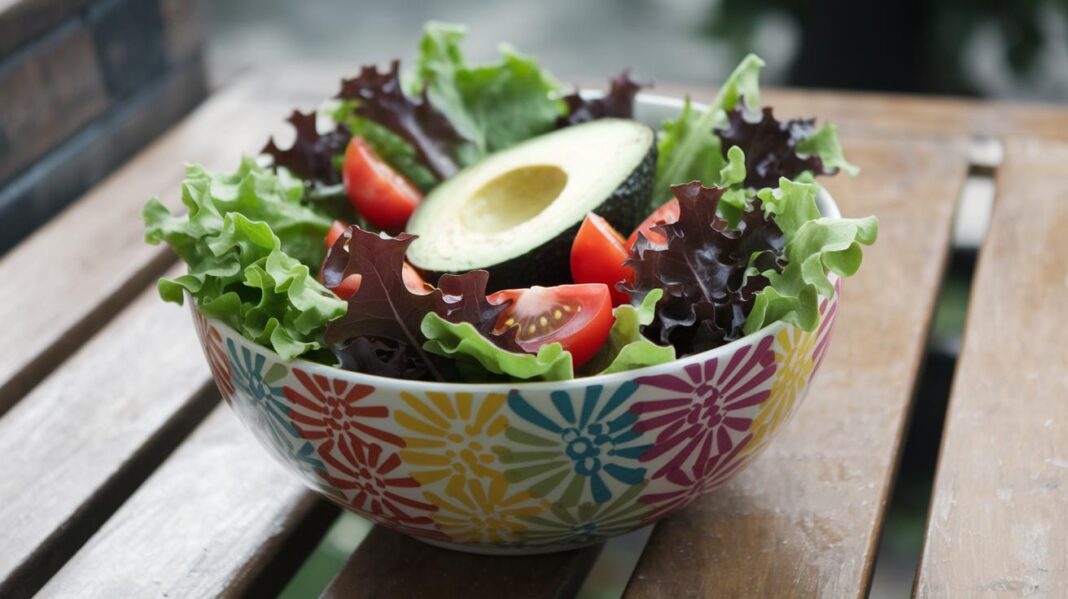
Ever wonder if what you eat could be the secret to feeling better every day? The anti-inflammatory diet is a fresh, simple way to swap out processed foods for meals packed with vitamins and antioxidants. It helps your body run smoothly while easing inflammation naturally.
Imagine a mix of tasty recipes and meal plans that are backed by science, so you can see how small changes in your eating habits might boost your energy and well-being. Read on to discover how this diet can ignite a healthier, more balanced life.
Comprehensive Guide to the Anti-Inflammatory Diet
The anti-inflammatory diet is a smart and friendly way to boost your well-being. It focuses on eating whole, nutrient-rich foods while cutting back on extra sugars. By choosing foods filled with vitamins, minerals, and antioxidants – like those in superfoods – you help keep your body in balance and support overall health.
Nutrition experts have put together a solid 7-day meal plan that averages about 1,500 calories a day. This plan breaks down key nutrients so you get around 62 to 71 grams of fat, 79 to 88 grams of protein, 145 to 172 grams of carbohydrates, 30 to 39 grams of fiber, and about 1,297 to 1,611 mg of sodium daily. These balanced targets work together to help lower inflammation and keep your energy steady.
The plan includes delicious options like Avocado-Egg Toast and Cherry-Spinach Smoothie, showing that healthy eating can also be fun and flexible. Each recipe was carefully developed using a detailed nutrition database to meet exact macronutrient goals without sacrificing flavor. With plenty of healthy fats, low-glycemic grains, and vibrant produce, this diet lets you swap out processed, sugary foods for nature’s best.
Choosing this diet means making a lifestyle choice that supports long-term health. It’s about enjoying meals that not only meet your nutritional needs but also help your body naturally fight inflammation. Whether you're a busy professional or a family looking to eat healthier, this plan offers a clear and simple path to a nourished future.
By embracing the anti-inflammatory diet, you're taking a step towards a science-backed way to lower inflammation and fit healthy habits into your busy life. With practical meal plans and trusted expert advice, this approach lays out a straightforward roadmap to help you feel good day after day.
How the Anti-Inflammatory Diet Works to Reduce Inflammation
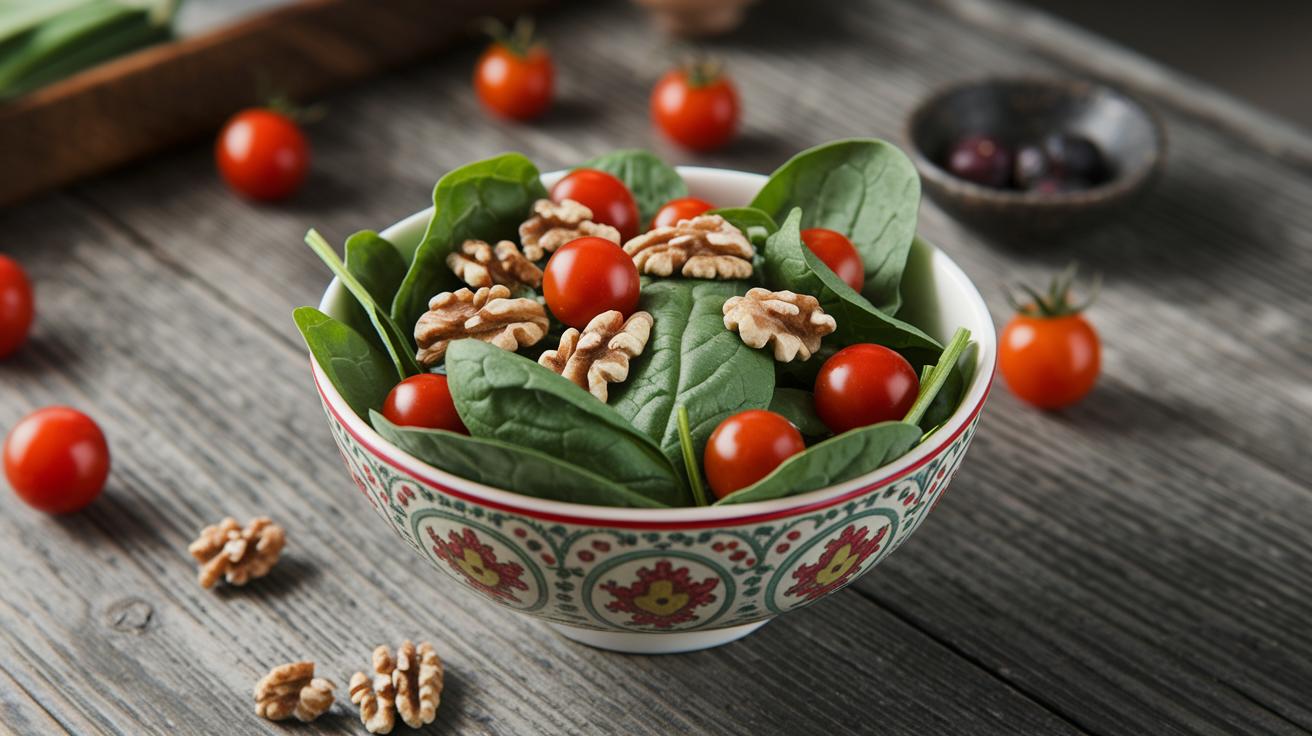
Too much sugar can really set off inflammation in your body. When you eat lots of sugar, your body releases extra inflammatory markers and may become resistant to insulin. Instead, focus on nutrient-rich foods. For example, switch out a sugary snack for a handful of walnuts. They keep your blood sugar steady and offer omega-3 fatty acids, which help fight inflammation.
Healthy fats play a starring role in this diet. Foods like fatty fish and walnuts give you omega-3s, while olive oil and avocado bring in monounsaturated fats. These fats help balance your immune responses and keep the cells that cause inflammation in check. Imagine swapping butter for avocado, you get a tasty treat that also supports your body’s fight against inflammation.
Low-glycemic grains are another key part of keeping your blood sugar levels steady. When your blood sugar stays stable, there are fewer inflammatory signals in your body. Add in a variety of fruits and vegetables, packed with vitamins, minerals, and antioxidants, to neutralize free radicals that can damage your cells. And a pinch of spices like turmeric or ginger can boost flavor while reducing oxidative stress.
Think of a meal as a team effort. Every ingredient, from healthy fats to low-glycemic grains and antioxidant spices, works together to help keep inflammation under control and support your overall health.
Top Anti-Inflammatory Diet Foods: Fruits, Vegetables, and Beyond
Eating a mix of colorful fruits and vegetables is not only delicious but also a great way to help your body manage inflammation. When you fill your plate with foods rich in antioxidants (natural compounds that fight cell damage), vitamins, and fiber, you're supporting your body’s natural defenses. For example, try a Cherry-Spinach Smoothie that blends antioxidant-packed cherries with leafy greens. It’s like enjoying a cool glass of lemonade on a sunny day for your insides.
Another tasty example is the Spinach, Sun-Dried Tomato & Cucumber Sandwich. This meal is loaded with fiber and special plant compounds that help keep your gut happy. And for a balanced morning boost, Avocado-Egg Toast mixes creamy avocado with protein from eggs, giving you a hearty start without triggering extra inflammation.
These simple swaps can turn everyday dishes into powerful helpers against inflammation. By choosing fresh, natural ingredients instead of processed foods, each meal becomes a step toward better health and a calmer body.
Here are 8 fruits that help fight inflammation:
- Cherries
- Blueberries
- Strawberries
- Pomegranates
- Oranges
- Apples
- Grapes
- Pineapple
And here are 8 vegetables that can support your health:
- Spinach
- Kale
- Broccoli
- Brussels sprouts
- Bell peppers
- Carrots
- Beets
- Cauliflower
Every recipe and food choice is a little step toward feeling better and shows how nature’s bounty can make a real difference in calming inflammation.
Sample 7-Day Anti-Inflammatory Diet Meal Plan
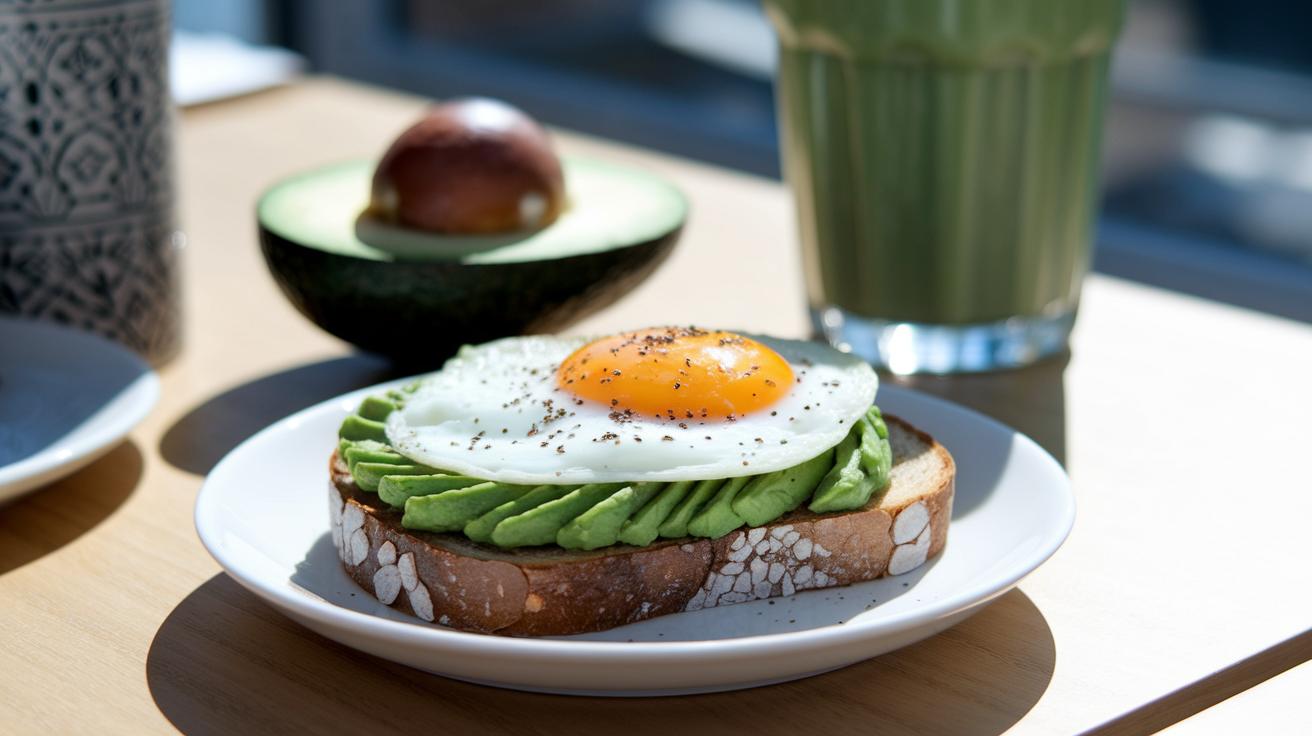
This plan is all about enjoying tasty meals that help keep inflammation at bay. Start your day with a breakfast that not only wakes you up but also helps fight inflammation, think Avocado-Egg Toast or a refreshing anti-inflammation smoothie. For lunch, you'll be treated to satisfying options like a flavorful Chicken & Spinach Salad with a creamy feta dressing. Keep your energy levels high with snacks like low-fat plain Greek yogurt or a small serving of fruit with a handful of nuts. And when it's dinner time, try dishes like baked salmon with steamed vegetables or a warm lentil soup mixed with greens, which support your body's natural defenses.
Meal prepping can make this plan even easier to follow. For example, you can prepare a batch of Chicken & Spinach Salad with Creamy Feta in advance to save time later on. Plus, by paying attention to calorie counts, macronutrients, and portion sizes, you'll find that each day averages around 1,500 kilocalories while still offering a delicious variety of meals.
| Day | Breakfast | Lunch | Snack | Dinner | Daily Calories |
|---|---|---|---|---|---|
| 1 | Avocado-Egg Toast (313 kcal) | Spinach, Sun-Dried Tomato & Cucumber Sandwich (350 kcal) | Greek Yogurt + Kefir (258 kcal) | Dinner Option (572/489 kcal) | ~1,500 kcal |
| 2 | Anti Inflammation Smoothie (410 kcal) | Chicken & Spinach Salad with Creamy Feta (413 kcal) | Fresh Fruit & Nuts (200 kcal) | Baked Cod with Vegetables (480 kcal) | ~1,503 kcal |
| 3 | Oatmeal with Berries (350 kcal) | Turkey Wrap with Spinach (400 kcal) | Low-Fat Yogurt (176 kcal) | Lentil Soup with Greens (500 kcal) | ~1,426 kcal |
| 4 | Veggie Omelette (320 kcal) | Quinoa & Kale Salad (420 kcal) | Apple with Almond Butter (220 kcal) | Stir-Fried Tofu & Veggies (500 kcal) | ~1,460 kcal |
| 5 | Anti Inflammation Smoothie (410 kcal) | Chicken & Spinach Salad with Creamy Feta (413 kcal) | Mixed Nuts (220 kcal) | Grilled Salmon and Quinoa (500 kcal) | ~1,543 kcal |
| 6 | Whole Grain Toast with Avocado (330 kcal) | Veggie Salad with Beans (400 kcal) | Greek Yogurt (176 kcal) | Turkey Chili with Veggies (500 kcal) | ~1,406 kcal |
| 7 | Scrambled Eggs with Spinach (350 kcal) | Mediterranean Chickpea Salad (420 kcal) | Fruit Smoothie (210 kcal) | Baked Chicken with Sweet Potato (500 kcal) | ~1,480 kcal |
Anti Inflammatory Diet: Spark Your Health
Making simple lifestyle changes can really boost your health when you follow an anti-inflammatory diet. Even a little exercise, like a brisk walk or a gentle jog, can help improve your fitness and ease inflammation by getting your blood flowing faster and strengthening your muscles. When you get moving, it’s like giving your body a gentle reminder to lower inflammation.
Good, steady sleep goes hand in hand with fighting inflammation. A proper night’s rest helps reset your hormones and ease stress, which means your body can better use the nutritious foods you eat. Think of sleep as a quiet break where your body gets the time it needs to repair and refresh.
Managing stress is another handy tool in your health kit. Simple actions like deep breathing or taking a short mindfulness break can lower cortisol, a hormone that, when too high, can make inflammation worse, helping your body stay calm. It’s like pausing for a moment in the middle of a busy day to help your whole system feel better.
And of course, staying well hydrated is key. Drinking water regularly helps flush out toxins and keeps your cells balanced. Lastly, paying attention to how you eat makes a big difference. Preparing fresh salads or healthy snacks ahead of time not only saves you time but also strengthens your commitment to habits that fight inflammation.
Research and Dietitian Insights on the Anti-Inflammatory Diet
Registered dietitians now say that when you eat may help lower inflammation. New studies show that eating foods rich in antioxidants, such as berries and leafy greens, at the right time can keep your blood sugar steady and reduce inflammation. For example, a mid-morning nutrient-packed snack might lower inflammation markers even better than sticking to your usual meal times.
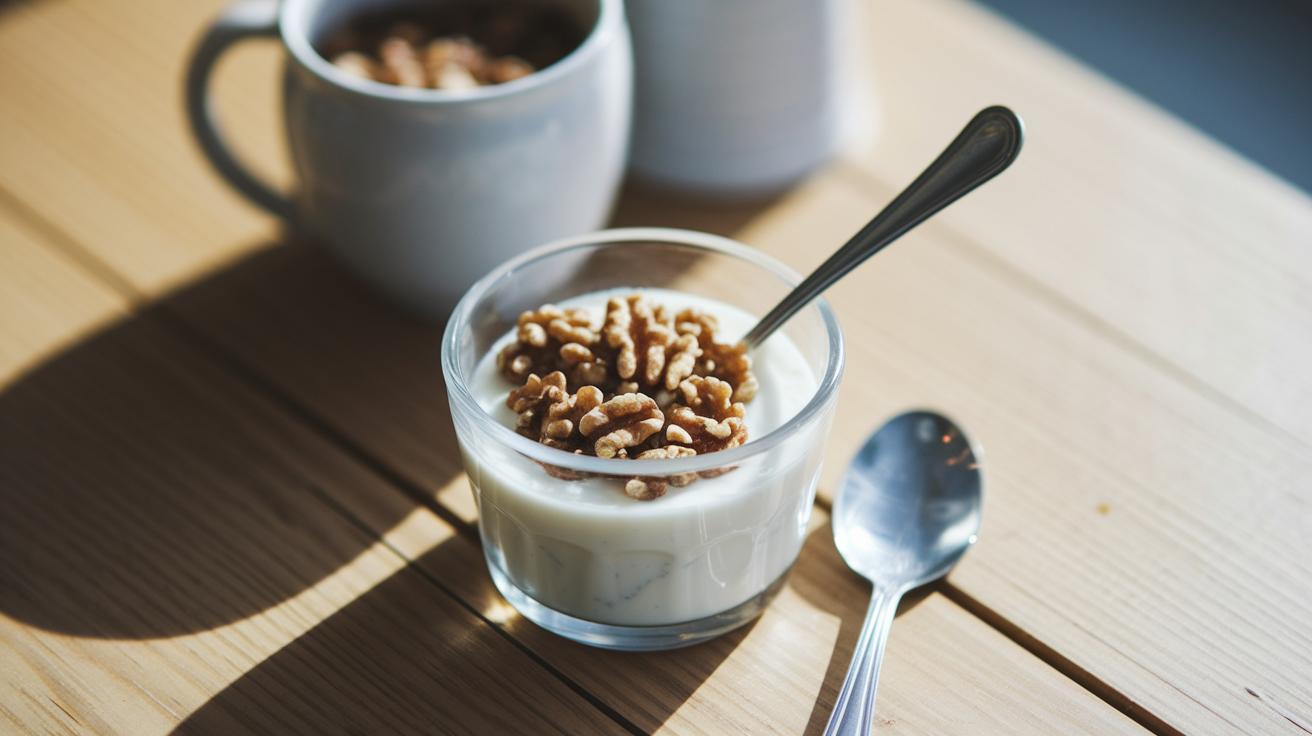
Recent research also suggests that syncing your meals with your body’s natural rhythms could boost the way you absorb omega-3 fatty acids and other key nutrients. So, instead of a regular snack, try having Greek yogurt with walnuts to create a mix that works well for managing inflammation.
| Meal Time | Suggested Snack | Research Rationale |
|---|---|---|
| Mid-Morning | Greek yogurt with walnuts | Offers omega-3s and protein to keep blood sugar steady and lower inflammation |
| Afternoon | Smoothie with berries and spinach | Supplies antioxidants to fight oxidative stress during busy energy times |
Researchers recommend trying small changes to find out what works best for you. Even swapping a sugary snack for something nutrient-rich can make a big difference in reducing inflammation over time.
Debunking Myths and FAQs About the Anti-Inflammatory Diet
A lot of folks ask, “Does sugar cause inflammation?” The answer is a bit more nuanced. Eating too much added sugar can increase markers in your body that are linked to inflammation. But don’t worry, this diet doesn’t completely cut out natural sugars. It focuses on reducing extra sugars that cause those spikes, so you can still enjoy fruits and other naturally sweet foods. This makes the plan friendly and easy for anyone to start.
Some people worry that the diet might be too strict. In reality, it’s designed to be flexible. The plan offers easy-to-follow templates that allow a little extra sugar along with a mix of protein and plant-based choices. You can swap out recipes or adjust the timing of your meals without feeling locked into one rigid plan. Need a gluten-free or dairy-free option? There are plenty of alternatives available that keep your meals balanced while keeping inflammation under control.
Here are a few common questions we hear:
-
What if I enjoy a sweet treat?
You can still have natural sugars from whole foods, so treats made with whole ingredients are absolutely fine. -
How can I adjust recipes for my personal needs?
The diet offers several options to modify recipes and meal timing, making it a well-rounded plan for everyone.
These clear answers are here to help debunk myths and offer straightforward guidance for anyone starting on an anti-inflammatory journey.
Final Words
In the action, we examined how an anti inflammatory diet cuts added sugars and fills your plate with nutrient-packed choices. We broke down scientific assessments, shared meal plans, and highlighted lifestyle tweaks like exercise and mindful eating.
Our guide made the science simple and the menu inviting. It’s about using data to boost vitality while living a healthier life. Stay positive and keep making smart food choices, one meal at a time.
FAQ
What is an anti inflammatory diet book?
The anti-inflammatory diet book offers practical guidance with meal plans and tips using whole, nutrient-rich foods to help lower inflammation and promote a healthier body.
What is the 21 day anti-inflammatory diet PDF?
The 21-day anti-inflammatory diet PDF provides a structured, easy-to-follow plan with daily meal suggestions designed to reduce inflammation and support overall wellness.
What are anti inflammatory foods and which ones are top-rated?
Anti-inflammatory foods include nutrient-dense items like berries, leafy greens, fatty fish, nuts, and spices. These top-rated choices help fight inflammation by supplying essential antioxidants and healthy fats.
What are anti inflammatory diet recipes?
Anti-inflammatory diet recipes feature balanced meals that combine lean proteins, healthy fats, and antioxidant-rich fruits and vegetables to support an inflammation-reducing eating plan.
What is an anti inflammatory diet food list PDF?
An anti-inflammatory diet food list PDF is a handy resource that details nutrient-packed foods, making it easier to pick ingredients that help lower inflammation during meal planning.
How can the anti inflammatory diet be adapted for Indian cuisine?
The anti-inflammatory diet Indian style uses traditional spices like turmeric and ginger along with fresh produce and lean proteins to create flavorful dishes that help manage inflammation.
What does the anti inflammatory diet look like for beginners?
The anti-inflammatory diet for beginners focuses on simple, balanced meals that limit added sugars and feature plenty of fruits, vegetables, and lean proteins to ease inflammation gradually.
What is the best diet to reduce inflammation?
The best diet to reduce inflammation centers on whole foods that minimize added sugars and include healthy fats, lean proteins, and antioxidant-rich fruits and vegetables to support overall health.
What foods are high in anti-inflammatories?
Foods high in anti-inflammatories include items like berries, leafy greens, fatty fish, nuts, and certain spices, which supply antioxidants and healthy fats that help calm inflammation.
Can I eat eggs on an anti-inflammatory diet?
The anti-inflammatory diet can include eggs as a quality protein source, provided they are eaten in moderation within a balanced meal plan to maintain a healthy nutrient mix.
What is the number one habit to break if you have inflammation?
The number one habit to break is high sugar consumption, as excess sugar can spike inflammation markers and interfere with efforts to lower inflammation through diet.

