
Ever thought your shoulders might be holding you back? A little change in your workout can really make a difference. This post shares eight simple exercises that help you build strength, improve your posture, and ease pain.
Even small imbalances count. Imagine standing taller and lifting more just by taking better care of your shoulders. These moves can boost your power and change the way you move every day. Keep reading to find out how.
Shoulder Strength Training Exercises: Boost Your Power
When you work on your shoulders, you're not just boosting your lifting game, you’re also improving your posture and keeping injuries at bay. A mix of pressing, rowing, and songs of stabilization ensures every part of your shoulder gets attention. Even a small imbalance can affect how you lift heavy weights or move through daily life, so balancing out your muscles is key.
Here are eight essential exercises that build shoulder power and stability:
- Overhead Shoulder Press – works mainly the front shoulder muscles, helping you push heavier weights.
- Upright Row – targets the side shoulder and upper-back muscles, giving your frame extra strength.
- Landmine Press – fires up both the front and side shoulder muscles for versatile strength gains.
- Rear Delt Fly – focuses on the back shoulder, which is great for better posture and stability.
- Lateral Raises – isolates the side delts to round out your shoulder development.
- Frontal Raises – emphasizes the front shoulder muscles, supporting other pressing moves.
- Face Pulls – strengthens the back parts of your shoulder, keeping your movements balanced.
- Shoulder External Rotation – trains your rotator cuff (the small muscles around your shoulder) to protect the joint.
Each exercise plays an important role in a balanced shoulder workout. Start by adding one or two of these moves into your routine and gradually ramp up as you get stronger. This friendly, step-by-step approach not only builds power but also lowers the risk of injury, so you can feel confident both in the gym and in everyday life.
Shoulder Anatomy and Key Muscle Groups for Strength Training
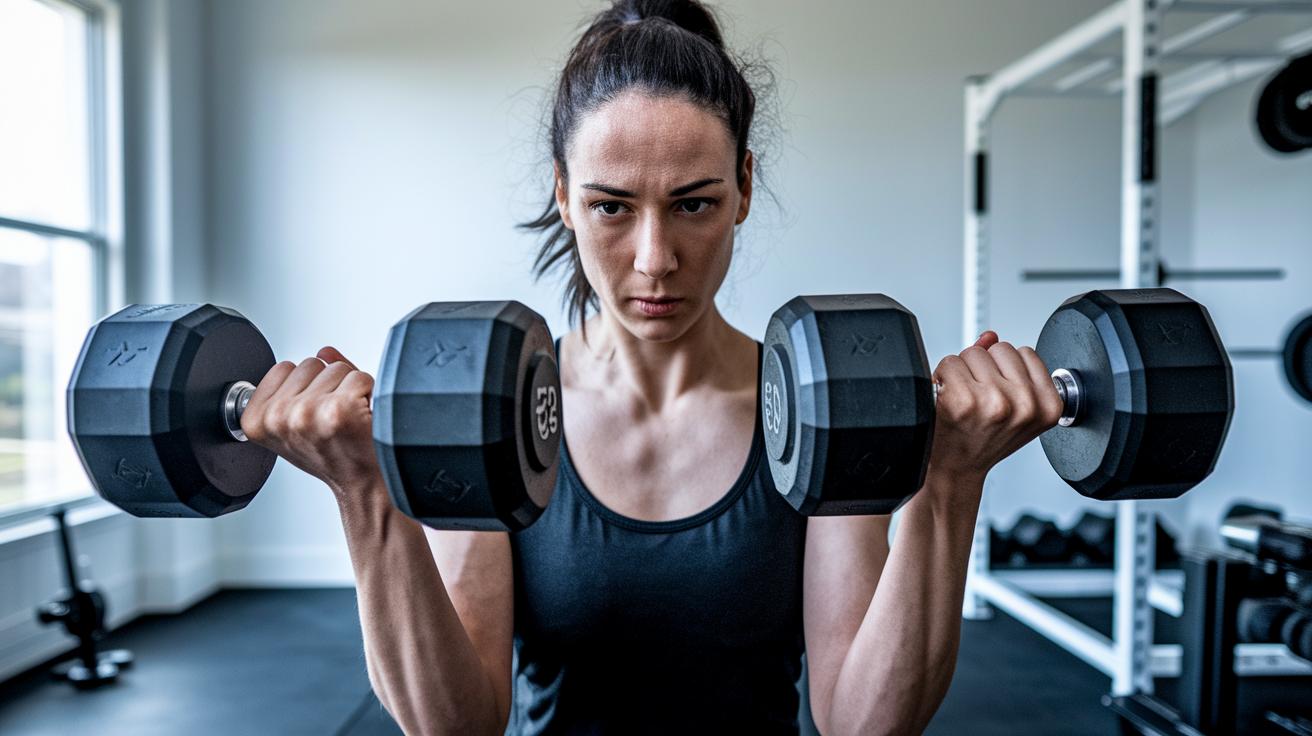
Understanding how your shoulder works is a big step toward building strength and keeping it stable. Your shoulder is like a team of muscles working together. One key team, called the rotator cuff, includes the supraspinatus, infraspinatus, teres minor, and subscapularis. These muscles help keep your shoulder joint secure, and many exercises focus on them to improve movement.
The deltoid muscle group is split into three parts: the front, side, and back sections. They power basic movements like pressing and lifting, which you do every day. Focusing on these muscles can make everyday tasks easier and boost your overall performance.
The rhomboids play a big role, too. They pull your shoulder blades together, which helps improve your posture. And the trapezius builds upper-back strength, keeping your shoulders properly aligned. Adding shoulder stabilization exercises into your routine helps balance everything and lessens the chance of injury.
Working on all these muscle groups is key for healthy shoulders. Skipping one can lead to uneven growth and strain. By targeting each area with the right exercises, you build strength and encourage smooth, balanced movement. This balanced approach helps you train safely and enjoy long-lasting shoulder health.
Equipment Options: Dumbbells, Barbells, Cables, and Bands for Shoulder Workouts
Dumbbells are a handy tool for your shoulder routine. They let you focus on specific muscles and control each movement. For example, try front raises to work on your front shoulders. Picture yourself standing with two dumbbells and slowly lifting them until they reach shoulder height.
Lateral raises work your side shoulder muscles and your upper back, giving your shoulders a clear, defined look. Reverse flies with dumbbells strengthen the back of your shoulders and the muscles between your shoulder blades, which can help improve your posture.
Both seated and standing dumbbell presses target all parts of your shoulder and even engage your core for stable balance. If you want more tips and detailed moves, check out the article on dumbbell strength training (https://healthlystats.com?p=339).
Barbells bring a new kind of challenge by letting you add heavier weights. For instance, try a push-press: it uses the power from your legs along with your shoulder muscles to create an explosive movement. The classic barbell overhead press is great for building strong shoulder power and boosting your overall strength.
Cables and bands offer controlled resistance during your workouts. With a cable machine, exercises like face pulls work on your rear shoulders and your rotator cuff, which is important for keeping your joints stable. You can also try shoulder external rotations with a band to help protect your rotator cuff. For more ideas on using resistance bands, see this guide on resistance bands for strength training (https://healthlystats.com?p=246).
Each tool has its own special benefits, so feel free to mix and match your exercises. Whether you’re just starting out or a regular at the gym, these options help create a balanced and effective shoulder workout.
Structuring Shoulder Workouts: Sets, Reps, Frequency, and Progression

When planning your shoulder workout, think about doing 9 to 15 sets each week for each shoulder muscle group at 70–80% of your one-rep max. This means you can split your workout into three sessions with three sets per exercise, or even try two sessions so your muscles get plenty of rest.
Before you dive into the heavy lifting, spend 5 to 10 minutes warming up. Try simple moves like arm circles, shoulder shrugs, or band pull-aparts. A quick warm-up gets your blood pumping and preps your muscles, making your workout safer and more effective.
It’s a good idea to balance your pressing moves with some rowing actions. Experts say you should do 2 to 3 rowing sets for every set of presses. Think of it like balancing a seesaw, if you do 4 sets of shoulder presses, aim for 8 to 12 rowing sets during your routine to keep your muscles even.
To boost your strength, make gradual tweaks every week or two. Add a little more weight or a few extra reps, maybe just 2.5 pounds at a time, and always check your form. This steady progress helps your muscles adapt without risking injury.
Key points to remember:
- Aim for 9–15 sets per week for each shoulder muscle group
- Work at 70–80% of your maximum weight
- Warm up for 5–10 minutes with dynamic movements
- Balance pressing exercises with rowing exercises
By following these simple guidelines, you'll build strength safely, track your progress, and steadily boost your shoulder power.
Dynamic Warm-Ups, Mobility Work, and Injury-Prevention Moves
Warming up properly is the key to safe and effective shoulder workouts. Start with a 5–10 minute active warm-up that gently gets your muscles and joints moving. Simple drills like arm circles and band pull-aparts work well. Imagine slowly moving your arms around in circles, this small move helps prepare your shoulder muscles for the work ahead. It also raises your heart rate just enough to make your muscles more flexible and less likely to get hurt.
After you finish your workout, take a few minutes for some calming stretches to help your shoulder recover. Try static stretches like a cross-body shoulder stretch or a doorway pec stretch. These moves help lengthen tight muscles and ease any soreness that might come later. They also boost your flexibility so you're ready for your next workout.
Don't forget to add in some exercises that support your shoulder blades, like Y-T-W raises. These moves help you maintain smooth shoulder motion and prevent injuries from overuse. Keeping your shoulders properly warmed up before you work and relaxed afterward really sets you up for safe, consistent training sessions.
Advanced and Specialized Shoulder Conditioning Routines
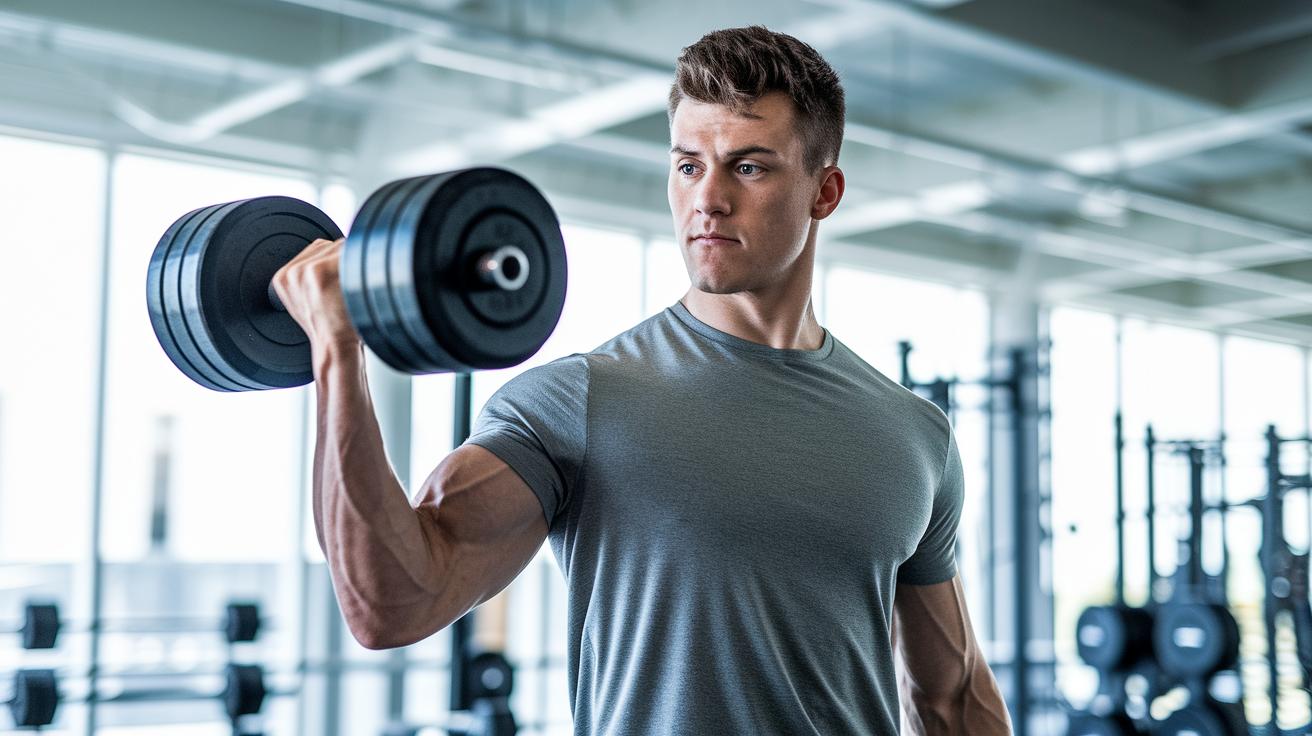
Advanced shoulder conditioning routines give you focused workouts to build explosive power and stronger shoulders. One cool exercise is the one-arm dumbbell push-press, where you do a quick knee dip followed by a strong press. Fun fact: one burst of energy can work your shoulders along with your lower body, making every rep really count.
Another move, the plank dumbbell shoulder raise, takes things a step further. Imagine holding a plank while you alternate lifting dumbbells. This not only works your shoulders but also builds up your core, giving you a two-in-one workout that sets you up nicely for tougher exercises down the road.
Next, try hard free-weight exercises to really challenge your shoulders and boost muscle growth. Then, about 72 hours later, switch to a high-rep machine workout to get your blood flowing and help your muscles recover. Together, these sessions keep your muscles engaged in different ways, fostering strength and size.
If you're just starting out, these routines focus on slowly increasing weight and perfecting your form. This approach helps you build a safe, solid foundation while you begin exploring more dynamic and strength-building moves. Think of these exercises as gears in your workout plan, ready to ramp up the intensity as you progress.
Key pointers:
- Plyometric drills for explosive power
- Core-integrated moves like plank dumbbell shoulder raises
- Heavy free-weight sessions paired with machine-pump recovery work
Final Words
In the action, we explored a range of shoulder strength training exercises designed to boost power and stability. We examined essential movements, the role of shoulder anatomy, and varied equipment options. We broke down how to structure workouts and underscored the value of a proper warm-up to keep training safe. With both advanced and beginner-friendly strategies discussed, you’re ready to mix dynamic moves with structured routines. Embrace these shoulder strength training exercises to support better health and add strength every day.
FAQ
Q: What is the best exercise to strengthen your shoulders?
A: The best exercise to strengthen your shoulders is the overhead press, which primarily targets all three heads of the deltoid muscle for balanced strength.
Q: Is five exercises enough for a complete shoulder workout?
A: Five exercises can provide a good foundation if they target different shoulder muscles, but including a mix of compound and isolation moves may optimize overall shoulder balance and stability.
Q: How do you build strength in a weak shoulder?
A: Building strength in a weak shoulder involves starting with light weights, doing controlled movements like shoulder external rotations and face pulls, and gradually increasing resistance to help stabilize and reinforce the joint.
Q: What is the 6 12 25 shoulder workout?
A: The 6 12 25 shoulder workout breaks the routine into three sets with six heavy reps, 12 moderate reps, and 25 lighter reps to boost both strength and endurance while engaging multiple shoulder muscle groups.
Q: What are some effective dumbbell shoulder strength training exercises?
A: Dumbbell exercises such as front raises, lateral raises, and seated dumbbell presses effectively isolate and build the anterior, lateral, and overall deltoid muscles when performed with proper form.
Q: What shoulder exercises are good for beginners or home workouts?
A: Beginners can start with safe, simple moves like dumbbell shoulder presses, lateral raises, and rear delt flyes at home, which build strength while minimizing the risk of strain.
Q: How can I perform shoulder strength training exercises for mass?
A: For mass gains, focus on compound moves like the barbell overhead press and accessory exercises like dumbbell lateral raises and landmine presses to stimulate muscle growth across the shoulder complex.
Q: What does the side lateral raise target?
A: The side lateral raise primarily targets the lateral deltoids, which helps widen the shoulders and improves overall shoulder definition.
Q: How does the rear delt raise benefit shoulder training?
A: The rear delt raise focuses on the posterior deltoids, promoting better posture and balanced shoulder strength by addressing an often-overlooked muscle group.
Q: How do exercises like bench press and bicep curl relate to shoulder strength training?
A: Although the bench press mainly targets the chest, it also engages the anterior deltoids, while bicep curls focus on the arm muscles; both can complement a shoulder routine by adding overall upper-body strength and stability.

