
Ever thought that skipping your checkups might come back to bite you later? Research shows that regular doctor visits and vaccines help catch health problems before they turn serious.
It might seem like a small deal to keep up with your wellness appointments, key tests, and shots. But these simple steps can really boost your overall health. This article is here to share some easy tips to keep you feeling strong and prepared for whatever comes your way.
With just a few routine actions, you have the power to take charge of your well-being and steer clear of unexpected hurdles down the road.
Core Preventive Care Guidelines for Adult Health Maintenance
Taking care of your health means checking in before problems get bigger. Regular check-ups, tests, and shots can catch issues early so you can treat them faster. Learn more about preventive care at this link: what is preventive care.
- Wellness Visits
- Screening Tests
- Immunizations
Wellness visits let you keep an eye on things like your blood pressure and weight while getting helpful tips on eating right and staying active. Screening tests, like checking your blood pressure, cholesterol, and for signs of cancer, can reveal health risks before you even feel sick. Immunizations help build up your body's defenses to keep you safe from bugs and infections as you get older.
These three simple steps show that catching issues early can save you from bigger problems later. Research tells us that sticking to your regular check-ups and screenings can help spot things like heart disease and certain cancers when they are still mild. This means treatment might be easier and help you get back to your routine quickly. Experts say that when problems are found early, they’re often easier to handle and less likely to disrupt your everyday life. Following these recommendations can keep you feeling well and build a strong foundation for a healthy future. Spending a little time on prevention today can save you from tougher treatments in the future.
Age-Specific Screening Protocols in Preventive Care Guidelines for Adults
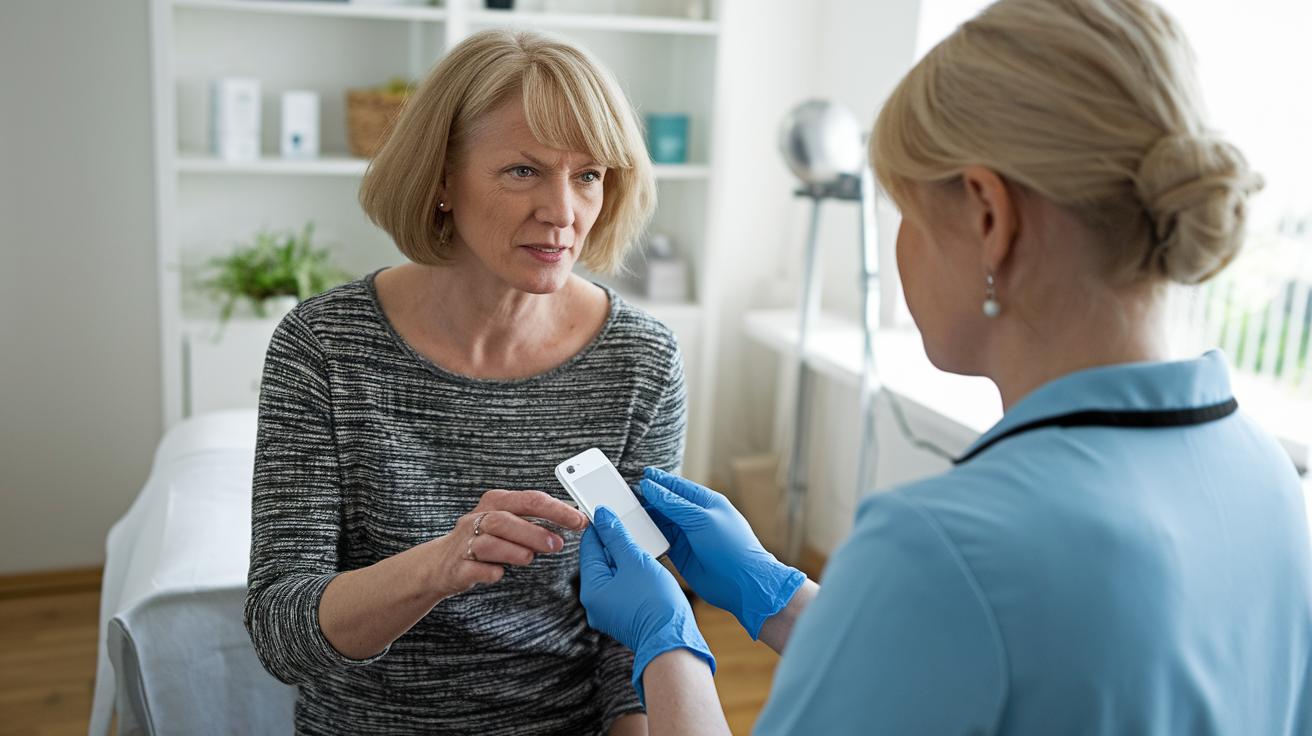
Keeping an eye on your health is key, and regular screenings are a big part of that. Health guidelines recommend checking important markers like blood pressure, cholesterol, and signs of cancer as you age. These tests help catch issues early so you can enjoy a healthier life.
Below is a simple guide for different age groups and what tests are usually suggested. Remember, your personal risk factors or family history might mean you need more frequent checks. For example, if high cholesterol or heart problems run in your family, you might need your blood pressure checked more often. Women who have had abnormal Pap tests could need an earlier follow-up. Lifestyle choices, like eating well, staying active, or even smoking, can also affect how often you should be screened.
| Age Group | Recommended Screenings | Frequency |
|---|---|---|
| Adults 20-39 | Blood Pressure, Cholesterol | Blood Pressure: Annually; Cholesterol: Every 5 years |
| Women 21-49 | Pap Test | Every 3 years (up to age 65) |
| Women 50-74 | Mammogram | Every 2 years |
| Adults 50-75 | Colorectal Screening | Based on risk and method chosen |
Talk with your health professional to make sure the screening schedule fits your needs. Taking time to share details about your family and lifestyle can help them set up a plan that’s just right for you.
Immunization Schedules within Adult Preventive Care Guidelines
Vaccines are a key part of keeping us healthy. They help protect against infections and serious problems that can really throw off your day-to-day life. Think of them as a tune-up for your body, strengthening your defenses so you can better fight off seasonal bugs and unexpected illnesses. This means that if you do get sick, you might bounce back quicker and spend less time feeling under the weather.
Different vaccines come into play at different stages of adult life, and guidelines from the CDC and USPSTF help point the way. For example, it’s a good idea to get a flu shot every year to keep seasonal viruses at bay. A tetanus-diphtheria booster every 10 years helps maintain a strong line of defense too. When you hit age 50, you might want to look into the shingles vaccine. And if you’re 65 or older, or if you have certain risk factors, pneumococcal vaccines are advised. There are also other shots like the HPV vaccine (up to age 26) and hepatitis B for those in higher-risk groups, all forming part of a smart plan to keep you feeling your best.
Routine Wellness Visit Protocols for Adult Preventive Care

It’s a good idea to see your doctor once a year to keep track of your health. When you make your wellness visit a regular thing, your provider can quickly spot little changes and help fix them before they become bigger problems.
At your yearly check-up, your doctor will look at important health signs like your pulse, blood pressure, and even your body mass index (BMI). They’ll also check on your heart, lungs, tummy, and even how you’re feeling mentally. Plus, you might get some tips on healthy eating and exercise. These quick checks can help you notice when something isn’t quite right and give you a chance to tweak your lifestyle, like eating a bit better or finding ways to handle stress.
These days, technology is making things even easier. Telehealth visits and online patient portals let you book appointments and follow up as easily as checking your email. Some doctors even offer in-home monitoring and digital check-ins so you can keep an eye on your health between visits. This modern approach not only saves time but also keeps you closely connected to your care team, ensuring you get the encouragement and help you need every day.
Chronic Disease Risk Assessment in Adult Preventive Care Guidelines
Taking good care of your heart and blood vessels is a key step in stopping chronic diseases before they start. It’s a simple but important habit, like checking your blood pressure once a year, to catch any early signs of high blood pressure. Also, your doctor might suggest a lipid profile test every five years if you're between 20 and 75 and your past results were normal. This test looks at the fats in your blood, giving you clear signs about your heart health and giving you the chance to make healthy changes before any big problems arise.
Keeping an eye on your blood sugar is just as important, especially for spotting early signs of type 2 diabetes. Your doctor often recommends a hemoglobin A1c test, a measure that shows your average blood sugar over time, every three years if you're 45 or older or if you're at a higher risk. Tools like the ASCVD risk calculator, which checks your chances of heart disease, can further tailor your care plan. Combining these tests with other health information helps create simple, clear steps you can take to lower your risk of chronic illness.
Insurance Coverage and Preventive Services for Adults

Federal laws make it easier for adults to get important preventive care without extra costs when you use providers in your plan’s network. Screenings, immunizations, and annual exams are usually free, so you can have your health checked without any surprise bills.
But there’s more than just basic care. Many insurance plans throw in extra benefits like free health check programs and digital wellness rewards to help you stay on track. For example, some plans let you book appointments online and send you reminders. These simple tools are designed to remove barriers so you can focus on staying healthy.
Before you book your next check-up, double-check your plan details. Make sure your provider is in-network and that you qualify for the free services.
Preventive Care Guidelines for Adults: Elevate Your Health
Your health plan should fit perfectly with your daily life. Think of these simple steps as a friendly guide to staying on track with your care.
• Chat with your doctor about your personal risks at your yearly check-up.
• Keep your vaccines current, don’t forget your yearly flu shot!
• Schedule health tests that suit your age and any concerns you might have.
• Use easy, at-home tools to check your blood pressure, blood sugar, and cholesterol.
• Try digital apps that help you see clear insights into your mental well-being and nutrition.
• Set up alerts on your patient portal so you always remember your appointments and vaccinations.
• Look into smart, in-home or digital monitoring options that match your lifestyle.
• Update your care plan as new health tools and tips come out.
This checklist is here to help you manage your preventive care smoothly and confidently.
Final Words
In the action, this article covered the steps of adult health maintenance. We discussed wellness visits, screening protocols, immunization schedules, and chronic disease risk assessments while breaking down insurance details and a practical checklist. Each section provided clear advice to help boost your everyday vitality. With these preventive care guidelines for adults, you can confidently track and manage your health. Every small step matters, keep moving forward with a proactive mindset and feel good about your daily decisions.
FAQ
What are preventive care examples?
Preventive care examples include wellness visits, screenings, and immunizations that help catch health changes early and support overall well-being.
What is covered under preventive care and what is considered adult preventive care?
Adult preventive care covers annual exams, routine screenings like blood pressure and cholesterol tests, and vaccines aimed at spotting issues early and keeping you healthy.
What do the CDC and USPSTF screening guidelines for adults recommend?
The CDC and USPSTF guidelines recommend regular screenings based on age and risk factors, including checks for blood pressure, cholesterol, and cancer to guide early interventions.
What are preventive care guidelines and the wellness guidelines for adults?
Preventive care guidelines provide a roadmap for regular health checks such as exams, screenings, and vaccines, ensuring early detection of health changes to maintain overall wellness.
What are the four major categories of preventive care?
The four major categories of preventive care are wellness visits, screening tests, immunizations, and chronic disease risk assessments, each designed to monitor and support your health.

