
Ever thought about how missing a routine check-up might cost you more than you expect? Small steps in taking care of your health can make a big difference down the road.
When you go for your yearly check-up, get your shots, and do your lab tests, you're catching little issues before they turn into big problems. It’s like giving yourself a friendly reminder to stay healthy.
Think of each visit as a helpful tip from a good friend. These small actions today can really build a stronger, healthier tomorrow.
Core Preventive Care Examples and Their Roles in Health
Preventive care is all about taking action before you even start feeling unwell. It means keeping an eye on your health and catching potential issues early with simple, proactive steps. If you’re curious to learn more, check out what is preventive care.
This way of caring for yourself doesn’t just help keep various illnesses at bay, it also boosts your overall well-being by weaving healthy habits into your everyday routine. Regular visits and friendly advice can go a long way toward keeping you in tip-top shape and avoiding problems later on.
- immunizations
- annual check-ups
- blood pressure screening
- counseling
- lab evaluations
- dental exams
- cancer screenings
- lifestyle coaching
These simple practices work together like a strong safety net against disease. Immunizations, for example, protect you from infections, while check-ups and lab tests help spot any signs of trouble before they grow. Screenings like blood pressure checks and dental exams stop small issues from becoming big concerns. And with counseling and lifestyle coaching, you get easy-to-follow tips on eating right and staying active, which can ward off conditions like heart disease and diabetes.
Best of all, many of these services are covered by most health insurance plans, including those required by the Affordable Care Act. So not only is preventive care a smart way to stay healthy, it’s also a real money-saver in the long run.
Vaccination and Immunization Milestones as Preventive Care Examples
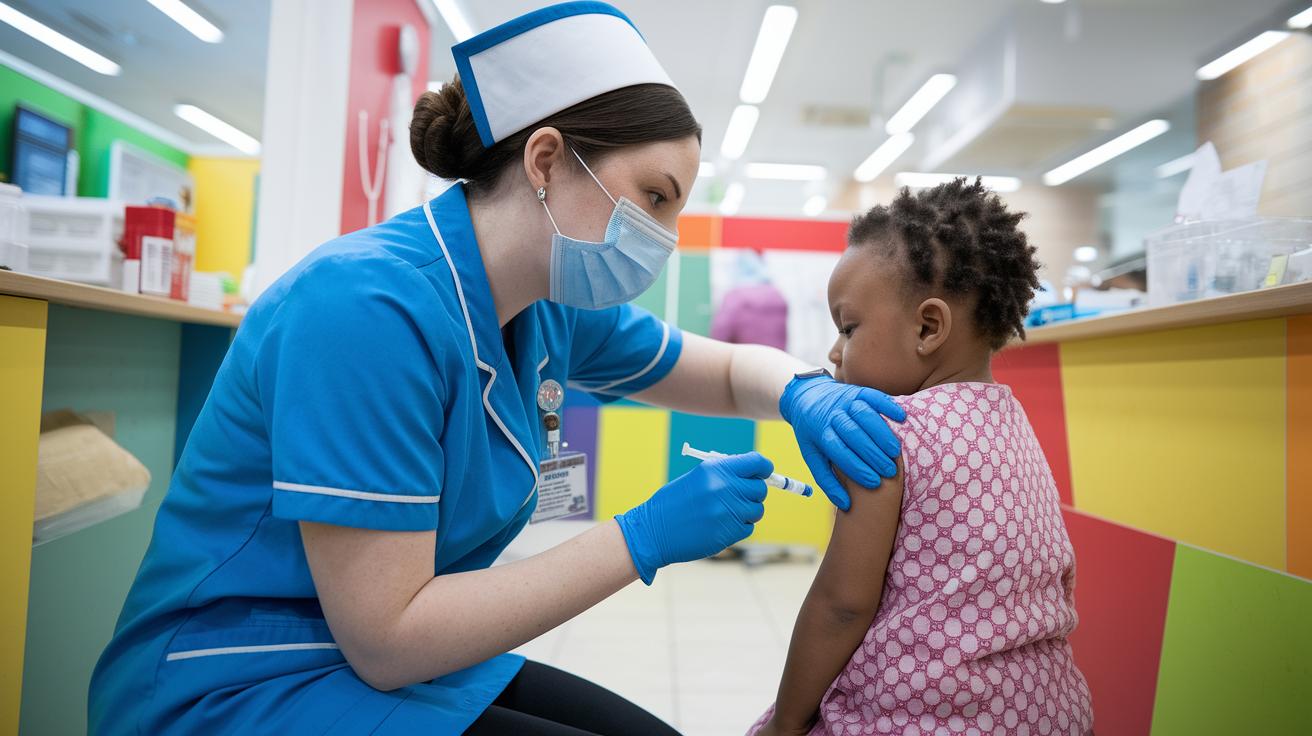
Vaccinations are a basic part of staying healthy. They protect us from sicknesses, from when we are little all the way to our older years. Think of these immunizations as important check-ins that help keep our bodies strong and safe.
| Vaccine | Recommended Age/Group |
|---|---|
| Infant Vaccines (MMR, Polio, DTaP) | Infants and young children |
| Adolescent HPV Series | Preteens and teenagers |
| Annual Influenza Shot | All ages annually |
| Adult Shingles Vaccine | Adults 50 and older |
Most vaccines follow schedules set by health experts. And often, these immunizations are fully covered by health plans required by the ACA. This means you usually don’t have to pay extra when you get them. It’s a simple, no-cost way to keep yourself protected and move toward a healthier life.
Routine Health Screenings: Preventive Care Examples for Early Detection
Screening tests act like early check-ups that catch problems before they grow serious. They help spot risk factors and early signs of disease, so small concerns don’t turn into big issues later. Regular screenings, which fall under secondary prevention, include tests for blood pressure, cholesterol, and blood sugar levels. These measurements are simple yet powerful tools to keep you on top of your health. Learn more about preventive care screenings to see how these checks can really make a difference.
Cardiovascular and Metabolic Screenings
Taking care of your heart and metabolism is super important. Blood pressure screenings measure the push of blood through your arteries, while cholesterol tests check for fats that might clog them and cause heart problems. Diabetes labs, like the HbA1c test (which shows your average blood sugar over several months), help you see if your blood sugar is in a good range. BMI counseling also gives you clear insights into your weight and overall body composition. Think of these tests as regular tune-ups that keep your inner engine running smoothly.
Cancer and Bone Health Screenings
Finding early signs of cancer and bone weakness can really change the treatment game. For instance, mammograms for breast cancer are recommended every two years for people aged 50 to 74, making it easier to catch things early when treatments work best. Colonoscopies, usually advised every 10 years starting at age 45, help reduce colon cancer risk by spotting and removing abnormal growths. Plus, prostate exams and bone density scans offer essential checks for potential issues with the prostate and bones. These screenings are tailored by age and gender, making them reliable tools for preventive care.
Following guidelines from top health organizations like the USPSTF and CDC helps ensure that each test is done at the right time. Regular check-ups and personalized plans, such as Medicare Annual Wellness Visits, make sure you stay ahead of any potential health challenges.
Lifestyle Modification and Wellness Measures in Preventive Care Examples

Living a healthy life is a simple but powerful way to fight off disease. The foods you choose, how much you move, and the way you handle stress all add up to help protect you from long-term health problems. It’s not about being perfect. Instead, it’s about making small, steady changes that lead to a healthier you. Imagine adding a bit more movement to your day or opting for a balanced meal, it can really boost your energy and keep things running smoothly.
Programs to help quit smoking, manage weight, and reduce stress show that it’s not always about medicine. For example, quitting smoking can lower your risk of heart and lung issues significantly. Weight management efforts, like nutritional advice and regular exercise, help you maintain a healthy balance in your body, kind of like keeping your engine in top shape. And simple stress-relief practices, such as mindfulness and relaxation exercises, can make those everyday pressures much easier to handle. With the support of caring nurses and doctors, these actions empower you to form habits that protect your health.
Staying actively involved in your own care makes all the difference. Regular check-ins with a healthcare professional can keep you motivated and on track. A simple conversation about progress can turn these healthy habits into a natural part of your everyday life, making you feel supported and understood as you work toward your goals.
Dental and Oral Health Preventive Care Examples
Going to the dentist regularly is a smart way to keep your smile bright and healthy. Most folks have an exam and cleaning every six months, which helps you catch small issues before they turn into big problems. In many cases, insurance covers these visits at no extra charge, so it’s easier to keep up with a routine that saves you money and stress.
Simple steps like fluoride treatments, sealants for kids, and oral cancer screenings make a big difference too. Fluoride helps strengthen your teeth; sealants act like a protective barrier for little ones; and screenings catch changes early. Together, these actions keep your teeth strong and pain-free, letting you smile confidently no matter your age.
Insurance Coverage and Guidelines for Preventive Care Examples

Under the Affordable Care Act, many health plans cover preventive services completely, so you pay nothing extra. This means routine check-ups, immunizations, and screenings are free when you need them.
Medicare Part B has your back too. It covers your first preventive physical exam (known as CPT G0402) and your Annual Wellness Visits. This approach helps catch health issues early, giving you a head start on staying well.
They also use codes like CPT 99490 and CPT 99492 for programs such as Chronic Care Management and integrated behavioral health. These programs give steady support to patients dealing with long-lasting conditions.
Insurance companies like Blue Cross and UnitedHealthcare set wellness benchmarks to ensure these free services are always available. This system encourages everyone to be proactive about their health.
Even the billing for these services is made simple. When you take advantage of preventive care, you not only keep your health in check but also help your provider maintain a steady flow of services.
Final Words
In the action, this post took a close look at preventive care examples that help maintain overall well-being. We covered immunizations, screenings, lifestyle coaching, and dental checks, all critical parts of staying ahead of health issues.
Each tip is meant to inspire regular habits that keep you alert and vibrant. Following these simple steps can make a big difference in your daily vitality and long-term health. Keep embracing these ideas with optimism and care.
FAQ
Q: What is covered under preventive care and how is it defined?
A: Preventive care is defined as actions taken before a disease develops, including screenings, immunizations, and counseling. It is designed to catch issues early and reduce long-term medical costs, often at no extra charge.
Q: What does preventive care include for Blue Cross Blue Shield and similar insurance?
A: Preventive care under Blue Cross Blue Shield and other major insurers includes routine check-ups, lab tests, immunizations, and lifestyle counseling, all provided without cost to help keep patients healthy.
Q: What labs are covered under preventive care?
A: Labs covered under preventive care typically include routine tests such as blood sugar, cholesterol, and other evaluations that help detect issues early and guide timely health decisions.
Q: What is an example of preventative care?
A: An example of preventative care is getting an annual check-up or cancer screening. These measures help catch health issues in their early stages, which may reduce the need for more extensive treatment later.
Q: What are the two types of preventive care?
A: Preventive care comes in two types: primary prevention, which focuses on healthy lifestyle changes to avoid disease, and secondary prevention, which centers on early detection of issues through regular screenings.
Q: What is not covered under preventive care?
A: Preventive care generally does not cover treatments for an already established disease or follow-up care once a condition has been diagnosed, as its focus is on early detection and risk reduction.
Q: Why is preventive care important?
A: Preventive care is important because it detects potential health issues early and supports lifestyle changes that lower the chances of developing serious conditions later while reducing overall healthcare costs.
Q: What is a synonym for preventive care?
A: A synonym for preventive care is prophylaxis, which refers to steps taken to prevent diseases before they occur, emphasizing the avoidance of illness rather than just treating it later.

