
Ever wonder if bigger muscles really mean more power? It’s a common thought, but there are actually different ways to train that work in unique ways. Some people stick to one method without knowing that each style offers its own benefits.
For example, hypertrophy training uses more repetitions with lighter weights and short breaks. This approach helps you build fuller muscles. Meanwhile, strength training focuses on lifting heavier weights with longer rests to boost your power.
Each method can help you reach your fitness goals, whether you want to shape your body or build lifting strength. Have you noticed a difference when you change up your workout routine? This guide will help you figure out which training style works best for you. Ready to see how mixing up your workouts can lead to a stronger, more balanced body?
Hypertrophy vs Strength Training Defined: Core Concepts and Protocols
Hypertrophy training is all about making your muscles look bigger. It uses lighter weights and lots of repetitions, usually anywhere from 5 to 30 reps per set, to push your muscles until they’re nearly tired. This method causes fluids to build up inside your muscle cells, giving them a fuller, bulkier appearance. Imagine finishing a set of 12 reps and feeling that steady burn that tells you your muscles have worked hard and are ready to grow.
Strength training, on the other hand, focuses on boosting your power by using heavy weights with fewer reps. You typically work within 1 to 6 reps at about 65 to 85% of what you can lift just once. This approach helps improve the connection between your brain and muscles, allowing you to lift heavier over time. Every lift is a chance to tap into your raw power and move past your current limits. For a simple definition, check out what strength training is all about.
Hypertrophy vs Strength Training: Rep Ranges, Volume, and Rest Periods

When you compare these two approaches, the differences in rep counts and rest times really stand out. Hypertrophy training is all about building muscle size. You perform more repetitions, usually between 5 and 30, over 3 to 5 sets. Shorter breaks of 30 to 90 seconds keep your muscles working, which boosts the metabolic stress that helps them grow.
In contrast, strength training focuses on lifting heavy loads. You do fewer repetitions, generally 1 to 6, with 2 to 5 sets per exercise, sometimes even up to 10. Longer recovery breaks, around 3 to 5 minutes, allow your muscles to fully recover so you can perform each lift at your best. Think of it this way: hypertrophy relies on overall volume and fatigue, while strength training is about maximum force with heavy weights.
| Variable | Hypertrophy | Strength |
|---|---|---|
| Reps | 5–30 | 1–6 |
| Sets | 3–5 | 2–5 (up to 10) |
| Load % | Moderate | Heavy (65–85% 1RM) |
| Rest | 30–90 sec | 3–5 min |
| Weekly Volume | High | Lower |
In short, these contrasting styles let you choose the right balance for your goals, whether you want to boost muscle size with lots of reps and short rests or build strength with heavy lifts and full recoveries.
Hypertrophy vs Strength Training: Build Powerful Physiques
When you sit down to plan your workout, it’s good to think about the ups and downs of different training styles. Hypertrophy training focuses on growing your muscles using moderate weights and lots of repetitions. This method fills out your muscles nicely and even helps burn extra energy, but it might not boost your everyday strength as much. On the other hand, strength training is all about power. It uses heavier weights with fewer reps to build impressive force and maintain strength, even when you’re cutting calories. However, lifting heavy can put extra strain on your body if you’re not careful with your form and recovery.
Hypertrophy Training – What Works and What Doesn’t:
- It makes your muscles bigger so you get a fuller, balanced look.
- It targets weaker muscle groups, which helps improve overall symmetry.
- A higher volume workout means you burn more calories.
- Lifting moderate weights can lower your risk of injury.
- It might not build as much functional strength and can lead to overuse injuries if you skip proper rest.
Strength Training – The Good and the Not-So-Good:
- It boosts your brain-to-muscle connection so you can handle heavier weights.
- It ramps up your peak force, making everyday tasks easier.
- It helps you keep or even build strength while on a calorie-restricted diet.
- It’s beginner-friendly with guided steps (like those found on a strength training for beginners page).
- Heavy lifting should be balanced with careful recovery to avoid fatigue and injury.
Ultimately, if you’re after great muscle size and a full look, hypertrophy training might be your go-to. But if you want to ramp up your power and performance, strength training is the way to go. Both have their perks, so pick the one that best matches your goals.
Hypertrophy vs Strength Training: Exercise Selection and Programming

When you set up a workout routine, picking the right exercises and arranging your workout splits is key to reaching your goals. If you’re aiming to build muscle size, known as hypertrophy, you can mix big, all-in compound lifts with smaller, isolation moves. Think about splitting your workouts by muscle groups, like doing chest and triceps one day or back and biceps another. These workouts use medium weights and a moderate number of reps to really tire out your muscles and spark growth.
On the flip side, strength training focuses on heavy, powerful exercises that work several joints at once. These routines often use full-body workouts or splits like upper body and lower body. They call for low-rep sets with heavy weights to boost your overall power and help your body get used to handling big loads.
Hypertrophy Programming
- Uses a blend of big compound lifts and smaller isolation moves (like bicep curls or leg extensions) for even muscle growth.
- Typically follows 3–4 sets of 8–12 reps to build muscle endurance and size.
- Splits the workouts by muscle groups, such as chest/triceps or back/biceps, so each muscle gets focused work and plenty of recovery.
- Aims to create muscle fatigue and a bit of a burn to help your muscle fibers grow.
- Includes moderate rest periods to keep muscles worked steadily and help you develop a fuller, more defined look.
Strength Programming
- Centers on powerful, multi-joint moves like squats, deadlifts, and bench presses that boost overall strength.
- Often uses 3–6 sets of 1–6 reps, putting the focus on lifting heavy.
- Utilizes full-body or upper/lower splits so every lift gets its due attention and recovery time.
- Concentrates on training your nervous system and body movements to make your strength gains more noticeable.
- Sometimes adds in elements of functional strength training to help improve everyday performance and build robust force production.
Hypertrophy vs Strength Training: Periodization and Progression Strategies
The idea of gradually pushing yourself a little more each time is key to both growing muscle and building strength. For muscle size, it means slowly adding extra sets or reps so your muscles get the signal to grow. Meanwhile, if your goal is strength, you focus on lifting heavier weights with fewer reps to boost the force your muscles can produce.
Every workout builds on the last, steadily challenging both your muscles and your nervous system to adapt to tougher demands. This steady increase in challenge is a tried and true way to build strength.
For those aiming to add muscle size, many experienced lifters dedicate 4 to 8 weeks to what we call hypertrophy training. In these periods, you work with moderate weights and aim for more repetitions, which creates the kind of fatigue and stress that tells your muscles, "Time to grow!" As you gradually add more volume, your body repairs and expands muscle fibers, giving you fuller and more balanced muscles over time.
On the strength side, cycles usually last between 2 to 6 weeks. In these sessions, you focus on heavy loads with fewer reps. This approach taps into your brain-muscle connection, helping you recruit more muscle fibers whenever you lift heavy. Many trainers mix different training models, like alternating between days of high volume and high intensity, to keep your body adapting and improving.
By blending both hypertrophy and strength phases into your routine, you set yourself up for a balanced and powerful physique. The mix ensures your body is always ready for a new challenge, driving lasting improvements in both muscle size and overall strength.
Hypertrophy vs Strength Training: Nutrition and Recovery Fundamentals

Good nutrition powers every workout, and what you eat changes with your training goals. For muscle-building workouts, try eating a bit more than you burn, and aim for 1.6 to 2.2 grams of protein per kilogram of your body weight each day. This helps your muscles build and grow. On the other hand, if your goal is strength, you can still build a solid body even when eating less. Just keep your protein high and plan your meals around your workout times so your muscles get the building blocks they need.
Taking time to recover is just as important as fueling up. No matter which training you choose, getting good rest protects you from injuries and burnout. Make sure you get consistent sleep, take planned rest days, and schedule lighter training weeks to let your body bounce back. Also, think about how long you rest between sets: shorter breaks keep the energy going for muscle growth, while longer breaks help you lift heavier weights when building strength.
- Sleep: Get good rest every night so your muscles can repair.
- Nutrition Timing: Plan balanced meals and snacks around your workouts.
- Deloading: Include lighter training periods to stop overtraining.
- Mobility: Do some stretching or light moves to keep your joints flexible.
- Hydration: Drink plenty of water to help your body recover.
Hypertrophy vs Strength Training: Build Powerful Physiques
Choosing the right workout plan really depends on your goals, how long you’ve been training, and what you’re aiming to achieve. For beginners, working out with hypertrophy routines, doing 8-12 reps per set, can boost muscle size and create a solid base for future strength gains. If you’ve got a steady training history, mixing different protocols might help you push past plateaus and improve your performance.
How Your Background and Goals Influence Your Routine
Your past workouts and what you want to see in your body should guide your routine. For example, if you’re already comfortable with big compound moves like squats or deadlifts, you might add heavier lifts sooner to keep challenging yourself. This mix can help you overcome hurdles and see better progress.
Picture this: by blending muscle-building moves with heavy lifting, you might add an extra 10 pounds to your bench press in just one month.
- Goals: Decide if you want a fuller, more sculpted look or if your aim is to lift the heaviest weights possible.
- Experience: Beginners usually do well with hypertrophy routines, while those with more training might benefit from sessions focused on strength.
- Timeline: Think about whether you need quicker muscle growth for that aesthetic boost or if you’re building for long-term strength.
Remember, your workout plan can change over time. Start with what works best for you now, then adjust your focus as you get stronger. For some extra tips on kicking off a strength training routine, check out how to start strength training.
Sample Workouts for Hypertrophy vs Strength Training
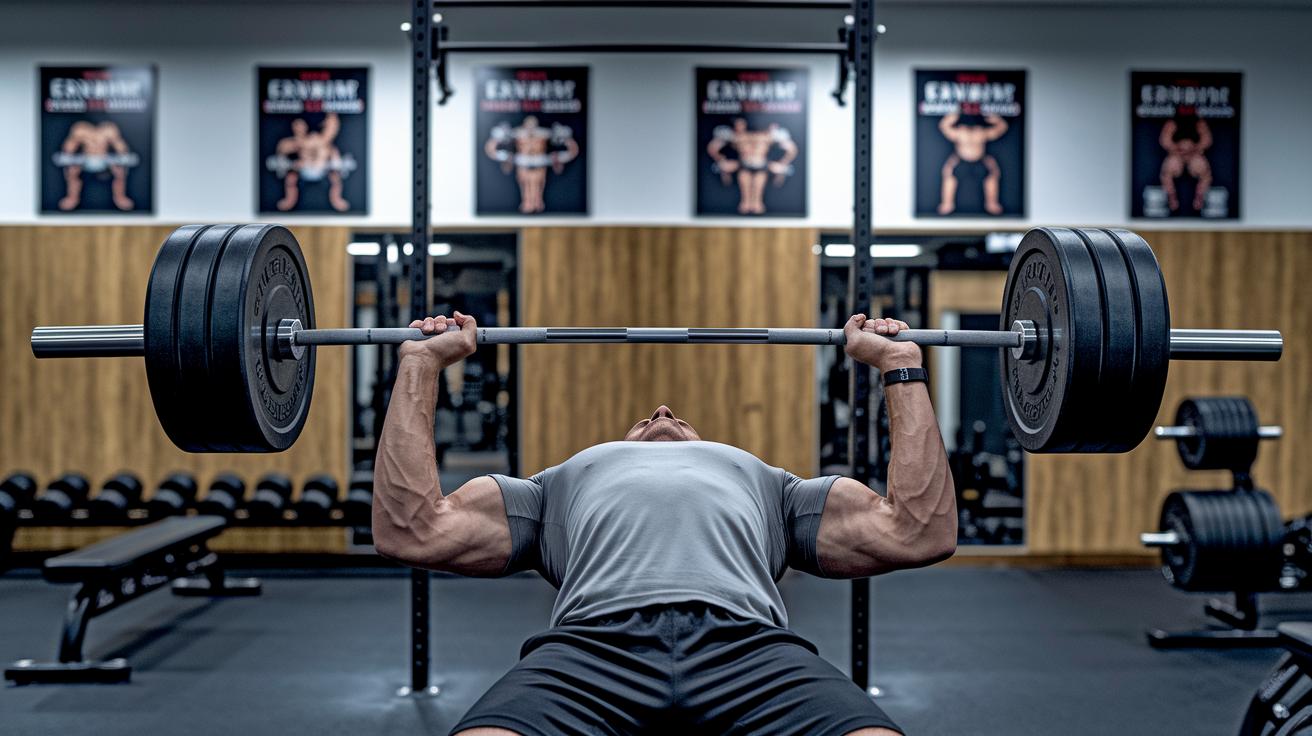
When you plan your workouts with a clear blueprint, it can really boost your results. If muscle growth is your goal, you typically follow a four-day plan. For example, you might work your chest and triceps on Day 1, focus on your back and biceps on Day 2, hit your legs and shoulders on Day 3, and then use Day 4 for light active recovery or extra exercises. Each workout starts with a warm-up before moving into the main lifts that mix big, multi-muscle moves with smaller, targeted exercises. You usually complete 3–4 sets of 8–12 repetitions with rests of about 60–90 seconds. This mix builds up the kind of muscle stress and volume that helps with growth.
In contrast, a strength-focused plan often runs on a three-day full-body schedule. This plan zeroes in on heavy, multi-joint moves like squats, bench presses, and deadlifts. Typically, you do 3–5 sets of 1–5 reps with longer rest breaks of 3 to 5 minutes so you can lift heavy without burning out. Each session starts with a good warm-up, followed by main heavy lifts to boost power, supplemented by accessory moves that support balance, and wraps up with a cool-down to help recovery. This routine is all about firing up your nervous system and building maximal strength.
| Day | Hypertrophy Routine | Strength Routine |
|---|---|---|
| Day 1 | Chest/Triceps – 3–4 sets of 8–12 reps with 60–90 sec rest; includes warm-up, main lifts, accessory work, and cool-down | Full Body (Squat Focus) – 3–5 sets of 1–5 reps with 3–5 min rest; includes warm-up, heavy compound lifts, accessory work, and cool-down |
| Day 2 | Back/Biceps – 3–4 sets of 8–12 reps with 60–90 sec rest; a mix of compound and isolation moves | Full Body (Bench Focus) – 3–5 sets of 1–5 reps with 3–5 min rest; starts with warm-up, then heavy pressing, accessory work, and cool-down |
| Day 3 | Legs/Shoulders – 3–4 sets of 8–12 reps with 60–90 sec rest; incorporates both compound and isolation exercises | Full Body (Deadlift Focus) – 3–5 sets of 1–5 reps with 3–5 min rest; includes warm-up, heavy deadlifts, supportive accessory work, and cool-down |
| Day 4 | Active Recovery/Accessory – Light isolation work and mobility drills | Optional accessory/technique work – Low-weight exercises focused on perfecting your form |
Final Words
in the action, this post broke down how each method works by comparing rep ranges, numbers of sets, and rest durations. It explains the upsides and downsides of boosting muscle size or building maximal strength.
The guide also shows how to plan workouts, recover well, and choose the right approach based on your goals. Embrace the insights we shared about hypertrophy vs strength training and keep moving forward with a strong sense of purpose.
FAQ
What does hypertrophy vs strength training reddit discuss?
The discussions on reddit about hypertrophy vs strength training highlight that hypertrophy builds muscle size with higher rep ranges and moderate loads, while strength training increases force output using lower reps with heavier loads.
What is hypertrophy training?
Hypertrophy training focuses on increasing muscle fiber size using moderate weights and higher reps near muscle fatigue to encourage muscle growth and improved aesthetics.
How do hypertrophy vs strength training differ for females?
The comparison for females shows that hypertrophy enhances muscle fullness and symmetry, while strength training builds overall force and performance, depending on individual fitness objectives.
What is the difference between hypertrophy vs strength training for muscle gain?
Hypertrophy vs strength training for muscle gain mainly differ in rep schemes and load; hypertrophy uses higher reps to enlarge muscles, whereas strength training uses heavier loads for increased force.
How do hypertrophy vs strength training affect weight loss?
The approaches differ in energy expenditure; hypertrophy training burns more calories through higher volume, while strength training helps preserve muscle mass during fat loss.
How do hypertrophy vs strength training sets and reps compare?
The methods vary in sets and reps; hypertrophy training usually employs 5–30 reps for 3–5 sets with shorter rests, while strength training uses 1–6 reps with longer rests to maximize force production.
How does hypertrophy vs strength training apply to bodybuilding?
Bodybuilders often blend both methods; hypertrophy increases muscle size and balance, and strength training boosts maximal force, resulting in a more defined and powerful physique.
What are typical hypertrophy training sets and reps?
Hypertrophy training typically involves moderate weights with rep ranges from 5 to 30 and 3 to 5 sets, designed to stimulate muscle growth and improve endurance.
Is it better to train strength or hypertrophy?
The decision between training strength or hypertrophy hinges on personal goals; strength training builds maximal force, while hypertrophy focuses on increasing muscle volume and enhancing appearance.
Do bodybuilders use strength training or hypertrophy training?
Bodybuilders employ both techniques, mixing rep schemes and loads in their routines to optimize muscle size and develop significant strength in key lifts.
Is 20 reps still effective for hypertrophy?
Yes, performing 20 reps can be effective for hypertrophy by creating sufficient muscle fatigue, provided the set is challenging enough to stimulate muscle growth.
Does hypertrophy training make you leaner?
Hypertrophy training can help make you leaner by boosting calorie burn and metabolic rate, supporting fat loss while increasing muscle mass when combined with proper nutrition.

