
Ever thought you could enjoy meals that are both healthy and budget-friendly?
It turns out, eating well on a tight budget is simpler than you might imagine.
A few small changes can turn your grocery trip into an adventure of discovery, with great taste and savings along the way.
Before you shop, take a quick peek in your pantry. Swap out expensive items for cost-friendly alternatives that still pack plenty of flavor.
The result? Meals that satisfy your hunger and lift your spirits.
Smart shopping and a bit of creativity can truly transform every meal into a nutritious, affordable delight.
Blueprint for Healthy Eating on a Budget
Eating healthy on a budget is all about making smart choices that taste good and keep you well. Try turning your grocery trip into a fun planning session. Instead of splurging on fancy ingredients, make small swaps. For example, grab a block of cheese instead of pre-shredded, or choose canned beans if they’re easier on your wallet. These little changes help stretch every dollar into a meal that fuels you.
Before you head out shopping, take a quick look in your freezer, cupboards, and fridge. This simple step helps you see what you already have, cuts down on waste, and even sparks new dinner ideas. Plain frozen vegetables, for instance, work just as well as fresh ones and last much longer. Before you know it, your kitchen will be a treasure chest of affordable, tasty ingredients.
• Audit what’s already in your pantry
• Shop for seasonal produce
• Buy staples in bulk
• Use plain frozen fruits and vegetables
• Plan your meals and grocery list ahead
• Cook in large batches and pack lunches
When you mix these tips together, you create a system where healthy meals don’t break the bank. Checking your supplies, shopping smart, and planning ahead lets you enjoy a range of hearty meals while keeping costs low and waste to a minimum.
Smart Grocery Planning for Healthy Eating on a Budget
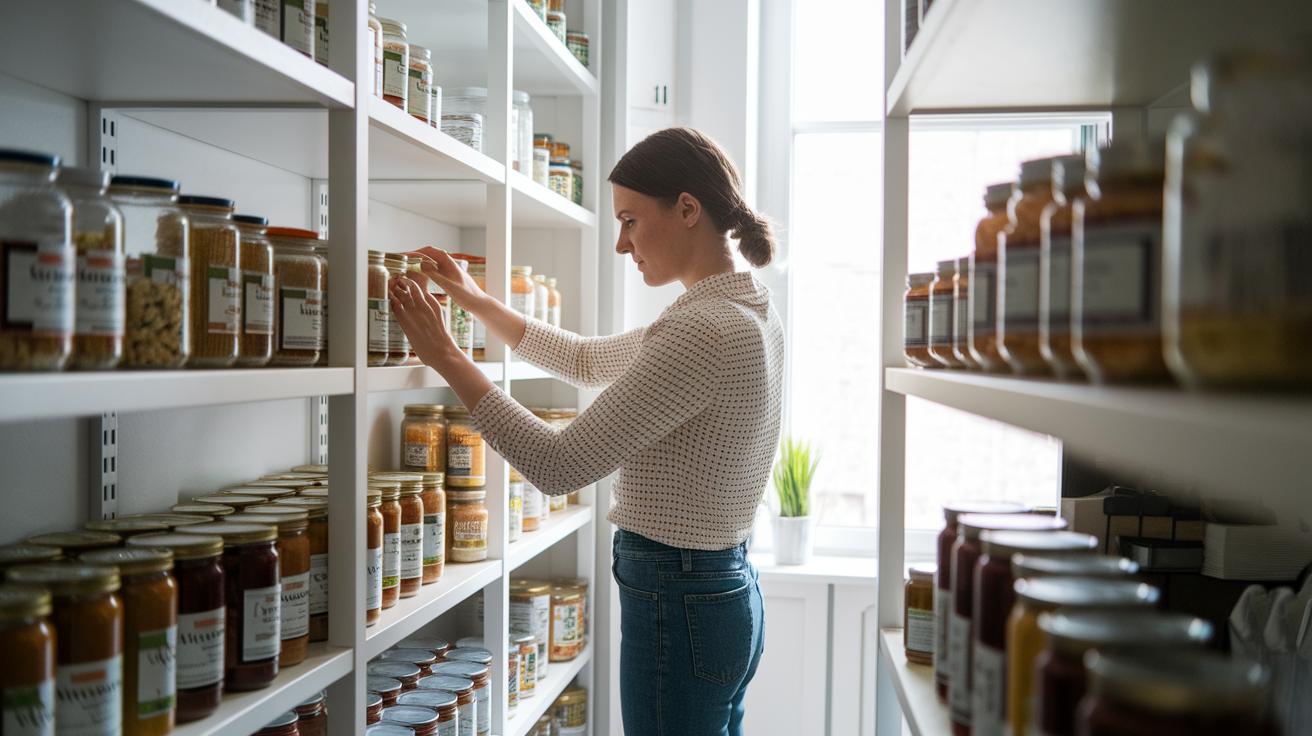
Before you head out for groceries, take a moment to check what you already have. Open your fridge, peek into your freezer, and survey your cabinets. This way, you can keep food from going to waste and avoid picking up the same items twice. Use a simple grocery list for healthy eating to guide your shopping and help you save money.
Audit Your Pantry and Freezer
Spend a few minutes looking through your pantry and freezer to catch items that might be nearing their best-by dates. This quick check can spark ideas for meals using the ingredients you already have. For instance, if you notice an almost empty bottle of olive oil, it might inspire you to whip up a tasty salad dressing.
Target Seasonal, Frozen and Bulk Buys
Choose fruits and vegetables that are in season because they taste their best and usually cost less. Frozen fruits and vegetables, as well as bulk items like rice or beans, can also help cut your grocery bill without sacrificing nutrition. It’s a smart way to get the nutrients you need while keeping your spending in check.
Leverage Generic Brands and Online Deals
Generic brands often offer the same quality as their name-brand counterparts but at a lower price. Don’t forget to check online for deals, sometimes they can drop prices by nearly half on everyday items. Instead of reaching for a branded snack, try your store’s own label and look online for extra discounts. This simple switch can lead to some impressive savings.
Reviewing your supplies and planning ahead can make grocery shopping smoother and more budget-friendly, all while keeping your meals both healthy and delicious.
Frugal Cooking Methods for Healthy Eating on a Budget
Cooking at home on a budget isn't just good for your wallet, it can be a really fun way to save time. When you swap out dining out for preparing meals in your own kitchen, you save money and get a chance to explore new flavors in healthy, nutrient-rich dishes.
Batch Cooking Two-Week Supplies
Planning a menu for two weeks might sound like a lot, but it can really simplify your busy week. Spend one day cooking big batches of food so you have ready-made meals to enjoy later. Imagine making a big pot of vegetable stew that you can dress up into different meals all week, it’s like setting up a tasty foundation for your day.
One-Pot and Sheet-Pan Dishes
Trying out one-pot or sheet-pan recipes makes both cooking and cleaning up a lot easier. By mixing proteins, vegetables, and seasonings all in one dish, you let the natural flavors come together beautifully. Picture a sheet-pan dinner where everything cooks at once, leaving you with a delicious meal and fewer dishes to wash afterward.
Reinventing Leftovers for New Meals
Leftovers don’t have to be boring at all. With a little creativity, you can transform yesterday’s meal into something entirely new. If you have some roasted veggies or leftover grilled chicken, toss them into a salad or wrap for a fresh take on dinner. It’s a simple trick that keeps meals exciting without having to start from scratch every time.
Using these methods can cut down on both prep time and overall expenses. Batch cooking, one-pot recipes, and reinventing leftovers make it easier than ever to enjoy tasty, homemade meals throughout the week.
Sample Inexpensive Meal Plans for Healthy Eating on a Budget
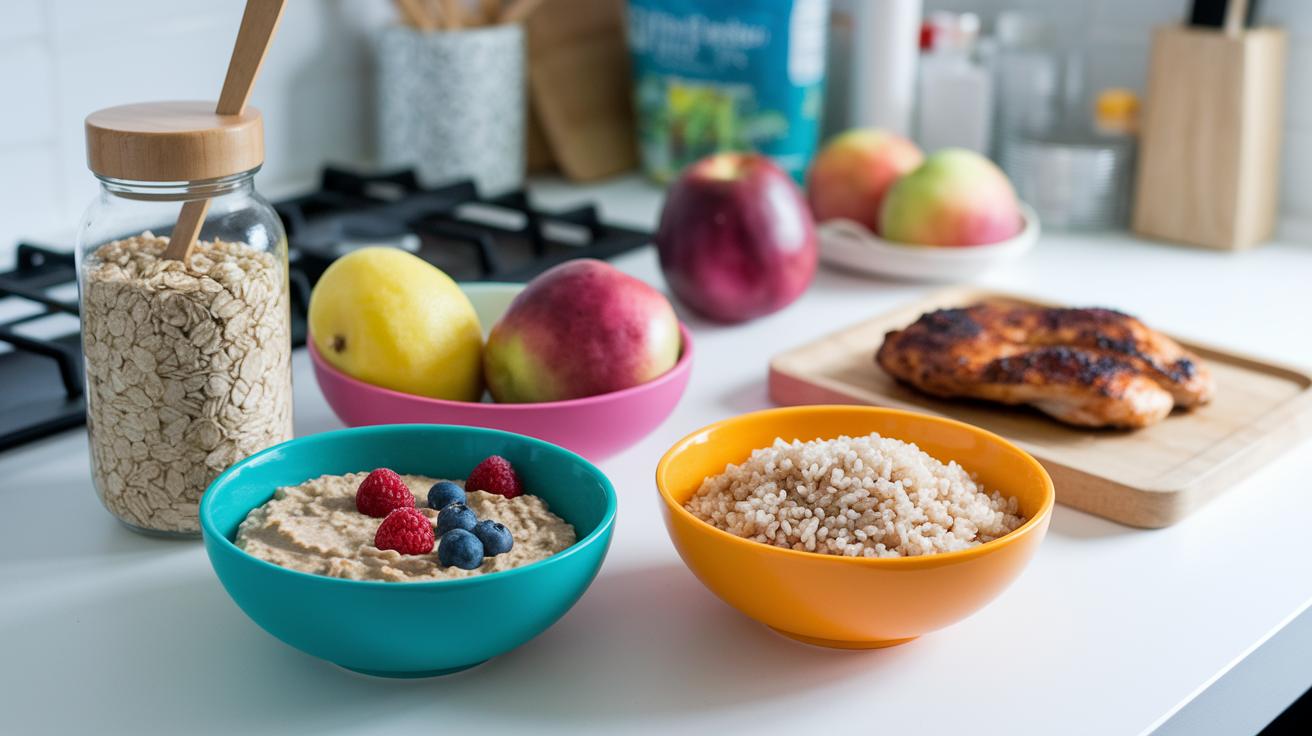
We’ve put together a simple two-week meal plan that helps you eat healthy without breaking the bank. Each day, you’ll find breakfast, lunch, and dinner ideas that balance proteins, carbs, and veggies, all while keeping costs low. The recipes come from a well-known nutrition website that makes healthy food creative and easy to prepare. Imagine starting with a warm bowl of oatmeal and fresh fruit, refueling with a hearty wrap or salad at lunch, and finishing off with a lean protein dinner full of vibrant veggies.
There’s even a handy grocery list included to take the stress out of shopping. Fun fact: planning your meals ahead can save you up to 30% on your grocery bill and boost your nutrition! Plus, each day’s plan is flexible so you can adjust portion sizes or swap ingredients to suit your taste.
| Day | Meal | Recipe Name | Estimated Cost |
|---|---|---|---|
| Day 1 | Breakfast/Lunch/Dinner | Oatmeal with Berries / Veggie Wrap / Lemon Herb Chicken | $12.00 |
| Day 2 | Breakfast/Lunch/Dinner | Banana Pancakes / Quinoa Salad / Grilled Fish | $11.50 |
| Day 3 | Breakfast/Lunch/Dinner | Greek Yogurt Parfait / Turkey Sandwich / Stir-Fry Tofu | $12.20 |
| Day 4 | Breakfast/Lunch/Dinner | Scrambled Eggs / Mixed Bean Salad / Baked Salmon | $13.00 |
| Day 5 | Breakfast/Lunch/Dinner | Fruit Smoothie / Chicken Caesar Wrap / Veggie Pasta | $11.80 |
| Day 6 | Breakfast/Lunch/Dinner | Whole Grain Toast / Lentil Soup / Stir-Fry Beef | $12.50 |
| Day 7 | Breakfast/Lunch/Dinner | Avocado Toast / Garden Salad / Baked Tilapia | $12.30 |
| Day 8 | Breakfast/Lunch/Dinner | Overnight Oats / Hummus Wrap / Veggie Stir-Fry | $11.90 |
| Day 9 | Breakfast/Lunch/Dinner | Berry Smoothie Bowl / Tuna Salad / Chicken Fajitas | $12.40 |
| Day 10 | Breakfast/Lunch/Dinner | Egg Muffins / Rice Bowl with Veggies / Pork Stir-Fry | $12.60 |
| Day 11 | Breakfast/Lunch/Dinner | Whole Grain Cereal / Caprese Salad Wrap / Shrimp Quinoa | $12.10 |
| Day 12 | Breakfast/Lunch/Dinner | Peanut Butter Toast / Avocado Salad / Turkey Meatballs | $11.70 |
| Day 13 | Breakfast/Lunch/Dinner | Muesli with Milk / Veggie Burger / Baked Cod | $12.80 |
| Day 14 | Breakfast/Lunch/Dinner | Fruit Salad / Chicken Wrap / Vegetable Curry | $12.00 |
Sustainable Habits for Healthy Eating on a Budget
Taking a few minutes to check what you already have in your kitchen can really help your wallet and your meals. It’s a smart habit, looking through your fridge, freezer, and cupboards, to spot ingredients that might go bad soon. When you see produce that needs to be used, you can whip up a wholesome meal or even pop it in the freezer for later. This simple step means you waste less and make fewer trips to the store for extra items.
Growing a few herbs or vegetables at home is another great way to boost your meals while cutting costs. Even a small windowsill garden or lending a hand at a community garden can add a burst of fresh flavor to your cooking without the high price tag at the grocery store. Plus, reusing scraps from fruits and veggies is a clever trick, like turning leftovers into a tasty stock or a smoothie. These little changes make your eating habits both smart and budget-friendly.
Family & Student-Friendly Strategies for Healthy Eating on a Budget
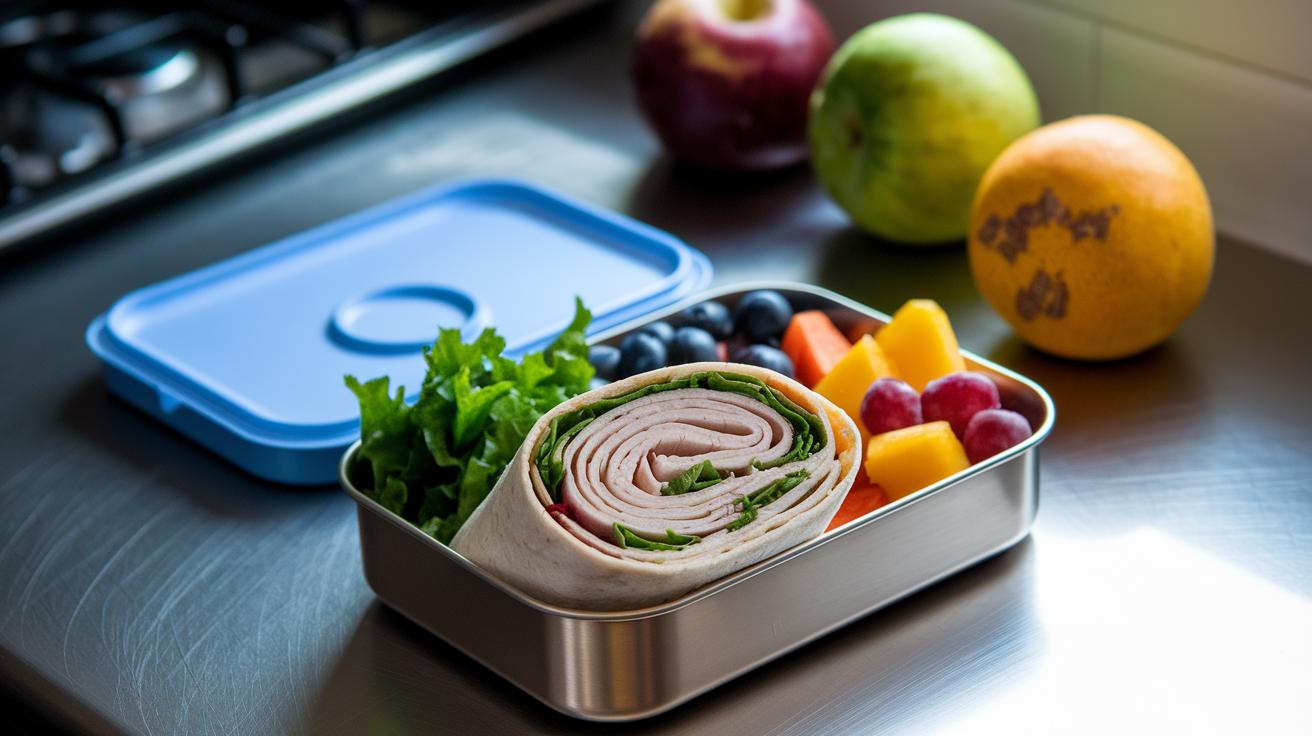
Families and students often juggle busy schedules and limited funds. But with a few easy ideas, you can enjoy meals that are both healthy and affordable. Whether you’re preparing a lunch for school or dinner for the whole family, these tips help mix things up while sticking to your budget.
Pack-and-Go Lunches
Making your own lunch is a smart way to save money and skip expensive cafeteria meals. Picture packing a lunchbox with a turkey wrap, some fresh veggies, and a little serving of fruit. Not only does this approach help your wallet, it also gives you a balanced meal to power through your day.
Affordable Snack Hacks for Students
When it comes to snacks, homemade is often best, and it’s kinder on your budget too. Simple treats like trail mix or homemade granola bars can be made at home and easily fit in a school bag. Swapping out pricey, packaged snacks for these DIY options means you can keep hunger in check without spending too much.
Simple Rotation Menus for Family Dinners
Using a few trusted recipes over and over can make dinner planning and shopping much easier. By rotating meals like veggie pasta or a hearty stew, you save money by buying ingredients in bulk and cutting down on waste. This method turns dinner time into a relaxed, affordable routine.
These strategies show that even the busiest schedules and tightest budgets can work with healthy eating. Enjoy the benefits of nutritious meals without the extra cost, and feel good knowing you’re taking simple steps toward better health.
Final Words
In the action, we explored how to balance cost and nutrition through smart food planning, frugal cooking methods, and simple meal plans. We shared clear steps like checking your pantry, buying seasonal produce, and cooking at home to stop overspending while boosting health.
Every tip aims to support healthy eating on a budget with practical approaches and easy-to-follow strategies. Embrace these ideas, enjoy the process, and feel confident about making delicious and nutritious choices every day.
FAQ
Healthy eating on a budget PDF?
The healthy eating on a budget PDF offers clear, step-by-step guidelines for planning nutritious meals without overspending, complete with shopping lists, recipes, and cost-saving tips.
Healthy eating on a budget meal plan?
The healthy eating on a budget meal plan provides balanced, affordable daily menus with easy recipes and a detailed shopping guide to help you maintain both nutrition and savings.
Healthy eating on a budget presentation?
The healthy eating on a budget presentation delivers visual insights and key strategies for cost-effective meal planning, showcasing recipes, budgeting tips, and smart grocery tactics.
Healthy eating on a budget 2022?
The healthy eating on a budget 2022 guide updates cost-saving techniques, fresh recipes, and practical tips to reduce food waste while keeping your meals nutritious and affordable.
How to eat cheap and healthy for a week?
Eating cheap and healthy for a week is possible by planning ahead, buying staples in bulk, and choosing cost-effective ingredients like seasonal produce and plain frozen vegetables.
Healthy eating on a budget for a week?
A weekly plan for healthy eating on a budget combines affordable recipes, smart meal planning, and careful grocery shopping to ensure balanced meals and savings throughout the week.
How to eat healthy on a budget and lose weight?
Eating healthy on a budget and losing weight involves portion control with calorie-conscious recipes, balanced nutrition, and smart shopping strategies that focus on affordable, whole food choices.
Eating healthy on a budget single person?
For a single person, eating healthy on a budget means creating simple meal plans, purchasing seasonal produce, and minimizing waste through targeted shopping and efficient meal prepping.
What’s the cheapest way to eat healthy?
The cheapest way to eat healthy is by planning your meals, shopping for seasonal and bulk items, using plain frozen options, and sticking to a well-prepared grocery list to avoid impulse buys.
What’s the 80/20 rule diet?
The 80/20 rule diet means eating wholesome, nutrient-rich foods 80% of the time while allowing for occasional treats, making healthy eating sustainable and flexible.
What are the 3 P’s for eating healthy on a budget?
The 3 P’s stand for planning, purchasing smartly, and prepping meals. These principles help you maintain cost-effective eating habits without sacrificing nutritional quality.
What do you do if you can’t afford to eat healthy?
If you can’t afford to eat healthy, start small by planning meals, using budget-friendly recipes, buying in bulk, and reducing waste to gradually improve nutrition without high costs.

