
Have you ever wondered if strength training can help seniors just as much as it helps younger people? Think of building muscle like stacking blocks one by one, boosting your balance and energy every day. Research shows that regular workouts can ease aches, improve how you move, and make you feel more confident. In this post, we share simple exercises and safe techniques that support both mobility and strength, proving that it’s never too late to start feeling stronger every day.
Strength Training for Seniors: Stay Fit Today
Strength training can really change your day-to-day life. It helps improve muscle strength, balance, and overall mobility, plus it can ease pain when you use the right form. When you’re just starting out, focus on the basics like bodyweight squats and the seated press. These moves help you learn proper posture and body alignment and build muscle memory for safer workouts later on. For example, imagine standing with your feet shoulder-width apart and gently bending your knees, this simple move forms the basis for many strength exercises.
It’s important to do each exercise with care. Try to keep a steady pace, engage your core, and support your joints along the way. For instance, when doing a seated press with light weights, sitting down helps keep you stable and protects your joints. A beginner workout for resistance isn’t about lifting heavy weights right away; it’s about slowly and mindfully nurturing your body.
Here are some easy starter steps:
| Step | Description |
|---|---|
| 1 | Start with low-intensity exercises using your own body weight to build confidence. |
| 2 | Focus on perfecting your form by using mirrors or simple reminders for good posture. |
| 3 | If balance is a concern, try chair-assisted variations to help steady your movements. |
| 4 | When you’re comfortable with the moves, gradually increase the weights. |
Always check your equipment to make sure it’s safe to use, like confirming machine settings and safety pins are secure. And before trying any new workout routine, it’s a good idea to talk with your doctor to tailor exercises to your own health needs.
Benefits of Strength Training for Seniors: Key Health Gains

Strength training helps seniors feel better in everyday life. It’s not just about building muscle, it brings a boost to overall wellbeing that makes daily tasks easier and more enjoyable. When you add strength work to your routine, you’re setting yourself up for better health and more confidence.
- Keep your muscles strong to support everyday movements and fight off muscle loss.
- Build stronger bones, lowering your risk of fractures.
- Improve joint flexibility so you experience less pain during common activities.
- Gain better balance and coordination to move smoother through your day.
- Boost your metabolism, which helps in maintaining a healthy weight and steady energy.
- Support heart health for a strong, steady heartbeat.
- Enhance core stability so you have a solid foundation for all your daily tasks.
These benefits aren’t just for the gym, they help you live more independently. Imagine handling your daily chores with less strain or enjoying a relaxed walk without discomfort. Strength training makes routine activities feel simpler and gives you a lasting sense of strength and vitality.
Essential Equipment for Seniors’ Strength Training
When it comes to getting stronger safely, having the right tools makes all the difference. Seniors do best with equipment that gives steady, easy-to-control resistance and can be adjusted to match their pace. It’s smart to choose gear that gently challenges your muscles while being kind to your joints. With machines set just right and lighter weights, you can build strength steadily without overdoing it. Keeping your tools simple and manageable helps you track progress and listen to what your body needs.
- Light dumbbells (5–15 lbs) ease you into muscle building without overworking your joints.
- Resistance bands provide flexible strength training and are simple to store and tweak.
- Kettlebells let you move in a fluid way, which helps with balance and smooth muscle work.
- Leg press machines offer a gentle way to work your legs, reducing stress on your knees.
- Adjustable weight machines let you control resistance for a steady, gradual workout.
- Ergonomic handles and grips keep your exercises safe and comfortable.
Top Strength Training Exercises for Seniors
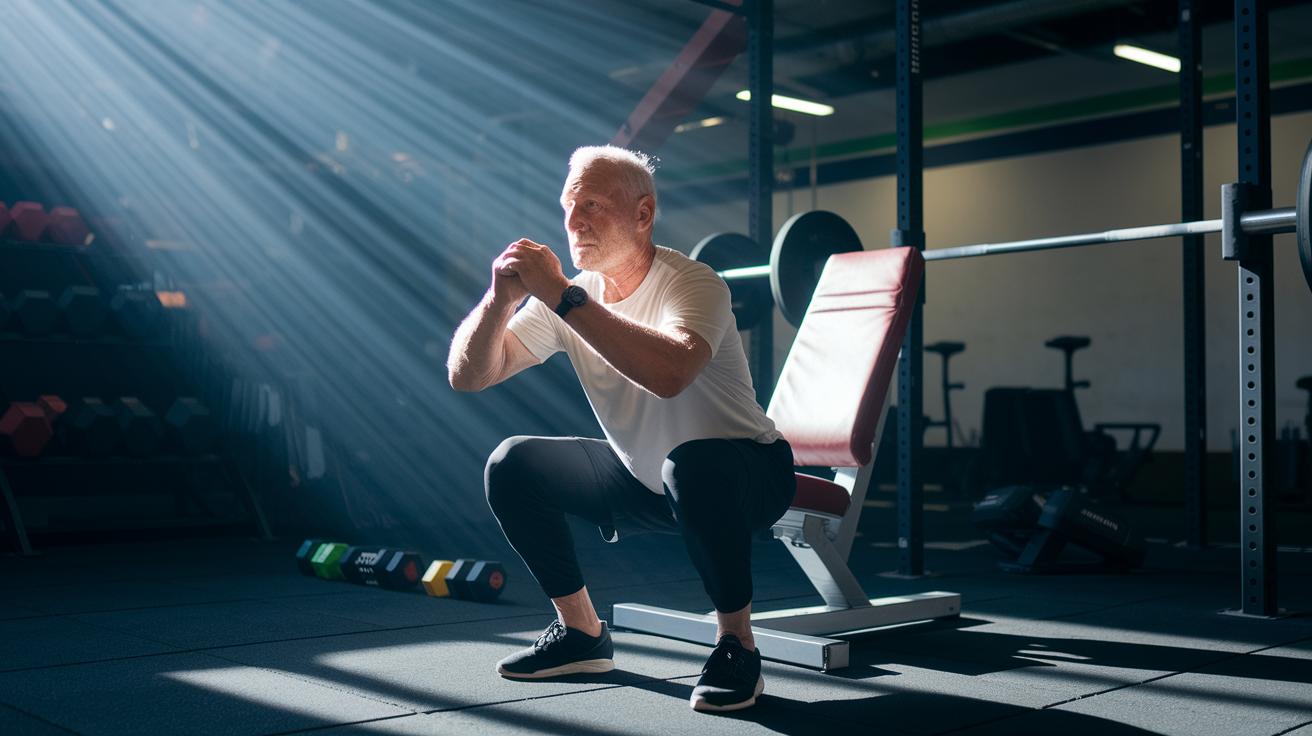
Strength training isn’t as hard as it might seem. A few well-picked exercises can build your strength, improve your balance, and help you keep moving. Think of it like tuning up your car, every movement plays its part in keeping you running smoothly.
Squat
Place the bar on your upper back, squeeze your shoulders, and move at a steady pace. Lower down until your thighs are parallel to the floor, but be sure not to lean too far forward to avoid straining your back. Fun fact: many seniors notice that even a small deepening of their squat can make everyday actions, like standing up from a chair, much easier.
Deadlift
Stand with your feet about hip-width apart while keeping the bar close to your shins. Tighten your core and hinge at your hips so your back stays straight. Use a grip that feels secure, whether you choose a double overhand or a mixed grip. This move strengthens your hip hinge and helps you keep good posture.
Bench Press
Sit on the bench with your feet flat on the floor for a stable base. Make sure your wrists line up right under the bar, and do your reps slowly to keep control. Keep your elbows at a comfortable angle to protect your joints. Starting light can build your confidence.
Overhead Press
If you’d rather sit down for extra support, find a bench that offers back support. Brace your core and push the weights straight up, stopping short of locking your elbows. This exercise works your shoulder muscles while also boosting your core strength.
Plank
Keep your spine neutral and engage your core to hold the position. Start with short intervals and gradually extend the time as you build endurance. The plank is a great way to build stamina and offers a solid base for your other strength exercises.
| Exercise | Primary Focus |
|---|---|
| Squat | Leg strength and stability |
| Deadlift | Hip hinge and back alignment |
| Bench Press | Upper body strength |
| Overhead Press | Shoulder and core stability |
| Plank | Core endurance |
| Lunges | Balance and leg coordination |
Technique and Modifications for Seniors’ Safety
Working out safely means tweaking exercises so they protect your joints and build strength without extra strain. By making small changes, you allow your body to get stronger at its own pace. For example, always check that safety pins on machines are secure and move slowly within a controlled range. A chair-assisted squat can give you extra support, letting you lower yourself gradually and stand up steadily.
Taking a moment to adjust your routine builds confidence and helps keep you independent every day. It’s smart to choose exercises that suit your pace while focusing on proper form and correct machine settings. Even if an exercise looks hard, a few modifications can make it manageable. Seated versions or shorter movement ranges can keep you active safely, reduce joint discomfort, and make your workouts fun and effective.
- Squat: Use a chair to assist with balance and support.
- Deadlift: Try a version with a reduced range by bending your knees more to ease the load on your lower back.
- Overhead Press: Switch to a seated form to keep your core steady and lessen shoulder strain.
- Leg Press: Adjust the machine settings so that a slight extension releases the weight safely.
- Bodyweight Lunges: Do static lunges while holding onto something stable for extra joint support.
Designing a Progressive Strength Plan for Seniors

A progressive strength plan is all about slowly increasing your workouts while keeping safety first. Start with simple tools like a workout diary or an app that lets you log your sets and reps. This helps you see your starting point and plan out your routine day by day, so you gradually build strength without overloading your body.
- Assessment – Begin by checking your current strength and any limitations. This way, you can choose weights and exercises that feel safe and comfortable.
- Planning – Create a weekly routine that covers all the major muscle groups. Set clear goals for each session so you know what to aim for at every step.
- Progression – Aim to boost your weight by about 5% every 2 to 4 weeks. This steady, step-by-step change helps your body grow stronger without risk.
- Recovery – Don’t forget to include days with lighter workouts or even a week of rest. Giving your muscles time to rebuild is key to staying healthy and strong.
By following these simple steps, you set up a clear and balanced plan that helps you build strength over time, just like taking one friendly step at a time.
Tracking Progress and Expert Tips for Senior Strength Training
Watching how you improve can really make a difference. When you keep track of your strength gains, you see what’s working and learn when to adjust your routine. Even simple tools can turn every workout into an opportunity to grow stronger and smarter.
- Workout journals: Write down your exercises, sets, and reps so you can celebrate small wins over time.
- Mobile apps: Use easy and friendly apps that track your progress and offer little tips for improvement.
- Simple strength tests: Try basic tests like timing how long it takes to stand up from a chair or counting your bodyweight squats.
- Expert advice: Chat with a certified trainer or follow a guided video program to perfect your form and safely push your limits.
- Online coaching: Explore digital workout programs that build muscle endurance through guided sessions.
Staying motivated is key. Celebrate every little milestone and remember that every step you take makes you a bit stronger and healthier.
Final Words
In the action: this post dives right into safe, effective strength training for seniors, sharing practical tips on proper form, smart equipment choices, and safe modifications. It breaks down beginner steps, tailored routines, and a progressive plan to build strength, balance, and vitality. The guide emphasizes checking safety and consulting a doctor before starting. With strength training for seniors as the focus, the post makes it clear that a few well-chosen moves can brighten daily routines and boost overall health. Keep moving forward and enjoy the benefits every step of the way.
FAQ
Q: What does “Strength Training for Seniors book” mean?
A: The term “Strength Training for Seniors book” means a guide offering safe exercises and modifications that help older adults build strength and maintain health.
Q: What does “Strength training for seniors YouTube” offer?
A: The phrase “Strength training for seniors YouTube” refers to video tutorials that show proper exercise techniques and modifications, making home workouts accessible.
Q: What does “Strength training for seniors PDF” refer to?
A: “Strength training for seniors PDF” describes downloadable guides that detail safe exercise routines, proper form, and tips for strength building at home.
Q: What does “Strength training for seniors over 70” involve, and is it safe?
A: “Strength training for seniors over 70” involves gentle, adapted workouts that enhance balance, strength, and overall health when performed under proper guidance.
Q: What do “Strength training for seniors at home” and “Strength training for seniors near me” imply?
A: These terms imply options for seniors to engage in strength workouts either in the comfort of their home or through local programs that offer personalized instruction.
Q: What is the Harvard PDF on “Strength and power training for older adults”?
A: The Harvard PDF on “Strength and power training for older adults” gives research-backed guidelines focused on safe, effective exercises that boost muscle performance and overall well-being.
Q: What is the best strength training for seniors?
A: The best strength training for seniors includes low-impact exercises like bodyweight squats, resistance band workouts, and modified routines that suit individual abilities.
Q: Should a 70-year-old do strength training?
A: A 70-year-old can benefit from strength training by following tailored, low-impact routines that improve muscle strength, balance, and overall quality of life.
Q: What is the 3-3-3 rule at the gym?
A: The 3-3-3 rule at the gym means performing three sets of three different exercises, which helps seniors build strength gradually while focusing on safe form.
Q: How many times a week should seniors do strength training?
A: Seniors typically do well with strength training two to three times a week, allowing time for muscle recovery and steady improvements in strength and balance.

