Have you ever wondered if your fitness tracker truly brightens your day? We dug into some of the best models made for active lives. We looked at easy-to-read screens, long-lasting batteries, and great prices to help you find the perfect match. With clear advice and real experiences, you'll discover which tracker could give your workouts a boost. Let's find the one that fits your routine and keeps you moving forward.
Top-Rated Fitness Tracker Reviews: Ultimate Comparison Table
Take a look at our mix of fitness trackers that work for every lifestyle. Whether you need a tracker with built-in GPS, a battery that lasts for days, or one that offers private health insights, we got you covered. We picked these devices by looking at their screen quality, battery life, weight, and price. This way, you can easily find one that fits your active routine.
Each tracker has its own benefits. If you’re after a budget-friendly option or a high-end device with extra features for serious workouts, the table below gives you a quick look at the details.
| Model | Display | Battery | Weight | Price |
|---|---|---|---|---|
| Amazfit Active 2 | 43 mm OLED | 10-day | 29.5 g | $85 |
| Garmin Fenix 7S Pro | 42–51 mm | Up to 11-day + solar | 58–96 g | $799 |
| Garmin Venu Sq 2 | 40 mm AMOLED | Up to 11-day | 38 g | $249 |
| Oura Ring 4 | Discreet ring | Up to 7-day | 4–6 g | $299 |
| Fitbit Charge 6 | Color touchscreen | Multi-day | Not specified | $149 |
| Apple Watch Series 10 | LTPO OLED | 18 h | 29.3–35.3 g | $429 |
| Apple Watch SE | Standard display | Core fitness | Similar to Series 10 | $249 |
| Samsung Galaxy Watch Ultra | 47 mm OLED | Up to 100 h | 60.5 g | $699 |
| Pixel Watch 3 | 41/45 mm round | Up to 24 h | 31 g | $329 |
| Whoop MG | No display | Up to 14-day | 27 g | Membership |
Our selection spans from affordable trackers for everyday use to high-end gadgets with the latest features. Compare the numbers to choose the tracker that fits your health goals and budget the best.
Fitness Tracker Performance & Accuracy Analysis
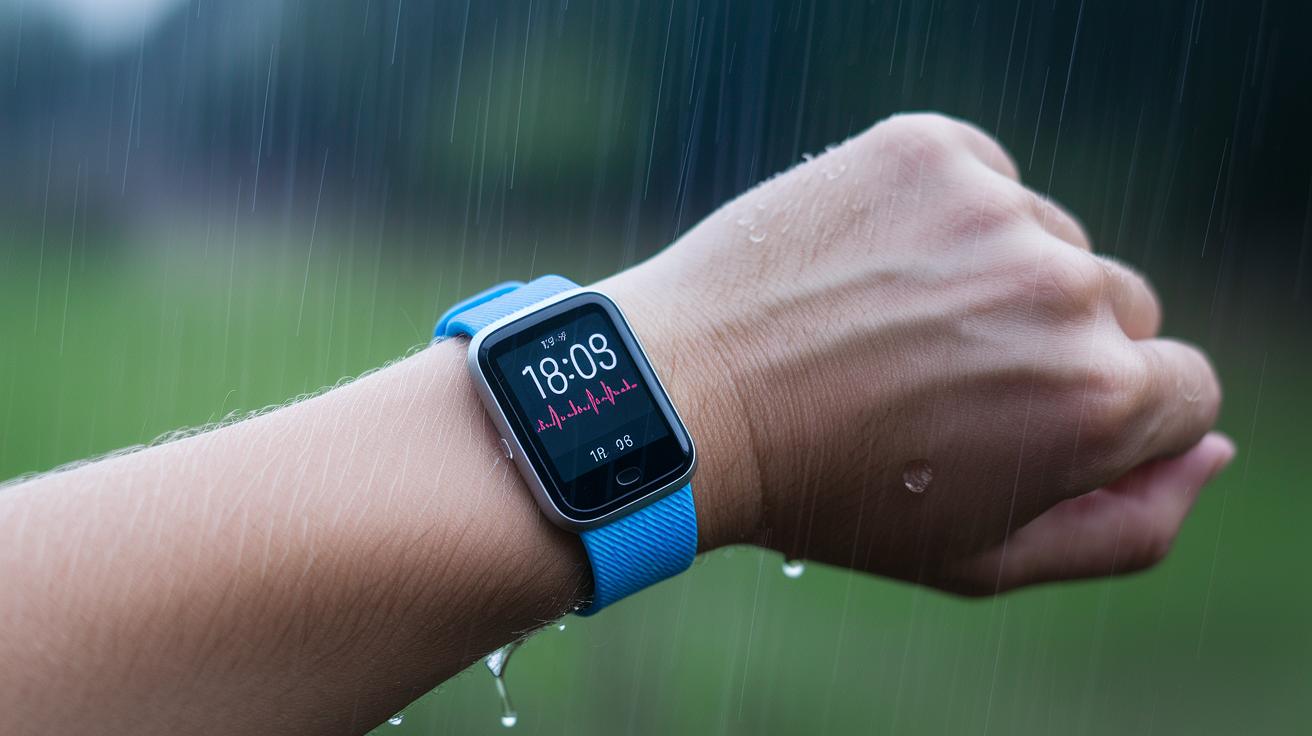
We tested these trackers in real-life conditions, during workouts, runs, and even in the water. One tester shared, "Even during a sudden downpour, my tracker never skipped a beat." This helped us see how the trackers handled sudden shifts in intensity and environment.
We also checked heart-rate accuracy by comparing Fitbit and Apple Watch to real pulse measurements. In a similar way, we looked at the Amazfit Active 2's built-in GPS next to the Fenix 7S Pro's dual-frequency system to see how each one reacted quickly to changes outdoors. One review even said it felt like having a mini coach on your wrist!
Our tests didn’t stop there. We dug into health and sleep metrics too. The Oura Ring 4, with its smart algorithms, tracked sleep very well, while the Venu Sq 2 offered clear SpO₂ and VO₂ Max readings. We even measured running power on the Polar Pacer Pro during sprint sessions, which really showed its prowess in sports tracking.
In short, all these devices performed reliably across a range of workouts and everyday conditions. It turns out that advanced sensors combined with real-world testing lead to trustworthy activity tracking results.
Fitness Tracker Battery Life Insights
When choosing a fitness tracker, the battery life is one of the most important things to consider. Real-life tests show that battery performance can vary a lot from one model to another. Some devices may only last a day, whereas others can run for weeks. Our guide helps you understand what to expect based on how you use and charge your tracker.
- Apple Watch Series 10: About 18 hours
- Withings ScanWatch Light: Up to 39 days
- Amazfit Active 2: Around 10 days
- Garmin Fenix 7S Pro: Roughly 11 days, and up to 14 days if you use the solar charging feature
- Oura Ring 4: A week (7 days)
- Garmin Venu Sq 2: About 11 days
- Samsung Galaxy Watch Ultra: Up to 100 hours
Many devices power up fast. For example, rings usually take 1 to 2 hours to fully charge, and watches typically need about 1.5 hours. This quick recharge means you spend less time plugged in and more time enjoying your active lifestyle.
Fitness Tracker Design & Durability Reviews
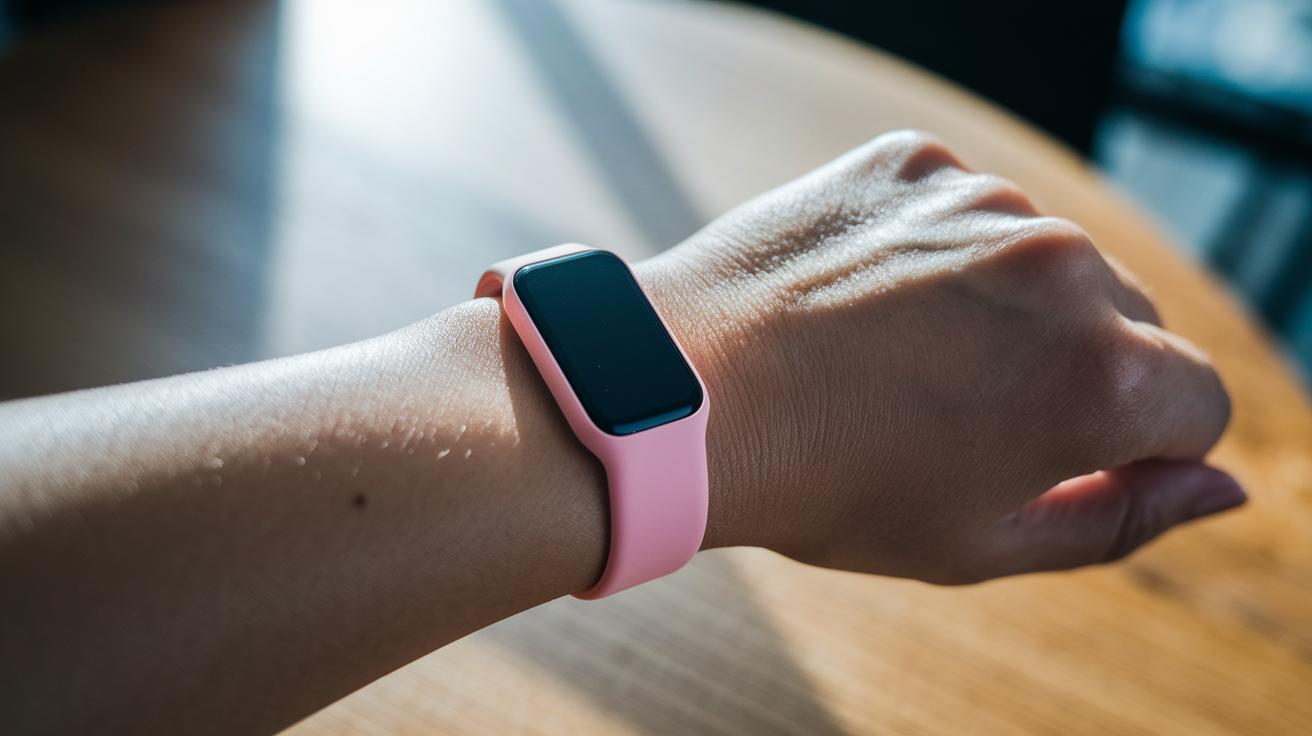
When it comes to fitness trackers, what they’re made of and how they’re built really matters for everyday wear and long-lasting use. You can choose from designs that look like fancy jewelry or from strong, sporty styles made to handle daily activities and outdoor adventures.
Water Resistance & Ratings
If you like being in the water, check out the water resistance ratings. For example, the Fitbit Charge 6 comes with a rating of 5 ATM, so it’s perfect for swimming and light water sports. On the other hand, the Samsung Galaxy Watch Ultra boasts a 10 ATM rating along with an IP68 seal, which means it can handle tougher water activities. This kind of protection is great for anyone who loves intense water sports or outdoor workouts, knowing that their tracker keeps working even when it gets wet from sweat or splashes.
Band Materials & Comfort
Comfort is key when you wear your tracker every day. Many trackers now let you choose between silicone, fabric, and leather bands, so you can pick one that suits your style and needs. Take the Oura Ring, for instance: it has a titanium shell and weighs only 4–6 grams, making it so light you hardly notice it on your finger. Other models, like the Galaxy Ultra made with stainless steel and the Venu Sq 2 with aluminum, focus on durability without losing a sleek style.
These thoughtful design details help you feel comfortable and confident no matter what activity you’re doing.
Fitness Tracker Price & Value Evaluations
Fitness trackers come in different price ranges, each offering a unique mix of features and performance. You can match your needs to your budget, whether you're after simple tracking with long battery life or advanced sensors that give you a deeper look at your activity. It's all about finding what fits best with your lifestyle.
If you're watching your spending, there are plenty of budget-friendly options. For example, the Amazfit Active 2 is around $85, the Fitbit Inspire 3 comes in at $99.95, and the Galaxy Fit3 is about $55.74. These devices focus on the essentials, offering reliable battery life and basic tracking without all the extra bells and whistles. Pretty cool, right? Even a budget tracker can easily keep up with daily routines.
In the midrange bracket of $100 to $300, you'll find trackers like the Apple Watch SE for $249, the Samsung Galaxy Watch FE for $249.99, and the Polar Pacer Pro for $199.95. These models serve up a balanced mix of clear displays, more accurate sensors, and better connectivity with apps, all set to give you a smoother, more detailed tracking experience.
If you're ready to splurge a little, premium options bring extra style and advanced features to the table. Consider models like the Oura Ring 4 at $299, Ultrahuman Ring Air at $349, Garmin Vivoactive 5 at $299.99, or Garmin Lily 2 at $219.99. These trackers offer extra polish and high-end tracking capabilities that really take your fitness monitoring to the next level.
All in all, these selections provide great value for your money. They’re designed to match your performance needs, with long battery life and cutting-edge sensors that deliver clear, everyday insights.
Fitness Tracker App & Ecosystem Connectivity
The apps behind your fitness device are more than just add-ons, they help you understand your health in a fun and easy way. The Fitbit App lets you customize your dashboard and join friendly challenges, which makes keeping track of your progress a social adventure. Garmin Connect gives you live updates and lots of detailed numbers, while Apple Health gathers your data from different gadgets into one simple story. Samsung Health zeroes in on how your body is working and offers sleep tips, and the Oura App shows a clear readiness score along with easy-to-read trends. One user even said that checking her daily steps on Fitbit felt like flipping through a simple, personal health diary.
These devices stay in touch with you and each other in smart ways. Most of them use Bluetooth LE to sync day by day. Some, like the Pixel Watch 3, even use LTE so you stay connected without your phone. High-end models can also use Wi-Fi for quick updates. Imagine tapping your Pixel Watch 3 and having it unlock your phone, it’s as easy as saying, “I’m good to go!”
All these connections work together smoothly. By blending live updates and organized data, your fitness tracker becomes a helpful partner in both your daily routine and your overall health management.
Final Words
In the action, we explored top-rated devices through fitness tracker reviews, comparing design details, battery insights, performance accuracy, and price evaluations across models. We broke down each feature, from heart-rate precision to durable builds and connected app ecosystems, that helps guide smart buying. The article turns complex specs into clear, everyday insights, so readers can confidently choose the tracker that fits their needs. Stay positive and proactive about your health, and enjoy making data-informed decisions daily.
FAQ
What are the best fitness tracker reviews?
The best fitness tracker reviews cover multiple models that excel in design, accuracy, battery life, and connectivity. They provide clear comparisons to help you choose the right device for your needs.
What does the most accurate fitness tracker offer?
The most accurate fitness tracker offers precise heart-rate monitoring, GPS, and sleep tracking. It reliably measures your workouts and health metrics, ensuring you get consistent and trustworthy data.
What do Fitbit fitness tracker reviews say, including the Charge 6?
Fitbit fitness tracker reviews, including the Charge 6, highlight features like touchscreen displays, built-in GPS, and long battery life. These models deliver user-friendly data and proven performance for everyday activity tracking.
What is the best fitness watch for Android?
The best fitness watch for Android provides seamless app integration, robust tracking features, and a comfortable design. It works easily with Android devices, allowing you to monitor your health accurately while on the move.
What makes Garmin fitness trackers like the Venu 3, Forerunner 265, Vivoactive 5, and vivosmart 5 stand out?
Garmin fitness trackers, such as Venu 3, Forerunner 265, Vivoactive 5, and vivosmart 5, deliver excellent sensor accuracy, versatile sports modes, and long battery life. They offer detailed insights that support an active lifestyle.
What does the WHOOP fitness tracker measure?
The WHOOP fitness tracker measures recovery, strain, and sleep by continuously monitoring your body without a display. It provides in-depth health insights that appeal to athletes and those focused on recovery.
What is the best budget or affordable fitness tracker?
The best budget fitness tracker delivers essential features like activity, sleep, and heart-rate tracking at a low cost. It provides reliable performance for everyday use without breaking the bank.
Which fitness tracker is most accurate?
The fitness tracker with the highest accuracy consistently measures heart-rate, GPS, and sleep patterns. Independent tests show that top models deliver reliable data critical for monitoring your fitness and well-being.
What fitness tracker does AARP recommend?
AARP recommends fitness trackers that are easy to use, reliable, and offer clear displays. These devices focus on core tracking features, making them accessible for users seeking simple and effective health monitoring.
Which is better: a smart watch or a fitness tracker?
A smart watch offers extra features like apps and notifications, while a fitness tracker focuses on essential health metrics. The best option depends on whether you want added functionality or simple health tracking.

