
Ever wonder if a tiny change in your heart rate might hint at a bigger health concern? There’s a smart way to look at your everyday numbers, like blood pressure and temperature, to see patterns that help doctors plan ahead. This method, called predictive analytics [using data to make educated guesses about the future], is like getting a sneak peek at your own health story. In a world where every reading counts, even small changes can lead to major breakthroughs in patient care.
How Predictive Analytics Using Health Metrics Forecasts Patient Outcomes
Predictive analytics using health metrics looks at both past records and current data to help foresee how patients might do in the future. It checks things like vital signs, lab tests, basic info like age, and even whether patients stick to their treatment plans. For instance, one model might warn about a higher chance of hospital visits if someone is older, has chronic conditions, or isn’t taking their medication as prescribed. Imagine tracking a patient’s heart rate and blood pressure over time. If these numbers go past normal limits, the system flags a potential risk for heart issues.
These tools help doctors create a roadmap for care, from initial diagnosis to treatment and follow-up. They don’t just predict sudden emergencies. Instead, they deliver a personalized outlook, letting doctors notice small changes in a patient’s condition early on. Take a diabetic patient using a wearable glucose monitor: it keeps an eye on blood sugar all day long, so if the levels suddenly drop or spike, the doctor can step in quickly.
Risk prediction tools pull in a mix of health data to give clear, actionable insights in minutes. For example, by looking at lab results and past health habits, a model can warn that a patient might face a crisis even before any symptoms show up. Picture it like this: if sensor data picks up tiny shifts in breathing, an alert tells the healthcare team to take a closer look, just as you might act on the first hints of a coming storm.
These predictive techniques are making a real difference in healthcare. By reducing hospital visits and guiding better decision-making, every data point, even something as simple as a temperature reading, helps build a bigger picture. This smart, proactive approach means patients at risk get the care they need faster, keeping their health on track.
Key Health Metrics Driving Predictive Analytics Models
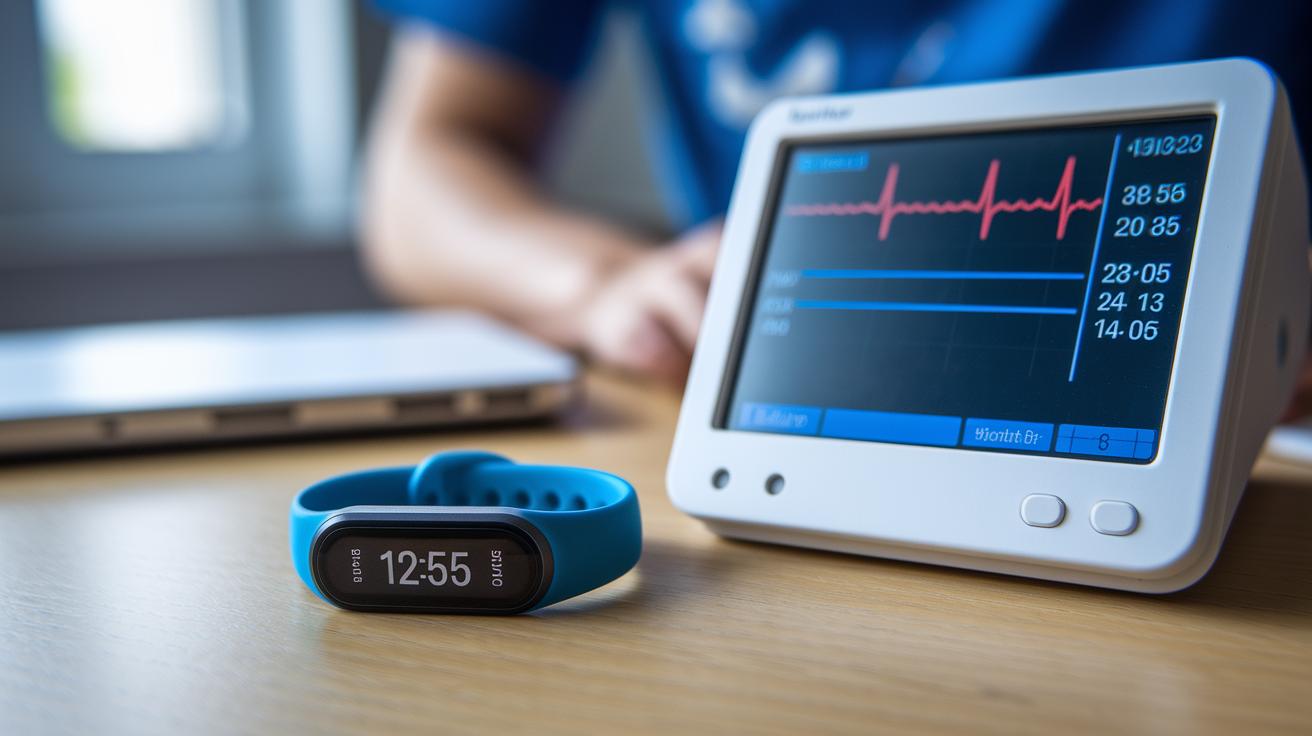
When we mix data from clinical monitors and wearables, we face the challenge of getting every value to match up perfectly. Vital signs like heart rate and lab tests like blood glucose go through smart data pipelines that use smoothing filters and automatic calibration. For example, a moving window filter can smooth a one-minute heart rate record to show clear trends that might be hidden by sudden spikes.
New sensor calibration methods are making data more reliable in real time. In plain terms, these techniques convert raw signals into common units using simple steps like data transformation and normalization. This helps ensure that a fitness tracker's reading is as trustworthy as a clinical test.
| Data Integration Method | Challenge | Recent Innovation |
|---|---|---|
| Smoothing Algorithms | Noise in sensor signals | Real-time moving averages |
| Data Standardization | Aligning diverse measurements | Automated calibration procedures |
Today’s streamlined data pipelines combine clinical and wearable inputs by running consistency checks and applying correction factors. For instance, a simple data transformation might adjust glucose readings from a wearable so they match lab values, ensuring every trend is both clear and reliable.
Integrating Health Metrics Data Sources for Predictive Analytics
Patient information comes from places like electronic medical records, insurance claims, clinical studies, trials, and even wearable devices. Every source provides useful clues about a person’s health, but mixing them can be tricky because they often live in separate pockets and follow different rules. By using smart ways to combine this data, healthcare teams can see the full picture and use predictions that are more reliable.
Everyday devices such as fitness trackers and continuous glucose monitors stream live data about what’s happening right now. When you blend this real-time info with clinical records from hospitals, you get a much clearer view of a patient’s overall health. Imagine a wearable device’s activity details perfectly complementing hospital records, that’s how you build a broader, more accurate story.
Platforms that work like Apache Kafka help by continuously gathering, cleaning, and transforming raw data. This means less waiting around and more timely predictions. When these methods align different data sources and keep everything intact during the switch, even huge datasets become more accurate and trustworthy.
Generative AI can step in to make the process even better. By creating realistic clinical images and text, it fills in missing pieces and gives every patient profile more depth. Making everything work smoothly often means matching up formats and standards across all systems. For example, look at the table below to see how different data sources come together:
| Data Source | Key Feature | Integration Challenge |
|---|---|---|
| EHRs | Detailed patient history | Data silos, system compatibility |
| Wearables | Real-time metrics | Inconsistent data standards |
All in all, these integration techniques help healthcare systems connect various data points, support on-the-spot health monitoring, and power predictions that can better meet patient needs.
Statistical and Machine Learning Techniques for Predictive Analytics Using Health Metrics

In healthcare, we use a mix of old-school stats and modern machine learning to predict health trends. Simple methods like linear and logistic regression, survival analysis, and time-series forecasting help us see patterns, like how a steady increase in blood pressure might hint at heart troubles. These techniques turn complex numbers into everyday insights.
Then there are machine learning tools like random forests, support vector machines, and gradient boosting. They work with huge amounts of data, say, information from continuous sensors tracking your health, to find patterns that simpler methods might miss. Imagine checking your continuous glucose monitor and noticing small changes that add up over time; these tools can alert you before things get critical.
Deep learning, with neural networks at its core, takes it one step further by spotting tricky, non-linear relationships in big, multi-layered datasets. This approach helps build real-time risk assessments. For example, a neural network might combine details like age, test results, and existing health issues to give a prediction that updates as new data comes in.
Mixing in AI-driven diagnostics makes the whole system even smarter. By automating how risks are sorted and even suggesting possible treatments, these tools turn raw health metrics into clear, actionable steps for care. It’s all about using every bit of data, even the small stuff, to create a reliable picture of what’s going on with your health.
Case Studies in Predictive Analytics Using Health Metrics
The Michigan Bariatric Surgery Collaborative relies on a smart, registry-based calculator to spot complications during and after surgery. For example, before a routine procedure, the predictive model picked up on risk factors, which helped doctors tweak the treatment plan and lead to smoother recoveries.
Across many healthcare settings, similar models help flag patients at risk for heart issues. These tools look at everyday factors like a patient’s age, past medical history, and other health conditions. In one instance, the model correctly warned that patients with certain risk profiles might face heart-related events, prompting early care that kept emergencies at bay.
Sensor data is another game changer. Hospitals now use sensor analytics to foresee maintenance needs for devices like MRIs, which means less downtime. In one case, a timely alert acted much like a gentle reminder for technicians. This prompt allowed them to perform routine checks before a major breakdown could happen, ensuring patients received continuous care.
Digital symptom trackers also make a big difference. For diabetics using continuous glucose monitors, real-time alerts let healthcare providers know when blood sugar levels start to move away from the normal range. By acting early, they can stop problems before they get serious. And on the administrative side, fraud detection systems keep an eye on billing anomalies, sending alerts when unusual patterns pop up. This helps protect the financial health of the organization.
All these examples show how different types of data, from surgery outcome predictors and heart risk models to sensor analytics and digital trackers, offer practical insights. They not only improve the quality of care but also reduce operational hiccups and support better financial oversight across the healthcare system.
Implementation Strategies for Predictive Analytics Using Health Metrics in Healthcare Settings

One smart move is to embed analytic models directly into the electronic medical records systems that hospitals already rely on. When you add these models using tools like SDKs or iframes, everything fits smoothly into the existing clinical setup. This easy integration helps teams access important predictive insights during daily care without skipping a beat.
Another key part is strong data governance. It means setting up clear frameworks that meet HIPAA rules while protecting patient information at every turn. For example, if a hospital commits to regular security audits and uses role-based access controls, it not only follows the rules but also builds trust among its staff.
Training also plays a huge role. Clinicians need to understand what the predictions mean, such as signals for a higher chance of hospital stays or early hints of a worsening chronic condition. Imagine a doctor receiving an alert that a patient’s lab results might point to a problem, it’s crucial to have clear guidelines so they can make quick, informed decisions.
Equally important is setting up feedback loops. It helps when there's a way for clinicians to share what happens in real life with the system. This kind of feedback makes it easier to fine-tune the algorithms and keep them relevant. Consider these practical steps:
- Embed analytics into EMR systems using adaptable SDKs or iframes.
- Build a strong data governance framework.
- Train clinicians to understand and act on predictive alerts.
- Set up channels for feedback to adjust the models over time.
Using these strategies, healthcare organizations can sharpen their decision-making, improve care predictions, and support clinical decisions with smart digital health tools.
Benefits and Challenges of Predictive Analytics Using Health Metrics
Predictive analytics using health data can really change the game in healthcare by spotting risks early and guiding better treatments. For example, a small alert from a patient's device, like a slight change in heart rate (the number of beats per minute) or temperature, can signal that a treatment tweak is needed before a condition worsens.
It also means care can be more personal, with treatments designed just for you. Hospitals might save money too by using these insights to manage staff and resources better. Imagine a hospital that adjusts its appointment schedule based on what the data shows; not only does this help patients get seen faster, but it also makes everything run more smoothly.
On the other hand, there are still hurdles. Sometimes data gets trapped in separate systems, making it hard to share and use effectively. Data often comes in many different formats, which can complicate the process of putting it all together. The models might even be biased if they don’t capture the full range of patient experiences, which can weaken risk management. And let’s not forget privacy, sensitive health records mean extra caution is needed. Plus, some clinicians might resist using new tools, slowing down how quickly these benefits can be enjoyed.
Key points to consider:
- Early alerts can save lives by catching risks sooner.
- Cost savings lead to better care and more efficient operations.
- Issues like data silos and privacy need ongoing attention.
Predictive analytics is making strides, especially as more high-quality, clearly labeled data becomes available. With this progress and increased transparency in algorithms, healthcare teams are finding better ways to balance its big benefits with the real challenges.
Final Words
In the action, predictive analytics using health metrics are giving providers real-time insight into patient outcomes. Our discussion examined vital health indicators and data sources like wearables and electronic records that shape accurate forecasting. We broke down methods, from basic statistics to machine learning, to explain how these models help predict risks and personalize care. Small case studies showed how combining diverse data can lead to smarter, proactive health management. Embracing these advances means stepping toward a future where better daily vitality is within everyone's reach.
FAQ
Q: What examples demonstrate predictive analytics in healthcare and the use of health metrics?
A: The predictive analytics examples showcase how real-time and historical health data—like vital signs and lab results—forecast patient outcomes by anticipating risks and guiding personalized interventions through routine or remote monitoring.
Q: What insights do predictive analytics research papers and PDFs from 2022 provide?
A: The predictive analytics research papers and PDFs offer detailed insights on how current models use health metrics data for predicting hospitalizations and treatment responses. Recent 2022 examples highlight innovative methods and improved accuracy using updated patient data.
Q: How does AI impact predictive analytics in healthcare?
A: The AI predictive analytics in healthcare applies machine learning and deep learning models to analyze vast health metrics rapidly, delivering automated risk stratification and timely care recommendations that support clinical decision-making.
Q: What benefits does predictive analytics bring to healthcare?
A: The benefits of predictive analytics in healthcare include early risk detection and personalized interventions. These lead to optimized resource allocation, improved care quality, and efficient workflows that reduce wait times and adverse events.

