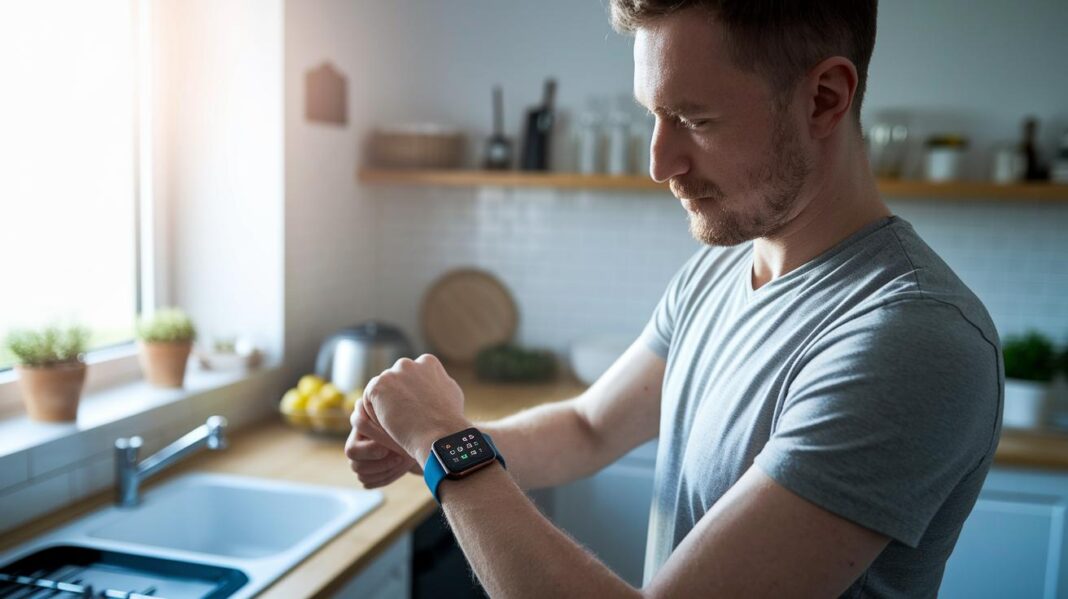
Have you ever wondered if the smartwatch on your wrist could know more about your health than your doctor? Today's wearable tech is keeping an eye on your well-being by tracking your heart rate, sleep, and daily activity. It’s like having a tiny health coach with you all the time.
Imagine getting simple tips and clear data right when you need them. This little device not only tells you how your heart is doing and how well you sleep, but it also nudges you to make small, healthy changes in your day.
In this article, we'll take a closer look at these handy gadgets and show you how they can help boost your everyday wellness.
Wearable Tech for Health Metrics: An Overview
Wearable devices are really changing the way we keep an eye on our health. These nifty gadgets help us track things like heart rate (the number of heartbeats per minute), sleep quality, how active we are, and even our oxygen levels in real time. It’s like having a personal health coach on your wrist, giving you gentle reminders to look after yourself.
Smart fitness trackers and biometric monitors aren’t just for athletes, they’re tools that everyday people and doctors both rely on for smart health choices. Experts predict that the global market for these healthcare wearables could hit $69.2 billion by 2028. That tells us just how important these devices are becoming for managing our wellness, even from a distance.
Think about popular gadgets such as blood pressure monitors, glucose monitors like the Abbott Freestyle Libre 2, and ECG monitors that come with smartwatches like the Apple Watch or KardiaMobile. There are also smart activewear and fitness trackers that constantly update you on your physical activity. Some of these devices, like the Wahoo run tracker, have super long battery lives and can run for almost a year, making sure you’re always connected to your personal health data.
At the heart of all this cool technology is the ability to collect and share your health data securely. This means your information is safely sent to platforms that can turn all those numbers into useful advice. Even if you’re feeling great, a small change in your heart rate data might be a sign to tweak your daily routine for a healthier lifestyle. This blend of continuous tracking and secure data sharing is really setting a fresh new standard for looking after ourselves.
Key Health Metrics Tracked by Wearable Tech
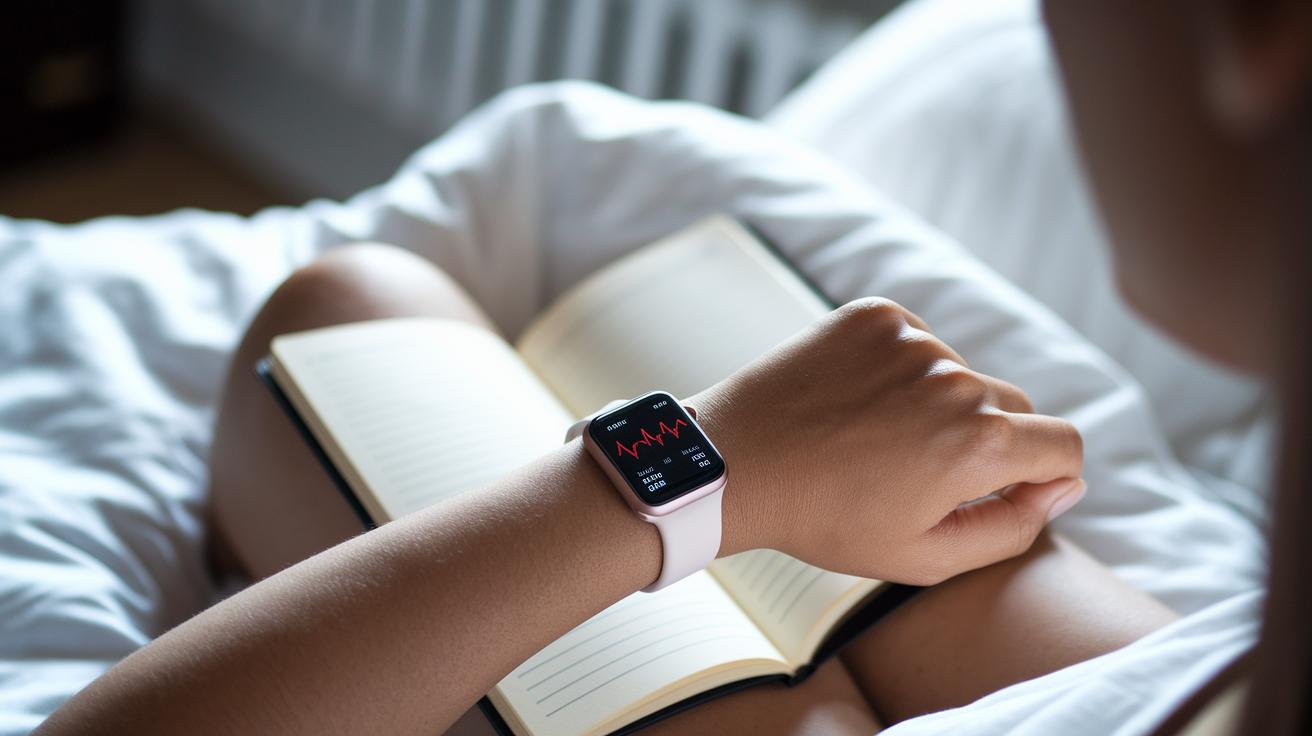
When you wear your tech, it quietly gathers important health details so you can feel on top of your day. Most devices keep track of your heart rate in two ways. One method uses a small light that shines on your skin to notice changes in blood flow, while another picks up the electrical signals your heart sends out. This combo gives you a deeper look at your heart's work, even if the numbers aren't always spot on.
Sleep tracking is another important aspect. Your device watches over different sleep stages, such as REM, deep, and light sleep, to help you understand how well you rested. Imagine a gentle reminder saying, "You spent most of your night in deep sleep, which is great!" That kind of insight can nudge you to refine your bedtime routine for even better recovery.
Your daily movements also get attention. Sensors like accelerometers and gyroscopes count your steps, measure the distance you travel, and gauge how hard you’re moving. This turns everyday actions into simple numbers to follow. Some gadgets even check your oxygen levels using pulse oximetry, which is just a smart way to measure how much oxygen is in your blood, and watch your breathing patterns, though sometimes the results might vary a bit.
| Metric | Sensor Type | Common Device Example |
|---|---|---|
| Heart Rate | Optical sensors, ECG modules | Apple Watch |
| Sleep Stages | Sleep modules | Fitbit |
| Activity Levels | Accelerometers, Gyroscopes | Garmin Tracker |
| Oxygen Saturation | Pulse oximetry sensors | Garmin, Fitbit |
Data Analytics and Integration for Wearable Health Metrics
Wearable devices collect raw sensor data from your heart rate monitors, sleep trackers, and activity sensors. The data is quickly turned into actionable insights by smart algorithms that blend details from your heart rate, movements, and sleep patterns. Imagine your device combining your step count with sleep quality data and quietly suggesting small tweaks to help you stay steady throughout your day.
Integration with Mobile Wellness Apps
Your wearable's data is securely synced with mobile wellness apps using APIs and cloud-based storage. This means your information is safely stored and ready for you to check anytime. Picture getting a message in your app that says, "After your morning run, your heart rate recovery was right on track." This seamless syncing keeps your biometric information accessible and protected, so you can even share it with your healthcare provider when needed.
Machine Learning for Personalized Insights
Over time, machine learning models learn the patterns in your daily activities. They study how you move, your heart rate, and your sleep cycles to spot potential issues before they become problems. For example, if the system notices a steady rise in your heart rate while you sleep, it might suggest a simple relaxation technique for a better night’s rest. And with your regular feedback, these insights keep getting more personalized and in tune with your unique routine.
Health Benefits of Wearable Tech for Health Metrics
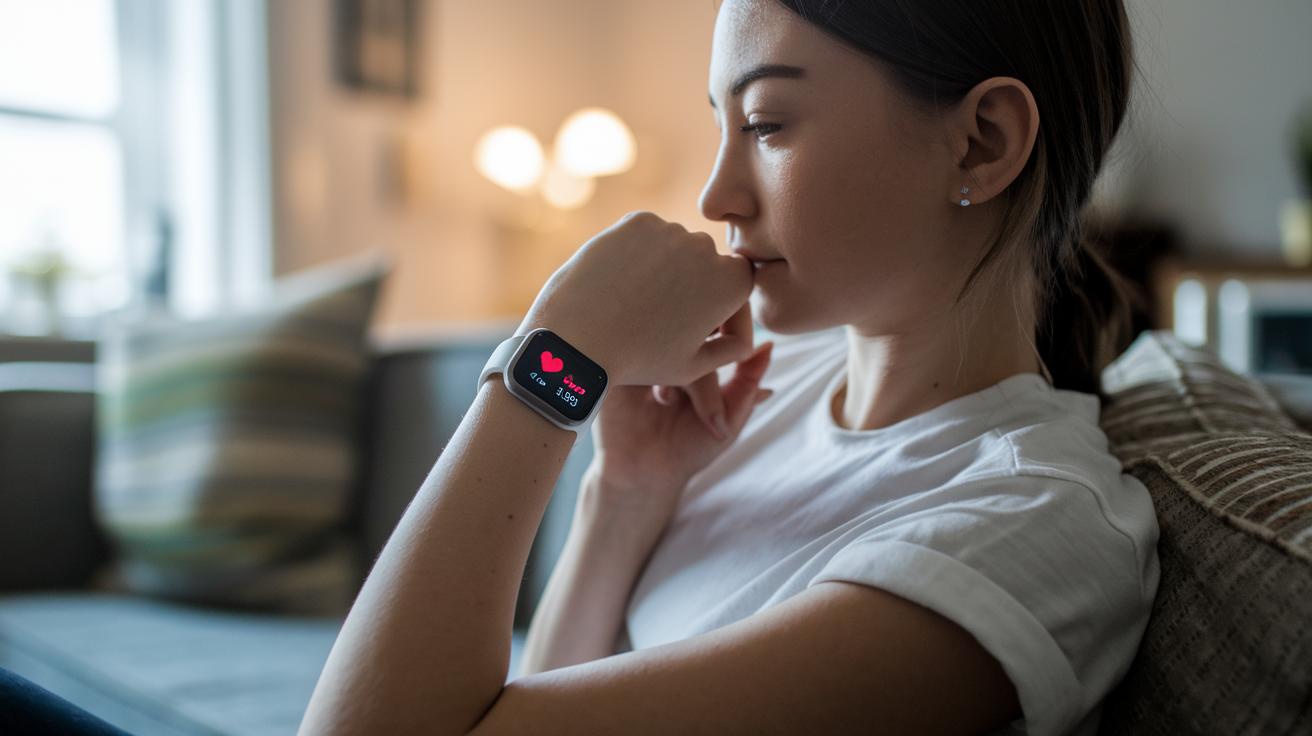
Wearable tech gives you a simple way to track your everyday health details. These smart devices keep tabs on your heartbeat, sleep, and activity levels, so they can notice little changes, like an irregular heartbeat, before they become big problems. When something feels off, they alert you so you can adjust your routine and feel more at ease.
If you're managing a condition like high blood pressure or diabetes, wearables can be really helpful. They send you constant updates that let you see trends over time, making it easier to fine-tune your fitness plan. Plus, by spotting issues early, they can help lower your overall healthcare costs through preventive care.
Key benefits include:
- Catching early signs of issues like irregular heartbeats
- Supporting chronic condition management (see "hypertension self-care" at https://healthyfax.com?p=2053)
- Keeping you engaged with real-time feedback
- Allowing personalized adjustments to your fitness plan
- Reducing healthcare costs by addressing problems before they escalate
Challenges in Using Wearable Tech for Health Metrics
Wearable gadgets help us keep tabs on our health, but they come with their own set of hurdles. One issue is that sensor readings can sometimes be off. For example, your device might show a heart rate that's different from what you’d expect, leaving you unsure if everything’s okay. Even sleep tracking or activity counts can go awry, like when your tracker claims you had a restless night even though you felt totally refreshed.
Privacy is another major concern. These devices collect personal information such as your location and body data. If that information ends up with the wrong people, things can get risky. Imagine getting constant alerts about minor changes, it might start to feel more invasive than helpful, kind of like being told to move every few minutes until it becomes overwhelming.
Plus, there’s the worry about leaning too much on the numbers. When you rely heavily on these readings, you might begin to ignore how your body truly feels. Sometimes, the push to hit specific numbers can add unnecessary stress instead of helping you relax and feel balanced. All in all, the mix of sensor hiccups, privacy worries, and extra pressure from constant data makes using wearable tech for health a bit complicated.
Future Innovations in Wearable Tech for Health Metrics
New wearable gadgets are getting smarter, thanks to fresh sensors that track your daily well-being around the clock. These devices gather information from your heart rate, movement, and even your surroundings to offer a fuller picture of your health. Soon, sensor networks will work together, letting doctors check on you from afar and improve how health data is shared. And with better batteries and energy-harvesting tricks, these wearables might work non-stop for up to a year without a recharge.
Context-Aware Sensor Fusion
This smart sensor fusion mixes different streams of data to create accurate health profiles. Think of a device that doesn’t just count your steps or measure your pulse, it also notes things like the room temperature and how bright it is. That extra info helps fine-tune the advice you get about your daily habits and how you're feeling. In the end, you get a clear look at your overall wellness, thanks to sensor breakthroughs that focus on real-life benefits.
AI-Driven Predictive Monitoring
Machine learning is changing the game in health by spotting issues before they turn serious. These AI tools dig into raw sensor data, picking up on trends like unusual heartbeats or sudden drops in activity. With these smart alerts, you can easily take small steps to stay on top of your health. It's like having a friendly, high-tech assistant looking out for you every day.
Final Words
In the action, wearable technology has shown how tracking metrics like heart rate, sleep quality, and activity levels offers clear insights into our health. The article covered smart devices that deliver actionable data, how apps and machine learning refine these readings, and the benefits along with current challenges of using wearable tech for health metrics. With a growing market and promising innovations on the horizon, we're stepping into a future where making data-informed choices leads to a more energetic, well-managed life.
FAQ
Using wearable tech for health metrics examples
The wearable tech examples include devices like ECG monitors, blood pressure trackers, glucose monitors, and fitness trackers that measure heart rate, sleep patterns, activity levels, and oxygen saturation.
Top wearable health devices
The top wearable health devices are those that combine accurate sensors with smart connectivity, such as Apple’s ECG-enabled watches, Abbott’s glucose monitors, and advanced fitness trackers that deliver real-time health metrics.
Using wearable tech for health metrics 2021
The wearable tech used in 2021 delivered basic heart rate, sleep, and activity monitoring, with devices integrating with mobile apps to provide users with actionable insights for early health anomaly detection.
Using wearable tech for health metrics 2022
The wearable tech in 2022 advanced accuracy and battery life, featuring enhanced sensors for blood pressure, oxygen levels, and ECG readings, along with improved integration for secure, continuous monitoring.
Benefits of wearable technology in healthcare
The wearable technology improves healthcare by continuously tracking health metrics, detecting early anomalies, supporting chronic disease management, tailoring fitness plans, and potentially reducing overall healthcare costs.
Wearable technology in healthcare examples
The wearable technology examples in healthcare include smartwatches that monitor ECG activity, glucose sensors like the Abbott Freestyle Libre 2, and fitness trackers that comprehensively record steps, sleep quality, and heart rate.
Future of wearable technology in healthcare
The future of wearable tech in healthcare is set to combine AI-driven predictive monitoring, context-aware sensor fusion, energy-harvesting innovations, and enhanced remote diagnostics for more precise and proactive health monitoring.
Disadvantages of wearable technology in healthcare
The wearable technology may face drawbacks such as privacy concerns over sensitive data, variable sensor accuracy, potential user stress from constant notifications, and a risk of over-dependence on device outputs.

