
Have you ever thought about how checking your health stats could brighten your day? Nearly 70% of adults keep an eye on things like steps and heart rate to make smarter daily choices.
When you track these key numbers, you get a clear look at your overall health, kind of like following a simple map to make better decisions. It shows you small changes you could make and even helps spot early signs of problems.
By watching your vital stats, you're setting yourself up for a healthier and more confident future.
Health Metrics Monitoring: Benefits for Wellness, Early Detection, and Optimization
Monitoring your health metrics gives you a clear look into your everyday well-being. About 69% of U.S. adults now track things like steps, heart rate, sleep quality, and hydration. It’s a simple way to keep an eye on your health. Watching numbers like your VO₂ max (a measure of how well your body uses oxygen), weight, and calories helps you set clear goals and stay on track. Real-time dashboards from wearables and apps turn those raw numbers into easy tips on food, exercise, and recovery. Imagine that a small tweak in how you track your calories could lead to big changes in your weight over time.
Keeping an eye on important health signs also helps you catch problems early. Regularly checking your blood pressure, ECG (which shows your heart’s electrical signals), and glucose levels can reveal hidden issues before they get serious. For example, high blood pressure can raise your risk for heart disease and stroke. By tracking these trends, you can spot potential issues sooner. Continuous heart rate and ECG monitoring, as seen with cardiac remote monitoring, gives doctors timely data that might lead to preventative care.
Using smart tracking tools makes it easier to decide on the best fitness moves and improve your overall health. Health apps that record your daily numbers let you stay ahead of any changes. And when you connect these tools with your healthcare team, such as through integrated symptom tracking with telehealth, you get a smooth, personalized care plan. This mix of continual data and expert advice not only boosts your daily habits but also supports your long-term health and wellness strategies.
Key Health Metrics to Track for Preventive Measurement

Keeping track of simple health numbers helps you see how your body is working day by day. When you monitor things like blood pressure, resting heart rate, fasting glucose, sleep quality, and BMI, you can spot small changes early. For example, blood pressure shows how hard your heart is working, which can hint at heart issues. Your resting heart rate can reveal your overall fitness and stress levels. Keeping an eye on fasting glucose is a smart way to manage your blood sugar and ward off diabetes. Plus, getting enough good sleep not only lifts your mood but also helps your body recover and balance hormones. And BMI gives you an easy snapshot of your weight health.
Each of these numbers offers clear, useful data that can help you make smart changes in your everyday life.
| Metric | What It Measures | Normal Range |
|---|---|---|
| Blood Pressure | Heart and artery stress | 120/80 mmHg |
| Resting Heart Rate | Fitness and stress | 60–100 bpm |
| Fasting Glucose | Blood sugar control | 70–100 mg/dL |
| Sleep Quality | Energy recovery and balance | 7–9 hrs/night |
| BMI | Weight management | 18.5–24.9 kg/m² |
Digital Monitoring Tools and Wearable Device Analysis for Health Metrics Tracking
Digital monitoring tools are changing the way we keep track of our health. Fitness trackers and smartwatches now give you real-time updates on things like your heart rate and VO2 max (that’s a measure of how well your body uses oxygen when you’re active). They even review your sleep patterns, so you can see changes in your activity right away and tweak your routine if needed. It’s like having a friendly guide right on your wrist.
There are also more advanced devices for those who need extra help managing their health. Continuous glucose monitors keep an eye on your blood sugar levels all day, while wearable ECG patches track your heart’s electrical signals to help manage different conditions. Smart scales measure your weight and body composition, and sleep trackers, from rings to under-mattress sensors, give you clear insights into the quality of your sleep. Plus, health apps let you log your hydration, calories, and even symptoms, all of which feed into an easy-to-read wellness dashboard. With data shared through telehealth platforms, your doctor can check on your progress and offer personalized advice from afar.
| Device Type | Description |
|---|---|
| Smartwatches and Fitness Bands | Track heart rate, activity, and sleep patterns in real time. |
| Continuous Glucose Monitoring Systems | Monitor blood sugar levels continuously throughout the day. |
| Wearable ECG and Cardiac Metric Sensors | Check out your heart’s electrical signals and other metrics. |
| Smart Scales and Body Composition Analyzers | Measure weight and body fat to help manage your overall health. |
| Sleep-Tracking Devices (Rings, Mats) | Provide detailed insights into the quality of your sleep. |
| Health and Wellness Mobile Applications | Log hydration, calories, and symptoms all in one place. |
Interpreting Health Metrics with Diagnostic Analysis and Personalized Insights
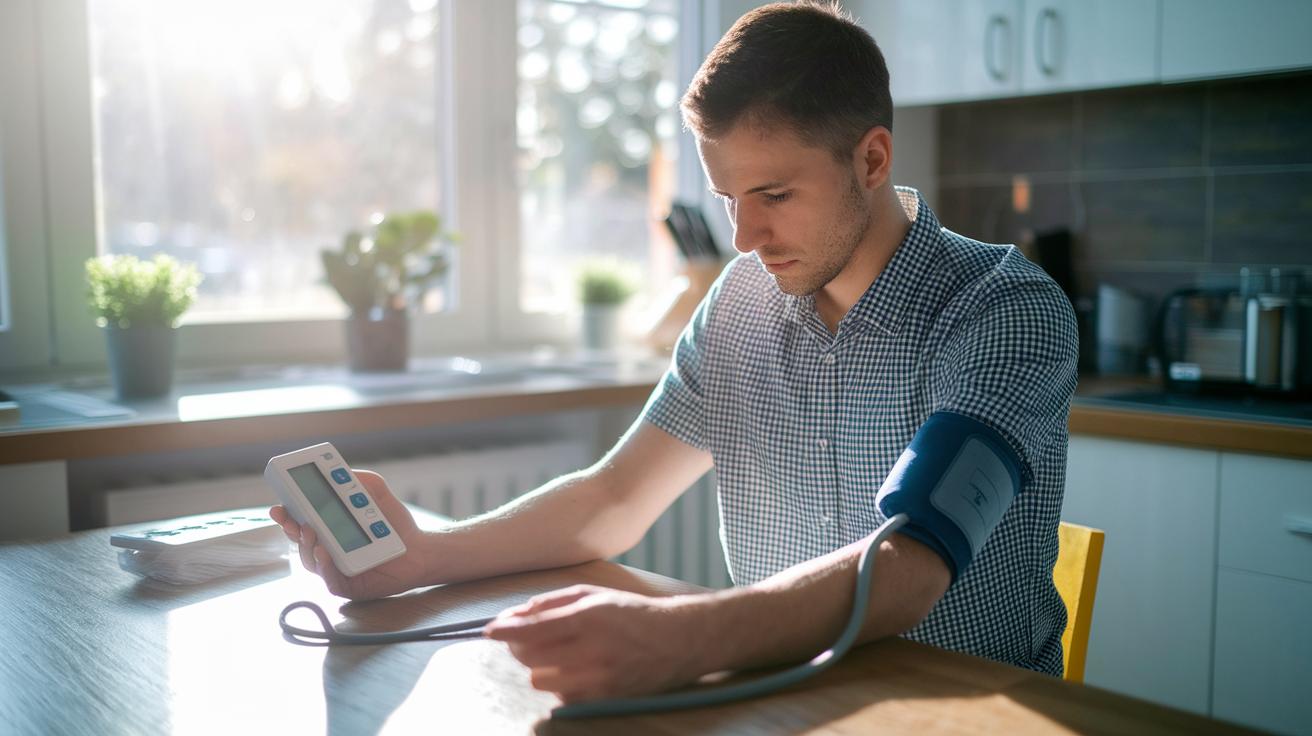
Start by comparing your daily readings to your own normal levels. Tracking things like your blood pressure, resting heart rate, and sleep quality helps you spot small changes that might otherwise go unnoticed. These shifts can often be linked to everyday factors such as a change in diet or exercise, turning raw data into clear signals to guide your daily choices.
Try using the SMART method to set goals, make them Specific, Measurable, Achievable, Relevant, and Time-bound. Looking at key numbers like blood pressure and heart rate together can give you early hints about potential issues, like a risk of high blood pressure. When your readings start to rise, it may be a sign to tweak your workout routine or adjust your eating habits. These insights let you take action early, turning everyday checks into powerful tools for better health.
If you spot any worrying trends, don't wait, share them with your healthcare provider right away. Custom dashboards that combine your biometric readings with any symptoms you’re feeling give you a full picture of your wellness. This makes it easier to fine-tune your treatment and lifestyle changes. Taking care of small changes now can help you avoid bigger problems later, making each step a move toward a healthier you.
Integrating Health Metrics Tracking into Everyday Routine
Begin your day with a quick check on your health. Right after waking up, take a moment to look at your blood pressure, your weight, and even your resting heart rate (that’s simply how many times your heart beats when you’re relaxed). This little ritual gives you an honest look at your current well-being and helps you decide on mindful actions throughout your day.
After enjoying your meals or wrapping up a workout, open your mobile tracking app to jot down details about what you ate and how active you were. This easy habit lets you see how small daily choices add up to your overall wellness, almost like piecing together a puzzle that shows you trending toward balance.
Later in the week, set aside some time to review your progress. Use your app to remind you to check on things like your medication, how much water you’re drinking, or any changes you might feel. By combining physical stats with notes on stress and sleep quality, you get a complete picture of your health. And sharing your updates with friends using social features can add a fun boost of accountability, helping keep you inspired on your journey to better health.
Leveraging Trend Analysis and Continuous Oversight for Long-Term Health Management

By checking your health stats over time, you can easily spot patterns in your weight, how your body uses energy (metabolism), and even your heart’s well-being. This regular look at your data helps catch small changes before any signs or symptoms appear.
Imagine simple charts that display your progress over months or years, making it clear when it’s time to adjust your daily routine. Picture noticing a steady change in your heart rate variability [that is, the natural time gap between each heartbeat] and realizing it might be a good idea to switch things up, kind of like taking your car in for a tune-up so it runs smoothly.
Today, doctors can keep an eye on your health from afar using smart monitoring tools. Your ongoing data isn’t just a number; it turns into forecasts that help tailor a care plan just for you. Regular summary reports pull together all your health details so that you and your doctor can spot potential issues early and decide on the best next steps.
Overall, tracking these trends puts you in charge of your well-being. It turns complex health data into simple, practical advice, helping you live a healthier, more balanced life.
Final Words
In the action of optimizing health, this article broke down how health metric tracking can boost wellness measurement, empower early detection, and support daily vitality. We explored key metrics like blood pressure and sleep quality, explained the use of digital tools from smartwatches to telehealth integration, and showed how trend analysis turns numbers into personalized insights. Keeping an eye on health metrics builds strong everyday habits and fosters a proactive approach to well-being. Remember, the importance of monitoring health metrics set the stage for a healthier tomorrow.
FAQ
What are the benefits of remote patient monitoring?
The benefits of remote patient monitoring include easier access to timely health data, early detection of issues, and enhanced communication between patients and providers, allowing for more proactive, data-driven care.
What are the disadvantages of remote patient monitoring?
The disadvantages of remote patient monitoring include potential data privacy concerns, technology reliability issues, and the need for a stable internet connection, which can sometimes limit its effectiveness.
What scholarly articles discuss remote patient monitoring?
Scholarly articles on remote patient monitoring analyze its impact on cost, care quality, and patient outcomes, offering evidence that supports both its benefits and challenges in modern healthcare settings.
What remote patient monitoring devices are available?
The remote patient monitoring devices available include smartwatches, continuous glucose monitors, wearable ECG patches, and blood pressure monitors, all designed to collect real-time health data for better care management.
What types of remote patient monitoring are used in hospitals?
The types of remote patient monitoring used in hospitals involve continuous vital-sign monitoring with sensors and telehealth integrations, which allow clinicians to track patient data and respond swiftly to any changes.
How does remote patient monitoring work?
The way remote patient monitoring works is by using devices to collect health data, securely transmitting this information to clinicians, who then review it and use the insights to make informed care decisions.
What does a remote patient monitoring company provide?
The work of a remote patient monitoring company includes supplying both the technology and services that collect, transmit, and analyze patient data, which helps providers manage care remotely with confidence.
Why are health metrics and monitoring important in healthcare?
The importance of health metrics and monitoring lies in their ability to give clear insights into overall wellness, quickly spot changes, guide goal setting, and support timely interventions for better long-term health outcomes.

