
Ever thought that a few simple numbers could show you how well you're doing? Your health stats, like heart rate, blood pressure, and BMI (body mass index, a number that shows if your weight is appropriate for your height), give you quick hints about your daily wellness.
It’s cool how even a small change in one of these numbers can hint at your overall fitness or even signal a risk for heart problems. This post breaks down these key health metrics, showing how tracking them can reveal the hidden story of your everyday health.
Overview of Key Personal Health Metrics
Your body's health numbers give you a real-time glimpse into how you're doing day by day. They include everyday measures like heart rate, blood pressure, body mass index (BMI), sleep quality, and how active you are. When the numbers start to shift, you can catch changes early and adjust your habits.
For example, a normal resting heart rate is usually between 60 and 100 beats per minute, though athletes might see it drop to around 40. Knowing these numbers can help you understand your fitness level better.
Blood pressure is shown as two numbers – the top number (systolic) and the bottom number (diastolic) – which tell you how forcefully your blood pushes against your arteries. Keeping those numbers in a healthy range is really important for your heart.
Similarly, BMI helps show if your weight is in a healthy range, which is typically between 18.5 and 24.9. It’s a simple tool to check if you’re in balance.
Don’t forget about sleep either. Good quality sleep is key to lifting your mood, keeping your immune system strong, and cutting down on risks like diabetes and heart disease. And being active every day supports weight control, boosts your heart strength, and even keeps your mind clear.
Picture checking your personal health dashboard: a heart rate of 68 beats per minute, blood pressure at 120/80, and a BMI of 22. Each number hints that you’re living a balanced, active life. These basics set the stage for diving deeper into your overall wellness.
Vital Sign Metrics: Heart Rate, Blood Pressure, and Oxygen Levels

Heart Rate
Your heart’s rhythm tells you a lot about your well-being. When you’re relaxed, most adults have a heart rate between 60 and 100 beats per minute. A pulse consistently lower than 60 might mean you're very fit, like many athletes, while a rate above 100 when you're at rest might signal stress or other health issues. For example, if you check your pulse after sitting quietly and see a reading of 72, that’s usually a reassuring number.
Blood Pressure
Blood pressure is measured with two numbers. The first number shows the pressure in your arteries when your heart beats (systolic), and the second tells you the pressure when your heart is resting between beats (diastolic). Regular checking at home can be really useful. For instance, a common healthy reading is 120/80. Keeping track of these numbers can help you notice small changes early, so you and your doctor can chat about any trends before they turn into bigger concerns.
Blood Oxygen Saturation (SpO₂)
This metric shows how well your lungs are taking in oxygen. It’s measured with a simple tool called a pulse oximeter, and a healthy reading is usually 95% or higher. If your SpO₂ falls below 95%, it might mean your body isn’t getting enough oxygen, and you may want to get it checked out. For those using digital tools for heart and lung monitoring, real-time alerts can add an extra layer of reassurance about your respiratory health.
Metabolic Health Metrics: BMI, Blood Glucose, and Body Temperature
Body Mass Index (BMI) is an easy way to see how your weight relates to your height. It sorts people into four groups: underweight (below 18.5), normal (18.5 to 24.9), overweight (25 to 29.9), and obesity (30 or higher). To work out your BMI, you simply divide your weight in kilograms by your height in meters squared. Keep in mind, while BMI gives a quick snapshot of your weight category, it doesn’t show muscle mass or where fat is distributed. So, someone who is very muscular might have a higher BMI but still be very healthy. It also plays a role in spotting risks for conditions like high cholesterol and blood pressure.
Blood glucose levels are another key part of tracking your metabolic health, especially if you’re keeping an eye on diabetes risk. Whether you check your blood sugar on an empty stomach or after you’ve eaten can make a big difference. Many people use simple finger-stick tests or continuous monitoring devices. By comparing your numbers before and after meals, you get a clearer picture of how your body handles sugar. If your readings are consistently high, it might be time to look at your diet and lifestyle to better manage blood sugar.
Even a slight change in your body temperature can hint at larger shifts in your overall health. Normal body temperature usually sits around 98.6°F (37°C), though small changes throughout the day are totally normal. You can measure it in several ways, using an oral thermometer, an ear thermometer, or even wearable technology. When your temperature swings too much, whether it spikes into a fever or drops lower than usual, it could signal that your body is dealing with an infection or undergoing a metabolic change.
Sleep Quality and Stress Metrics Explained
Good sleep is the foundation for a balanced life because it affects your mood, recovery, and even your immune system. When you don’t sleep well, you might face groggy mornings, difficulty focusing, and a weaker ability to fight off illness.
Stress plays a big role in how healthy you are, too. When stress hangs around for a long time, it can raise your blood pressure and put extra strain on your heart, along with taking a toll on your immune system. One simple way to check how your body handles stress is by looking at your heart rate variability (HRV). HRV is the natural variation between heartbeats, measured by a test called an electrocardiogram (EKG), which records the heart’s electrical signals. A low HRV can show that your body is having a hard time managing stress, while a higher HRV might mean you’re more resilient.
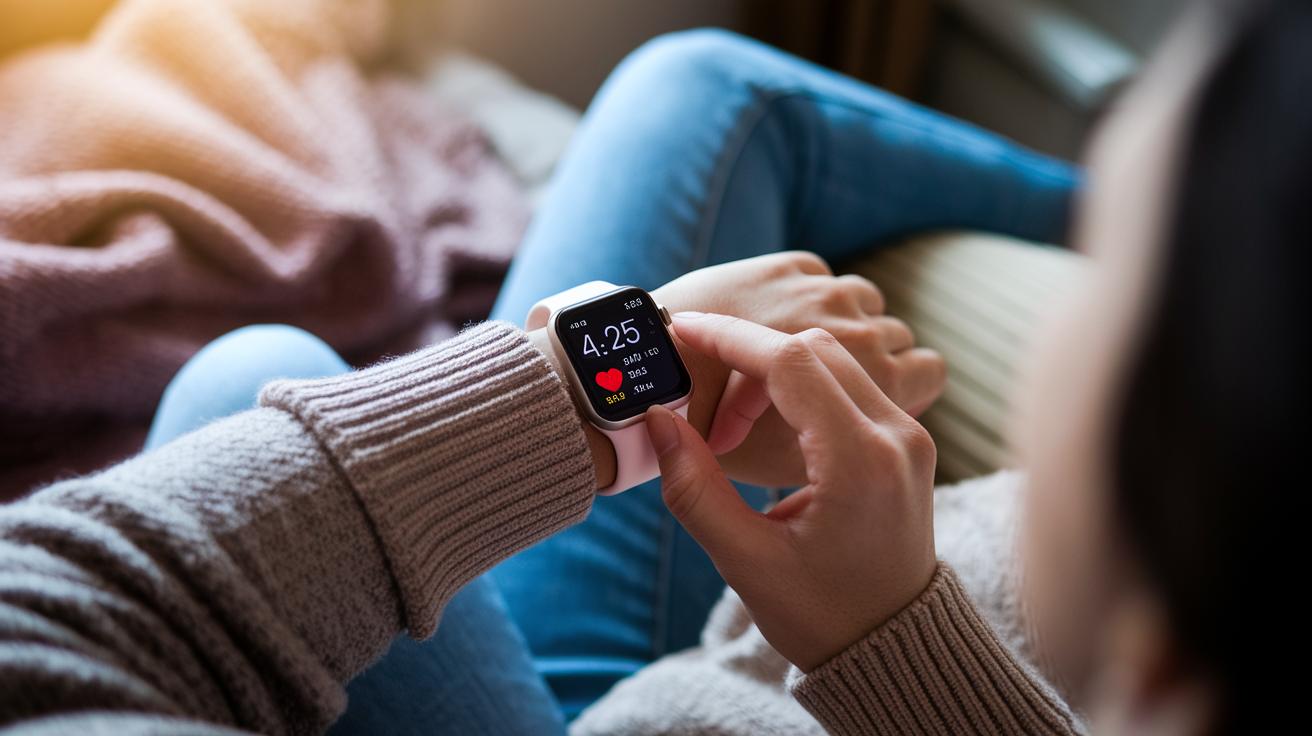
Today’s smart wearables make it easy to keep track of your sleep and HRV throughout the day. Imagine finishing a hectic day and just checking an HRV app on your smartwatch to see how stress affected your sleep. Studies show that even one rough night of poor sleep can change your HRV and hint at potential health risks.
Here are some tools to help keep tabs on your sleep and stress:
- Wearable sleep trackers (e.g., Oura Ring)
- Sleep diaries for logging how long and well you sleep
- HRV monitoring via EKG or compatible wearables
- Stress self-assessment scales and journals
Activity Metrics: Steps, Exercise Performance, and Recovery Rates
Keeping track of your steps and active minutes is a great way to know how much you're moving every day. Your smartwatch or fitness band logs each step, giving you a simple snapshot of your daily activity. For instance, hitting 10,000 steps shows you're staying active enough to help with weight control and keeping your heart healthy.
Watching your exercise performance helps you see how hard you're working during your workouts. These devices record things like calories burned and the intensity of your exercise. After a brisk walk, you might check your device and see a rise in your calorie count. This clear feedback lets you decide if you want to push a little harder next time or take it easy.
Recovery is just as key as putting in the effort. Your recovery rate tells you how quickly your body is bouncing back after exercise. Keeping an eye on this number can help you know when it's a good time for your next workout or when you might need a rest day. This kind of simple check-in makes it easier to mark progress and tweak your routine for better health.
| Step Count Measurement | Exercise Performance Metrics |
|---|---|
| Recovery Rate Metrics | Calorie Expenditure Tracking |
Digital Tracking and Data Interpretation for Health Metrics

Digital tracking of health info has changed how you see your overall well-being. Today, smart wearables send data to friendly dashboards that update you on hydration, stress, and sleep, all in real time. Imagine coming home after a busy day and glancing at a screen that shows your water intake, sleep quality, and stress level at once.
Smart computer tools sift through all this information to give advice just for you. For example, if your wearable picks up a small bump in stress, it might suggest taking a short break or going for a quick walk. Personalized tips like these make it easier to take care of your everyday health.
Ongoing digital monitoring can catch little changes that a regular checkup might miss. But when serious health issues pop up, traditional, clinical tests are still very important. In truth, digital tools are here to support classic methods, not replace them.
Different apps and devices can offer various insights. Some focus on exercise, while others stress the importance of good sleep and recovery. Comparing these details helps you see how tiny tweaks in your routine can lead to overall better health.
Building Personal Wellness Benchmarks and Action Plans
When you set clear wellness benchmarks, you know exactly where you stand and where you want to go. Detailed health reports show you trends in key numbers like heart rate, blood pressure, and activity over time. This makes it easy to see patterns that might mean it’s time to change your routine before small issues become big problems.
For example, if you notice that your resting heart rate is slowly rising, it might be a good idea to tweak your lifestyle with a balanced diet and more exercise. And if your daily activity starts to drop, adding regular cardio workouts can help keep you on track.
There’s also smart technology that can pick up small shifts in your body’s signals. It gives you early alerts so that you can adjust your habits before any problems grow. By setting baseline targets and tracking your progress, you can build an action plan that fits you perfectly. These personal benchmarks empower you to make little, smart changes that add up to big improvements in your well-being.
Final Words
In the action of tracking key indicators like heart rate, blood pressure, sleep quality, and daily movement, we uncovered insights that can power smarter health choices. We explored how digital tools and hands-on assessments help shape everyday routines. Remember, having personal health metrics explained makes it easier to make steps toward improved well-being. Embrace your data, trust your progress, and keep those positive changes coming. Every small improvement adds up to a healthier you.
FAQ
What are some key health metrics examples to track for personal well-being?
Key health metrics include heart rate, blood pressure, BMI, quality sleep, and daily physical activity. These indicators provide a clear view of overall health and help guide healthier lifestyle choices.
What is a health metrics synonym?
Health metrics can also be called measurable health indicators. This phrase refers to quantifiable data like heart rate and BMI that reflect physical well-being.
What does a BMI calculator do?
A BMI calculator uses your height and weight to compute your body mass index. It helps determine if your weight falls within a healthy range and signals potential issues.
How can one measure personal health?
Measuring personal health involves tracking markers such as heart rate, blood pressure, sleep patterns, and daily activity. Both digital tools and routine checkups help provide meaningful insights.
Is there a way to measure the “health” of our economy?
Measuring an economy’s health means looking at factors like GDP, employment levels, and consumer spending. These indicators offer a snapshot of overall economic stability and performance.
What is Health Metrics Australia?
Health Metrics Australia refers to data and analyses that highlight health trends across Australia. This information supports policy decisions by tracking population indicators and risk factors.
What is the meaning of health metrics?
Health metrics are quantifiable indicators, such as blood pressure or BMI, used to assess physical well-being. They offer a practical way to track health over time.
What is the best health metric and which metrics are used to measure health?
The best health metric varies with individual needs, but common indicators include heart rate, blood pressure, BMI, and sleep quality. Together, they provide a comprehensive view of overall health.

