
Ever wonder if your everyday numbers can unlock more energy in your life? It might sound odd, but even a small piece of health data can point you toward important changes. Your sleep, heart rate, and how you move all share hints about your health.
More people check these numbers every day. They use simple data as a roadmap to feeling balanced and energetic. By taking a closer look at your own health story, you might uncover the boost you need to feel revitalized.
Understanding Your Key Health Metrics
Tracking your health isn't just about collecting numbers; it's all about giving you the insights you need to take care of yourself every day. When you keep an eye on things like sleep, stress, and fitness, you can spot any changes early before they become bigger problems. And really, it's amazing how useful even a small piece of data can be, especially now that 25 percent of people use wearables, up from 21 percent in 2019.
Electronic Health Records (EHRs) and Electronic Medical Records (EMRs) offer different ways to keep track of your health. EHRs gather all your health info from various care settings, giving you the complete picture of your overall health. On the other hand, EMRs focus on the details from one provider, such as the treatment you got during your last visit. Both kinds of records are key to understanding where you stand and figuring out the best steps to maintain your health.
Here's a look at the main groups that form your full health profile:
| Category | Description |
|---|---|
| Vital Signs | Basic body functions like heart rate, blood pressure, and breathing. |
| Laboratory Results | Tests such as cholesterol, blood sugar, and inflammation markers that reveal hidden issues. |
| Wearable Data | Daily activity, sleep quality, and heart rate variability (the natural time gaps between heartbeats) tell you about your routine and recovery. |
| Body Composition | Info on BMI, body fat percentage, and hydration that helps guide improvements in diet and exercise. |
Bringing all these pieces together gives you a complete view of your health, making it easier to set goals and take control of your well-being.
Interpreting Vital Signs: From Heart Rate to Blood Pressure
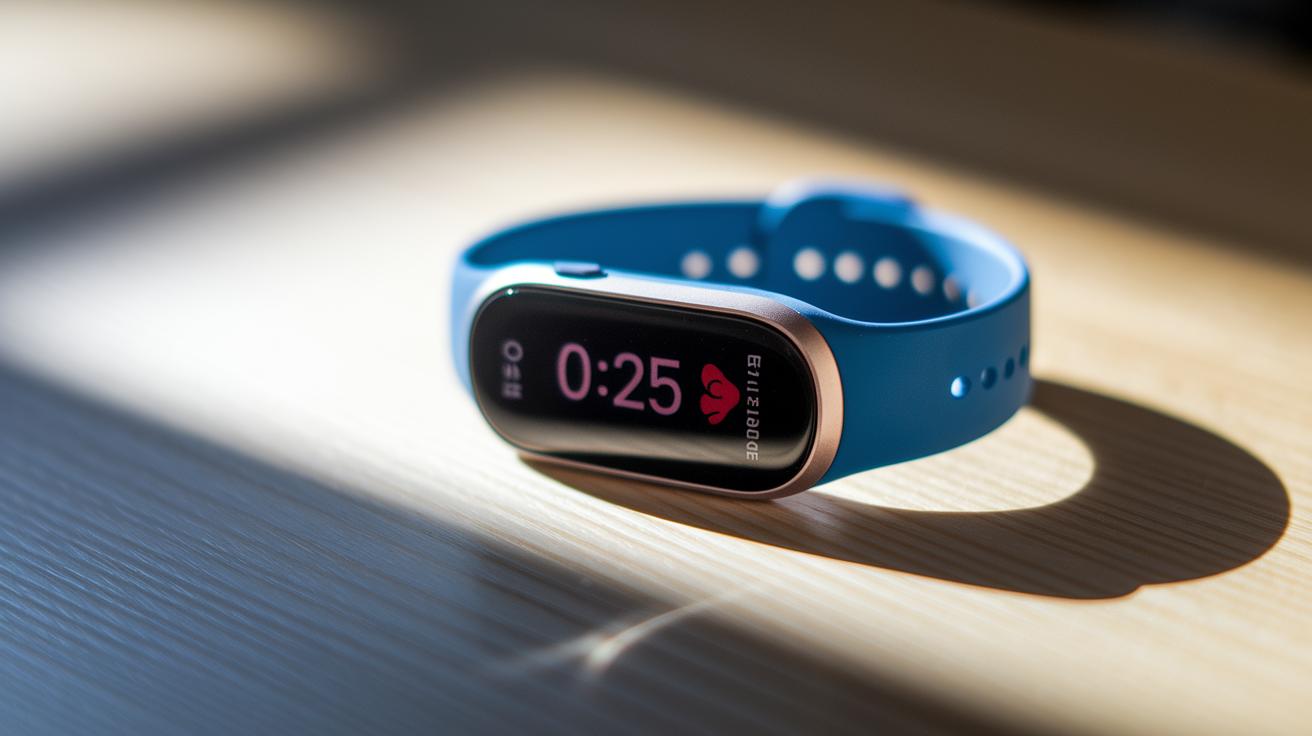
Keeping an eye on your vital signs is a simple yet powerful way to understand your health. These everyday numbers, like your heart rate, blood pressure, and breathing, can give you early hints if your body is stressed or overdoing it. Even a slight change might be your body’s way of saying, "Hey, pay attention!" Knowing what’s normal for you, such as a heart rate between 60 and 100 beats per minute, makes it easier to notice when something seems off. Regular checks help you stay in tune with your body and ensure you’re ready to act if needed.
Today’s wearable devices bring this monitoring into your daily life by tracking your numbers in real time. They show trends that can help you keep tabs on your health, even though their readings might not always match up with those from a doctor’s office. It’s smart to treat your device as a handy guide and compare its data with regular check-ups. That way, you enjoy the convenience of daily tracking along with the reliability of professional insights.
| Metric | Normal Range |
|---|---|
| Heart Rate | 60–100 bpm |
| Blood Pressure | 120/80 mmHg |
| Respiratory Rate | 12–20 breaths/min |
| Body Temperature | 97°F–99°F |
| Oxygen Saturation | 95–100 percent |
Decoding Lab Results: Cholesterol, Blood Sugar, and More
A lipid panel is a simple test that shows how well your body handles fats. It checks for LDL, which is the type of cholesterol you really want to keep under 100 mg/dL. It also measures HDL, good cholesterol that should be above 40 mg/dL for men and above 50 mg/dL for women. Plus, it looks at triglycerides, with a healthy target being under 150 mg/dL. Keeping an eye on these numbers can give you a clue if you might need to tweak your diet.
Checking your blood sugar is just as key. Your fasting glucose should be between 70 and 99 mg/dL, and an HbA1c value lower than 5.7 percent usually means you're doing great with your sugar control over time. If your numbers deviate, it might mean your body is struggling with energy regulation, so it can be a good time to review your eating habits and activity.
Inflammation in your body can also tell you a lot. For instance, C-reactive protein (CRP) is a marker that helps point out chronic disease risks. A CRP level under 1 mg/L is ideal, but higher readings might mean that further tests are needed to check for hidden issues.
When you pair these lab results with daily tracking of your activity and nutrition, everything starts to make more sense. Whether you're looking at your metabolic rate or simply noting small changes day by day, keeping track can help you notice shifts early on. This approach supports both disease prevention and smarter lifestyle choices.
Analyzing Fitness Tracker Data and Wearable Health Metrics
Tracking Steps and Active Minutes
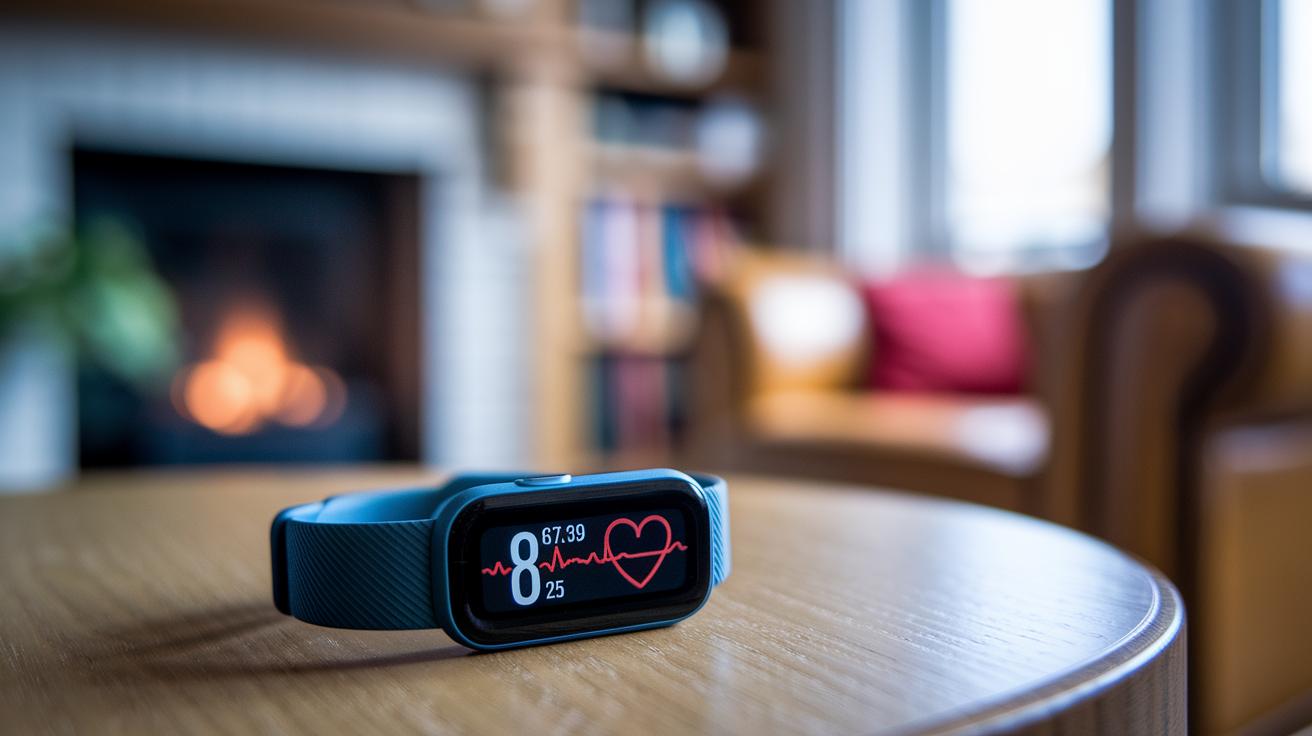
Fitness trackers make counting your steps super simple. Devices from brands like Apple, Fitbit, and Garmin count your movements and even break your day into easy activity parts. They can cheer you on to hit daily goals, like 10,000 steps or a set number of active minutes. Ever feel like you need a quick walk to feel refreshed? These devices have your back. Many health apps even look at how steady your pace is so you can fine-tune your routine just right.
Monitoring Sleep Quality and Recovery
Good sleep is key to feeling your best, and wearable tech can help you see how well you’re resting. For example, the Oura ring is known for tracking your sleep stages, deep, light, and REM, with about 96 percent accuracy. And there’s an app called Sleep Cycle (costing around $39.99 a year) that combines your sleep patterns with your daily movement to suggest the best time to wake up. This info shows if you’re really recharging at night or if you might need to wind down earlier for a better rest.
Assessing Heart Rate Variability and Stress
Your heart’s tiny variations between beats, known as heart rate variability (HRV), can tell you a lot about stress and how your body recovers. Apps like Welltory use HRV to offer a stress score, and with top ratings from many users, it’s clear this data helps spot trends when you might be pushing yourself too hard. Watching these little changes lets you know when it’s time to take it easy on workouts or when you’re ready to ramp things up, keeping your daily routine balanced and healthy.
Evaluating Body Composition and Weight Management Metrics
BMI is a simple math equation, your weight in kilograms divided by your height in meters squared, that shows if you’re in a healthy range (18.5 to 24.9). Even a tiny change in this number can hint at important shifts in your overall health. It’s a quick look at your weight status.
Body-fat percentage and muscle-mass numbers give extra details about your body. Typically, men have a body-fat range between 8 and 19 percent, while women usually fall between 21 and 33 percent. You might get these figures using a DEXA scan (a detailed body scan) or a bioelectrical impedance scale (a tool that sends a small electrical current through your body). These measurements feel more personal than just knowing your BMI.
Staying well hydrated is another big piece of your health puzzle. Women should try for about 2.7 liters a day, and men should aim for around 3.7 liters. Many smartwatches and apps try to track this, but remember, they might not always get it exactly right.
By mixing these body composition numbers with healthy eating and regular exercise, you can tune up your health just like fine-tuning a machine. A few small changes in your routine might boost your energy and overall wellness.
Tracking Long-Term Health Metrics: Trends and Risk Assessment

Keeping a record of your health over weeks, months, or even years helps you notice little changes before they turn into bigger issues. By checking data like heart rate, blood pressure, and sleep patterns, you can see clear trends and detect early signals. This big-picture approach makes it easier to act quickly and maintain your health.
Setting clear prevention goals is just as important. Try using SMART goals, for example, committing to a 30-minute walk five days a week to lower your heart risks. By updating and reviewing your health data regularly, you notice small improvements and can tweak your routine along the way. These small changes add up and help build a reliable health routine that supports your overall well-being.
It’s essential to keep your health records safe too. In 2023, there were 725 major healthcare data breaches, with each incident costing millions on average. That’s why using encrypted storage and trusted systems is key to protecting your personal health history. With secure data management, you can trust that your insights lead to smart and safe health decisions.
Final Words
In the action, we've broken down how tracking metrics, vital signs, lab results, wearable data, body composition, and long-term trends builds a complete picture of well-being. Each section showed how everyday statistics turn into actionable insights, helping with proactive care and personalized adjustments. By taking this step-by-step approach, you can stay ahead of changes and foster a balanced lifestyle while interpreting your health metrics. Keep building on these insights to boost daily vitality and overall wellness.
FAQ
Q: What are some common health metrics and which ones should I track?
A: The common health metrics include vital signs (heart rate, blood pressure), lab results (cholesterol, blood sugar), wearable data (steps, sleep), and body composition measures. These indicators help you monitor your overall well-being.
Q: What do health metrics mean and are there synonyms for them?
A: Health metrics refer to measurable health data points such as heart rate or lab test results. They are often called health indicators or benchmarks that signal your physical condition over time.
Q: What are the key or most important health metrics to use?
A: The key health metrics include vital signs, laboratory values, wearable data, and body composition. They offer vital information that aids in maintaining and improving your health.
Q: What are the 10 health indicators that professionals often reference?
A: The ten health indicators often include heart rate, blood pressure, respiratory rate, body temperature, oxygen saturation, cholesterol levels, blood sugar, BMI, body fat percentage, and hydration status, which together provide a broad view of health.
Q: How can health be measured effectively?
A: Health is measured by tracking vital signs, lab test results, wearable data, and body composition. Using these metrics together gives a clear picture of your overall well-being and helps guide self-care practices.
Q: Why is weight not considered a definitive indicator of health?
A: Weight is only one aspect of health and does not account for factors like body composition, fitness, and metabolic markers. A comprehensive view of well-being comes from combining several key health metrics.
Q: Can the health of our economy be measured similarly to personal health?
A: The health of an economy is measured using different metrics, such as GDP, unemployment rates, and inflation. These economic indicators reflect overall financial stability much like personal health metrics reveal individual well-being.

