Have you ever thought that your meal could hold the secret to renewed energy? Once you hit 40, your body starts craving better fuel, almost like a car needing a smoother ride.
Eating simple, whole foods such as lean proteins, fresh vegetables, and whole grains can give your muscles the boost they need while keeping your mind clear. A balanced diet acts like a trusty support system, helping you stay sharp and ready for whatever comes your way.
Sometimes, making this small change in what you eat might be just what you need to feel refreshed and energized as you get older.
Core Principles of a Balanced Diet for Healthy Aging
After you turn 40, your body starts to slow down a bit, kind of like a car easing into a gentle cruise. A balanced eating plan for healthy aging means giving your body the right fuel as you age. Your body now needs key nutrients, even though your metabolism works at a slower pace. Think of whole, mostly natural foods as top-quality fuel that helps keep your muscles strong and your immune system ready to fight off illnesses.
Following senior nutrition advice means filling your plate with nutrient-packed foods and drinking plenty of water, aim for 8 to 10 glasses every day. This simple habit can help lower the chances of urinary issues, constipation, and even moments of confusion. A balanced meal plan not only supplies the essential vitamins and minerals but also boosts your mental sharpness and energy.
Imagine your daily meal like a puzzle where lean proteins, colorful vegetables, and whole grains fit together perfectly. Sticking to trusted senior nutrition tips can help make your body more resistant to diseases and keep your energy up. These basic ideas can lead to a lifestyle that refreshes both your mind and body.
In the end, a balanced eating plan can be your gateway to a life filled with energy and overall well-being.
Essential Nutrient Strategies for Seniors in Healthy Aging
Protein is a must-have for keeping your muscles strong and your metabolism steady, especially when you add in some weight-bearing exercises. Think of it like this: a plate with lean chicken or a hearty serving of beans not only gives you energy but also helps keep your muscles in top shape.
Healthy fats, especially omega-3 fatty acids (which help lower swelling and support brain health), are a big deal too. Even a small portion of salmon or a sprinkle of walnuts can work wonders, much like a little extra care that keeps you feeling sharp and balanced.
Fiber is your friend when it comes to good digestion. Foods like a warm bowl of oatmeal with fresh fruits or a colorful salad help your stomach work smoothly and can even fend off discomfort like constipation. It’s a simple way to keep your system humming along nicely.
Don’t skip on the small but mighty micronutrients like calcium and vitamin D, they’re key for strong bones. Low-fat milk, yogurt, or fortified plant-based drinks give you these nutrients and can help lower the risk of fractures. Plus, antioxidants (such as polyphenols and flavonoids) help protect your cells from everyday stress. Maybe treat yourself to a bit of dark chocolate or a cup of green tea; it’s a tasty way to add some extra protection.
And, of course, staying hydrated is essential. Water helps carry all these nutrients through your body and keeps everything in balance. Try to drink about eight glasses a day to keep your body feeling refreshed and running smoothly.
Age-Defying Food Choices and Heart-Smart Selections
This quick-reference guide shows you new ways to prepare foods that support a youthful heart and a vibrant life. Instead of repeating old advice, here are some practical tips and tasty ideas to help you boost your intake of essential nutrients.
• Extra virgin olive oil: Warm your olive oil slightly and drizzle it over roasted veggies. For example, mix it with a handful of chopped basil on steamed carrots to help your body absorb important fat-soluble antioxidants.
• Fatty fish: Bake salmon with a splash of lemon and a sprinkle of dill. This method keeps omega-3 fats intact, which support the health of your cell membranes.
• Dark chocolate: Enjoy a small square (about 70% cocoa) after dinner. It provides a burst of polyphenols that can help protect your cells.
• Tomatoes: Gently simmer tomatoes in a sauce. Doing so increases the availability of lycopene, a nutrient that helps protect your cells.
• Green tea: Steep your green tea for about three minutes. This lets the antioxidants fully infuse into your cup, making it both refreshing and good for you.
• Avocados: Mash an avocado onto whole-grain toast for a breakfast that’s rich in fiber and heart-friendly fats, keeping you satisfied through the morning.
• Flaxseed: Grind and mix flaxseed into your morning smoothie. This little addition gives you an anti-inflammatory boost while adding a subtle nutty flavor.
• Whole grains & legumes: Toss them into a hearty bowl with mixed veggies. This balanced meal helps steady your blood sugar, keeping your energy steady throughout the day.
| Food | Preparation Tip | Scientific Insight |
|---|---|---|
| Extra virgin olive oil | Warm and drizzle over roasted vegetables | Helps your body absorb fat-soluble antioxidants |
| Fatty fish | Bake with lemon and dill | Preserves omega-3 fats that support healthy cell membranes |
| Dark chocolate | Savor a small square after dinner | Provides polyphenols to support cellular defense |
| Tomatoes | Simmer gently in sauces | Boosts lycopene availability for cell protection |
| Green tea | Brew for about 3 minutes | Extracts maximum natural antioxidants |
| Avocados | Mash on whole-grain toast | Supplies fiber and heart-friendly fats |
| Flaxseed | Add ground flaxseed to your smoothie | Delivers omega-3s to help reduce inflammation |
| Whole grains & legumes | Mix into a hearty grain bowl with veggies | Helps stabilize blood sugar for steady energy |
Balanced Diet for Healthy Aging: Feel Renewed
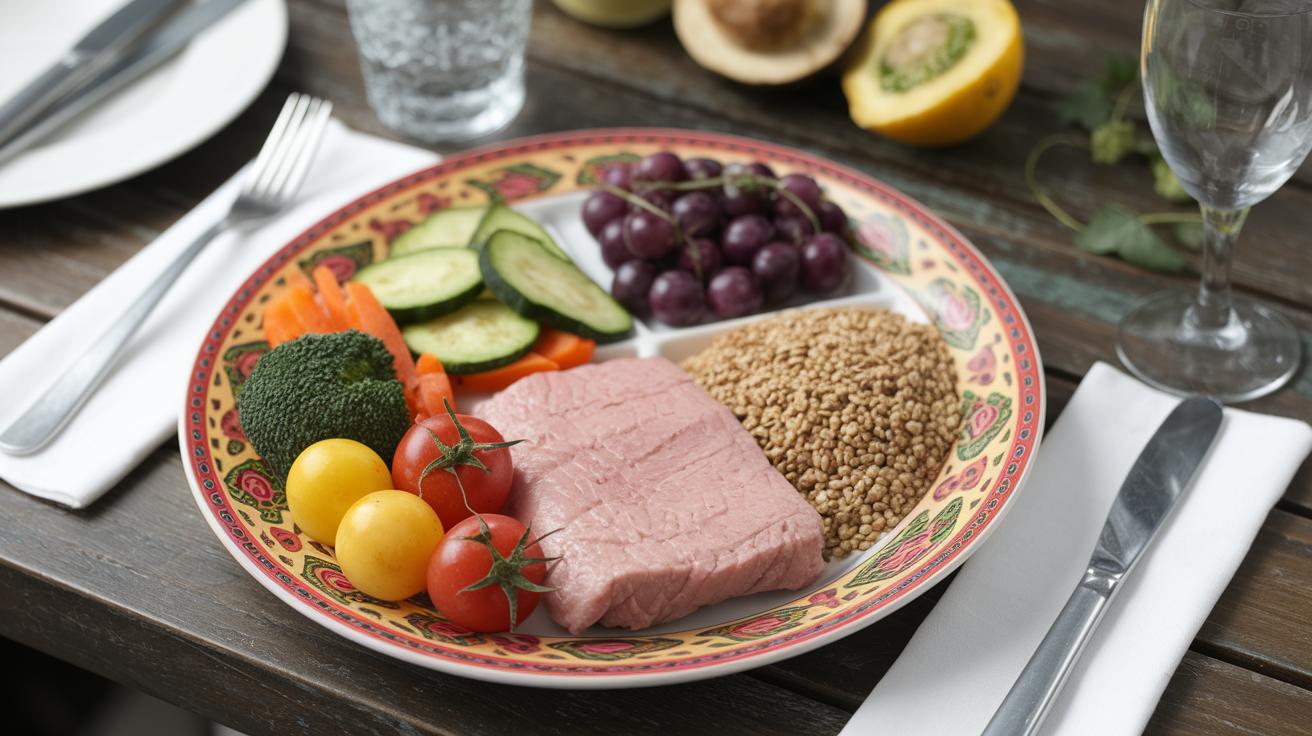
If your metabolism is slowing down, it might be a smart move to keep an eye on your portion sizes and plan your meals ahead of time. Try the simple plate method by filling half your plate with veggies, a quarter with lean protein, and the other quarter with whole grains. Imagine your dinner plate as a colorful mosaic that not only fills you up but also fuels your body.
Regular meals and snacks can help keep your blood sugar steady throughout the day, which in turn keeps your energy levels balanced. Eating on a schedule can prevent sudden hunger spikes, kind of like switching a repetitive tune for a refreshing new one every now and then.
When it comes to shopping, making a list based on seasonal produce and whole foods can really simplify things. Here are a few tips to keep it straightforward:
- Choose fresh fruits and vegetables that are in season.
- Go for lean proteins like chicken, fish, or plant-based alternatives.
- Add whole grains such as brown rice or quinoa.
- Use herbs and low-sodium spices to boost flavor and support healthy blood pressure.
On days when cooking feels like too much work, consider using online grocery or meal-kit services for extra convenience. With these handy strategies for mindful portion control and balanced meal planning, you're all set to create meals that leave you feeling renewed and energized.
Sample Balanced Meal Plan for Healthy Aging
Start your day with a balanced plan that gives you between 1,800 and 2,200 calories. For breakfast, enjoy a warm bowl of oatmeal mixed with fresh berries and a sprinkle of flaxseed. This simple meal fills you with whole grains, natural antioxidants, and healthy fats to kick off your morning strong.
Then, have a mid-morning snack of Greek yogurt topped with a handful of nuts. It not only tastes great but also keeps your energy steady until lunch with its key protein and heart-friendly fats.
At lunch, treat yourself to a grilled salmon salad served on mixed greens drizzled with olive oil vinaigrette. This meal brings together lean protein, omega-3 fatty acids, which help your brain and heart, and a boost of vitamins from the greens.
Later in the day, reach for some crunchy carrot sticks paired with hummus. These light snacks are packed with fiber and protein to help you stay energized throughout your busy day.
For dinner, enjoy a hearty bowl of quinoa loaded with seasonal veggies and tender chicken. Mixing in seasonal produce like summer berries or winter squash adds a refreshing twist while supplying important vitamins and minerals.
Check out our "Balanced Diet Meal Plan" for even more ideas. This guide is designed to bring a burst of fresh, seasonal inspiration into your meals, helping you feel renewed every day.
Overcoming Common Nutritional Challenges in Later Life

Sometimes eating as you get older can be a real challenge. When your appetite fades, meals might seem dull. But you can perk up your food by adding herbs, a splash of olive oil, or even a nutrient-packed smoothie. If chewing becomes hard or dry mouth makes eating uncomfortable, try switching to softer options like mashed vegetables, smooth soups, or protein shakes that are easier to swallow.
Keep a watchful eye on signs that your body might not be getting enough nutrients. Feeling tired, dealing with anemia, or having a weak immune system can all signal that you’re missing key vitamins and minerals. Keeping track of your weight can be really helpful too. If you see it dipping steadily, it might be a good idea to review your food choices or have a chat with a health expert.
Budget worries can add a bit more stress during mealtime. Stretch your grocery dollars by opting for seasonal produce or by planning your meals ahead. Community programs like Balanced Diet for the Elderly are great resources that offer practical ways to eat well without spending too much.
Sharing meals with friends or family brings both joy and a healthier appetite. Plus, eating with others makes eating feel less like a chore. And remember, it might be worth discussing with your doctor if you need extra help through supplements like B12, vitamin D, or calcium to cover any nutritional gaps.
Final Words
In the action, we broke down how a balanced meal plan helps maintain muscle, boost brain function, and support overall well-being. We looked at key nutrient strategies, smart food picks, and practical portion control tips that suit daily routines. Each section shared ways to stay active and healthy through mindful eating. Embrace the insights shared and take small steps every day toward a balanced diet for healthy aging. Enjoy the process and celebrate every win along the way.

