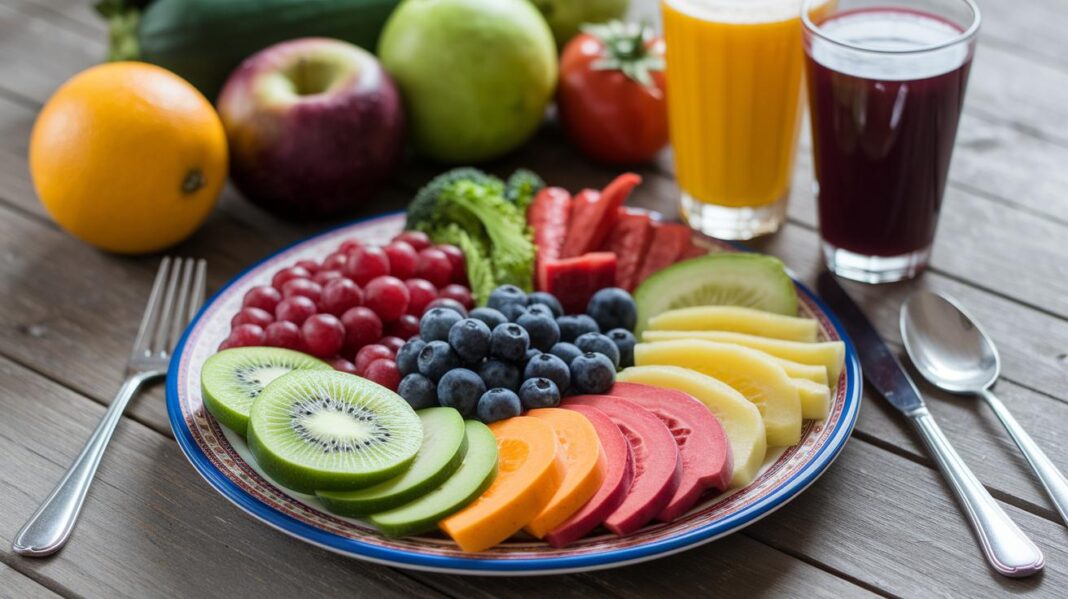
Ever wonder if you're really giving your body the right fuel? Some people think that managing weight is just about cutting calories. But a balanced diet does so much more. It’s like filling up your car with the best fuel to help you run smoothly all day.
When you eat a mix of proteins, vegetables, good fats, and complex carbs, you naturally stay energized without stressing over every calorie. In this article, you'll see how simple, smart meal choices can keep your energy high and your weight steady. Healthy eating can be both satisfying and easy.
Balanced Diet for Weight Management: Feel Energized
A calorie is simply a way to measure energy, kind of like the gas that fuels your car. When you match the calories you take in with the calories you burn from activities like walking, jogging, biking, swimming, or weight training, you can aim for a steady weight change of about 0.5 to 2 pounds each week. Ever wonder how much energy you really need? On average, women require about 2,000 kcal a day and men around 2,500 kcal. These numbers also come with recommendations to keep fat near 70 grams, saturated fat at about 20 grams, sugars below 90 grams, and salt around 6 grams daily.
Eating whole, natural foods is key. Enjoy meals that include lean proteins, healthy fats, lots of vegetables, and complex carbohydrates. These nutrient-packed foods deliver a steady flow of energy and help you feel in control. When your meals naturally balance these essential nutrients, you might not even need strict calorie counting, it just makes sticking to your plan more enjoyable.
It’s not all about food, though; it’s also about movement. Whether you take a brisk walk after eating or stick to a regular workout routine, the blend of good nutrition and physical activity supports long-lasting weight management. Think of it as fueling up with quality ingredients and then using that fuel through daily activities. Your body and energy levels will thank you!
Meal planning strategies for a balanced diet

Meal planning each week doesn’t need to be overwhelming. Begin by thinking of meals built around lean proteins, good fats, plenty of vegetables, and whole grains (complex carbs). Picture your plate as a canvas where colorful veggies, legumes, and whole grains blend together to boost your energy. Try to include at least 2.5 cups of vegetables each day to keep your meals rich in nutrients.
When planning breakfast, lunch, and dinner, aim to hit these targets: roughly 30% protein, 45% complex carbs, and 25% healthy fats. This mix gives you steady energy and helps you feel satisfied after each meal.
A small tip: have a glass of water before you eat. It can help you control portion sizes. Along with getting enough sleep, this practice sets a strong foundation for your daily eating plan.
You might find using a simple weekly template useful. For example:
| Meal | Example |
|---|---|
| Breakfast | Greek yogurt with berries and a sprinkle of nuts |
| Lunch | Mixed salad with chickpeas and olive oil |
Feel free to experiment with different foods. Mix and match ingredients to craft meals that are both balanced and delicious, so you feel energized and happy. Adjust portions as needed and choose ingredients that match your calorie goals while keeping every bite interesting and full of flavor.
Portion control techniques in a balanced diet
Keeping your portions in check doesn’t need fancy gadgets. Simple tools like smaller plates, measuring cups, and pre-portioned containers work wonders. Think of your plate with a palm-sized serving of protein, a fist-sized amount of carbs, and about two cups of veggies. For instance, use a two-cup container for your vegetables and imagine your palm holding the protein. These easy visual guides help prevent overeating.
Another handy trick is mindful eating. Eat slowly, chew well, and listen to your body's cues about hunger and fullness. When you really focus on your food, you can tell when you're satisfied without overdoing it. Plus, having about 8–16 oz of water roughly 30 minutes before eating might just help curb your appetite.
When planning your shopping, consider making a healthy eating grocery list that highlights pre-portioned ingredients. Using these tips can keep your calorie intake balanced without feeling like you're missing out.
Macronutrient distribution for weight management
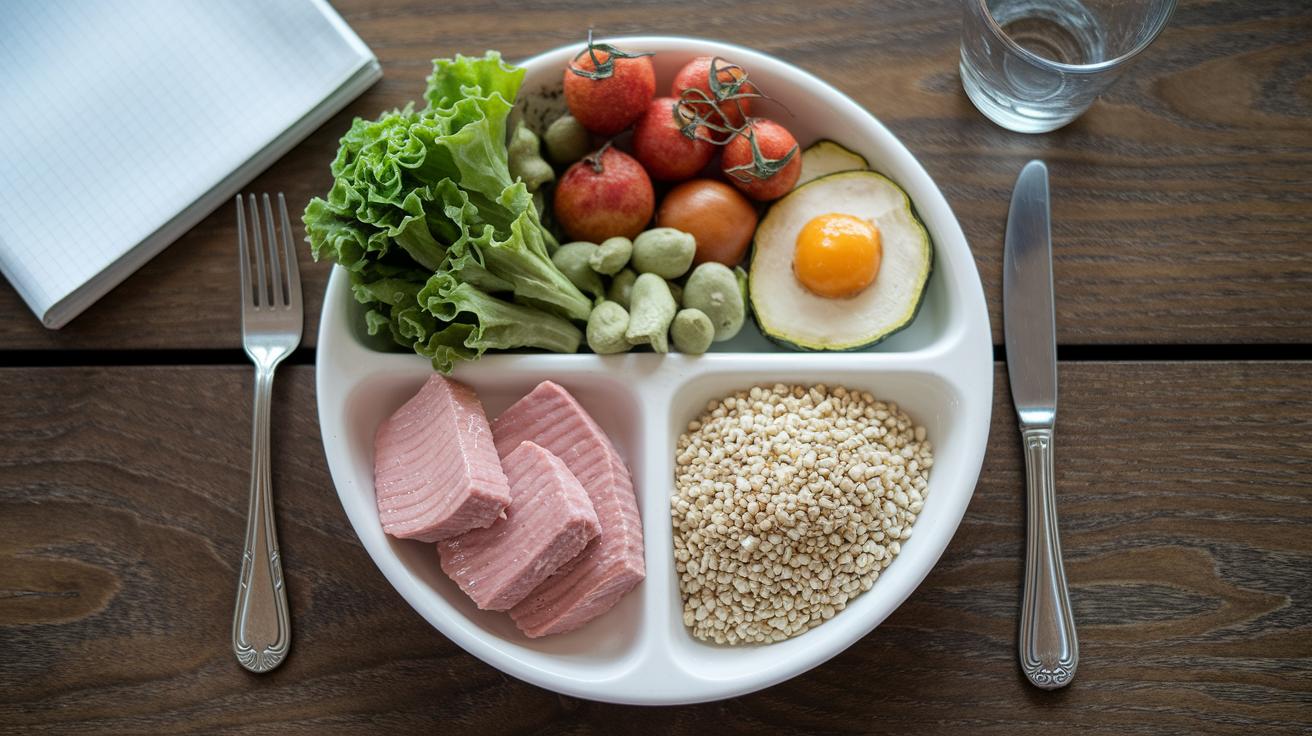
When planning a meal to manage your weight, think of dividing your plate into about 30% protein, 25% healthy fats, and 45% complex carbohydrates. This mix not only gives you a steady flow of energy throughout the day but also helps keep hunger at bay. For instance, lean proteins such as fish, skinless chicken, and legumes can help repair your muscles and keep you satisfied longer.
You can easily adjust these percentages depending on your meal or specific needs. For example, if you’re gearing up for a busy morning, a bit more protein might be just the thing to energize you. On the other hand, if you’re winding down in the evening, loading up a little extra on complex carbohydrates might be beneficial. Imagine this: after a workout, you might swap some carbs for more protein to help your muscles recover faster.
When it comes to complex carbohydrates, stick with whole grains or starchy veggies that are rich in fiber. These choices help balance your blood sugar and stave off hunger. Sometimes, if you know you have a particularly active day ahead, bumping up the carbs a bit can keep your energy levels steady.
Don’t forget about healthy fats, like those from avocados, nuts, or olive oil. They add a delicious flavor to your meals and support heart health. You can sprinkle them into every meal or add more when you’re in the mood for a richer taste.
| Meal Type | Protein % | Healthy Fats % | Complex Carbs % |
|---|---|---|---|
| Light Breakfast | 35% | 20% | 45% |
| Post-Workout Meal | 40% | 20% | 40% |
| Evening Meal | 30% | 30% | 40% |
Incorporating nutrient-dense superfoods into your balanced diet
Superfoods give your body a real boost. They help you feel full, speed up your metabolism, and can even ease inflammation. For example, leafy greens like spinach and kale are packed with vitamins and fiber, while veggies like broccoli and cauliflower offer natural antioxidants. Adding berries gives your meals a burst of natural sweetness and flavor. Did you know that just a handful of spinach in your smoothie can add a simple, powerful nutrient boost?
Fatty fish such as salmon and mackerel are a great source of omega-3 fatty acids, which help keep your heart strong and lower inflammation. Greek yogurt brings about 15–20 grams of protein per serving, and when you mix it with chia seeds (which add roughly 10 grams of fiber per ounce), you get a snack that not only fills you up but also supports digestion. Nuts and chili peppers, with their healthy fats and capsaicin, help kick-start your metabolism. Ever try adding a spoonful of chia seeds to your morning smoothie? It makes every sip feel like a mini celebration.
A 2022 study with 460 adults showed that a high-fiber diet can significantly reduce body fat. This proves just how powerful nutrient-dense foods can be for weight management. Adding these whole foods to your meals brings anti-inflammatory benefits and a steady flow of energy, helping you feel vibrant and ready to tackle your day.
Low-calorie meal ideas and snack alternatives for weight management

Imagine starting your day with a warm egg and veggie scramble. It packs 12 grams of protein and comes with crunchy vegetables to wake up your metabolism, without loading you up on extra calories. Try it out, and you might just feel energized for what’s next.
Other great meal ideas include a cozy bowl of vegetable soup or a cool Greek yogurt parfait topped with berries, all around 150 calories. A fresh salad with grilled chicken is another smart option that gives you lean protein and helps keep calories low. These balanced meals can support a steady weight loss of about 0.5 to 2 pounds each week.
If you’re looking for smart snack ideas, consider these:
- Apple slices with a side of almond butter for a satisfying crunch.
- Hummus paired with carrot sticks, offering a nice mix of protein and fiber.
- Cucumber chia pudding, which usually falls between 100 and 200 calories, making it both refreshing and filling.
Picture this: after a brisk walk, you reach for a bowl of cucumber chia pudding. It tastes great and helps keep your energy steady. Give these low-calorie meal ideas and snacks a try, and see how they can help you stay nourished while keeping your weight goals on track.
Mindful eating and hydration for weight management
Mindful eating means paying attention to what your body needs. Try noticing when you're truly hungry, eating without distractions, and really chewing your food. For instance, when you take a bite, pause to enjoy the flavors and remind yourself, "I’ll savor each taste so I know when I’m full." Also, having 8–16 oz of water about 30 minutes before your meal can help control your appetite.
Mixing these simple habits into your meal plan can really boost your portion control. Drinking water before you eat often stops overeating, and pairing foods like fiber-rich carbs with protein helps keep your blood sugar in check. This little routine can keep your energy steady throughout the day.
- Track your hunger cues
- Eat without distractions
- Chew thoroughly
These steps are a great start toward balanced, mindful eating and better portion control.
Tracking progress and sustaining your balanced diet

Keeping an eye on your progress is a great way to stay motivated. When you jot down your meals in a food diary or use a smartphone app, it becomes much clearer how often you stick to whole foods. For instance, snapping a quick photo of your meal turns everyday eating into a visual record that makes spotting trends and tweaking your plan a breeze.
Weighing yourself regularly is another friendly tip. A weekly weigh-in shows if you’re moving toward your goal of a 0.5 to 2 lb change each week. Seeing these small shifts can boost your confidence and remind you that your balanced diet is doing its job.
- Record your meals with a food diary
- Use a smartphone app or photo journal
- Weigh yourself weekly
Taking time each week to revisit your plan can really help. You might find that adjusting the balance of protein, healthy fats, and whole grains makes your nutrition match your weight goals even better. Choosing nutrient-rich foods not only helps you stay on track but also paves the way for a healthier life over the long run.
Final Words
In the action of balancing your meals, we covered smart ways to mix lean proteins, veggies, and whole grains with portion control. We talked through meal plans that fit busy days and mindful eating tips that let your body signal when it's satisfied. Remember, staying hydrated and tracking progress keeps you on track. These simple steps help build a balanced diet for weight management that brings lasting energy and well-being. Keep trying new methods, and small changes can make a big difference in your daily vitality.
FAQ
Q: What are key elements of a 7-day diet plan for weight loss?
A: The 7-day diet plan for weight loss includes meals with lean proteins, whole grains, and vegetables, controlled portions, and proper hydration—all designed to support gradual weight loss and steady energy throughout the day.
Q: What is a balanced diet for weight management?
A: A balanced diet for weight management combines lean proteins, complex carbohydrates, healthy fats, and plenty of vegetables to provide energy, stabilize blood sugar, and help maintain a healthy weight.
Q: Can you provide an example of a balanced diet and meal plan?
A: An example of a balanced diet features a breakfast with eggs and vegetables, a lunch salad with grilled chicken, and dinner that includes fish, whole grains, and steamed veggies—all aiming to meet key nutritional targets.
Q: What foods should be included on a balanced diet food list?
A: A balanced diet food list includes whole foods like lean proteins, fruits, vegetables, whole grains, legumes, nuts, seeds, and healthy fats—each playing a role in promoting overall wellness and weight control.
Q: What does the 40/30/30 rule for weight loss mean?
A: The 40/30/30 rule for weight loss means planning meals with 40% of calories from carbohydrates, 30% from proteins, and 30% from fats, which helps sustain energy levels and feelings of fullness.
Q: What diet options work well for weight loss in females?
A: Effective diet options for weight loss in females incorporate nutrient-dense meals with lean proteins, a variety of vegetables, whole grains, and proper portions, supporting gradual weight loss and overall nutrition.
Q: What are some key benefits of following a balanced diet?
A: Following a balanced diet offers benefits such as enhanced energy, improved weight control, better digestion, stable blood sugar, and overall improved health, all contributing to a more fulfilling daily life.

