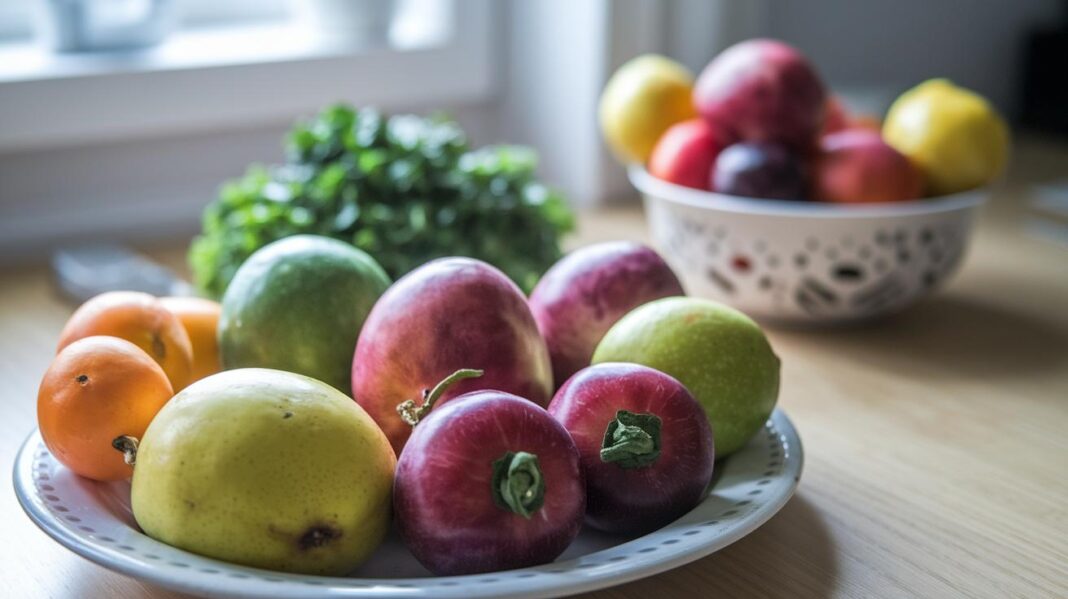
Ever wonder why some days you feel unstoppable while other days seem to drag on? It might be because your body isn't getting the right mix of foods. When you fill your plate with whole grains, lean proteins, and plenty of fruits and veggies, you're giving your body the fuel it needs to stay alert and energized.
Imagine your meal as a team working together. Each food plays its part to boost your energy and keep you feeling lively. It’s like giving your body a little power-up, one bite at a time.
Balanced Diet Facts Elevate Daily Vitality
Eating a balanced diet is like giving your body the fuel it needs for everyday adventures, whether you’re taking a walk, solving a puzzle, or just breathing easy. It’s all about feeding your body the right mix of nutrients that keep you sharp, strong, and smiling through the day.
Mixing different foods is key. Each food group adds something special to the table, working together like a friendly team to keep your system running smoothly. Imagine your meal as a fun puzzle: each piece, from the fiber-rich starchy foods to the vitamin-packed fruits and veggies, helps complete the picture of good health.
- Starchy foods
- Proteins
- Dairy/fortified alternatives
- Unsaturated fats
- Fruits
- Vegetables
When it comes to treats like foods high in fat, salt, and sugar, a little goes a long way, about 100 to 150 kilocalories per serving. By keeping these portions small, you leave plenty of room for nutrient-rich choices that boost energy and help fend off long-term health issues. It’s all about balancing enjoyment with a focus on what really fuels your best self.
Balanced Diet Macronutrient Breakdown

Carbohydrates are like the fuel for your body. Whole grains such as wholegrain bread, pasta, potatoes, and rice give you steady energy all day. They also pack a good amount of fiber. Fiber helps keep your digestion smooth and even makes you feel full longer. Think of whole grains as the dependable engine that keeps you moving.
Proteins are the building blocks that help repair and grow muscles and tissues. Both animal and plant sources offer their own benefits. For example, beans, pulses, fish, eggs, meat, lentils, and chickpeas all boost your protein intake. Plant-based sources are usually lower in fat and come with extra fiber. Mixing these foods in your diet helps your body heal from everyday wear and tear while supporting overall growth.
Fats are essential too, as they help maintain healthy cells and provide lasting energy. Unsaturated fats, found in vegetable oil, sunflower oil, and olive oil, are the heart-friendly choice that supports good blood cholesterol levels. On the other hand, saturated fats from sources like butter, coconut oil, and palm oil can raise cholesterol if you have too much. Choosing unsaturated fats not only benefits your heart but also enhances your meals in a healthy way.
| Macro | Primary Role | Key Food Sources |
|---|---|---|
| Carbohydrates | Energy & Fiber | Wholegrain bread, rice, pasta, potatoes |
| Proteins | Muscle & Tissue Repair | Beans, lentils, fish, eggs, meat |
| Fats | Cell Health & Energy | Olive oil, vegetable oil, nuts |
Balanced Diet Micronutrient Essentials
Fruits and veggies are loaded with vitamins and antioxidants that help protect you from everyday stress. Try to have at least five servings a day to grab vitamin A, vitamin C, and other useful antioxidants that boost your immune system and keep your skin glowing. For instance, a crisp apple or a handful of berries can kick off your day with a nutrient boost.
Fortified dairy or alternatives like soy and oat milk give you a healthy dose of calcium, iodine, and B vitamins. They usually have less sugar and are packed with extra nutrients to help build strong bones, support your thyroid, and keep your energy up. A bowl of cereal or an afternoon smoothie with one of these choices can easily plug any gaps in your nutrition. And if you’re looking for an extra lift, spirulina is a superfood loaded with vitamins and minerals.
Calcium and iodine play a big role in keeping your bones strong and your thyroid on track, while B vitamins keep your metabolism humming along nicely. Mixing up your meals, from a colorful salad to a glass of fortified milk, helps you hit your daily nutrient targets. This balanced approach not only delights your taste buds but also supports your health for the long haul.
Evidence on Balanced Diet Benefits
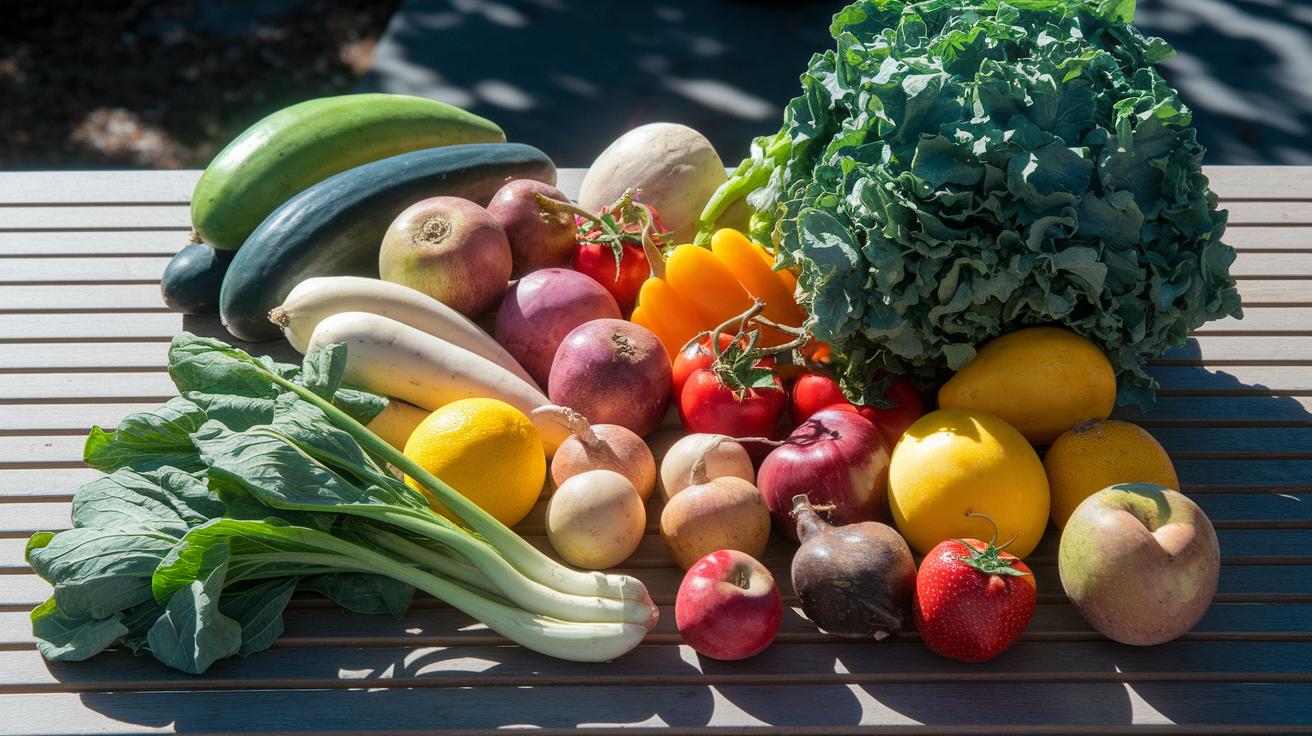
Research shows that healthy eating patterns, like the Mediterranean, DASH, and Nordic diets, can lower the risk of heart disease, some cancers, and memory problems. These plans focus on plenty of vegetables, fruits, whole grains, lean proteins, and healthy fats. People who follow these diets often enjoy better heart health and sharper minds. Even vegetarian and vegan diets, when centered on plants like vegetables, pulses, and whole grains, can reduce heart disease risk. In truth, eating this way can help fend off long-term health issues that disturb daily life.
Changing your lifestyle to include more whole foods usually leads to better weight control and less fatigue than quick-fix diets. By choosing unprocessed, nutrient-packed foods instead of supplements, you get a mix of vitamins, minerals, and natural antioxidants that keep your body running smoothly. Swapping processed snacks for meals made from natural ingredients can boost overall well-being. This balanced, science-based approach is a smart strategy for anyone looking to boost energy and enjoy lasting health.
Practical Balanced Diet Meal Planning Tips
Meal planning is a smart move if you want to eat well and keep your portions in line. When you decide what to eat ahead of time, you’re less likely to grab something last minute that might not match your health goals. This means planning each serving carefully, so you stick to a balanced diet, day in and day out.
Try keeping your snack calories around 100 to 150 kilocalories (that’s just a way to measure energy in food). A small bowl of fresh fruit or a few whole-grain crackers can hit the spot without throwing off your calorie goals. It’s a simple way to enjoy tasty treats while staying on track.
Another great tip is to choose seasonal fruits and veggies, and even buy whole grains in bulk. Seasonal produce usually tastes better and costs less, while buying in bulk helps cut down on waste and keeps healthy staples ready for you.
For extra support with your meal plans, check out our free tools:
Grocery list for healthy eating and
Meal planner for healthy eating.
These resources take the stress out of planning, so you can focus on enjoying your balanced meals.
Common Balanced Diet Myths and Clarifications

Many of us think that one special diet works for everyone, but that’s just not true. Each person's makeup and lifestyle are unique, which means a diet that works for one person might not work for another. In fact, following a one-size-fits-all plan without knowing your needs is a bit like wearing shoes that don’t fit.
It’s easy to fall for quick-fix plans that promise tons of benefits but rarely bring lasting changes. Real food matters more than anything. For instance, artificial trans fats and heavily processed carbohydrates can hurt your body, and no pill can make up for a lack of fresh, whole foods. Whole grains, as opposed to refined ones, keep more of the good stuff like fiber and essential nutrients that your body needs.
Rather than chasing radical diets that offer short-term fixes, switching to balanced, realistic food choices is the way to go. By focusing on steady, science-backed eating habits, you can truly boost your vitality and enjoy better overall health.
Balanced Diet Plate Composition Analysis
Ever wonder how to piece together a healthy meal? The Eatwell Guide makes it really simple: fill half your plate with fruits and veggies, use a quarter for starchy foods like whole grains or potatoes, and save the other quarter for proteins such as beans, fish, or lean meats. Don’t forget to add a small serving of dairy or its alternatives and a little drizzle of healthy oils. This way, you create a plate that’s both colorful and full of essential nutrients.
This easy plan not only helps you get a good mix of vitamins and minerals but also keeps your portions in check. When you stick to these simple ratios, each meal naturally offers the right amount of energy-sustaining carbs while covering your nutrient bases. It’s a practical tip for everyday eating that helps you enjoy a balanced diet and keep your body nourished.
Final Words
In the action, we broke down key balanced diet facts, from offering your body the full range of nutrients to the power of a colorful plate. We touched on the role of fruits, vegetables, proteins, and fats in everyday health.
This article laid out simple meal-planning tips, portion guidance, and myth clarifications that anyone can use to keep moving forward. Embrace these ideas, knowing that small tweaks can spark big improvements in your daily well-being.
FAQ
Q: What is a balanced diet with an example?
A: The balanced diet means eating foods from all key groups like starchy foods, proteins, dairy, fruits, and vegetables. For example, choosing whole grains, lean meats, milk, apples, and broccoli supports overall health.
Q: What are good examples of a balanced diet food list and plate?
A: The balanced diet food list and plate include starchy foods, proteins, dairy or fortified alternatives, unsaturated fats, fruits, and vegetables. This mix gives you energy and vital nutrients for everyday well-being.
Q: What are 10 facts about the importance of a balanced diet?
A: The 10 facts show a balanced diet supplies essential nutrients, boosts energy, supports growth, repairs tissues, strengthens bones, aids heart and brain health, enhances immunity, improves digestion, regulates weight, and sustains overall wellness.
Q: What are the 7 things you need in a balanced diet?
A: The 7 essentials in a balanced diet are starchy foods, proteins, dairy or fortified alternatives, unsaturated fats, fruits, vegetables, and dietary fiber, each playing a role in fueling and protecting your body.
Q: How can I follow a 7-day healthy eating plan?
A: The 7-day healthy eating plan organizes meals so each day features all food groups with proper portions and varied recipes, allowing you to enjoy steady energy and balanced nutrition every day.
Q: Where can I find a balanced diet PDF?
A: The balanced diet PDF is often available on trusted nutrition websites where you can download detailed food lists, meal plans, and guides that help you easily plan healthier meals.
Q: What healthy foods should I eat every day?
A: Daily healthy foods include whole grains, lean proteins, low-sugar dairy or alternatives, healthy fats from oils or nuts, plus plenty of fruits and vegetables to boost natural body functions and energy.

