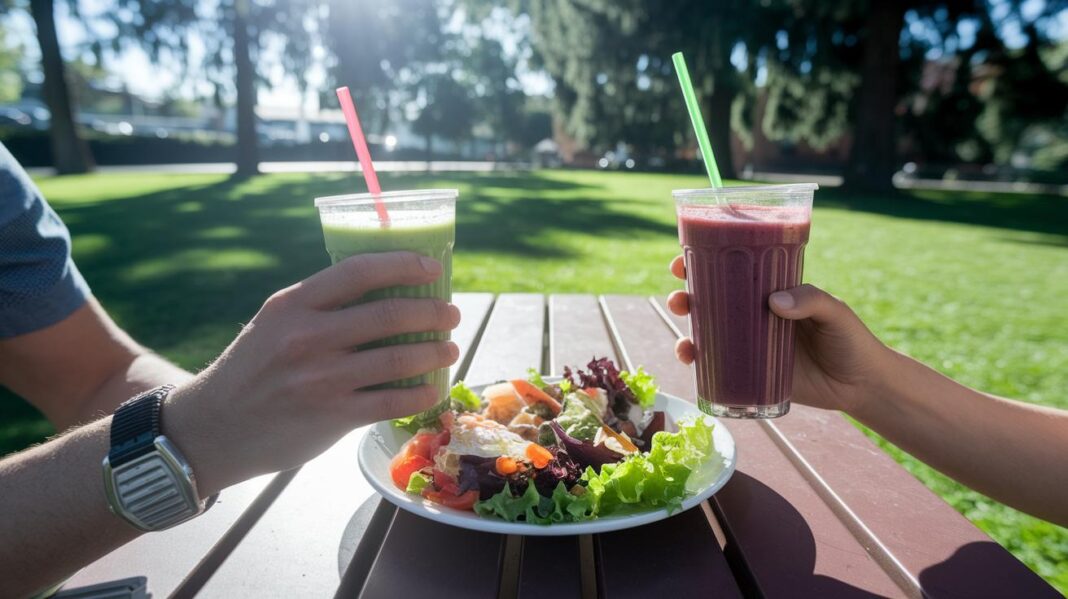
Ever wonder why you sometimes feel tired even after eating? It might be your food choices or not drinking enough water that's bringing you down. Think of your body like a car: food is your fuel and water works like oil that helps keep everything running smoothly. When you eat a mix of healthy foods and drink enough water, you'll notice a boost in your energy all day. In this post, I'll share how smart eating alongside proper hydration can help you feel vibrant every day.
How balanced diet and hydration support overall health
Water does so much for our bodies, even though we rarely think about it. It delivers nutrients to our cells, carries waste away, cushions our joints and organs, and helps keep our body temperature in check. Think of it like the oil in a car engine, without it, nothing runs as smoothly. It works quietly in the background, helping us stay active and feel our best.
A balanced diet means getting good foods from every major food group. Carbohydrates, proteins, fruits, vegetables, and dairy all bring important vitamins, minerals, and energy to our systems. Picture a meal full of colorful veggies, lean proteins, and whole grains, the variety means you’re covering all your nutrition bases. Events like annual Nutrition and Hydration Week show just how powerful it is when you mix a range of foods with enough water.
When you combine the right foods with regular hydration, you set yourself up for steady energy all day long. Drinking water and eating nutrient-packed meals not only helps clear waste efficiently but also fuels an active lifestyle. Ever notice how athletes sometimes skip water breaks and end up feeling wiped out? Making sure you balance your diet with plenty of water keeps you active, alert, and connected to your overall well-being.
Essential nutrients and food groups in a balanced diet

Carbohydrates are the fuel that powers your day. They come from foods like whole grains, fruits, and vegetables. These complex carbs give you steady energy and include fiber, which helps your tummy work properly. Ever try starting your morning with a warm bowl of oatmeal or a slice of whole grain toast? It’s a simple, tasty way to get going.
Proteins help build and repair your muscles. Foods like chicken, beans, or fish offer lean protein that supports your body after a busy day. Adding a small serving of protein to each meal can keep you feeling strong and ready for anything.
Fruits and vegetables pack a punch of vitamins, minerals, and antioxidants. For instance, watermelon is a refreshing fruit that’s mostly water and comes loaded with vitamins A and C along with electrolytes. Veggies add not only vibrant color and natural sweetness to your meals but also much-needed fiber. If you’re looking for ideas, a handy healthy grocery list can inspire you to try new ways to boost your fruit and veggie intake.
Dairy products and alternatives, like fortified almond or soy milk, offer calcium and vitamin D to support strong bones. A cup of milk or a serving of yogurt can be an easy daily addition. These choices not only strengthen bones but also contribute a bit of protein, rounding out a balanced diet.
| Food Group | Key Nutrients | Portion Example |
|---|---|---|
| Carbohydrates | Complex carbs, Fiber | 1 cup whole grains |
| Proteins | Lean protein, Amino acids | 3 oz chicken or legumes |
| Fruits & Vegetables | Vitamins, Antioxidants | 1 cup mixed fruits/veggies |
| Dairy & Alternatives | Calcium, Vitamin D | 1 cup milk or yogurt |
Daily water intake guidelines for balanced diet and hydration
- Aim for 8 cups (64 oz) of water every day. If you’re exercising or it’s a hot day, try to drink a bit more.
- Experts recommend that men have about 3.7 liters each day and women about 2.7 liters. Of course, your needs can change depending on how active you are or what the weather is like.
- Set reminders to drink water throughout the day. This little habit helps keep your body running smoothly.
- Try not to store water in hot plastics or leave bottled water in a warm car. This way, you avoid letting any chemicals seep into your drink.
- When you feel signs of dehydration, skip drinks with caffeine or alcohol since they can actually make you even thirstier.
Clean, safe water is essential for keeping our bodies healthy. Look for sources you trust, like filtered tap water or spring water that’s been properly treated. This ensures you get the purity you need while enjoying nature’s best resource.
Sometimes, adding a little flavor can make drinking water a treat. Consider tossing in some fresh mint, cooling cucumber slices, or a few lemon wedges. These simple ingredients lend a refreshing taste and a tiny boost of vitamins. Keep a pitcher with these goodies in your fridge so every glass feels a bit extra special.
balanced diet and hydration: Feel Energized Daily
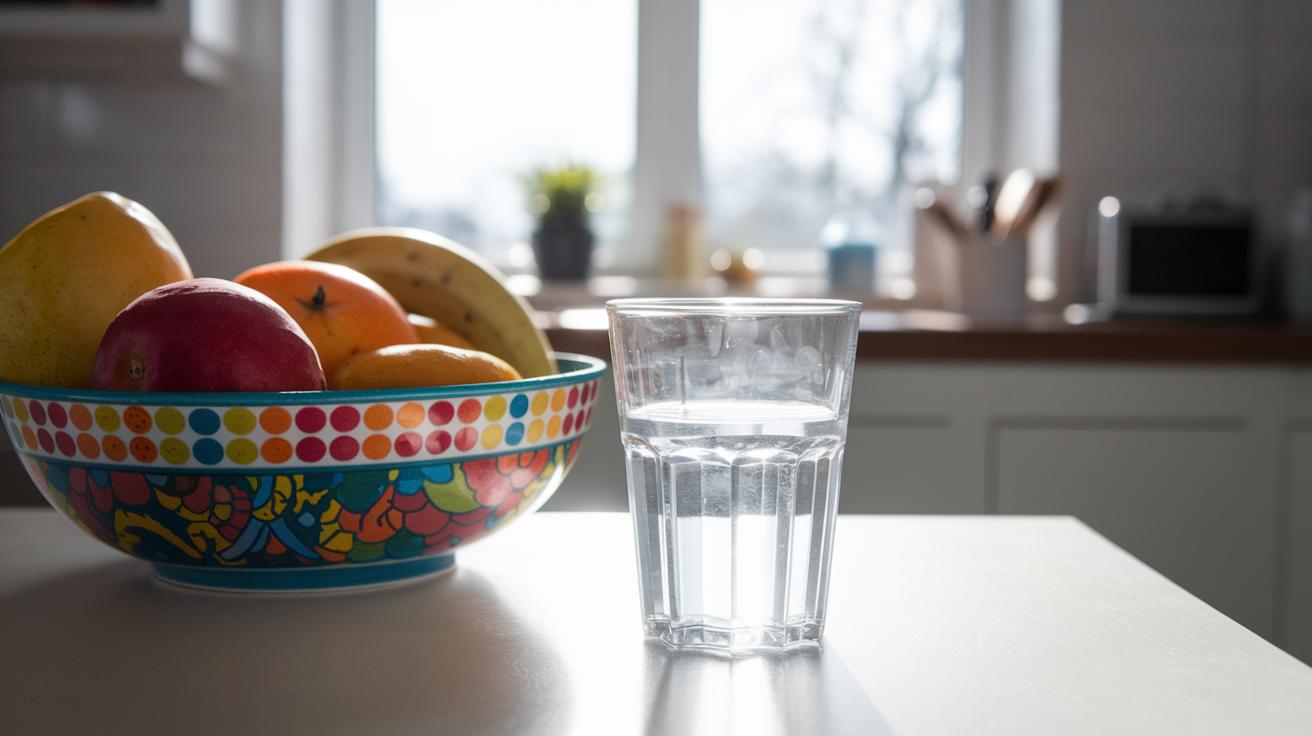
Kickstart your day by blending colorful, produce-based meals with a steady flow of water. This approach not only boosts your nutrient uptake but also helps keep your digestion humming without giving you the same old advice. We’re here to share a fresh take on pairing specific hydration moments with smart meal planning to naturally control how much you eat.
Try building your routine around five simple hydration steps. First, drink a full glass of water when you wake up, picture enjoying that refreshing sip before you tuck into your fruit bowl. Next, have a glass about 15 minutes before lunch to gently wake up your digestion. Then, take a mid-afternoon water break to stay alert. Add a fun twist by munching on hydrating snacks like watermelon or crisp cucumber sticks, and finally, enjoy a drink with your dinner. Following these steps not only ensures you get enough water but also helps keep your portions in check.
Imagine your day laid out like this: a glass of water with a light, produce-packed breakfast in the morning; a quick water sip before a lean protein-rich lunch to set your digestion on the right path; a refreshing mid-day water break with a healthy, hydrating treat; and a hydrating drink to wrap up your hearty dinner. For extra help, use a meal planner for healthy eating to effortlessly schedule your meals and water intake for the week.
Exercise and diet synergy: hydration essentials for performance
Think of exercise as a well-tuned machine where water is its fuel. When you move, sipping water helps cool you down and replaces the fluids you lose when you sweat. It not only supports your body but keeps your brain alert too, kind of like giving both your muscles and mind a friendly reminder to stay on track.
Staying hydrated means you're able to think clearly and control your body temperature, which is really important during a tough workout. With steady water intake, you can focus on your routine without feeling overheated or worn out.
Before starting your workout, try eating some whole grains for energy, a bit like fueling up your car before a long drive. After you finish, a small boost of protein helps your muscles recover and get ready for the next round.
For lighter activities, water does the trick on its own. But when you’re working harder or for longer periods, a sports drink might be helpful because it replaces electrolytes, the essential minerals you lose through sweat.
Finding the right balance between water and nutrients can turn a good session into an awesome one.
Debunking common myths about balanced diet and hydration

Ever heard that caffeinated drinks dry you out? In truth, moderate caffeine doesn’t rob your body of water. It might mess with your sleep for some folks, but the good news is it doesn’t lead to dehydration.
And don’t feel pressured by the old rule that everyone needs eight 8-ounce glasses of water a day. How much you need really depends on your body size, the weather, and how much you move around. Sometimes you might need a bit more, sometimes a bit less, to keep your energy up.
Ever wonder if you always need a sports drink during exercise? They only really help during long, high-intensity workouts when you lose a lot of electrolytes through sweat.
And while it might sound safe, drinking too much water can actually upset your body’s balance, leading to nausea, cramps, or even confusion.
Getting these facts straight makes it easier to focus on a healthy eating and hydration plan that supports your daily energy and overall well-being.
Final Words
In the action, the article broke down how a balanced diet and hydration support overall health. It explained how water helps transport nutrients, remove waste, and regulate body temperature. It discussed the essentials of a balanced diet, from whole grains and lean proteins to fresh produce, and laid out daily water intake guidelines. We even paired meal planning with hydration tips for physical activity while busting common myths. All these insights come together to help you enjoy steady energy, better waste removal, and overall wellbeing with a balanced diet and hydration.
FAQ
What are some examples from a balanced diet food list?
A balanced diet food list includes whole grains, lean proteins, fruits, vegetables, and dairy or non-dairy alternatives, ensuring you get a mix of carbohydrates, protein, vitamins, and minerals.
How much water should an adult drink per day according to a water intake calculator?
A water intake calculator suggests that men aim for about 3.7 liters and women about 2.7 liters daily, though needs can change based on activity level and climate.
How do you define a balanced diet with an example?
A balanced diet means including all food groups – for instance, a meal with brown rice, grilled chicken, steamed broccoli, and a side of fruit covers carbohydrates, proteins, vitamins, and minerals.
Why is a balanced diet important and what are its key components?
A balanced diet is important because it offers the energy and nutrients needed for health; it includes carbohydrates, proteins, fats, vitamins, and minerals to support body functions and wellbeing.
What role does hydration play in a balanced diet?
Hydration plays a crucial role by transporting nutrients, eliminating waste, and helping regulate body temperature and joint health alongside a balanced intake of foods.
Which three foods are over 90% water?
Three foods that are over 90% water include cucumbers, tomatoes, and watermelon, making them excellent choices for boosting hydration while adding nutrients.
Why is water important in a balanced diet?
Water is important in a balanced diet as it aids in nutrient transport, temperature regulation, and overall organ function, ensuring every system in your body operates smoothly.
What hydrates more than water?
While water remains the best hydrator, hydrating foods like watermelon and cucumber also add essential nutrients, complementing pure water to support overall hydration.
What is a 7-day healthy eating plan?
A 7-day healthy eating plan outlines daily meals featuring a variety of nutrient-rich foods and scheduled hydration guidelines to help maintain steady energy and overall health.

