
Have you ever noticed how a tiny germ can turn your day around? Norovirus can hit you fast and spread before you even know it. A quick handshake or touching a spot on a countertop might be all it takes for this virus to get in.
In this post, we share simple, everyday tips that act like a shield against norovirus. From washing your hands thoroughly to cleaning surfaces well, we’ll show you easy ways to keep yourself and your family safe and healthy.
Key Steps to Prevent Norovirus Infection
Norovirus spreads quickly from person to person, often through hand-to-mouth contact. In many cases, you can start feeling sick in as little as 12 to 36 hours after coming in contact with the virus. Here are six simple steps you can take right away to cut down the risk and keep the virus from spreading:
-
Clean your hands thoroughly.
Scrub your hands with soap and water for at least 20 seconds. Think of it like washing away invisible germs, similar to giving your car a good clean so it stays free of unwanted critters. -
Use an alcohol-based sanitizer when soap isn’t around.
If you don’t have access to soap and water, a hand sanitizer with alcohol can help lower the germs on your hands for a while. -
Regularly wipe down surfaces you touch often.
Clean items like door handles and countertops with a proper cleaning solution. This step removes germs that might be hanging around. -
Practice safe food prep.
Rinse fruits and vegetables under running water and cook any shellfish to the proper temperature. This helps make sure that your food stays clean and safe to eat. -
Keep anyone who feels sick separate.
If someone shows symptoms of norovirus, try to keep them apart from others. This step makes a big difference in stopping the virus from spreading at home. -
Wash contaminated items right away.
Clean linens, towels, and clothing in hot water with detergent. If you can, use bleach to make sure any leftover virus particles are destroyed.
These steps not only help protect you but also keep the people around you safe. Acting quickly is key to stopping norovirus from spreading further.
Understanding Norovirus Transmission Routes

Norovirus spreads easily when people come into direct contact with one another. When an infected person touches someone else, like a handshake or a hug, the virus can pass on, almost like sharing a secret you’d rather keep to yourself.
Everyday objects also play a big part. Items such as door handles, phones, or even light switches can hold tiny bits of the virus. And sometimes, when a person is sick and vomits, little droplets can float through the air or land on surfaces, making it even easier to catch. It’s a good idea to frequently clean these high-touch spots.
After you come into contact with the virus, it usually takes about 12 to 36 hours before you start feeling sick. And even after you’re on the mend, traces of the virus can remain in your body for up to one week. So, keeping your home clean and practicing good hand washing is key to stopping its spread.
Mastering Hand Hygiene to Prevent Norovirus
Keeping your hands clean is key to avoiding pesky viruses like norovirus. Here are five simple steps to help you stay healthy with soap and water:
- First, wet your hands completely.
- Next, squeeze on plenty of soap.
- Then, rub your hands together for at least 20 seconds, taking time to clean every spot between your fingers and around your nails.
- After that, rinse off all the soap under running water.
- Finally, dry your hands using a fresh, clean towel.
If you can’t find soap and water, an alcohol-based hand sanitizer with at least 60% alcohol works too. Just cover all surfaces of your hands until they feel dry. Remember, while hand sanitizer is a handy backup, washing with soap and water is still the best way to fight norovirus.
Surface Disinfection Methods for Norovirus Prevention
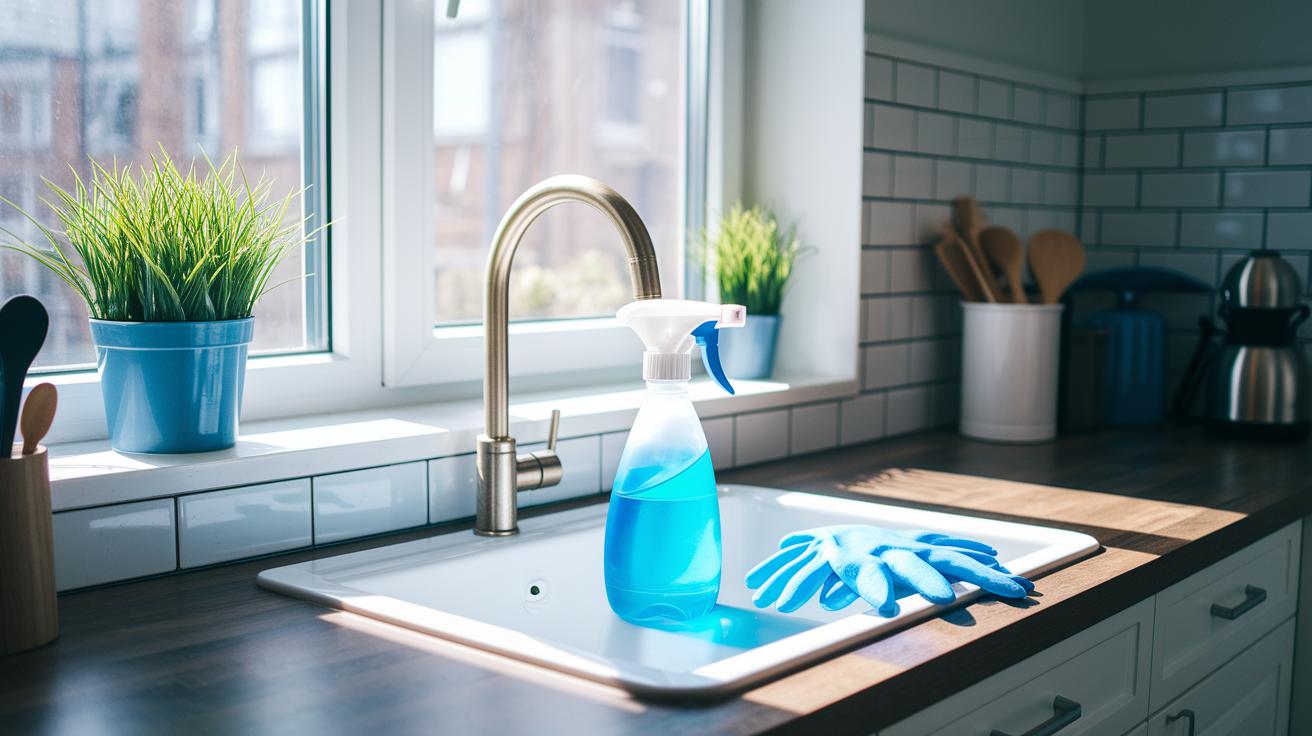
Norovirus can hang around on surfaces for days or even weeks. This makes places like homes, schools, offices, and public spots risky if items like door handles, countertops, and remote controls aren’t cleaned well. The good news is that using the right cleaning products and following some simple steps can really lower the risk of spreading the virus.
For example, whether you opt for a bleach-based cleaner or another type of disinfectant, it’s important to mix it correctly and let it sit for the right amount of time. This step-by-step approach helps break down those tough germs, keeping your space safer.
| Disinfectant | Dilution/Concentration | Contact Time |
|---|---|---|
| Bleach solution | 1,000–5,000 ppm (5–25 tbsp per gallon) | 5 minutes |
| Alcohol-based wipes | Ready-to-use | 1-2 minutes |
| Hydrogen peroxide | 3% solution | 3-5 minutes |
| Quaternary ammonium | As directed | Typically 10 minutes |
When cleaning, it’s smart to wear gloves and eye protection. This extra step not only prevents skin irritation but also protects you from any splashes of strong chemicals. Taking these precautions means you’re not only fighting off norovirus but also looking after yourself at the same time.
Safe Food Handling to Prevent Norovirus Spread
Food handlers play a crucial role in keeping norovirus away from our meals. Always wash your hands with soap and water, especially before and after handling food. Wearing gloves while preparing meals and swapping them out between tasks really helps cut down on germs. This simple habit makes the kitchen safer and lowers the chance of illnesses linked to raw shellfish or unclean produce.
Proper cooking is just as important. For example, cooking shellfish until it hits at least 145°F helps kill any stray viruses. Rinsing fruits and vegetables under running water gets rid of dirt and germs, too. When you stick to these easy steps, you not only keep food free from norovirus but also build trust in the meals you prepare at home.
Preventing cross-contamination in the kitchen is a must. Use separate tools for raw and cooked foods, and clean cutting boards and countertops well between uses. Keeping these areas distinct from ready-to-eat items creates a safe zone for meal preparation. Adding these simple habits to your routine helps protect everyone from potential health issues.
How to prevent norovirus: Smart Hygiene Practices

On cruise ships, stopping norovirus fast is super important. Outbreaks can hit as many as 300 people in no time. That’s why crew members stick to daily cleaning routines, giving extra attention to common areas like dining rooms, cabins, and leisure zones. They make sure to wipe down surfaces everyone touches, such as railings, elevator buttons, and door handles. This careful cleaning helps prevent the virus from building up and keeps outbreaks from spreading among passengers.
In busy workplaces, simple hygiene habits can really help keep norovirus at bay. Many offices set up hand-sanitizer stations in spots where people gather and tidy up areas like door handles, keyboards, and shared equipment often. Quick clean-ups and regular attention to spills lower the risk of spreading the virus. Plus, employees are reminded to wash their hands and stay home if they’re feeling sick. These steps work together to keep everyone safer at work.
Schools also take great care to keep both students and staff healthy. Many schools have a special room where anyone showing symptoms can be isolated to stop further spread. They quickly notify parents and local health officials if there’s a chance of an outbreak. Classrooms, shared gadgets, and play areas get a good cleaning every day too. Overall, these smart routines help create a safer environment and reduce the risk of norovirus transmission.
Managing Norovirus Risks at Home and Among Families
When someone in your home feels sick with norovirus, it helps to keep them in a room by themselves until at least 48 hours after their symptoms end. This way, you reduce the chance of the virus spreading. And when you’re caring for them, grab a pair of disposable gloves or a mask, it really makes a difference.
Next, take care of any laundry and personal items. Immediately wash the sick person’s clothes, bedding, and towels in hot water with detergent, and add bleach if you can. Also, wipe down shared items like toys, remote controls, and electronics. This extra step clears away any virus particles, keeping your home safer.
Remember, little ones, older adults, or anyone with a weakened immune system need extra care. Make sure they have their own utensils, cups, or towels to prevent mixing up personal items. Keeping things separate and cleaning them often is a simple way to protect everyone at home.
Final Words
In the action, the post outlined simple ways to avoid norovirus. We walked through key steps like routine handwashing, careful surface cleaning, safe food handling, and ways to reduce risks in crowded spots or at home. Each section broke down practical tips in clear steps. This guide helps you learn how to prevent norovirus and build stronger daily health routines. Stay positive and take these steps to keep your space safe and your well-being bright.
FAQ
How do you avoid norovirus when a family member has it, stop norovirus before it starts, and reduce the risk of norovirus?
Avoiding norovirus means washing hands often, cleaning surfaces thoroughly, and keeping sick family members apart. This minimizes the chance of spreading the virus even if someone in the home is ill.
Can wearing a mask prevent norovirus?
Wearing a mask may help reduce droplets during vomiting events, but it is not a full shield against norovirus. Hand hygiene and surface cleaning are much more effective at lowering the risk of catching the virus.
What are the norovirus symptoms?
Norovirus symptoms include sudden stomach pain, nausea, vomiting, and diarrhea. These signs usually last for a few days and may lead to dehydration if fluids are not replaced.
What is the treatment for norovirus?
Norovirus treatment focuses on drinking plenty of fluids to avoid dehydration and getting enough rest. There is no specific medicine for norovirus, so care centers on staying hydrated and comfortable until recovery.
How do you prevent norovirus in food?
Preventing norovirus in food involves washing produce well, cooking shellfish adequately, and avoiding cross-contamination in the kitchen. Food handlers should practice strict hand hygiene and change gloves frequently.
What kills norovirus besides bleach?
High-concentration alcohol solutions and hydrogen peroxide may help reduce norovirus on surfaces, though bleach remains the most reliable disinfectant for this tough virus.
What is the norovirus incubation period?
The incubation period for norovirus typically lasts 12 to 36 hours. This means symptoms can begin within that time after exposure, and the virus can continue spreading in stool for several days.
Can you be around someone with norovirus and not get it?
Being near someone with norovirus does not guarantee infection if you maintain good hygiene. Regular handwashing and disinfecting surfaces help lower the chance of catching the virus even during close contact.
How can I boost my immune system against norovirus?
Boosting your immune system involves eating balanced meals, staying active, getting enough sleep, and managing stress. A strong overall health foundation may help your body fend off norovirus more effectively.

