
Ever have those days where you just feel slow? A bit of cardio might be the pick-me-up you need to feel more awake. Even just a brisk walk or a bike ride can help clear your mind and add a burst of energy. You don’t need any fancy gadgets to get started. With a simple plan, you can turn daily exercise into a fun way to feel better. Let’s show you how easy it is to bring more pep into your day.
Getting Started with Cardio Workouts for Beginners
Start by following trusted health guidelines. For example, the NHS suggests aiming for about 75 minutes of vigorous exercise or 150 minutes of moderate activity each week, along with some strength work. You might choose easy activities like brisk walking, cycling, or hiking, or even kick things up a notch with running, spin classes, or your favorite sport to get that energy boost.
When it’s time to work out, decide if today fits a calming, steady session of LISS (low-intensity steady state) where you keep a comfortable pace, like walking steadily on a treadmill for at least five minutes. Or, maybe you’re in the mood for HIIT (high-intensity interval training), which mixes quick bursts of hard exercise, such as sprinting, with slower recovery periods of jogging or walking.
Try starting with a simple plan:
- Set a weekly goal. For example, plan for three moderate sessions of about 50 minutes each, or mix it up with one vigorous workout paired with two moderate workouts.
- Use a fitness schedule that fits into your lifestyle. Jotting down your plan can really help keep you on track.
- Focus on small, steady improvements. Think of it like this: “I started with five minutes of steady walking, and soon I was enjoying ten minutes of refreshing movement.”
Listen to your body and go at your own pace. It’s a good idea to blend both low- and high-intensity workouts throughout the week, and don’t forget to schedule some rest days so your body can recover and keep giving you that energy boost.
Easy Home-Based Cardio Workouts for Newcomers

Feeling low on energy? These simple, no-equipment exercises are perfect for getting you moving at home and boosting your heart health. Start with a walk in place. If you want a little extra refreshment, step outside. Try walking briskly for about 5 minutes, you might say, "I stepped outside and felt instantly revived by the cool morning breeze," which can turn your walk into a mini adventure.
Next, shake things up with a fun dance session. Dancing is a great way to move your body, improve your coordination, and burn calories. After your dance, consider a bodyweight circuit that includes squats, lunges, and push-ups. For a quick burst of fat-burning energy, try a high-intensity interval workout: do high-knee runs for 30 seconds, take a 30-second break, and repeat a few times. If stairs are available at home, give stair climbing a go, it challenges both your muscles and your heart.
Always keep an eye on your heart rate and choose a pace that feels comfortable. Stick with these exercises, and you'll soon notice more energy and a steadily growing home fitness routine.
Beginner-Friendly Gym Cardio Plans
Treadmill Routine
Begin your workout with a 5-minute warm-up walk to loosen your muscles and get your heart going. Next, switch between jogging for 1 minute, at your normal 5k pace and maybe even nudging the speed up a little, and then walking for 2 minutes to catch your breath. Aim for a session that lasts about 15 to 20 minutes. This mix of a steady pace and bursts of speed is like a gentle introduction to more intense workouts, giving you both an energizing challenge and a chance to recover.
Elliptical Session
The elliptical machine is a great way to work your entire body without putting too much strain on your joints. Set the resistance to a low to moderate level and keep a steady pace for 20 minutes. Focus on moving the handles along with your legs, so you feel a balanced workout that energizes your arms and legs. Imagine gliding smoothly as you move, feeling both relaxed and active at the same time.
Stationary Bike Plan
For a stationary bike workout, start by setting the resistance around 3 or 4 out of 10. Cycle at about 60–70% of your maximum effort for 10 to 15 minutes, then take it easy with a 5-minute cooldown at a slower pace. This routine is designed to give you a steady burst of energy without feeling overwhelming, perfect for anyone new to gym workouts.
Mixing these different types of workouts during your week not only builds your cardiovascular strength but also keeps your routine interesting. Each session is a new chapter in your fitness journey, adding variety and keeping you motivated along the way.
Simple HIIT Sessions for Cardio Beginners
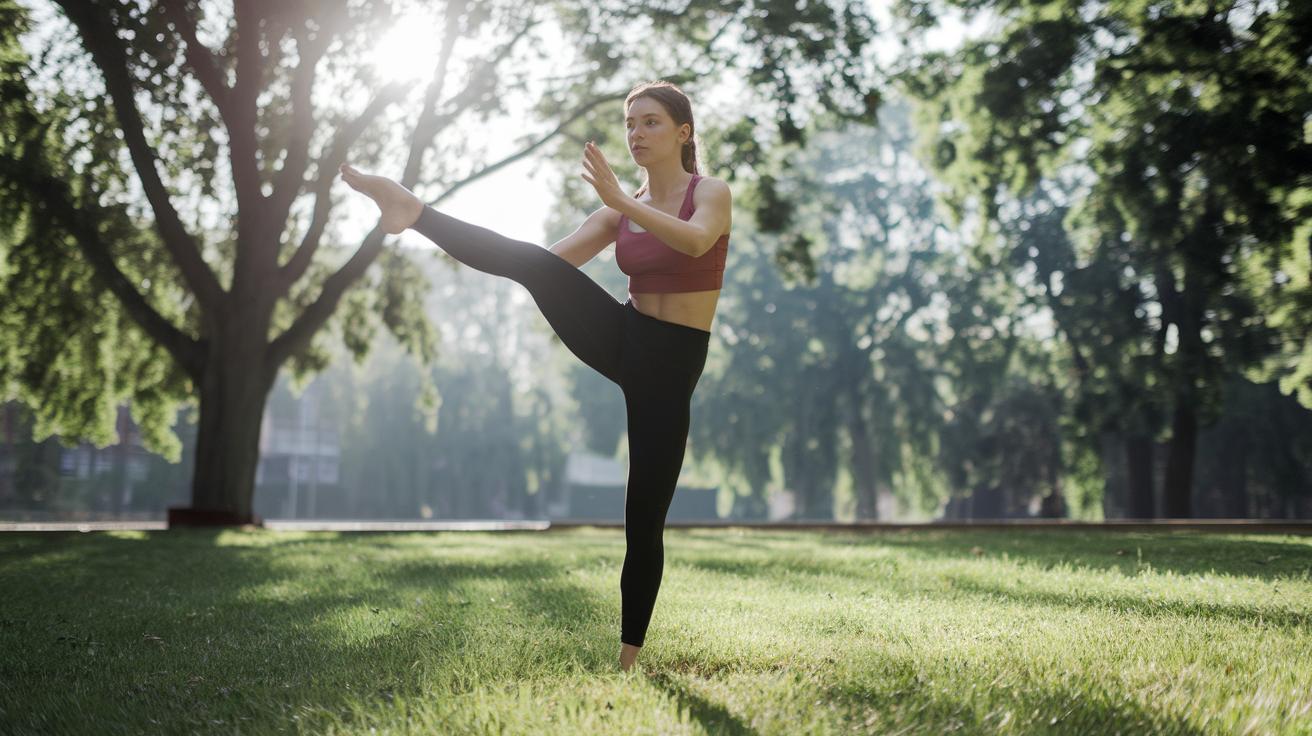
This HIIT plan works great whether you’re at home or in the gym. Start off with a warm-up of 3 to 5 minutes using easy moves like marching on the spot. If you’re new to exercise or don’t have fancy equipment, swap out sprints for high knees or jumping jacks. Imagine doing high knees, feeling your heart start to beat faster, then slowly catching your breath.
Next, do four rounds of exercise. For each round, push hard for 1 minute, aim to move at or just a bit faster than your usual pace. Follow that with 2 minutes of recovery by walking or jogging slowly. If a full minute seems too tough at first, try doing a 30-second burst and take a longer break until you feel ready. Picture this: you do a quick burst of high knees, then ease into a slow walk to let your heart calm down.
After your rounds, finish up with a cool-down of light walking and gentle stretching for about 3 to 5 minutes. Always listen to your body and slowly increase the intensity as you gain strength.
Low-Impact Cardio Options to Protect Joints
If you're looking to boost your energy without stressing your joints, try workouts that keep things smooth. A brisk 30-minute walk is a great start. Picture yourself on a calm path where your heart beats steadily and your muscles warm up without any strain.
You can also give gentle cycling a try with a low resistance setting. It’s like a relaxed pedal that feels almost soothing, all while keeping your knees and ankles happy. Another option is using a stationary elliptical with a low incline. This lets you move smoothly, engaging your arms and legs at a comfortable pace.
Imagine doing a basic step aerobics routine on a small 6-inch platform, stepping up and down with a gentle rhythm. It’s a simple exercise that’s easy on the joints. If you love being outdoors, consider a flat-terrain hike. Even at a relaxed pace, these steady movements help build endurance and keep your heart healthy.
Focus on smooth, controlled moves during your warm-up exercises. That way, you get a safe and energizing workout that respects your joints.
Tracking Progress and Setting Cardio Goals

Set clear and realistic goals using the SMART method. For instance, jot down how many minutes you exercise each week in a simple journal or a fitness app. Try to add 5 extra minutes to your workouts every two weeks. You might note, "Today I did 10 minutes on the treadmill, and next time I'll aim for 15 minutes," so you can easily track your progress.
Keep an eye on your performance by noting your average pace or the resistance level during your workouts. Whether you're doing bodyweight circuits or dancing at home, record the number of rounds or minutes completed. These simple logs turn everyday activity into clear milestones.
Remember, even little improvements count. Try using a checklist like this:
| Task | Example |
|---|---|
| Workout Log | Record weekly workout minutes |
| Pace Tracker | Note changes in pace or resistance |
| Benchmark Progress | Move from 10 to 20 minutes of continuous activity |
This approach shows the real rewards of your hard work. As you see your progress, you'll feel more motivated to keep moving forward.
Warm-Up and Cooldown Techniques for Beginner Cardio
A warm-up gets your body ready by gradually raising your heart rate and easing your muscles into action. Think of spending about 5 minutes doing simple moves like leg swings, arm circles, torso twists, or even a slow march in place. It's like slowly turning on a car on a cool morning, letting everything wake up gently.
After your workout, a cooldown helps lower your heart rate and lets your muscles recover. Spend 5 to 10 minutes stretching areas like your hamstrings, quads, calves, and shoulders. Imagine sinking into each stretch, feeling the tension melt away like unwinding after a busy day.
These basic warm-up and cooldown tips work well with any routine, whether you’re on a treadmill, trying out HIIT, or doing cardio at home.
| Purpose | Description |
|---|---|
| Warm-Up | 5 minutes of gentle movement to gradually prep your body |
| Cooldown | 5 to 10 minutes of stretches to ease your muscles and lower your heart rate |
Final Words
In the action, we explored safe starting points and structured plans for a variety of cardio routines. We talked about home-based exercises, gym plans, HIIT sessions, low-impact options, and proper warm-up and cooldown techniques. The guide shows you how to track progress and set steady targets. With clear tips and smart guidelines, cardio workouts beginners can confidently build a balanced routine that suits their pace and lifestyle. Stay motivated and enjoy the feeling of increased daily vitality!
FAQ
What at-home cardio workouts are ideal for beginners without equipment?
The at-home cardio routines for beginners include dancing, walking in place, bodyweight circuits, HIIT intervals, and stair climbing. These moves boost your heart rate safely without needing any equipment.
What gym-based cardio workouts suit beginners best?
The gym-based cardio options for beginners feature treadmill walks, elliptical sessions, or stationary bike routines. These plans help you maintain a steady pace, allowing you to mix low-intensity and high-intensity training for balanced progress.
What is the best cardio for beginners?
The best cardio for beginners is an activity that you enjoy and can perform consistently. Options like brisk walking or gentle cycling are great because they build endurance while keeping the workout manageable.
How long should beginners do cardio, and is 30 minutes enough?
For beginners, sessions of 15 to 30 minutes are a good start as you build stamina. A 30-minute workout can be enough when done regularly and combined with other moderate activities throughout the week.
Which type of cardio burns the most fat for beginners?
High‑intensity interval training (HIIT) is effective for fat burning because it boosts your metabolism. Starting gradually with HIIT can help you build up to more intense sessions safely over time.
What are full body cardio workouts for beginners?
Full body cardio workouts for beginners blend exercises like squats, lunges, push‑ups, and short sprints. These routines engage many muscles and effectively raise your heart rate, aiding overall fitness improvements.
How do aerobics, HIIT, anaerobic exercise, and street workouts fit into a beginner’s cardio plan?
Aerobics offers steady, rhythmic movement, HIIT mixes quick bursts with rest, anaerobic exercise focuses on short high‑effort bursts, and street workouts use bodyweight moves outdoors for a creative, varied approach.

