
Have you ever wondered if a few smart food choices could change how you feel all day? A balanced diet isn’t just about filling your plate; it means giving your body the right mix of fruits, vegetables, proteins, grains, and dairy so you stay energized and strong.
In this guide, we explain what each food group brings to the table, like how fruits and veggies help your body run smoothly or how protein aids in repairing muscles. You know, just like putting together the right pieces to build a healthy day.
Small tweaks to your meals can make a big difference in your overall wellness. Ready to see how easy it can be?
Balanced Diet Food Groups Explained: Boost Wellness
Eating a balanced diet means including five key food groups that work together to give your body the right nutrients every day. For instance, aim for 1.5 to 2 cups of fruits daily. Fruits bring vitamins and natural compounds that boost your immune system. You might enjoy a cup of mixed berries with your meal for a touch of natural sweetness.
Vegetables should come next on your plate, with a target of 2 to 3 cups daily. They offer plenty of fiber, vitamins, and minerals that help keep your digestion strong and your energy levels up. Then there’s protein, whether you choose lean meats, beans, or nuts, try to get 5 to 6.5 ounces per day. Think of a palm-sized portion as a simple guide to support muscle repair and the production of important enzymes and hormones.
Don’t forget about grains, which are a key source of carbohydrates for energy. Aim for 6 to 8 ounces a day, and make sure at least half of this amount comes from whole grains. Whole grains bring extra fiber and nutrients that are beneficial for you. Finally, include about 3 cups of dairy or a fortified alternative. This group brings in calcium and vitamin D to help strengthen your bones and keep your body functioning well.
Together, these food groups form a complete nutrient package. They help keep your energy up, support your immune system, aid your digestion, and boost your overall wellness.
Macronutrient Roles in Balanced Diet Food Groups
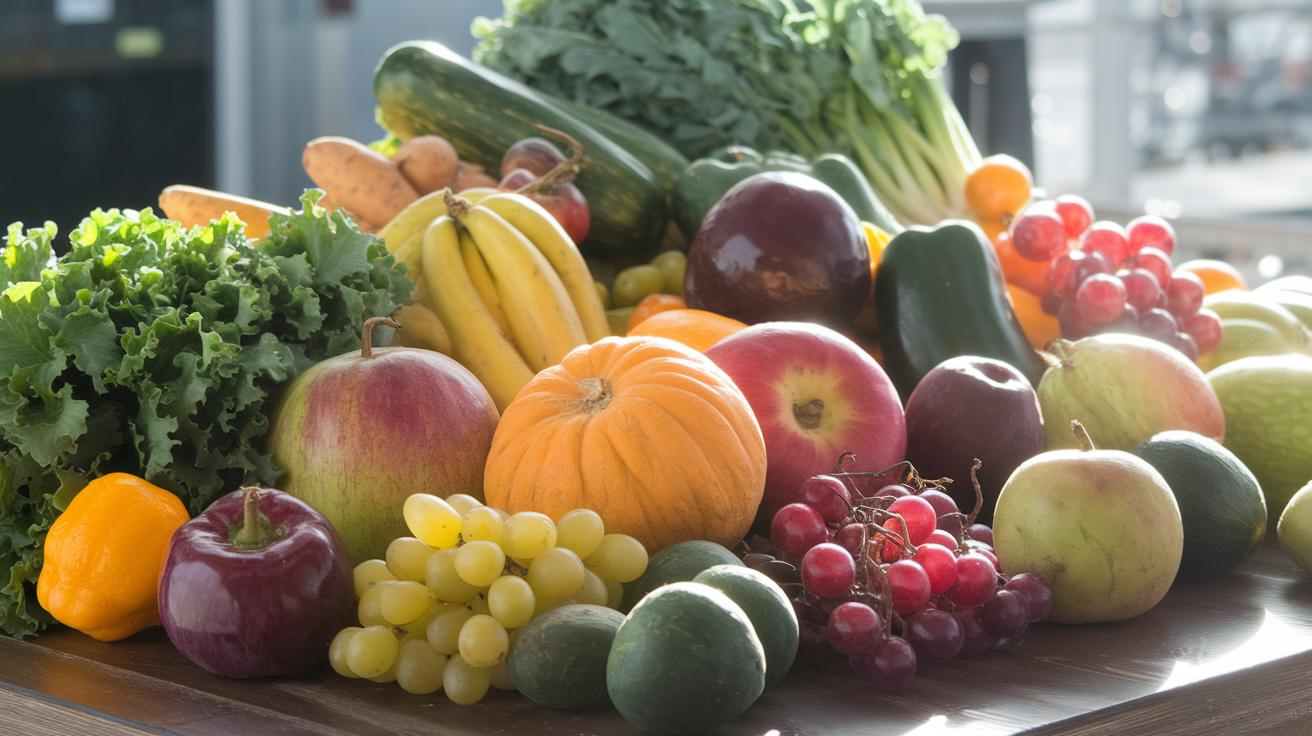
Carbohydrates are our body's main fuel for everyday energy. They usually come from grains, and choosing whole grains gives you extra fiber that helps keep your stomach happy and aids digestion. In fact, swapping white bread for whole-grain alternatives can help you feel more evenly energized throughout the day.
Protein is essential for repairing muscles, creating enzymes, and building hormones. Foods like meat, poultry, fish, beans, and nuts provide protein that acts like the building blocks your body needs. It’s like using quality bricks to maintain strong muscles and support everything your body does.
Fats, especially those from dairy and plant oils, play a big role too. They help form healthy cell walls and keep your hormones in check. Unsaturated fats from olive and nut oils even make it easier for your body to absorb other key nutrients. Along with the fiber found in legumes and grains, these macronutrients work together to give you balanced energy and steady support for your overall health.
Micronutrient Benefits of Fruits & Vegetables in a Balanced Diet
Fruits and vegetables give you a powerful mix of vitamins and minerals that help keep you well every day. Fruits bring in vitamin C, potassium, and natural antioxidants, like those found in berries full of flavonoids. Ever notice that a cup of blueberries can have more antioxidants than many other fruits? It’s a simple way to see how these treats help your cells fight off everyday stress.
Vegetables add their own benefits by supplying vitamins A and K, folate, iron, calcium, and fiber. Dark leafy greens like spinach and kale are especially loaded with calcium and iron, which support strong bones and healthy blood cells. When you eat a variety of colorful vegetables, think red bell peppers, carrots, and broccoli, you’re giving your body a full range of natural compounds that boost your immune system and help manage stress.
Mixing both fruits and vegetables on your plate not only ups your vitamin and mineral intake but also fills you with antioxidants to keep free radicals at bay. This simple switch can help smooth your digestion, keep your energy levels steady, and support overall health. In truth, adding these nutrient-rich foods regularly is like giving your body the steady support it needs to stay active and healthy.
Portion Recommendations for Balanced Diet Food Groups

Follow the USDA MyPlate guide to enjoy balanced meals every day. Fill half your plate with fruits and veggies, one quarter with grains (whole grains are best), and the last quarter with proteins. Don’t forget a side of dairy. For example, many adults aim for 2 cups of fruit, 2.5 cups of vegetables, 6 oz of grains, 5 oz of protein, and 3 cups of dairy daily.
Try using your own hand as a handy guide. Your palm roughly equals 3 oz of protein, and a fist can show you about 1 cup of fruits or vegetables. And if you’re adding oil, think of your thumb as about 1 teaspoon, a quick tip when drizzling dressings or cooking. Really, a simple fist can be your reminder that you’re serving around 1 cup of vibrant, nutrient-packed veggies.
Integrating Balanced Diet Food Groups into Meal Planning
Eating well is easier than it might seem. When you mix close-to-nature foods from every group, you treat your body right. Imagine starting your day with a breakfast that warms both your mind and body. For instance, a bowl of oatmeal with milk and a handful of berries gives you grains, dairy, and fruit all at once in a refreshing and tasty way.
At lunchtime, you might enjoy a meal like grilled chicken teamed with a mixed salad and a serving of quinoa. This combo brings protein, vegetables, and grains together in a satisfying plate that fuels you steadily for the busy hours ahead.
A simple mid-day snack can also make a big difference. Think of a serving of Greek yogurt topped with almonds. This little snack offers dairy and protein, helping you curb hunger while giving you a friendly energy boost.
Come dinner, try something wholesome like salmon with roasted vegetables and brown rice. The salmon offers protein along with good fats, while the vegetables supply essential vitamins. The brown rice rounds out your plate with nourishing grains that help you wind down after a long day.
Remember to drink about 8 cups of water each day and choose fresh, whole foods whenever you can. Here’s a simple plan to guide your meals:
- Breakfast: oatmeal (grain), milk (dairy), berries (fruit)
- Lunch: grilled chicken (protein), mixed salad (vegetables), quinoa (grain)
- Snack: Greek yogurt with almonds
- Dinner: salmon (protein/fat), roasted vegetables, brown rice (grain)
This plan shows how these food groups work together to keep you full, energized, and healthy every day.
Final Words
In the action, we explored what makes a balanced meal by breaking down fruits, vegetables, proteins, grains, and dairy portions. We learned how each group supports energy, immunity, and overall body function with macronutrients and micronutrients working together.
The post shared practical meal planning tips that turn everyday eating into a straightforward routine. Keep your plate colorful with clear guidance from balanced diet food groups explained for a life filled with energy, nutrition, and positivity.
FAQ
What are the 5 main food groups in a balanced diet?
The five primary groups are fruits, vegetables, proteins, grains, and dairy. These groups deliver essential vitamins, minerals, protein, fiber, and energy to support your body.
What are the differences between a 5-group and a 7-group balanced diet?
Nutrition guidelines usually highlight five core groups. Some models expand to seven by including healthy fats and extra nutrient sources, offering a broader perspective on balanced eating.
Can you provide an example of a balanced diet or a balanced diet chart?
A balanced diet might include oatmeal with berries and milk for breakfast, a salad with grilled chicken and whole grains at lunch, and a dairy-based snack, ensuring coverage of all key groups.
How is a balanced diet food list structured to meet daily nutritional needs?
A balanced diet food list details recommended daily servings from fruits, vegetables, proteins, grains, and dairy. It serves as a visual guide for portion sizes and healthy meal planning.

