
Ever wonder if mixing strength moves with your cardio workout can really boost your exercise? Try adding dumbbells to your routine, you might find that they help burn fat and build muscle in ways you never expected.
In this post, we share two simple routines that make every move count. You don't have to rely on a treadmill or bike, a pair of dumbbells can get your heart racing while strengthening your body at the same time. Ready to add a fresh twist to your usual cardio? Give it a try and see how a small change can help you feel more energized every day.
20-Minute Full-Body Cardio Workouts With Dumbbells for Rapid Fat Burn
This workout routine mixes dumbbell strength moves with bursts that really get your heart pumping. It’s a quick, fun session that can work as well as running or biking by keeping your heart in a steady fat-burning zone while you push through each exercise. Grab a pair of dumbbells between 8 and 20 pounds so you can move easily from one exercise to the next.
Start with a simple warm-up by jogging in place or doing some dynamic stretches for about 2 minutes. Then, move through 10 different exercises that work your big muscle groups and boost your heart rate. For example:
- Front Squats: Hold your dumbbells in front of your shoulders, squat down until your hips drop below your knees, and push up with your glutes.
- Romanian Deadlifts: Use your lower back, glutes, and hamstrings and lift slowly with control.
- Lunges: Step forward and lower into a lunge to work your quads and hamstrings.
- Strict Press: Press one dumbbell overhead while keeping your ribcage down to work your shoulders and core.
- Renegade Rows: Do alternating rows to strengthen your back and challenge your core.
Switch between moves so you work your lower body, upper body, and core throughout the session. Set a timer to work for 20 seconds on each exercise, then take a quick 10-second break before moving on. This steady pace makes sure you’re getting a great cardio workout without needing hours on a machine.
And here’s a fun thought, sometimes a little burst of energy can set the tone for your workout. Imagine kicking things off with a surprising fact that shows how small changes lead to big results. It’s a reminder that every little effort counts in making you feel healthier and stronger.
Essential Equipment and Dumbbell Weight Selection for Cardio Routines

Getting your cardio-strength routine off the ground at home starts with grabbing the right gear. A solid gym timer is key to keeping everything on track. Imagine setting it for 20 seconds of active work followed by 10 seconds to catch your breath. That steady beat keeps you moving and helps burn fat more efficiently.
When picking out dumbbells, it really makes sense to have a few different weights at hand. Use lighter dumbbells (8–12 lb) for quick, controlled moves. Medium ones (12–16 lb) fit perfectly when you need a steady push, while heavy dumbbells (16–20 lb) add extra resistance for those power moves. Having a range from 8 to 20 lb means you can easily switch from lifting to faster cardio without interrupting your workout.
This variety gives you the flexibility to mix things up. For example, you can start with light dumbbells when you’re doing an upper-body burst and then switch to heavier ones for lower-body lifts. If you’re looking for more ideas on how to pair weights and structure your sessions, check out Dumbbell Strength Training for extra insights.
Remember, the right tools not only make your workouts more effective, they also make them a lot more fun.
Key Dumbbell Exercises That Drive Cardiovascular Gains
This workout brings you ten strong dumbbell moves that boost your heart health while challenging your muscles. Each move comes with clear, friendly tips to help you hit the right muscles. Start by holding your dumbbells and setting a steady pace, then work through each move with care. For example, the Front Squat is all about a firm front-rack grip: lower your body until your hips dip below your knees, then push back up using your glutes. The Romanian Deadlift targets your lower back, glutes, and hamstrings, so lift slowly and with control. When you move into Lunges, really focus on engaging your quads, glutes, and hamstrings by stepping deliberately with each rep. A Strict Press means doing a one-arm shoulder press while keeping your core tight and your ribcage down to support your form. Each exercise builds on the last, so watch your posture and breathing throughout.
Below is a quick reference table that shows each move and its main muscle targets:
| Exercise | Primary Targets |
|---|---|
| Front Squat | Glutes, quadriceps |
| Romanian Deadlift | Lower back, glutes, hamstrings |
| Lunge | Quads, glutes, hamstrings |
| Strict Press | Shoulders, core |
| Lateral Raise | Deltoids, upper back |
| Overhead Tricep Extension | Triceps |
| Bicep Curl | Forearms, biceps |
| Bent Over Row | Upper back, deltoids |
| Floor Press | Chest, triceps |
| Renegade Row | Core, triceps, lower back |
Keep your transitions smooth and your rests short to maintain an elevated heart rate. Stay focused by keeping your core engaged and moving each dumbbell with control. Every rep is a chance to build endurance and shape your body, one heartbeat at a time.
Designing Your Weighted Interval Sessions
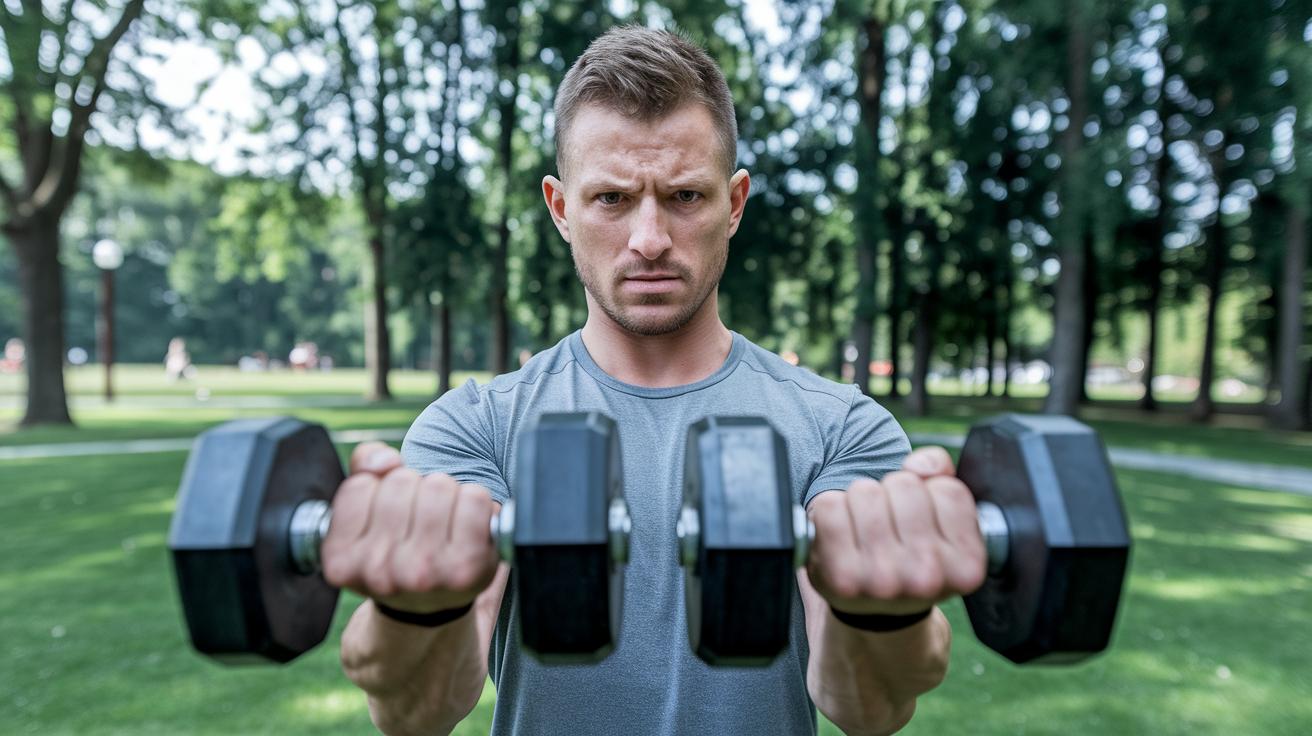
Mix a 20-second work period with a 10-second rest and choose exercises that match your fitness level. Stick with the main plan, upper-body, lower-body, and full-body moves, but feel free to rearrange or swap exercises if you need a new challenge. If you’re ready for extra intensity, try replacing a standard move with a tougher one or adding a few extra seconds to your work phase.
When you plan your sets, keep this in mind: advanced exercisers might trade a Strict Press for a Weighted Push-Up, a Front Squat for a Bulgarian Split Squat, or a Renegade Row for a Squat-to-Press. Beginners can opt for lighter weights or stick with bodyweight moves to maintain proper form during every interval.
For example, start with a Squat, switch to a modified Push-up, and finish with 20 seconds of Mountain Climbers. You’ll feel your heart rate gradually ramp up as you go along.
Plan your session by grouping your exercises clearly. Check out this quick guide:
| Exercise Type | Example Move | Focus |
|---|---|---|
| Upper-body | Strict Press (or Weighted Push-Up) | Shoulders & core |
| Lower-body | Front Squat (or Bulgarian Split Squat) | Glutes & quads |
| Full-body | Renegade Row (or Squat-to-Press) | Core & cardio |
Rotate through these groups with quick, sharp transitions to keep your heart pumping. Adjust your workout to match your pace by tweaking the exercise pairing or timing if needed. For instance, set your timer, start with Weighted Push-ups, switch to Bulgarian Split Squats, and cap it off with a burst of Squat-to-Press. Every move helps boost your performance.
Scaling and Modifying Dumbbell Cardio Workouts for Every Level
Getting started is all about keeping it simple and safe. If you’re new to working out, try using light dumbbells (about 8–12 pounds) so you can really nail each move. Think of it like perfecting your front squat form, you hold the weight until you’re sure you’re steady.
If you’re a bit more experienced, why not push yourself with a Tabata sequence? Work hard for 20 seconds, rest for 10, and use dumbbells in the 8–20 pound range. It’s similar to doing a strict press while keeping your core tight and your heart pumping evenly.
For those who are more advanced, you can take it up a notch by adding heavier weights and cutting down on your rest time. Try mixing in some explosive moves like a dumbbell burpee deadlift or a 2-pulse goblet squat followed by a calf raise. These power moves help boost your metabolism and really fire up your energy.
| Level | Workout Tips |
|---|---|
| Beginners | Lighter weights (8–12 lb), fewer rounds, longer rest periods |
| Intermediate | Standard Tabata (20 sec work/10 sec rest) with 8–20 lb dumbbells |
| Advanced | Heavier loads, shorter rest intervals, explosive combinations |
Post-Workout Recovery and Nutrition for Dumbbell Cardio
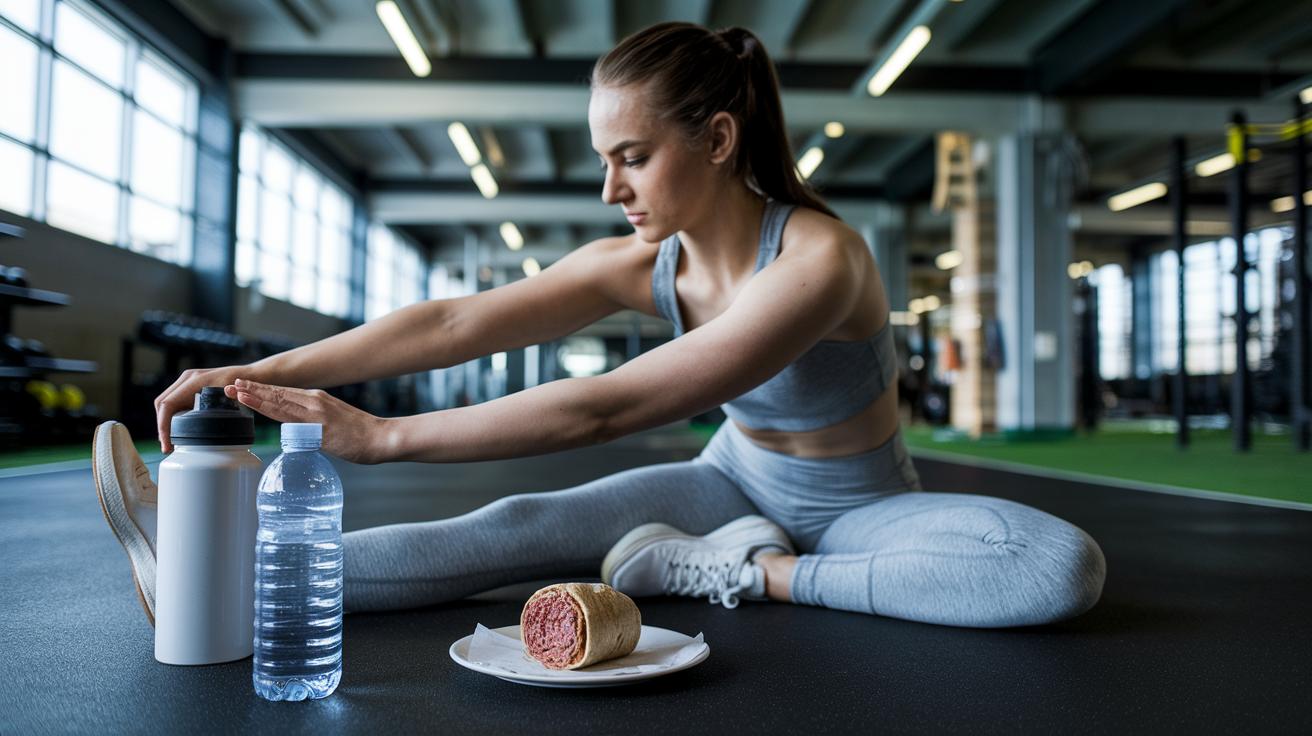
Right after your workout, take a moment to rehydrate. Sip on water slowly as you let your body cool down. A few gentle stretches, like easy leg swings, a soft torso twist, or simple arm circles, can help ease muscle tension while gradually lowering your heartbeat.
Next, give some thought to your nutrition. A snack rich in protein can kick-start your muscles’ repair process. For instance, a meal with roughly 25 grams of high-quality protein, think lean beef, supports rebuilding those muscles after your dumbbell cardio session. A small beef wrap with fresh veggies keeps it simple yet effective for refueling your body.
A well-rounded recovery plan can also mix in a bit of light carbohydrates to boost your energy levels. Pairing your cooling-down routine with balanced meal ideas makes healthy eating a natural next step. By focusing on hydration, stretching, and smart snacking, you’re setting yourself up to feel great and ready for your next workout.
Final Words
In the action, you’ve seen how blending strength moves with heart-pumping routines can spark impressive results. The post covers everything from setting up key dumbbell exercises and matching your equipment to your current level, to designing intervals and planning recovery. It shows that mixing strength with dynamic timing can boost both fitness and daily vitality. Cardio workouts with dumbbells bring together power and efficiency, making your workouts exciting and effective. Stay motivated and keep pushing your limits for a healthier, more vibrant life.
FAQ
What are some effective dumbbell cardio workouts?
The dumbbell cardio workout mixes moves like front squats, renegade rows, and lunges. These exercises raise your heart rate, build strength, and offer a full-body routine ideal for home workouts and weight loss.
How can beginners start cardio workouts with dumbbells?
The cardio routine for beginners uses lighter weights, fewer rounds, and longer rest periods. It helps build strength and confidence gradually while focusing on proper form for a safe and effective workout.
Can cardio workouts with dumbbells help lose belly fat?
The cardio workout with dumbbells burns calories and builds muscle simultaneously. Over time and with balanced nutrition, these workouts can help reduce belly fat by boosting your metabolism and burning stored fat.
Are 20-minute dumbbell cardio sessions enough?
The 20-minute full-body dumbbell session provides a high‑intensity workout that efficiently elevates heart rate and burns fat. It fits into a busy schedule while delivering cardiovascular and strength benefits.
What are the top cardio exercises using dumbbells?
The top dumbbell exercises include front squats, renegade rows, and alternating lunges. These moves effectively combine strength training with cardio benefits, offering a dynamic routine for a full-body workout.
What benefits do dumbbell cardio workouts offer?
The benefits of dumbbell cardio workouts include improved muscle endurance, boosted cardiovascular fitness, and efficient calorie burn. They blend resistance training with aerobic exercise so you get more out of each session.
Can I do cardio with dumbbells at home, and how does it work for weight loss?
The at-home dumbbell cardio routine combines strength and aerobic moves, which increases your heart rate and burns calories. This efficient strategy helps with weight loss while keeping your muscles engaged.
Is high-intensity interval training with dumbbells effective for a full-body workout?
High‑intensity interval training with dumbbells alternates quick strength moves with short rest periods. This method challenges multiple muscle groups, boosts heart rate, and enhances overall endurance in a compact workout.
How can men tailor dumbbell cardio workouts for strength?
A dumbbell cardio routine for men may include heavier weights and explosive moves. It not only enhances cardiovascular fitness but also builds lean muscle and improves overall strength through dynamic, full-body exercises.

