
Have you ever thought that what you eat might change how you feel? Think of your brain as a strong engine that needs good fuel to run well.
A balanced diet gives you a mix of protein, vitamins, and healthy fats that can really boost your mood and mental sharpness. In this post, we explore how simple meals can clear your mind and lift your spirits. Choosing a colorful variety of foods is a great way to keep both your mind and mood in top shape.
How Balanced Nutrition Fuels Mental Health
Our brain works like a powerful engine that needs good fuel from food to run well. Every bite gives it the energy to work, form new connections, and keep its structure strong. It’s like filling your car with quality gas so it runs smoothly. Imagine your brain as a runner that needs the right fuel to keep up its pace.
A balanced diet gives you important nutrients that help build brain messengers called neurotransmitters. These chemicals control both your mood and how you think. When you enjoy a mix of proteins, vitamins, and healthy fats, you’re helping your body make serotonin and other feel-good chemicals. Think of it like putting together a vibrant bowl of fruits, veggies, and whole grains, just like a chef mixing ingredients for the perfect dish.
Eating a nutrient-packed diet can boost your mood and mental clarity, but it isn’t a cure-all for mental health challenges. It works best when combined with advice from mental health professionals. It’s like fine-tuning a complex machine: a healthy diet is a great start, but sometimes you need expert help to address deeper issues. Changing your diet is a positive step, yet meeting with a specialist can ensure everything runs optimally.
Essential Nutrients for Psychological Wellness

Eating healthy helps your brain run smoothly by giving it the energy it needs. Foods rich in omega-3s, antioxidants, good fats, and other superfoods work together to lift your energy, balance your mood, and keep your brain in shape. Did you know that serotonin, a chemical that affects how you feel and even your appetite, is mostly made in your gut? Beneficial bacteria there help protect your gut lining and keep inflammation down. This shows how a balanced diet can be a real friend to your mental health.
Quality dietary fats, like those in avocado and olive oil, build strong cell walls in your brain cells, while fruits bursting with antioxidants guard against stress. Omega-3s found in foods like fatty fish and walnuts support brain structure, giving your mind an extra boost. And if you’re curious, you can learn more about superfoods by checking out the link in our guide. Adding nutrient-packed supplements such as spirulina can also help your brain make the most of the fuel it gets from food.
Every nutrient plays a special role in keeping your brain and gut in sync. In simple terms, eating a variety of these nutrients helps create strong brain connections and maintains a healthy gut–brain link. It’s all about giving your body the right building blocks to thrive.
| Nutrient | Primary Food Source | Mental Health Benefit |
|---|---|---|
| Omega-3 Fatty Acids | Fatty fish, walnuts | Supports brain cell structure and reduces inflammation |
| Antioxidant-Rich Fruits | Berries, pomegranates | Helps protect brain cells from oxidative stress |
| Dietary Fats | Avocado, olive oil | Aids in neuronal health and cell repair |
| Superfoods | Spinach, quinoa, What is a Superfood | Offers a nutrient-dense boost for mental edge |
| Probiotics | Yogurt, kefir | Enhances gut health and supports serotonin production |
The Gut–Brain Axis and Stress Moderation
Imagine your brain and your gut chatting all day long. This special connection, called the gut–brain axis, uses nerves, hormones, and even signals from your immune system to keep the conversation flowing. Even the helpful bacteria living in your gut join in by making sure nutrients get absorbed and inflammation stays low. They send messages through pathways like the vagus nerve to help keep your mood steady and your mind clear. Think of it as a two-way street where both sides share important updates about your body.
Your food choices can also play a big role in easing stress. Enjoying foods rich in probiotics, like yogurt or kefir, can nurture a balanced gut. A happy gut means better stress responses and a more balanced mood. Making small, steady changes in what you eat can really lift your spirits and help you feel more in control every day.
Practical Meal Planning Tactics for Emotional Resilience
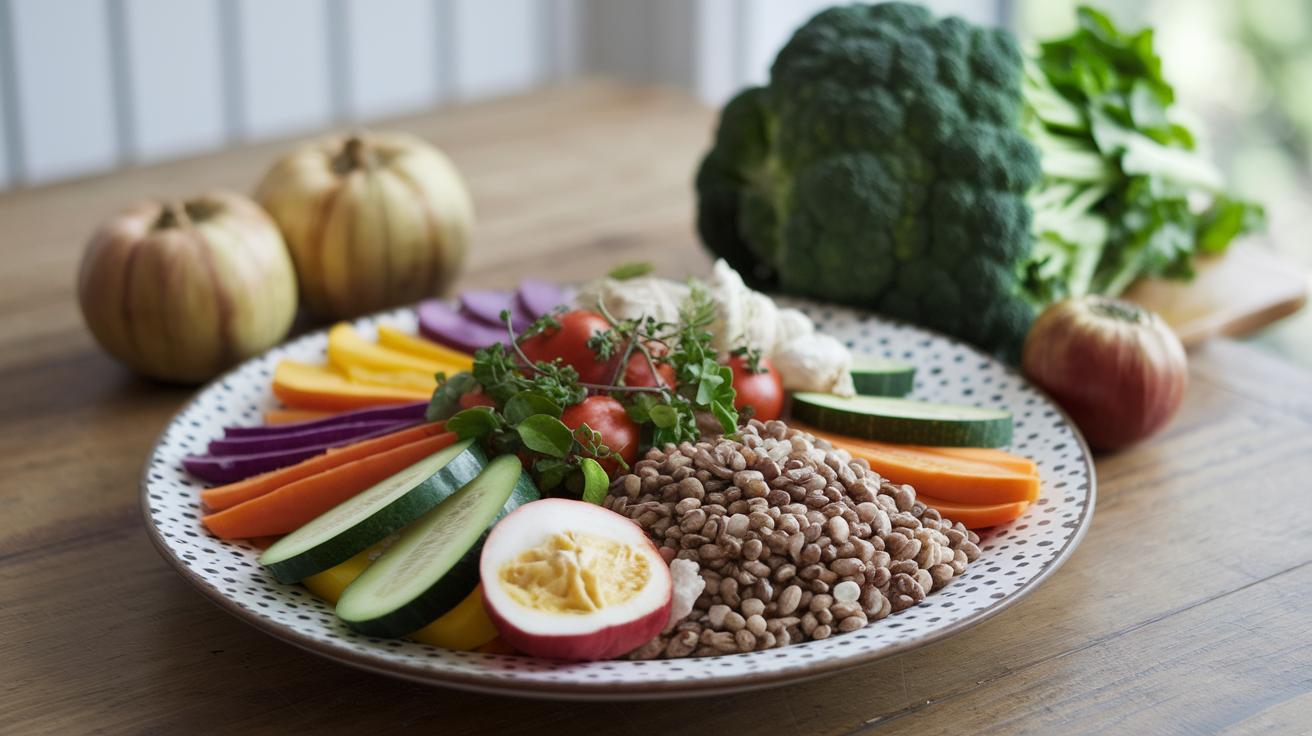
Creating a well-balanced meal plan can help keep your energy levels steady and your mood bright. It all starts by choosing meals and snacks filled with foods that nourish your brain. Think of it like drawing up a blueprint where every meal works together to keep you clear-headed and emotionally balanced. By scheduling specific times for breakfast, lunch, dinner, and healthy snacks each week, you can create a routine that sticks. Even small, steady changes can set the tone for an entire day.
Taking the time to eat mindfully adds another layer of care for both your body and spirit. When you slow down and really enjoy every bite, you’re not just feeding your body, you’re also honoring your feelings. Sharing meals with friends or family builds a welcoming sense of connection and turns eating into a chance to relax and reflect rather than just a quick task. Noticing the textures, flavors, and smells of your food can help you understand how different foods make you feel and boost your overall well-being.
Here are five simple steps to start a clean eating trial and track your progress:
- Begin with a two- to three-week trial where you avoid processed foods and added sugars.
- Slowly reintroduce foods one at a time, paying attention to any changes in your mood.
- Use a meal planner for healthy eating to schedule balanced meals.
- Refer to a grocery list for healthy eating when you go shopping.
- Keep a daily journal to record which changes help boost your emotional resilience.
Foods and Habits to Avoid for Emotional Clarity
Certain foods we eat can make it harder for you to think clearly. Too much sugar and highly processed snacks can cause your blood sugar to go up and down quickly. This can lead to feeling anxious or moody. Refined grains, which don’t have the fiber you need, leave your brain without steady energy. And if you drink a lot of caffeine or alcohol, it might increase inflammation and add to your stress. In short, these choices can affect both your mood and your focus throughout the day.
Switching to healthier eating habits is a simple way to feel better and calm your nerves. Start by slowly cutting back on processed foods and added sugars. Instead, try whole grains that provide the fiber your brain loves. Reducing how much caffeine and alcohol you have can also help ease stress and clear your mind. By choosing fresh, nutrient-packed foods, you’re setting yourself up for better overall well-being and improved emotional clarity.
Research-Backed Evidence in Nutritional Psychiatry

The American Psychiatric Association and the American Society of Nutrition have joined forces to show how what we eat can affect how we feel. In March 2023, a survey of 2,200 adults revealed that many people believe a healthy diet plays a big role in supporting mental wellness. These long-standing organizations, one starting in 1844 and the other nearing its 100th anniversary, are pooling their expertise to use solid nutrition research in mental health care.
Recent studies point to a clear two-way link between our diet and our mood. Research shows that a balanced diet not only keeps our body strong but also helps manage our emotions. Many scientific studies have found that nutrient-rich meals can boost brain function, while less healthy eating habits might lead to mood fluctuations. This growing evidence suggests that nutritional strategies can work hand in hand with traditional mental health treatments to improve overall well-being.
Looking ahead, top academic journals like The Journal of Nutrition, The American Journal of Clinical Nutrition, Advances in Nutrition, and Current Developments in Nutrition are publishing new studies on this subject. Researchers are continuously learning how specific nutrients help create the brain chemicals that regulate our mood and keep our brain cells healthy. In the future, these insights may offer even clearer guidance on how to combine a balanced diet with mental health care, paving the way for practical, research-based strategies that everyone can use.
Final Words
In the action, our blog showed how the right foods fuel brain energy and mood. We reviewed how vital nutrients support clear thinking and steady emotions. Small meal planning changes can lift energy levels and help you maintain focus. By steering clear of too much processed fare, you pave the way for a balanced diet and mental health boost. Embrace these insights to spark everyday improvements and feel more connected to your overall wellness.
FAQ
What is the link between food and mental health?
The link between food and mental health shows that proper nutrition fuels the brain, supports neurotransmitter production, and can improve mood and focus by reducing inflammation and boosting overall brain function.
What are the best and worst foods for mental health?
The best foods for mental health include nutrient-dense choices like omega-rich fish, fresh fruits, vegetables, healthy fats, and superfoods. In contrast, refined sugars and highly processed foods can disrupt mood and cognitive clarity.
How does having a balanced diet affect mental health?
Having a balanced diet affects mental health by supplying vital nutrients that support brain structure and neurotransmitter function, ultimately enhancing mood, energy levels, and cognitive performance for daily tasks.
Can a poor diet lead to depression?
A poor diet can lead to depression because inadequate nutrient intake may impair neurotransmitter production and brain function, increasing vulnerability to mood disorders and emotional instability.
What is a key benefit of maintaining a balanced diet for mental health?
Maintaining a balanced diet for mental health benefits you by promoting stable mood regulation, supporting neurotransmitter synthesis, and reducing inflammation, which together enhance overall cognitive and emotional well-being.
How do diet and nutrition affect mental wellbeing?
Diet and nutrition affect mental wellbeing by supplying essential vitamins and minerals that bolster brain function and neurotransmitter production, which help improve mood and reduce stress levels.
Where can I find scholarly articles on nutrition and mental health?
Scholarly articles on nutrition and mental health are available in trusted academic journals like The Journal of Nutrition and Advances in Nutrition, offering peer-reviewed insights into food–mood correlations.
Where can I find nutrition and mental health PDF resources?
Nutrition and mental health PDF resources compile scientific findings and practical guidance, offering accessible overviews on how dietary choices influence brain health and mood stability.

