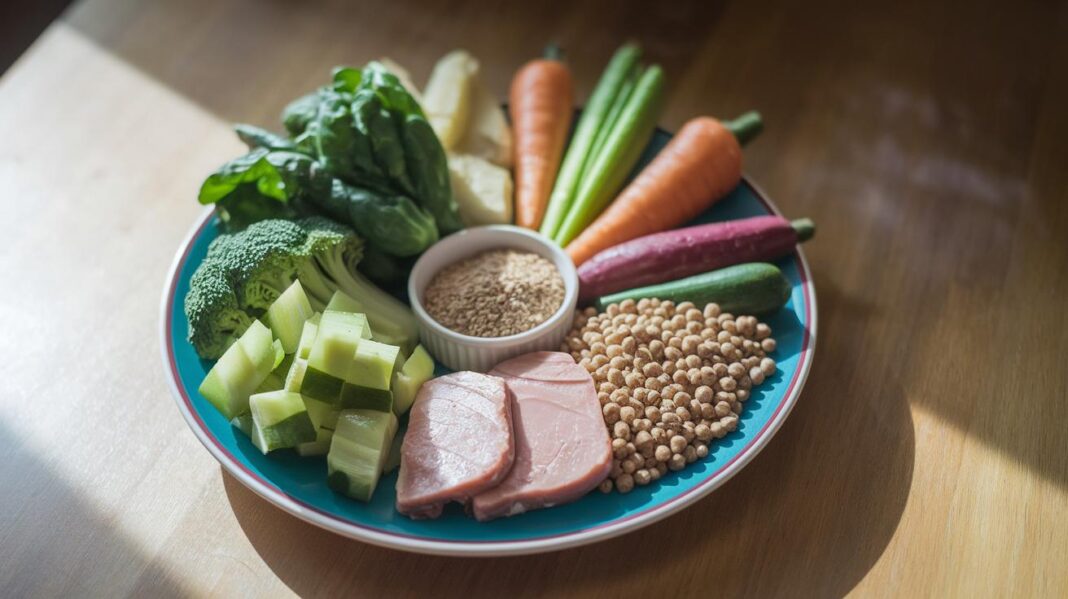
Have you ever thought that a small change to your dinner plate might boost your well-being? A balanced plate could be the secret. Picture your meal as a team effort: fill half your plate with fresh veggies, one-quarter with lean proteins like chicken or beans, and the remaining quarter with whole grains such as brown rice or quinoa.
Each group plays its part in keeping your blood sugar steady and your energy up. This simple guide shows you how to put together tasty meals that help you feel energetic and live a healthier life. Ready to give it a try?
Getting Started with Your Balanced Diet Plate
Starting your balanced diet plate is really easy. Think of your plate as having three parts. Fill half of it with non-starchy vegetables like spinach or broccoli. These veggies are packed with vitamins, minerals, and fiber.
Next, dedicate a quarter of your plate to lean proteins such as chicken, fish, soy, or low‐fat dairy. These foods help keep your muscles and skin in great shape.
The last quarter is for carbohydrates like whole grains, starchy vegetables, or legumes. These give you steady energy throughout the day. And don’t forget to pick water or low‐calorie drinks over sugary ones for a healthier meal overall.
Following this plan helps keep your blood sugar steady. The bright mix of veggies adds essential nutrients and fiber, lean proteins work to repair your muscles, and whole grains provide extra energy. Picture your plate as a team, with every part coming together to support your daily health and well-being.
Different Food Groups on the Balanced Diet Plate
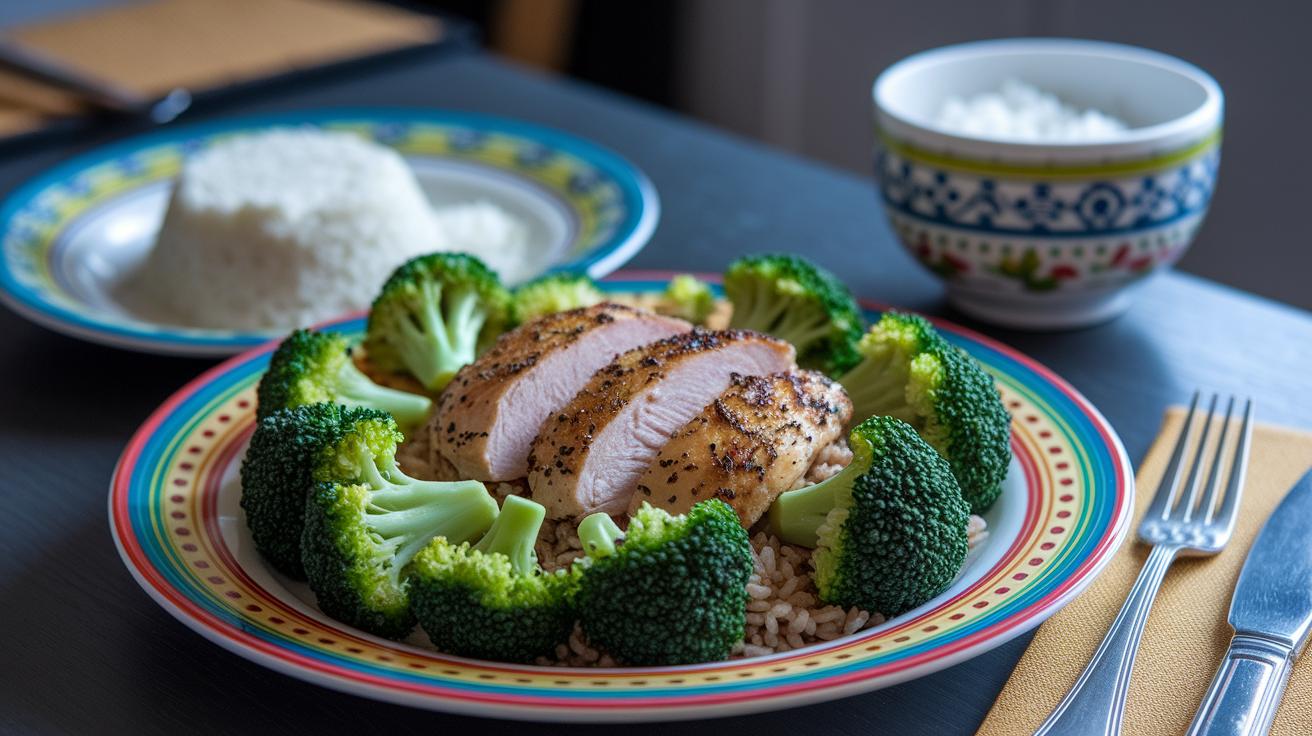
When you build your plate, keep it simple by focusing on three groups: non-starchy vegetables, whole grains, and lean proteins. Vegetables are low in carbs and high in fiber, plus they pack in vitamins and minerals. Whole grains give you energy along with protein and extra nutrients, while lean proteins help build strong muscles, bones, and skin.
- Non-starchy Vegetables: spinach, broccoli, bell peppers
- Whole Grains: brown rice, quinoa, whole wheat bread
- Lean Proteins: chicken, fish, eggs
If you or someone in your family has allergies or dietary needs, this method offers handy swap ideas. For example, if chicken isn’t an option, try tofu or legumes instead. You might also switch out brown rice for barley or millet if you need some variety. One neat tip: instead of fish, consider lentils for a hearty, plant-based protein boost. A colorful plate usually hints at a rich mix of vitamins and minerals. For more ideas on smart ingredient swaps, check out the healthy grocery list at https://healthlystats.com?p=207.
Portion Sizes and Ideal Ratios for a Balanced Diet Plate
Getting your food portions right is key to staying balanced and keeping your blood sugar steady. Try filling half your plate with non-starchy veggies, one quarter with lean protein, and the last quarter with carb foods. This easy method can help you manage your weight and feel great.
| Portion | Percentage | Sample Serving |
|---|---|---|
| Non-starchy Vegetables | 50% | Salad, steamed broccoli |
| Lean Protein | 25% | Grilled chicken, fish |
| Carbohydrate Foods | 25% | Brown rice, quinoa |
When you’re enjoying a mixed meal like a casserole, sandwich, or soup, try imagining your plate split into these three parts. Picture it like a pie chart: half loaded with fresh veggies, one quarter with lean protein, and the final quarter with whole grains. This friendly trick makes meal planning a breeze and helps you keep a well-balanced plate.
Balanced Diet Plate Meal Planning Strategies
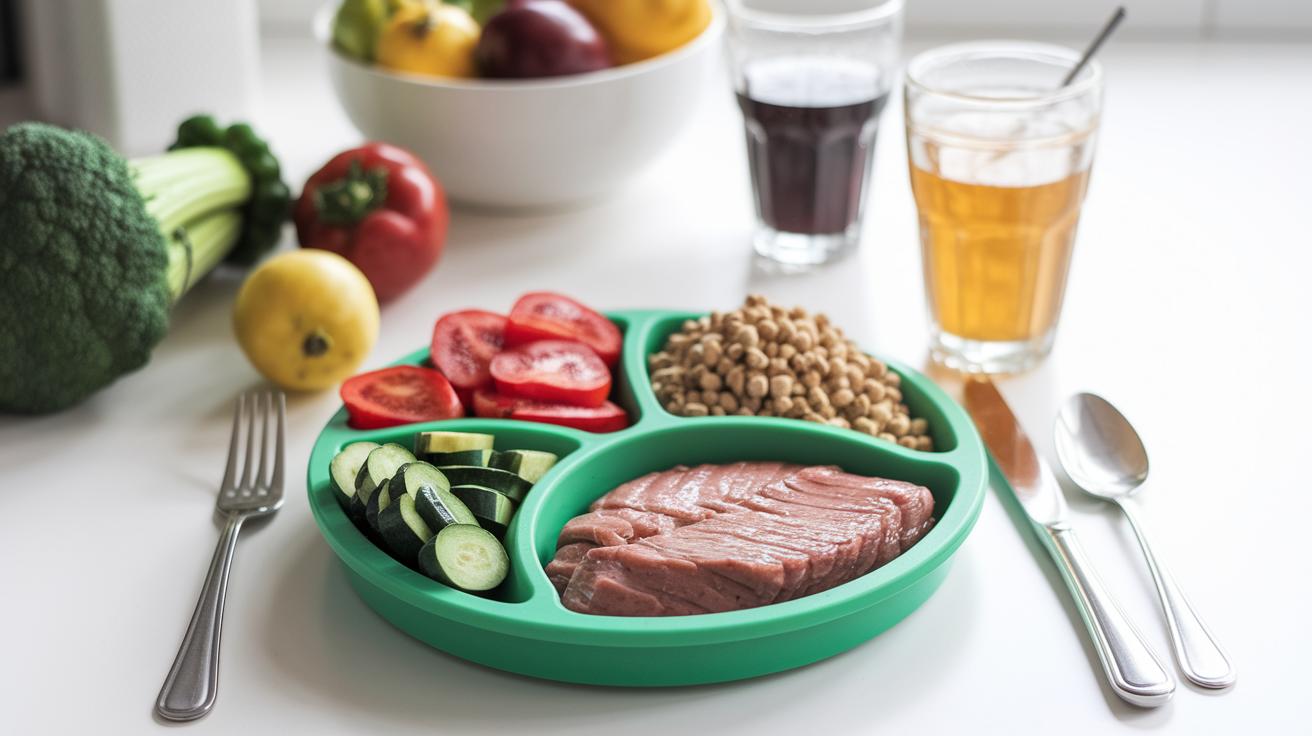
Planning meals with a clear goal in mind sets you up for lasting, healthy habits. Start small by choosing one simple change each week, like adding an extra serving of veggies or swapping to lean protein, so that each smart choice becomes part of your routine. This gradual approach makes it easier to stick to your balanced diet over time.
When recipes seem complicated, break them down into easy parts. Imagine splitting a meal, whether it's a casserole, sandwich, or soup, into three sections: half non-starchy vegetables, one quarter lean protein, and one quarter carbohydrates. Viewing your meal in these simple sections turns everyday foods into clear, balanced choices that help maintain steady blood sugar and overall well-being.
Building new eating habits takes time. Experts often say that gradual changes over several weeks work best. Using a meal planner for healthy eating can make planning a weekly menu easier. Try swapping ingredients, like choosing seasonal fruits and veggies when prices go up. By planning ahead and thinking of each recipe in parts, you set up a flexible strategy that makes good nutrition a lasting part of your life.
Visual Guides for Your Balanced Diet Plate
Colorful charts can help you create tasty meals that are both balanced and fun. Models like MyPlate show you how to fill your plate with fiber-rich vegetables, lean proteins, and foods full of vitamins while keeping salt, saturated fats, and extra sugars to a minimum. These pictures remind you to watch your portions, making every meal a little work of art, like a simple coloring book where each color represents a food group helping you live healthily.
Infographics work great as quick guides or teaching tools. They turn complex nutrition advice into clear, step-by-step visuals that anyone can follow. A bright chart helps you easily spot which foods boost your energy or help repair your muscles. For example, a colorful food diagram can quickly show you the power of nutrient-rich options, if you're curious, check out more about superfoods at https://healthyfax.com?p=590. This fun, visual approach makes setting up your balanced diet plate both enjoyable and easy.
Maintaining Sustainable Habits with Your Balanced Diet Plate

Eating healthy for the long haul isn’t about one big change, it’s about making small, steady tweaks over time. Instead of simply adding one extra serving of veggies, why not set aside time each month to review your food choices? Imagine switching your usual salad greens for fresh, seasonal picks that really spark your taste buds. This little check-in can help you fine-tune your balanced diet plate with easy, purposeful adjustments.
Making your meal plan work for you means more than just handling allergies or keeping an eye on your budget. It also means exploring different nutrient sources. Try mixing up your recipes by swapping out your regular proteins for alternatives like fermented or plant-based options. Picture a day when you trade typical lean protein for a hearty bean dish that packs in extra fiber. These small shifts keep your meals exciting and nutritionally balanced.
Today, digital tools can really lend a hand. Use apps that track your portion sizes and nutrient intake with instant feedback, and check in with experts regularly to adapt your strategy as your tastes and health goals evolve. This flexible approach helps keep your food choices fresh and in tune with your changing life.
Final Words
In the action, this post walked through the balanced diet plate concept and its benefits for managing blood sugar and weight. It explained food groups, portion control, and practical meal planning to create a complete eating plan. Visual guides and easy strategies were shared to help build lasting habits. The balanced diet plate approach invites you to mix nutrition with simple, everyday routines for a healthier life. Keep experimenting with these tips and feel great about making smart, daily health choices.
FAQ
What is a balanced diet on a plate?
A balanced diet on a plate means splitting your meal into half non-starchy vegetables, one quarter lean protein, and one quarter carbohydrate foods. This setup supports healthy blood sugar and weight management.
What should be on your plate for a balanced meal?
A balanced meal should feature plenty of colorful non-starchy vegetables, lean protein sources like chicken or fish, and whole grain or starchy foods. This mix provides essential fiber, vitamins, and minerals.
How is the balanced plate method defined?
The balanced plate method defines meal portions by filling half the plate with vegetables, one quarter with lean proteins, and one quarter with carbohydrates. This method promotes proper nutrient intake while keeping portions in check.
Where can I find printable resources and recipes for a balanced diet plate?
You can find balanced diet plate PDFs, charts, food lists, and recipes online. These resources offer visual guides for portion control and meal planning that simplify your healthy eating efforts.
How is MyPlate related to the balanced diet plate?
MyPlate is a simple visual tool that mirrors the balanced diet plate. It highlights filling half the plate with vegetables and balancing the rest with proteins and carbohydrates to support healthy eating.
How can I create a balanced, healthy plate for kids?
A healthy plate for kids follows the same proportions—half non-starchy vegetables, one quarter lean protein, and one quarter carbohydrates—making meals fun, colorful, and packed with key nutrients.

