
Ever wonder if what you eat really matters to your workout routine? Many people believe exercise is the only key to a good workout, but your food choices power your body every day. A well-balanced plate not only fuels your muscles but also helps them recover, just like high-quality fuel keeps a car running smoothly.
Imagine starting your day with a mix of good carbs, lean protein, and healthy fats. This combo gives you steady energy and muscle support all day long. In this post, we'll explore how timing your meals right can boost your performance and give you more energy to live your best life.
Essential Components of a Balanced Diet Designed for Fitness Goals
Good nutrition is a big part of any workout routine. What you eat can really power your exercise, help fix your muscles, and speed up recovery. Carbohydrates, for example, give you the energy to keep going. So, if you’re planning a snack before a workout, try something simple like a banana or whole-grain toast to keep your energy steady during that brisk walk.
Protein is just as important. It helps rebuild and grow your muscles after a tough workout. Lean options like chicken, fish, or beans work really well. After you finish your workout, a small serving of chicken salad can be just the right boost to help your muscles recover while keeping you satisfied.
Healthy fats also play their part. Foods like avocados, nuts, and olive oil give you lasting energy and support your body’s hormones and cell health. When you mix in fats along with proteins and carbs, you're setting up a balanced plate that fuels you through exercise and helps with recovery afterward.
The timing of your meals can make a difference too. Eating some carbs before you work out helps keep your blood sugar stable, while having protein afterward gives your body a jump start in repairing muscles. Even a small snack 30 to 60 minutes before you hit the gym can make your performance and recovery noticeably better.
Sticking with whole foods is always a smart idea. They’re full of vitamins and minerals that support your active lifestyle. In truth, a balanced diet designed for fitness is all about mixing the right amounts of carbs, protein, and fats while paying attention to when you eat.
Macronutrient Balance for Fitness Performance

Getting the mix of carbs, proteins, and fats right can make a big difference in how you feel and perform during workouts. Carbs give you most of your energy, about 45–65% of your daily calories. They help power you up for exercise and refill your energy stores afterward. Choosing whole grains, fruits, and vegetables means you get foods full of nutrients that help keep your energy steady.
Protein makes up about 10–35% of your daily calories and is key for fixing muscles after a tough workout. Lean proteins like chicken, fish, legumes, and beans are great helpers in rebuilding muscle tissue so you can recover and grow stronger. Think of protein as the repair crew that fixes your muscles after hard work.
Fats should be around 20–35% of your total daily calories. Healthy fats found in foods like avocados, nuts, and olive oil provide long-lasting energy and support your hormones and cells. And hey, if you ever try carb cycling, adjusting carbohydrate intake based on workout days, it can help meet energy needs during heavy workouts while keeping calories in check on rest days.
| Macronutrient | Recommended % of Daily Calories | Key Food Sources |
|---|---|---|
| Carbohydrates | 45–65% | Whole grains, fruits, vegetables |
| Proteins | 10–35% | Chicken, fish, legumes |
| Fats | 20–35% | Avocados, nuts, olive oil |
Balancing these nutrients, along with smart strategies like carb cycling, can boost your performance and help you feel energized every single day.
Micronutrient Benefits for Training and Recovery
Tiny vitamins and minerals pack a serious punch when it comes to helping you train and recover. Antioxidant vitamins like vitamin C (75–90 mg/day), vitamin E (15 mg/day), and vitamin A (700–900 µg/day) work hard to fight off damage from intense activities. Think of them as your body’s little repair crew easing muscle strain so you can bounce back faster.
Minerals matter too. Calcium, which you should aim to get about 1,000 mg per day, helps build strong bones and supports smooth muscle movements. Magnesium (310–420 mg/day) is great for letting your muscles relax after a workout, and iron (8–18 mg/day) is key for carrying oxygen to your muscles so you stay energized.
Everyday foods can deliver these important nutrients. Berries and leafy greens burst with vitamins and antioxidants, while nuts and seeds offer essential minerals and even help lessen soreness after exercise.
Try this small idea: Imagine snacking on fresh berries with a handful of almonds. It’s a tasty and simple way to power your recovery and boost your workout performance.
Meal Planning Strategies for Fitness-Focused Balanced Nutrition
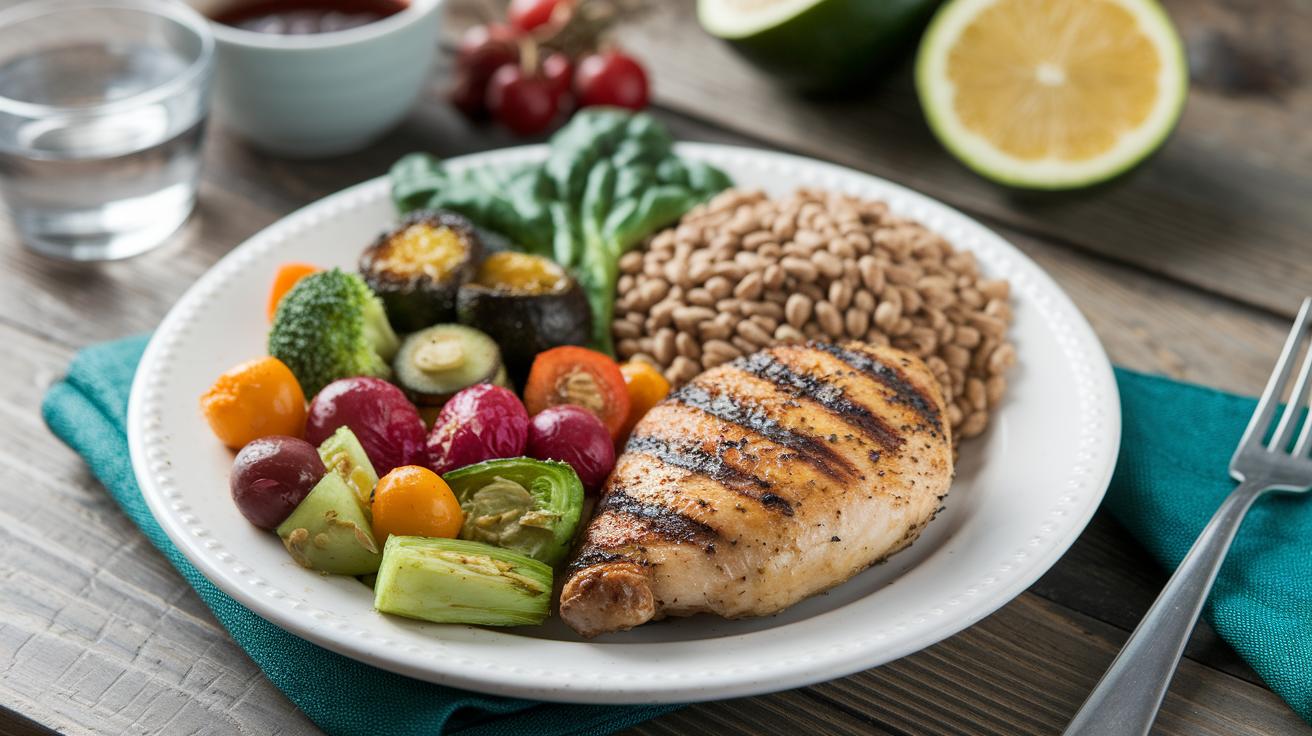
Planning your meals can make a big difference in your fitness journey. Think about setting aside some time on the weekend to prepare meals for the whole week. Cooking extra portions of your favorite foods, like grilled chicken, roasted veggies, and whole grains, means you’ll spend less time in the kitchen during busy weekdays and more time focusing on your workouts.
A simple way to keep your meals balanced is to use the nutrient plate idea. Fill half your plate with fruits and vegetables, add lean protein to one-quarter, and round it out with whole grains in the remaining quarter. It’s a friendly reminder to enjoy a bit of everything while keeping your portions just right.
Try planning 4 to 6 smaller meals throughout the day, spaced about 3 to 4 hours apart. Imagine it like stopping for gas on a long drive, each meal gives you the energy you need to keep moving without feeling tired. Using containers, a clear shopping list, or even a meal-planning app can really help keep you on track and avoid those last-minute snacking pitfalls.
Ultimately, healthy meal planning isn’t just about food, it’s about setting yourself up for steady energy and success every day.
Nutrient Timing: Pre- and Post-Workout Nutrition for Fitness
Fuel your body right before and after your workout to get the most out of your exercise. About 30 to 60 minutes before you get moving, try eating a small snack with 20–30 grams of carbohydrates and 10–20 grams of protein. This helps keep your blood sugar steady and delays fatigue, so you can push through your workout. Think of it like having a banana with a spoonful of nut butter, a simple mix of carbs and protein to jump-start your energy.
After your workout, your body is ready to repair and refuel. Within 45 minutes of finishing up, aim for a snack that has roughly three times as many carbohydrates as protein. This balance helps your muscles repair and restores the energy you used. Imagine a smoothie made with Greek yogurt, berries, and oats. It’s a refreshing way to replace lost energy while giving your muscles the protein they need to bounce back.
Using these nutrient timing tips not only fuels your workout but also speeds up your recovery. That means you’ll feel energized and ready to take on your next session.
Sample Meal Chart for Balanced Fitness Nutrition

A good meal plan can keep you energized and help your body bounce back throughout the day. Imagine fueling your day with real, whole foods that give you just the right amount of calories to support your workouts. This plan adds up to about 1800 calories and splits them into 50% carbs, 25% proteins, and 25% fats. That balance can help you power through a morning exercise, refuel at lunch, and recover by dinner time.
Start your day with a spinach and egg white omelet paired with whole-wheat toast, giving you around 350 calories to kick things off. When you get a little hungry between meals, an apple with almond butter is a simple, tasty option. For lunch, a grilled chicken salad mixed with quinoa offers a needed hit of protein and carbs. Later, a snack of Greek yogurt with berries can quickly give you an energy boost. Finally, dinner, like baked salmon served with brown rice and broccoli, wraps up your day with a meal that supports muscle recovery.
| Meal | Foods | Calories | Macros (C/P/F) |
|---|---|---|---|
| Breakfast | Spinach and egg white omelet, whole-wheat toast | 350 | 45/30/25 |
| Snack | Apple, 2 tbsp almond butter | 200 | 50/15/35 |
| Lunch | Grilled chicken salad with quinoa | 450 | 40/30/30 |
| Snack | Greek yogurt with berries | 150 | 50/30/20 |
| Dinner | Baked salmon, brown rice, broccoli | 550 | 45/30/25 |
Common Misconceptions and Tips for Sustainable Fitness Eating
Many people think ditching carbs is the secret to losing weight, but that's not quite right. Good carbs, like whole grains and veggies, give you the energy you need for a good workout and help your body recover afterward. Pairing lean proteins with these smart carbs supports muscle repair and keeps your energy steady. Cutting out any big food group can leave you feeling tired and off balance. A balanced meal plan is the key to both boosting your workout performance and speeding up recovery.
Here are some friendly tips:
- Enjoy snacks that pack a nutritional punch, think mixed nuts, fresh fruit, or hummus, to keep your blood sugar stable.
- Spread out your healthy proteins, fats, and carbs throughout the day, just like fueling a car with the right mix.
- Stick to a regular routine with a mix of different foods. This helps make balanced eating a natural part of your day. For more ideas, check out https://healthlystats.com?p=33.
Keeping your meals balanced not only clears up common nutrition myths but also enhances how well you recover after exercise. With a consistent routine that includes variety, you'll maintain steady energy levels and truly enjoy a lifestyle built around a smart, balanced diet.
Final Words
In the action of putting theory to practice, this article broke down key components of a balanced diet for fitness, from understanding macronutrients and micronutrients, to planning meals and timing nutrition around workouts. It also addressed common myths around healthy eating for active lifestyles. With real food examples and clear tips, the insights here aim to simplify making informed food choices. Enjoy building a routine that combines both nutritious meals and smart exercise strategies to boost everyday vitality and overall well-being.
FAQ
What is a 7-day healthy eating plan?
A 7-day healthy eating plan means having daily menus that offer a mix of whole foods, lean proteins, fruits, vegetables, and whole grains to boost energy and support fitness results.
What is a gym diet plan for muscle gain?
A gym diet plan for muscle gain emphasizes high-protein foods, balanced carbohydrates, and healthy fats that aid muscle repair and growth after challenging workouts.
What are 10 fitness foods that help you get in shape faster?
Ten fitness foods include lean proteins, whole grains, eggs, Greek yogurt, berries, leafy greens, quinoa, sweet potatoes, nuts, and avocados, all known to fuel workouts and speed recovery.
What are the benefits of a healthy diet and exercise?
Combining a healthy diet with exercise elevates energy levels, enhances muscle repair, and improves overall mood and well-being, making it easier to stay active and feel balanced.
How do you use a balanced diet chart and food list to define a healthy diet?
Using a balanced diet chart means planning meals with half your plate as fruits and veggies, a quarter lean protein, and a quarter whole grains. This example shows how to achieve nutrient-rich and fitness-supportive eating.
What is the best diet for fitness?
The best diet for fitness consists of well-timed meals that offer the right amounts of carbs, proteins, and fats from whole foods, fueling workouts and aiding recovery for peak performance.
What are the 7 things you need in a balanced diet?
A balanced diet includes carbohydrates, proteins, fats, vitamins, minerals, fiber, and water. Each plays a key role in keeping energy levels steady and supporting overall health.
Is the 70% diet and 30% exercise ratio true?
The idea that diet contributes 70% and exercise 30% underscores the importance of nutrition in overall results, though individual responses to diet and activity can vary.

