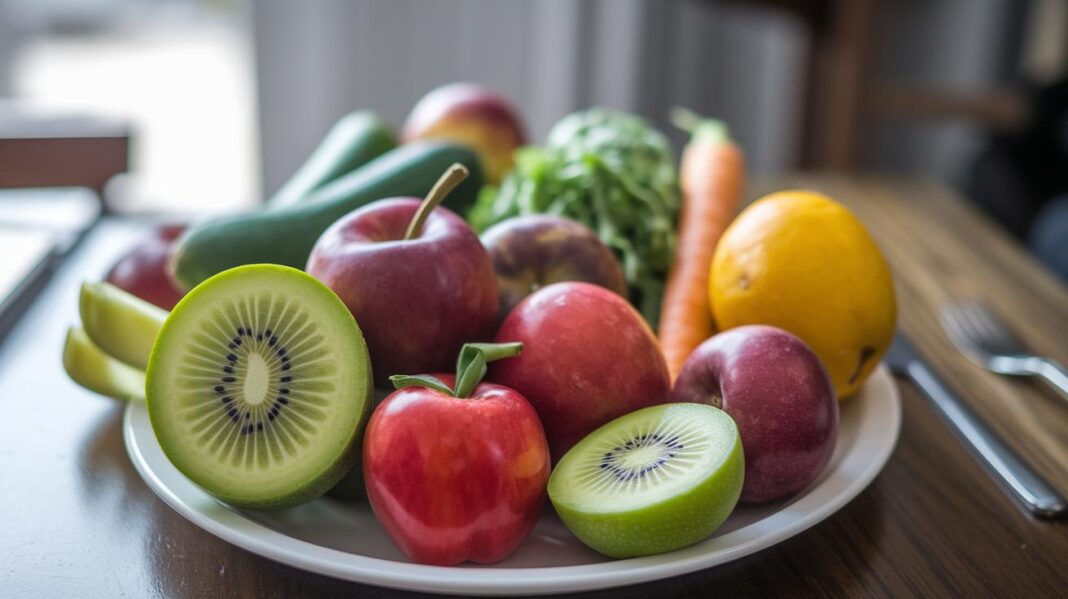
Have you ever thought that what’s on your plate might lift your mood and boost your energy? Eating a balanced diet filled with whole foods can make a big difference. Think about fresh fruits, crunchy vegetables, lean proteins, and a handful of nuts and seeds. They pack your body with the vitamins and minerals it needs, keeping your energy steady and your health in check.
By choosing these natural ingredients, you give yourself a little boost every day. It’s a simple change in how you eat that might help you feel vibrant and strong, like you’re ready to take on whatever comes your way.
How a Balanced Diet Rich in Whole Foods Supports Overall Health
Eating mostly fresh, unprocessed foods like fruits, veggies, whole grains, lean proteins, nuts, and seeds helps your body work its best. This means cutting back on extra sugars, unhealthy fats, and too much salt that you find in many processed snacks. These natural foods give you important nutrients like fiber, vitamin C, zinc, selenium, and phytonutrients that your body really needs.
When you choose whole foods, you're lowering your risk of developing long-term illnesses and making it easier to keep a healthy weight. Research shows that meals built around natural ingredients can reduce inflammation and even keep your energy levels steady. By swapping processed items for fresh, nutrient-packed foods, you're laying a strong foundation for a healthier lifestyle.
Plus, a diet centered on whole foods is great for your digestion and immune system. Fiber from fruits and vegetables helps your digestion run smoothly, and antioxidants protect your cells from damage. This simple change in your eating habits can boost your overall health and make you feel more energetic every day.
Essential Components of a Balanced Diet Rich in Whole Foods
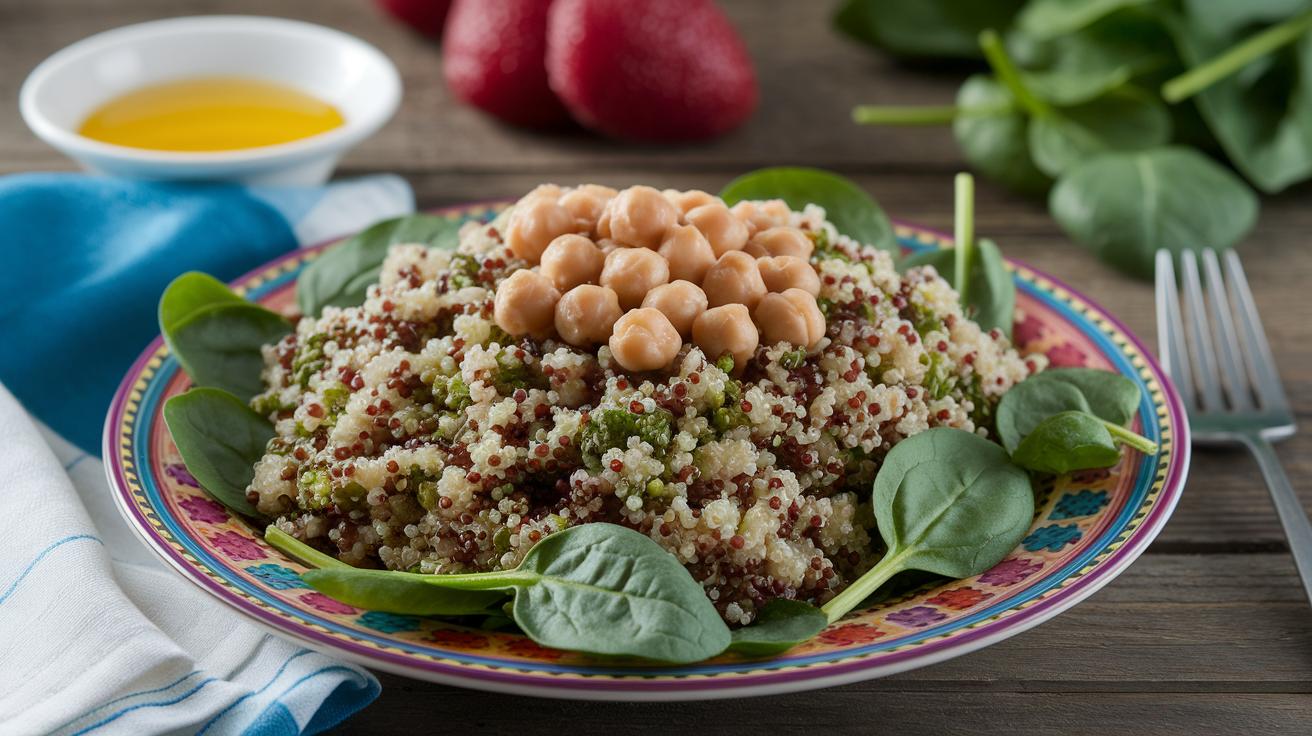
Eating a balanced diet made up mostly of whole foods is all about choosing ingredients that stay close to their natural state. By avoiding highly processed items, you get the best nutrients to help your body feel its best each day. Filling your plate with a mix of colorful foods gives you a variety of vitamins, minerals, fiber, and protein needed to keep your energy up and your body strong.
-
Fruits & Vegetables: These natural powerhouses provide vitamins and antioxidants. Think of crisp apples, fresh spinach, or fiber-packed broccoli and kale that can help keep your digestion running smoothly.
-
Legumes: Foods like black beans and lentils are great as sources of plant protein and fiber. They’re a versatile choice for soups or tossed into a salad.
-
Nuts & Seeds: Packed with healthy fats, minerals, and key micronutrients, snacks like almonds or a sprinkle of chia seeds over your oatmeal can boost your nutrition.
-
Whole Grains: Options like steel-cut oats and quinoa offer long-lasting energy with the bonus of fiber to support digestion. They add a pleasant, nutty texture to your meals.
-
Lean Proteins: Foods such as chicken breast and fish supply the amino acids your body uses to build and repair muscle. They work well whether you’re grilling, baking, or stir-frying.
A good way to build a balanced plate is to fill half of it with fruits and vegetables, one quarter with lean proteins, and one quarter with whole grains or legumes. A small serving of nuts or seeds rounds out the meal with extra healthy fats, and mixing up your choices helps you cover all the essential nutrients your body needs every day.
Nutrient-Packed Meals in a Balanced Diet Rich in Whole Foods
Mixing fresh ingredients into your meals can truly brighten your day and lift your overall well-being. When you add superfoods like berries, spinach, kale, chia seeds, and spirulina, you give your body an extra boost of antioxidants and essential nutrients. These meals help keep your energy steady, ease inflammation, and speed up recovery with vitamins, minerals, and plant nutrients that work together for great health.
-
Smoothie Boost: Blend a handful of mixed berries with a bunch of spinach and a spoonful of chia seeds in some almond milk. This cool, refreshing smoothie is packed with vitamin C and antioxidants to kick off your morning on a high note.
-
Quinoa Salad: Toss together cooked quinoa, chopped kale, chickpeas, a drizzle of olive oil, and a squeeze of lemon juice. This filling salad offers plenty of fiber and natural plant nutrients, making it a perfect meal for midday energy.
-
Veggie Stir-Fry: Quickly stir-fry crunchy bell peppers, broccoli, and carrots, then sprinkle with sesame seeds and serve over brown rice. This dish gives you a mix of textures and a burst of vitamins in every bite.
-
Hearty Lentil Soup: Simmer lentils with tomatoes, fresh spinach, and a bit of garlic until it forms a warm, cozy soup. It’s a nutrient-rich bowl brimming with fiber, minerals, and comforting flavors.
Each recipe shows how blending whole grains, legumes, fruits, and vegetables creates meals that work in harmony. Together, these simple dishes not only support steady energy and fight inflammation but also boost your overall health in a delicious, balanced way.
Meal Planning for a Balanced Diet Rich in Whole Foods
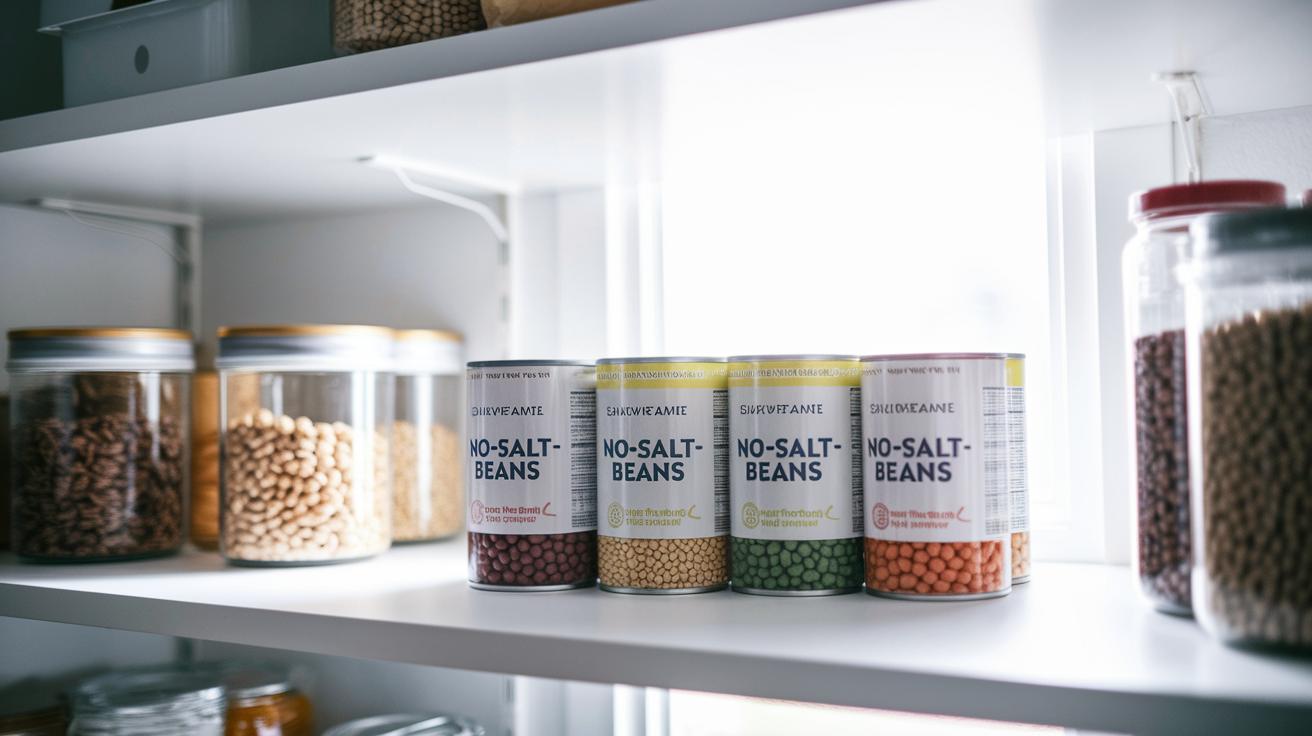
Setting up your pantry with no-salt-added canned beans, canned tomatoes, whole grains, and whole-grain pasta makes it easy to prepare meals packed with nutrients. A tidy pantry helps you swap out refined grains for wholesome ones like brown rice, so you can enjoy dishes full of flavor. Planning your meals around seasonal produce not only gives you fresher tastes but also saves time when you pre-cut fruits and veggies for quick, healthy snacks. Maybe set aside an afternoon each week to prep your vegetables, so you have nourishing ingredients ready when you’re in a rush.
Keep a grocery list and try batch cooking to make meal planning smooth and reduce food waste. You might check out a handy tool like the Meal Planner for Healthy Eating to guide your weekly menu. And why not introduce a new plant-based recipe each week? It adds variety, boosts your nutrients, and keeps your meals exciting and balanced.
| Day | Breakfast | Lunch | Dinner |
|---|---|---|---|
| Monday | Oatmeal with fresh berries | Quinoa salad with mixed veggies | Lentil soup with whole-grain bread |
| Tuesday | Smoothie with spinach and banana | Chickpea wrap with raw veggies | Stir-fried tofu with brown rice |
| Wednesday | Whole-grain toast with avocado | Mixed greens with black beans | Vegetable pasta with canned tomatoes |
When you shop for groceries, try to be eco-conscious. Planning your trips with a prepared list and choosing local, seasonal produce cuts down on waste and supports better food choices.
Sample Recipes for a Balanced Diet Rich in Whole Foods
Recipe 1: Quinoa & Black Bean Bowl
Start with these ingredients: quinoa, black beans, avocado, tomatoes, and cilantro.
First, rinse 1 cup of quinoa under cool water. Next, cook it in 2 cups of water until it’s soft, about 15 minutes will do the trick. While that’s happening, drain and rinse a can of black beans. Dice 1 avocado and 2 tomatoes into bite-sized pieces. Finally, mix the quinoa, black beans, avocado, and tomatoes with some freshly chopped cilantro.
This meal takes about 30 minutes to get ready, and you’ll enjoy roughly 20 grams of protein along with 8 grams of fiber.
Recipe 2: Baked Salmon with Roasted Brussels Sprouts & Sweet Potato
Gather a salmon fillet, Brussels sprouts, a sweet potato, some olive oil, and mixed herbs.
Preheat your oven to 400°F. Season the salmon fillet with mixed herbs. Then, cube 1 medium sweet potato and cut 1 cup of Brussels sprouts in half. Toss your vegetables with olive oil, a pinch of salt, and pepper; spread them out on a baking sheet. Place the salmon and vegetables in the oven and bake for about 20 minutes until everything is cooked just right.
Plan to spend around 35 minutes on this dish, which is rich in 25 grams of protein and 6 grams of fiber.
Recipe 3: Chickpea-Spinach Curry over Brown Rice
For this recipe, you’ll need chickpeas, fresh spinach, tomatoes, some curry spices, and brown rice.
Start by cooking 1 cup of brown rice until it’s light and fluffy, this should take about 25 minutes. In a pot, sauté 2 chopped tomatoes with your favorite curry spices. Once the tomatoes have softened, add a drained can of chickpeas and let everything simmer for 5 minutes. Toss in a big handful of fresh spinach and stir until it just begins to wilt. Serve your tasty chickpea-spinach curry over the brown rice.
This meal is also ready in about 30 minutes, offering 18 grams of protein and 9 grams of fiber.
Maintaining a Balanced Diet Rich in Whole Foods Long-Term
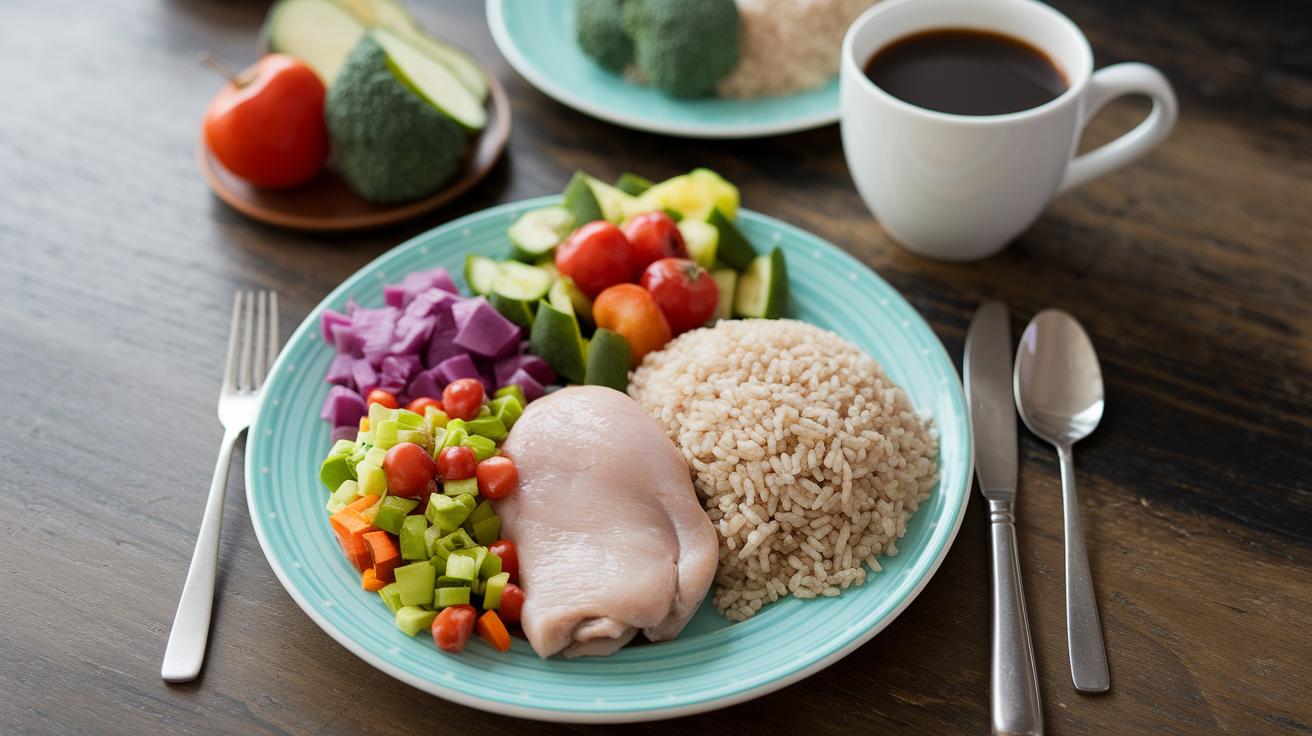
Setting out the right portions is a key step to eating healthily for life. Try filling half your plate with veggies, one quarter with lean protein like chicken or tofu, and one quarter with whole grains like brown rice. Take your time with each bite, imagine it as laying one small brick at a time to build a strong habit. Maybe spend five minutes after dinner to notice how your body feels.
- Try to eat at the same times every day to create a steady routine.
- Keep a simple weekly log to note what strategies work and celebrate your victories.
- Challenge yourself with small, easy food goals that you can stick with.
- Think ahead about common setbacks, like late-night cravings, and plan out alternatives.
- Share your progress with a friend or family member to keep the motivation high.
Write down what you eat or use a mobile app to track your progress. This way, you can see which tips work best and adjust your meals over time, making healthy eating a lasting part of your life.
Final Words
In the action of putting these insights to work, we dived into how a balanced diet rich in whole foods can boost energy and support overall well-being. We broke down essential food groups, shared meal ideas full of lean proteins, healthy grains, and fresh produce, and discussed smart ways to plan meals. By embracing these everyday steps, you build a strong foundation for lasting health. Keep experimenting with your meals and enjoy the positive impact on your daily vitality.
FAQ
What is whole food eating for beginners?
Whole food eating for beginners means starting with meals built from natural, unprocessed foods like fruits, vegetables, lean proteins, and whole grains. This simple approach supports overall health while making meal planning easy.
What are examples of whole foods and how do they define a whole foods diet?
Whole foods include fresh fruits, vegetables, legumes, nuts, seeds, and whole grains like quinoa. A whole foods diet focuses on these minimally processed items, offering vitamins, fiber, and essential nutrients.
What does a balanced diet food list include?
A balanced diet food list emphasizes colorful produce, lean proteins, whole grains, healthy fats, and legumes. These selections deliver vital vitamins, minerals, and fiber to help your body work well.
How can I access a whole food meal plan PDF and follow a 30-day whole food diet?
A whole food meal plan PDF outlines a month-long menu with breakfasts, lunches, and dinners made from natural ingredients. This plan streamlines shopping and meal prep while promoting a healthy whole foods diet.
Can a whole food diet include meat?
A whole food diet can include meat by choosing lean options like chicken or fish. This approach provides quality protein while still emphasizing plenty of fruits, vegetables, and whole grains.
How does the Mediterranean diet relate to whole foods?
The Mediterranean diet is a whole foods-based eating style rich in fruits, vegetables, whole grains, lean proteins, and healthy fats like olive oil. It is known for supporting heart health and general well-being.
What is considered the healthiest food in the world?
The healthiest food depends on individual needs, but many consider nutrient-dense options like leafy greens or berries top contenders due to their rich supply of vitamins and antioxidants.

