
Have you ever thought that a few simple habits might help keep you from a serious illness? Diarrhea can begin as a small upset but quickly become a dangerous health problem if you don’t catch it early. Germs in food and water can make you ill fast. Yet everyday habits like washing your hands well and making sure your water is safe can greatly reduce that risk.
In this article, you will find clear and easy steps that not only protect your health but also help make your community safer. With these practical tips, keeping diarrhea at bay becomes something everyone can do.
Essential Strategies for Diarrheal Disease Prevention
Diarrhea can start as a simple upset stomach but may quickly turn dangerous if you become dehydrated or can’t absorb nutrients properly. Viruses, bacteria, parasites, and even issues with how your gut works can all cause diarrhea, burdening both individuals and the community.
It makes a lot of sense to focus on stopping it before it begins. Simple actions like washing your hands well, using clean water, and handling food carefully can cut down your risk by a lot.
- Hand hygiene: Washing your hands with soap regularly keeps germs from spreading.
- Water treatment: Boiling or filtering your water gets rid of harmful bugs.
- Food safety: Storing and preparing food correctly helps stop bacteria from growing.
- Vaccination: Shots like the rotavirus vaccine can shield you from the worst cases of diarrhea.
- Nutrition: Eating a balanced diet keeps your immune system and gut healthy.
- Community sanitation: When everyone helps with waste management and cleanliness, it slows down how fast germs move around.
These steps work together to build a solid barrier against diarrheal disease. When we all take simple actions and support larger community efforts, we not only protect our own health but also build stronger, healthier neighborhoods.
Improving Water Safety to Prevent Diarrheal Disease
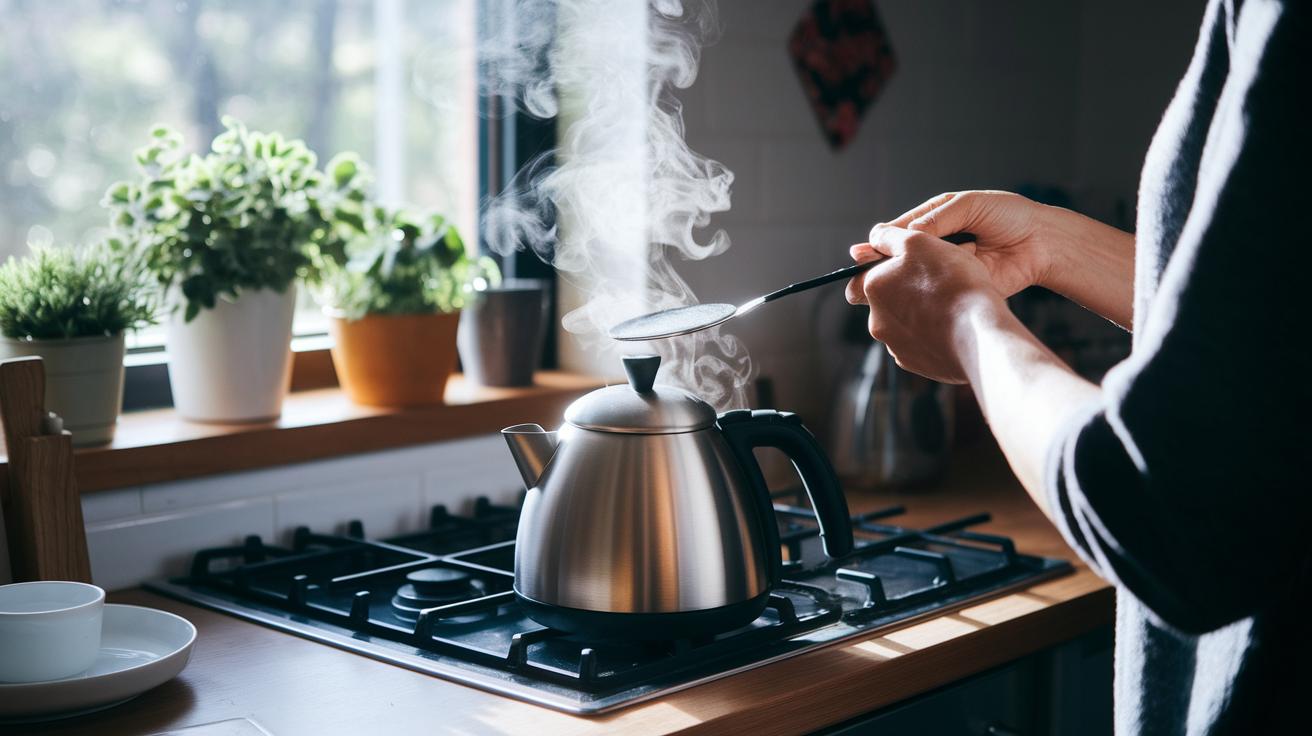
When water isn’t clean, it can make you really sick. Travelers who drink untreated tap water in risky spots can easily catch diarrheal infections because the water might have germs like bacteria, viruses, and protozoa. Even a simple fix, like boiling your water for a minute or adding a few drops of chlorine, can cut down on these germs and keep you healthier.
| Method | Pathogens Removed | Usage & Cost |
|---|---|---|
| Boiling | Bacteria, Viruses, Protozoa | Low cost; boil for 1 minute |
| Filtration | Bacteria, Protozoa | Moderate cost; requires cartridge replacement |
| Chlorination | Bacteria, Viruses | Very low cost; use a few drops per liter |
But water safety isn’t just about quick fixes. A long-term solution can be found in systems like rainwater harvesting, where rain is collected and stored to be treated and used for drinking. Meanwhile, community chlorination projects and household filters offer steady, reliable ways to get clean water day in and day out.
By putting these methods in place, communities reduce the spread of waterborne diseases over time. It’s about protecting everyone, using simple steps like boiling now and building safe water systems for the future. Stay safe, and make every drop count!
Strengthening Personal Hygiene for Diarrheal Disease Prevention
Our hands can easily pick up germs from dirty surfaces and then bring them straight to our mouths. That’s why a few simple habits can make a big difference in keeping us healthy.
First, wet your hands and lather up with soap. Scrub them gently for about 20 seconds (a fun tip is to hum your favorite tune or sing “Happy Birthday” twice). Rinse off all the soap and dry your hands with a clean towel. Use the towel to turn off the tap, so you don’t re-contaminate your freshly cleaned hands.
Also, keep your nails trimmed and try not to touch your face too much. Clean surfaces that you often use, and when soap and water aren’t around, a bit of hand sanitizer will help keep germs at bay.
Community programs often bring people together for fun, interactive sessions on proper handwashing and sanitizing techniques. These workshops show just how quick and effective these steps can be. Before you know it, a small change in your routine can cut the spread of germs dramatically. It’s amazing to think that just a few seconds of effort can play a big part in protecting everyone's health.
Ensuring Food Safety to Lower Diarrheal Disease Risk
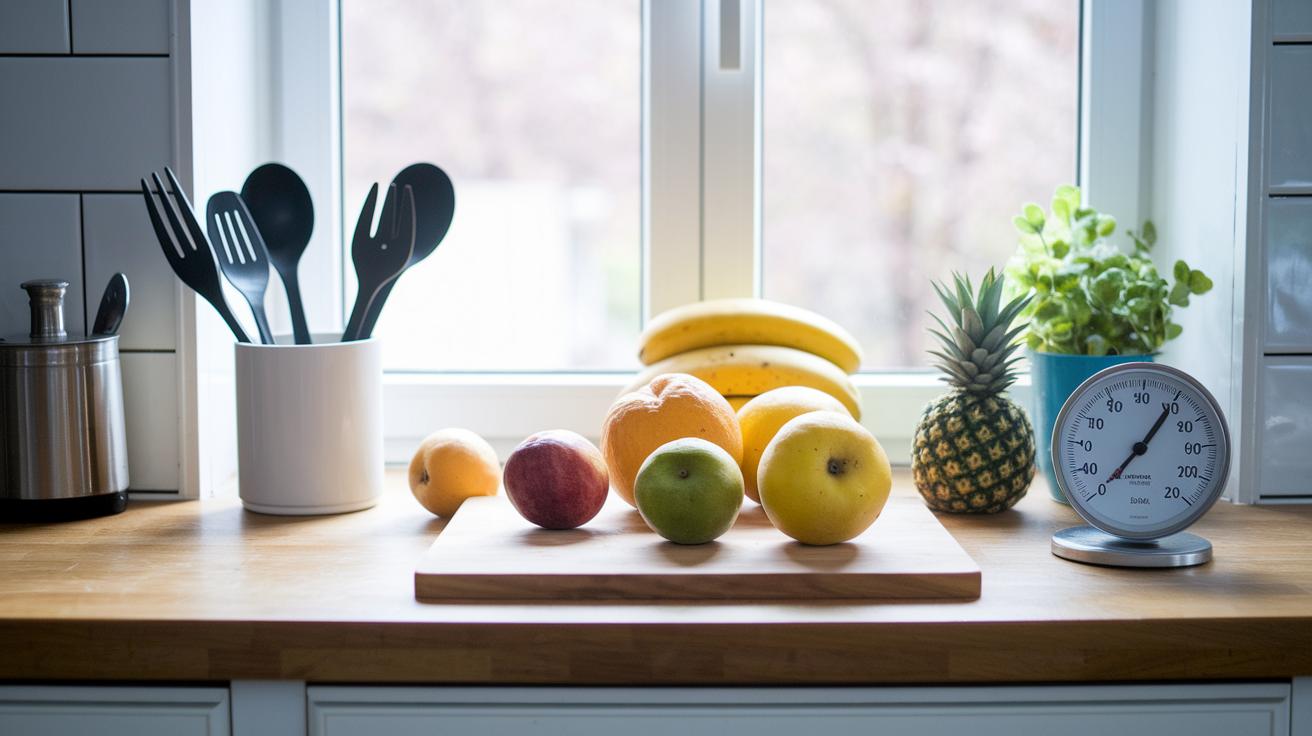
When food isn’t handled carefully in the kitchen, it can become a playground for harmful germs. Not keeping temperatures in check or mixing raw and cooked foods can quickly turn meals into risks for diarrheal illnesses. For instance, leaving frozen foods out to thaw or not washing your utensils properly gives bacteria a free pass to multiply. Even if your home has a laid-back vibe, paying attention to safe food practices makes a big difference in keeping everyone healthy.
Here are some simple tips to follow:
- Use separate utensils for raw and cooked foods.
- Keep your refrigerator at 40°F or lower.
- Thaw frozen items safely.
- Reheat leftovers to at least 165°F.
- Wipe down your countertops after each use.
Skipping these steps can lead to dangerous cross-contamination. If leftovers sit out too long or surfaces aren’t cleaned, bacteria can spread fast, increasing your risk of getting sick. By taking these small precautions, you not only prevent foodborne illnesses but also support the overall well-being of everyone at home. Small mistakes might seem minor, but they can have serious health consequences, so it’s always worth the extra care.
Vaccination and Medical Interventions in Diarrheal Disease Prevention
Vaccines help lower the chance of serious diarrhea and keep us healthier. For example, the rotavirus vaccine can cut the number of severe diarrhea cases in babies by nearly 80%. Even COVID-19 vaccines have been found to ease stomach and gut issues. They not only reduce the risk of getting sick but also help lessen outbreaks in our communities.
When diarrhea hits, oral rehydration therapy (ORT) is one of the first tools we use. ORT works by replacing the fluids, salts, and sugars lost during an episode of diarrhea, which is vital to prevent dangerous dehydration. You can mix a simple solution at home or use WHO-recommended ORS packets. This quick fix is especially helpful for young children and older adults.
Over-the-counter remedies like loperamide and bismuth subsalicylate might give some relief for mild symptoms. They can slow the process of diarrhea for a short time, but remember, they should never take the place of ORT. If your symptoms stick around or get worse, it's important to see a healthcare professional.
- Diarrhea lasting more than 7 days
- Clear signs of severe dehydration
- Stools that contain blood or mucus
Nutrition and Rehydration Strategies for Diarrheal Disease Prevention

When diarrhea strikes, your body loses both water and important salts, so it's essential to replace them quickly. Drinking plenty of water is a good start, but remember to add back sugars and salts to help your system absorb fluids better.
Consider these options to get back on track:
- WHO ORS packets
- Homemade sugar-salt solution (mix 1 liter of water with 6 teaspoons of sugar and ½ teaspoon of salt)
- Coconut water
- Diluted electrolyte drinks
Adding foods like yogurt and kefir, which have helpful bacteria, can also support your gut. And when you’re feeling off, choosing light, easy-to-digest foods can soothe your stomach. Together, proper hydration and simple nutrients help you recover smoothly and keep your gut healthy.
diarrheal disease prevention: Bright Health Steps
When communities work together, we can really cut down the spread of diarrheal diseases. Neighbors, local leaders, and health educators teaming up can make a big difference. Projects like updating local sanitation, improving waste management, and offering health lessons help lower disease rates in a meaningful way.
Local education programs teach everyone how to avoid infections, while better sanitation practices and waste control keep our surroundings clean and safe. These actions cut down on unsafe practices and stop harmful germs from spreading, protecting all of us.
| Initiative | Expected Outcome |
|---|---|
| Community latrine construction | 60% drop in waterborne cases |
| School hygiene education | 40% boost in handwashing rates |
Keeping an eye on disease trends and involving local voices is really important. Regular checks help catch outbreaks early, allowing quick action before things get out of hand. When decision-makers, community leaders, and health educators join forces, they build a strong, lasting system to keep everyone healthy. In truth, every community member plays a vital part in protecting our shared well-being.
Final Words
In the action of following essential strategies, we explored safe water practices, smart food handling, thorough personal hygiene, timely vaccination, and balanced nutrition. Each section broke down daily actions that make managing health more relatable and actionable.
Using practical steps to keep our communities safe shows that even small changes add up. Keep your efforts steady, and you'll see progress in diarrheal disease prevention while enjoying improved overall well-being.
FAQ
How do you prevent diarrheal disease and manage complications?
The answer indicates that preventing diarrheal disease involves practicing good hand hygiene, using safe water and proper food safety methods, and supporting vaccination. These measures help prevent complications and reduce overall risk.
What causes diarrhea and what are its different types?
The answer explains that diarrhea can result from bacteria, viruses, parasites, or digestive disorders. It commonly appears in four forms: acute, persistent, osmotic, and secretory—each reflecting a distinct underlying cause.
How can diarrhea be prevented at home?
The answer reveals that home prevention includes washing hands regularly, using treated water, and following sound food preparation practices. These simple actions lower the chance of infection and help maintain a healthy household.
What are the guidelines for managing diarrhea?
The answer shares that managing diarrhea involves promptly rehydrating with oral rehydration therapy, using over-the-counter medications when appropriate, and consulting health professionals if symptoms become severe or persistent.
How should sickness with diarrhea be treated?
The answer suggests that treatment requires replacing lost fluids and electrolytes through rehydration methods, careful dietary choices, and, when necessary, professional medical advice to prevent severe dehydration and complications.
Where can I find resources on diarrhea prevention and control (like PDF or PPT)?
The answer notes that various resources, including PDFs and PPTs, are available and outline key strategies such as hygiene practices, safe water use, and proper food handling to offer clear guidance on preventing and controlling diarrhea.
What is the overall conclusion on diarrhea prevention?
The answer summarizes that combining personal hygiene, disinfected water, safe food practices, and timely medical interventions creates an effective, integrated approach to reduce diarrhea risk and improve health outcomes.

