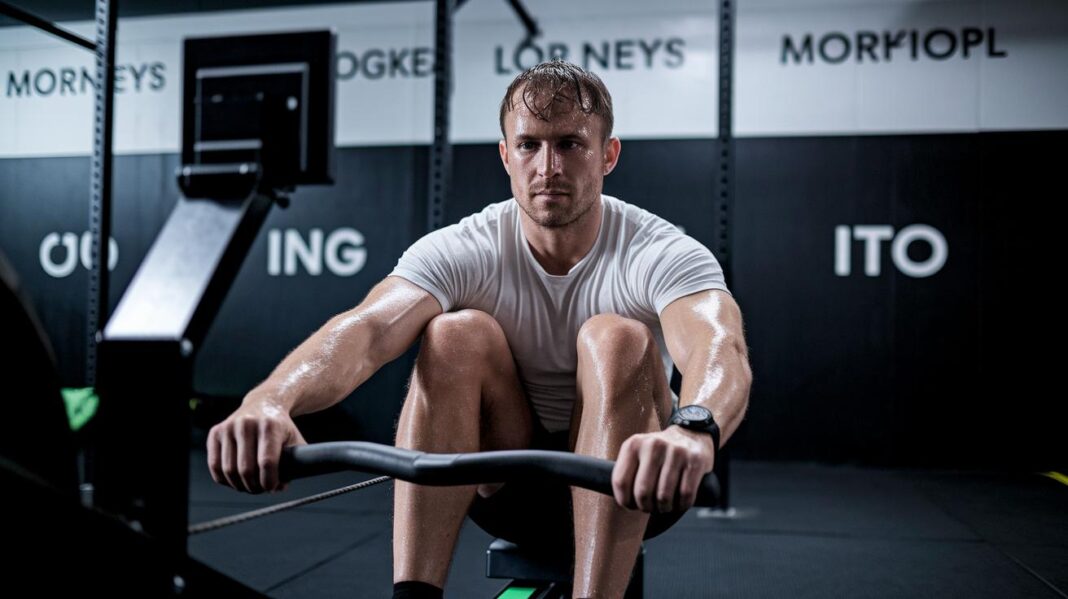
Have you ever wondered if one workout could get your heart pumping and work almost every muscle? Rowing cardio workouts do just that. With each stroke, your heart works harder, your endurance grows, and your arms, legs, and core get stronger. Picture gliding through water with steady moves that burn calories and help your mood with feel-good endorphins. In this article, we're showing you how rowing can be a smooth and powerful way to boost your fitness and build a balanced routine.
Why Rowing Cardio Workouts Are Ideal for Aerobic Fitness
Rowing workouts give you a gentle, full-body exercise that works your arms, legs, back, and core all at once. They boost your heart health by increasing VO2 max (that’s simply how much oxygen your body uses during exercise) and work roughly 86% of your muscles, which helps burn plenty of calories. Plus, thanks to a burst of feel-good endorphins, you’ll likely feel a bit happier while your heart gets a great workout.
You can set a steady pace or spice things up with short, fast bursts. Either way, indoor rowing is both flexible and efficient. For example, picture this:
"Imagine gliding through water with every stroke, your heart beating steadily as you transition from a calm pace to a dynamic sprint, each movement sparking your body's natural energy."
This routine not only builds strength but also boosts your endurance over time. It cares for both your heart and your muscles, making it a smart choice when you want to burn more calories in less time. And because it’s low-impact, it’s gentle on your joints, so you can keep it up safely over the long haul.
| Benefits |
|---|
| Works your entire body |
| Adjustable intensity to match your pace |
| Burns calories efficiently |
Stick with rowing workouts, and you’ll soon notice improvements in your stamina and overall health.
Correct Rowing Form and Rower Setup for Cardio Sessions
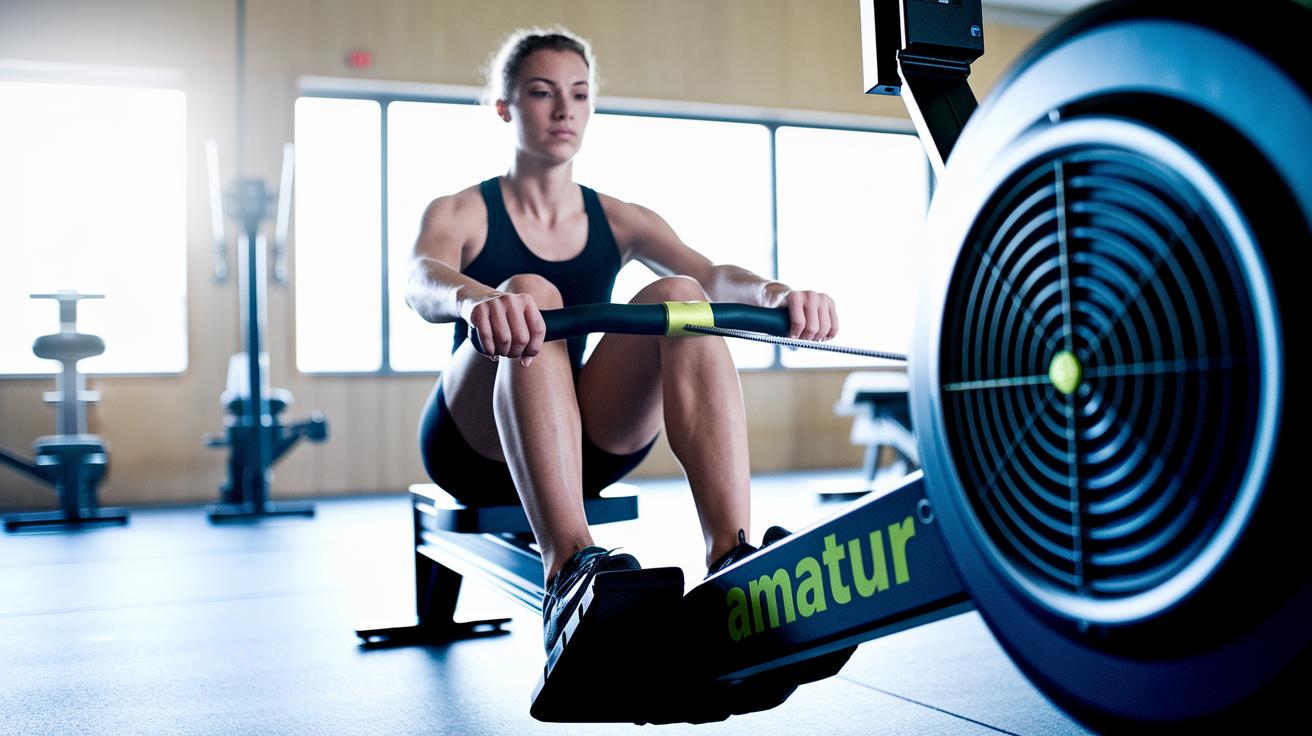
Start by setting up your rower so you feel comfortable and safe. Make sure your footplates hold your feet firmly with every stroke. If you’re new to rowing, set the damper (the part that controls resistance) between 3 and 5. This easy setup lets you concentrate on perfecting your form without worry.
Next, break your rowing motion into four clear steps. First is the catch. Begin with bent knees and arms stretched out. Picture yourself at the starting line, every muscle poised to move. Then comes the drive, where you push with your legs while your glutes and core join in. When you reach the finish, draw the handle toward your lower ribs, keep your posture upright and your shoulders relaxed. Finally, as you recover, gently slide back to the catch position so you’re ready for the next stroke.
Also, keep an eye on your posture. Staying true to a straight, neutral spine and holding the handle correctly helps prevent back strain. These simple equipment safety tips not only boost your workout’s effect on your heart but also lower the risk of injury. A quick check of your rower settings before you start can make all the difference. With a few small adjustments, you can enjoy a smooth, steady, and safe cardio session on your rowing machine.
Rowing Cardio Interval Training Strategies for Aerobic Gains
Rowing interval workouts add a burst of energy to your cardio routine while quickly boosting your aerobic strength. Instead of steady rowing, you switch things up by mixing short periods of vigorous effort with slower recovery. For example, try rowing hard at over 90 strokes per minute for one minute, then slow your pace down to around 18–24 strokes per minute for one or two minutes. This rhythm helps lift your heart rate and gives you a moment to catch your breath.
These sessions are not only fun but also super efficient, especially for busy people. A quick 20-minute HIIT session on the rower can burn almost as many calories as an hour of steady rowing. And that extra calorie burn keeps going even after you finish your workout, thanks to the afterburn effect.
Dynamic intervals like these mix bursts of intense work with active recovery. They push your heart and muscles, building your stamina while working with different fitness levels. Think of it like this:
| Workout Phase | Benefit |
|---|---|
| High-intensity burst | Spikes your heart rate quickly |
| Slow recovery period | Gives your muscles time to reset |
| Alternate phases | Boosts calorie burn and builds endurance |
Imagine pushing hard for a minute as if you’re in a friendly race, then easing into a slower pace for a couple of minutes to get ready for the next burst. Keep your form steady by focusing on smooth, strong strokes, and listen to your body as you adjust your intervals. It’s like chatting with a friend about your fitness journey, each session brings you a little closer to your goals.
Beginner Rowing Cardio Workout Plan for Steady Progress

Kick off your rowing journey with a simple plan that builds your endurance while helping you stay focused on your form. For your first workouts, row for about 5 to 10 minutes at a smooth pace of 20 to 24 strokes per minute. Think of each stroke as a chance to fine-tune your posture and keep your rhythm steady.
As you get comfortable, try adding 5 extra minutes each week until you work up to a total of 20 to 30 minutes. This gradual increase not only builds your stamina but also boosts your confidence on the rower.
Here’s a sample weekly plan:
- Two sessions of 10 minutes each at a steady pace, where you focus solely on consistent speed and sound form.
- One 5-minute block of interval training, where you mix short bursts of faster rowing with slower recovery strokes.
Picture your goal like climbing a ladder, each extra minute is a step higher. And if you ever feel you need extra help, many instructor-led classes are available, ranging from 5 to 60 minutes, that offer real-time tips on improving your technique. Over time, this progression turns a simple row into a powerful cardio workout that lifts your overall fitness and rowing skills.
Rowing Cardio Workouts: Ignite Your Heart's Beat
If you’re a seasoned rower, you can supercharge your workout by mixing long, steady rowing with short, powerful bursts. Begin with a 10- to 15-minute session at about 26 to 30 strokes per minute. Picture yourself gliding over calm water, each stroke urging your heart to push a little harder.
Next, change gears and try a power stroke challenge. Row in four 2-minute bursts at roughly 80% of your best effort, giving yourself a 2-minute break after each burst to catch your breath. This combo builds up your heart strength and tones your muscles. Picture powering through a burst with your heart racing, then easing off like a sail catching a soft breeze.
For extra variety, add some pyramid drills into your routine. Row for 1 minute at a hard pace, then try 2 minutes, push for 3 minutes, drop back to 2 minutes, and finish with 1 minute. Mix it up further with reverse pick drills, which change your stroke pattern and target different muscle groups. These tweaks keep your workouts fun and help boost your stamina.
Trying these advanced moves could unlock new power in your workout and help you row even better overall.
HIIT Rowing Cardio Workouts to Maximize Calorie Burn
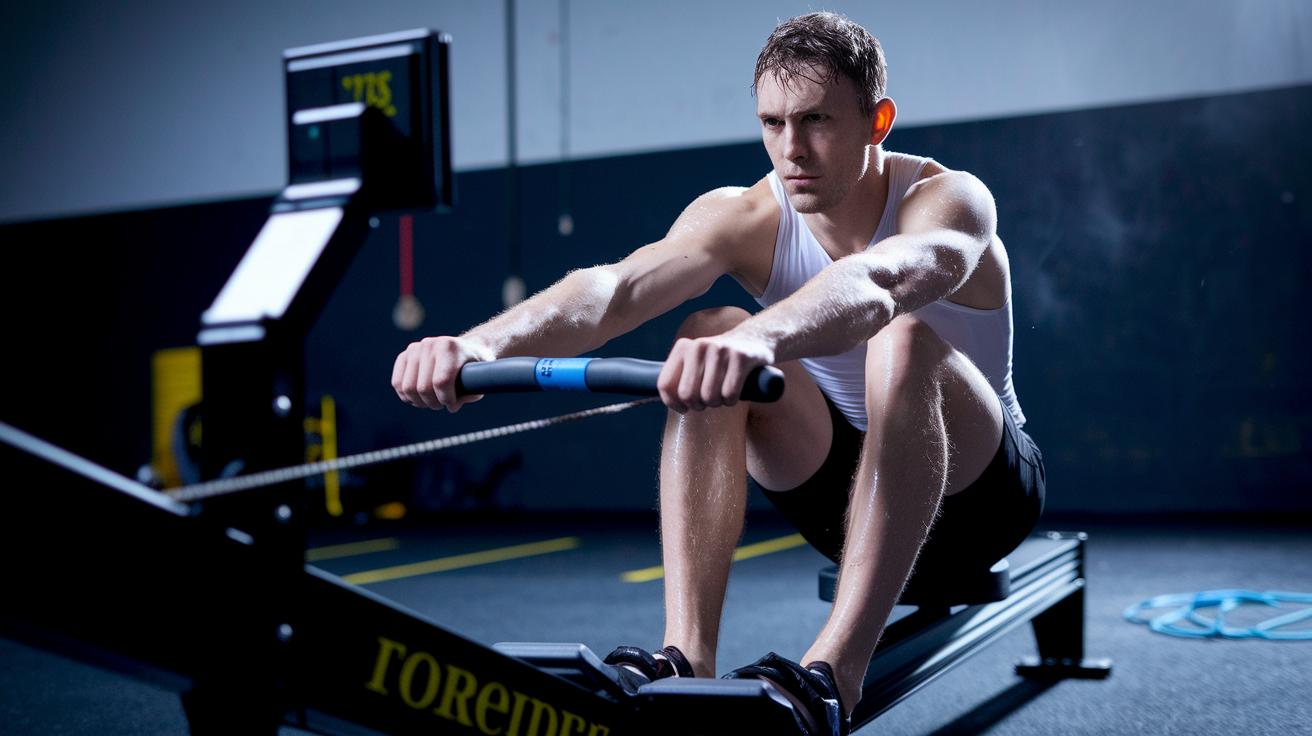
This guide is for seasoned rowers who want to sharpen their HIIT routines without rehashing the basics. Try the 20-second all-out burst followed by 40 seconds of rest. Do this for 10 to 15 rounds in a session that lasts under 20 minutes. Picture it like this: row as hard as you can for 20 seconds, imagine propelling a small boat through choppy water, then take 40 seconds to catch your breath.
Focus on keeping your form tight during those explosive bursts. Stand tall by engaging your legs, core, and arms equally. If you start feeling too tired and your form slips, maybe your back arches or your strokes shorten, slow it down a bit to get back on track.
Here are a few simple tips to fix common mistakes during HIIT rowing:
| Tip | Advice |
|---|---|
| Leg Drive | Start each stroke with a powerful kick from your legs |
| Core Engagement | Keep your core tight to support your back |
| Full Range of Motion | Use complete movements to burn more calories and lower strain |
As you build stamina, feel free to play around with the number of rounds or tweak the rest time a bit. Advanced rowers might even change up their stroke rate during the high-energy bursts to challenge their muscle coordination even more.
Rowing Cardio Workouts: Ignite Your Heart's Beat
Revamp your rowing workout by tweaking the resistance, stroke rate, and overall session plan to match your fitness goals. Try dialing up the damper settings for a slow, heavy pull that builds strength, think of it like pushing open a big, heavy door, while a lower setting with quicker strokes can push your endurance further.
Keep your muscles guessing by mixing up your intervals. For example, do short bursts of high-resistance power rows, then switch to longer, faster rows on a lower setting. During breaks, add simple bodyweight exercises like push-ups or squats, imagine doing a round of air squats just to keep your heart pumping as you recover.
Try out some advanced rowing techniques to truly mix things up:
- Give power stroke challenges a go by rowing with full force for a set number of strokes. For instance, try 10 high-power strokes before easing back into a comfortable pace.
- Experiment with pyramid drills by starting with a few hard strokes, building up the count, then easing back down, maybe begin with 3, build to 6, and return to 3.
- Test reverse pick drills that stretch out your recovery stroke to improve your rhythm and engage other muscles. This focus on the recovery phase can really boost overall control.
Play around with these techniques to keep your workouts fresh and exciting, helping you build strength, boost endurance, or burn a bit more fat along the way.
Tracking Progress and Heart Rate in Rowing Cardio Workouts
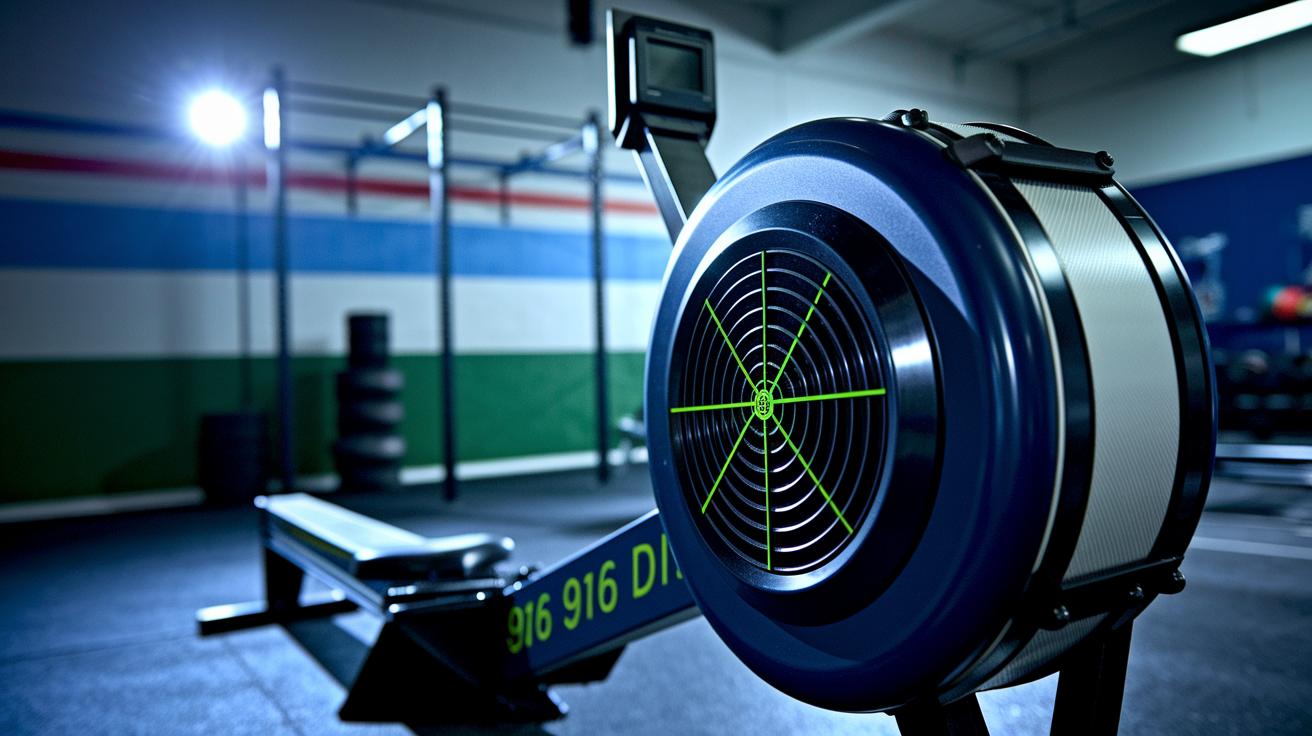
Keep an eye on your rowing workout progress by checking important numbers on your machine. Your rower shows useful info like stroke rate, split times, how many meters you've rowed, and your output in watts. When you use the built-in heart rate check, you can keep in your target zones – working at 50 to 70 percent of your maximum heart rate really helps burn fat, and 70 to 85 percent builds endurance. Tracking these numbers over time shows you how your pace, power, and intervals are getting better.
Set your machine display to focus on:
- Stroke Rate: Helps you keep a steady rhythm.
- Split Times: Shows how efficient each row stroke is.
- Total Meters: Tells you the distance you’ve covered.
- Output (Watts): Indicates how hard you’re rowing.
| Metric | Focus |
|---|---|
| Stroke Rate | Rhythm and consistency |
| Split Time | Efficiency per stroke |
| Total Meters | Distance performance |
| Output (Watts) | Intensity level |
Writing down these details – whether in a notebook or on your fitness app – helps you see steady progress over time. Watching your power and pace improve week after week can feel like a little personal win, a clear sign that your efforts are paying off.
Using these tools every day helps you spot the spots where you might need to push a bit harder. Regular checks keep your workouts safe and effective while building your confidence with every row.
Final Words
In the action, the post breaks down the many benefits of a full-body workout on the rowing machine. It explains how to maintain proper form, set up your equipment, and use interval training to boost your heart health. Each section shows ways to start slow or push your limits with advanced routines and tracking progress. Every insight keeps the workout safe, fun, and effective, row by row. Keep your focus, take it one stroke at a time, and enjoy every bit of your rowing cardio workouts.
FAQ
How can rowing cardio workouts help with weight loss and reduce belly fat?
Rowing workouts help by burning calories and building muscle—including in the core. This boost in metabolism supports weight loss and can lead to firmer belly muscles over time.
What are the best rowing cardio workouts?
The best workouts combine steady rowing with high-intensity intervals. This mix improves heart health, burns calories efficiently, and tones muscles for a full-body benefit.
How can beginners get started with rowing cardio workouts?
Beginners should start with shorter sessions that emphasize proper form. Gradually increasing duration helps build endurance and confidence while preventing injury.
Where can I find a rowing machine workout plan in PDF?
A PDF rowing plan typically outlines exercises, durations, and intensities that suit both beginners and advanced users, offering clear instructions for a safe and effective routine.
What benefits does a rowing machine workout offer?
Rowing workouts boost cardiovascular fitness, burn calories, and tone major muscle groups with low-impact movement, making them ideal for overall fitness improvements.
How does a 30-minute rowing workout enhance fitness?
A 30-minute session lets you mix steady rowing with bursts of high effort. This longer duration builds endurance and maximizes calorie burn efficiently.
Are 20-minute rowing workouts enough for a solid cardio session?
A 20-minute rowing workout can be effective, especially when incorporating intervals. Maintaining the right intensity during this time can provide a strong cardiovascular challenge.
Is rowing a good cardio workout?
Rowing is a good cardio workout because it engages multiple muscles, reduces joint stress, and helps improve heart health when performed with proper technique.
How long should you do rowing cardio workouts?
The ideal duration depends on your goals and fitness level. Beginners may start with 10–20 minutes, while experienced users can benefit from sessions lasting 30 minutes or more.

