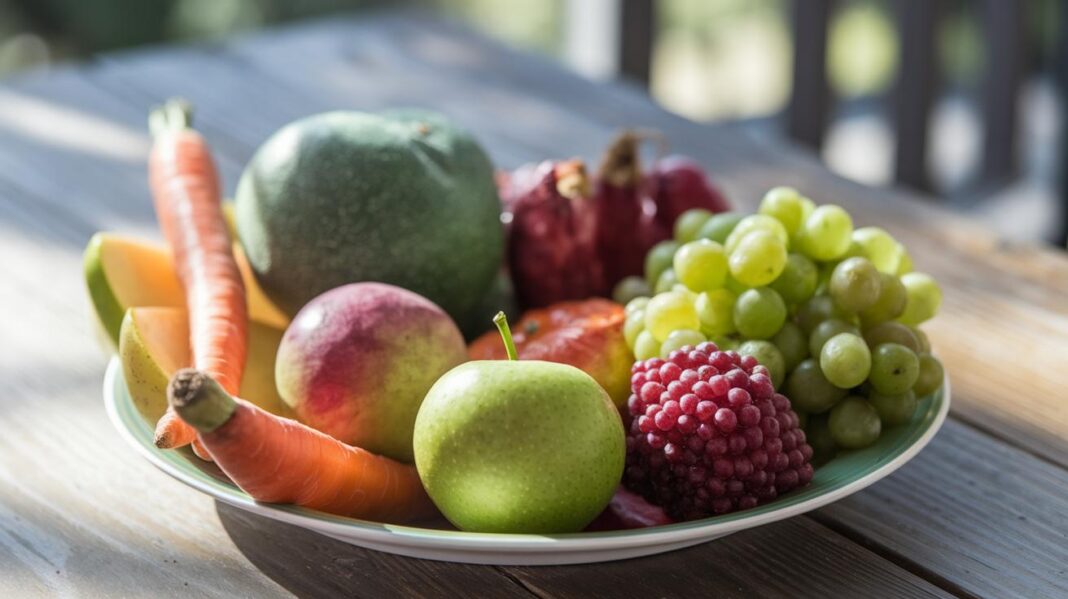
Have you ever thought that a small change in your diet might boost your energy? Imagine your gut as a friendly neighborhood where every bite helps keep things running smoothly. Eating fruits, veggies, nuts, and whole grains can wake up the good bacteria inside you, giving you that extra pep. Research even shows that trying 30 different kinds of plants each week can support this important inner ecosystem. In short, a balanced diet isn’t just about good digestion, it’s a simple, powerful way to energize your life.
Essential Nutrients & Foods for Balanced Gut Health
A healthy gut starts with a variety of nutrient-rich foods. Studies show that if you eat about 30 different plant foods each week, you help your gut bugs grow stronger. High-fiber fruits and veggies like apples, berries, and leafy greens are like gas for these friendly bacteria. Think about it, adding an extra fruit or vegetable to every meal can feel as refreshing as a deep, cool breath of air.
Nuts and seeds do more than add crunch; they boost your gut with fiber, natural antioxidants, and omega-3 fats that help keep things running smoothly. Legumes, such as chickpeas and lentils, have a special type of fiber that feeds your good bacteria. Whole grains also play their part, with research linking them to a happier mix of gut microbes. Even a moderate cup of coffee might help create more variety in your gut community.
On the flip side, too many processed foods and sugary treats can upset your gut’s balance. Simple lifestyle tweaks, like getting enough sleep, moving around regularly, and managing stress, can also make a big difference for your digestion.
Picture your gut as a lively neighborhood where every food choice counts. Each bite helps keep this inner world in harmony. By choosing a colorful mix of nutrient-packed foods, you're building a strong foundation for a balanced gut and setting the stage for a more energetic life.
Crafting a Fiber‐Focused Nutrition Plan for Digestive Wellness
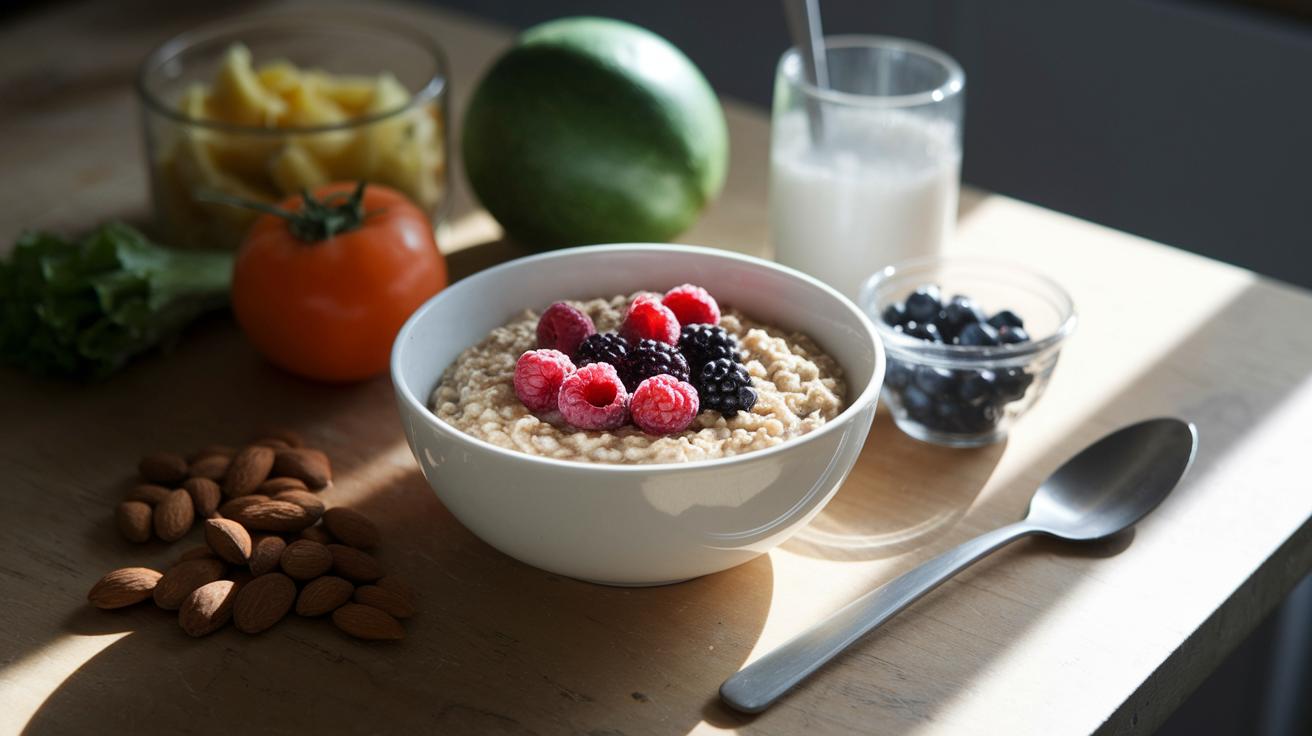
High-fiber foods are a real treat for your gut’s friendly bacteria. Foods like whole grains, legumes, nuts, seeds, fruits, and veggies are loaded with fiber that helps produce short-chain fatty acids such as butyrate (imagine butyrate as a gentle cleanser that refreshes your digestive tract). Ever notice how a cup of cooked lentils gives you about 15 grams of fiber? That’s a lot of support for your gut!
Most guidelines suggest about 25 grams of fiber a day for women and 38 grams for men. But don’t rush it, add fiber slowly to your meals so your body can adjust without any discomfort.
Plan meals with high-fiber foods naturally built in. For instance, start your day with a warm bowl of oatmeal mixed with berries. Later, toss a handful of almonds or walnuts into your salad, or snack on some raw veggies paired with hummus. At dinner, why not add a side of lentils or black beans?
If you’re after a more structured plan, there are meal planners that focus on fiber-rich recipes. Gradually embracing this fiber-focused approach can not only boost your gut health but also add a spark of energy to your everyday life.
Incorporating Probiotic & Prebiotic Fusion in Microbiome‑Boosting Meals
Mixing foods that feed your gut with ones that bring in live cultures is a game changer. Prebiotics, found in everyday items like garlic, onions, asparagus, bananas, and oats, act like a snack for your good bacteria. For example, adding a spoonful of oats to your morning yogurt boosts fiber and gets your gut ready for a burst of healthy microbes.
Fermented foods such as yogurt, kefir, miso, sauerkraut, kimchi, and kombucha offer live cultures that add variety to your gut’s family of bacteria. Imagine stirring a bit of tangy miso into a warm broth; it not only warms you up but also fills your body with beneficial bacteria. Research even suggests that pairing these foods can give your digestion and immune system an extra boost. Check out what is a superfood for some deeper insights into these nutrient-packed foods.
Sometimes, meals include algae-based options like spirulina, which bring their own unique benefits. Try sprinkling a pinch of spirulina into your smoothie bowl, it adds a refreshing twist while contributing prebiotic support. This thoughtful blend helps keep your gut happy and balanced by continuously feeding it the good bacteria that keep everything running smoothly.
Sample Whole Foods Digestion Blueprint with Microbiome‐Friendly Choices
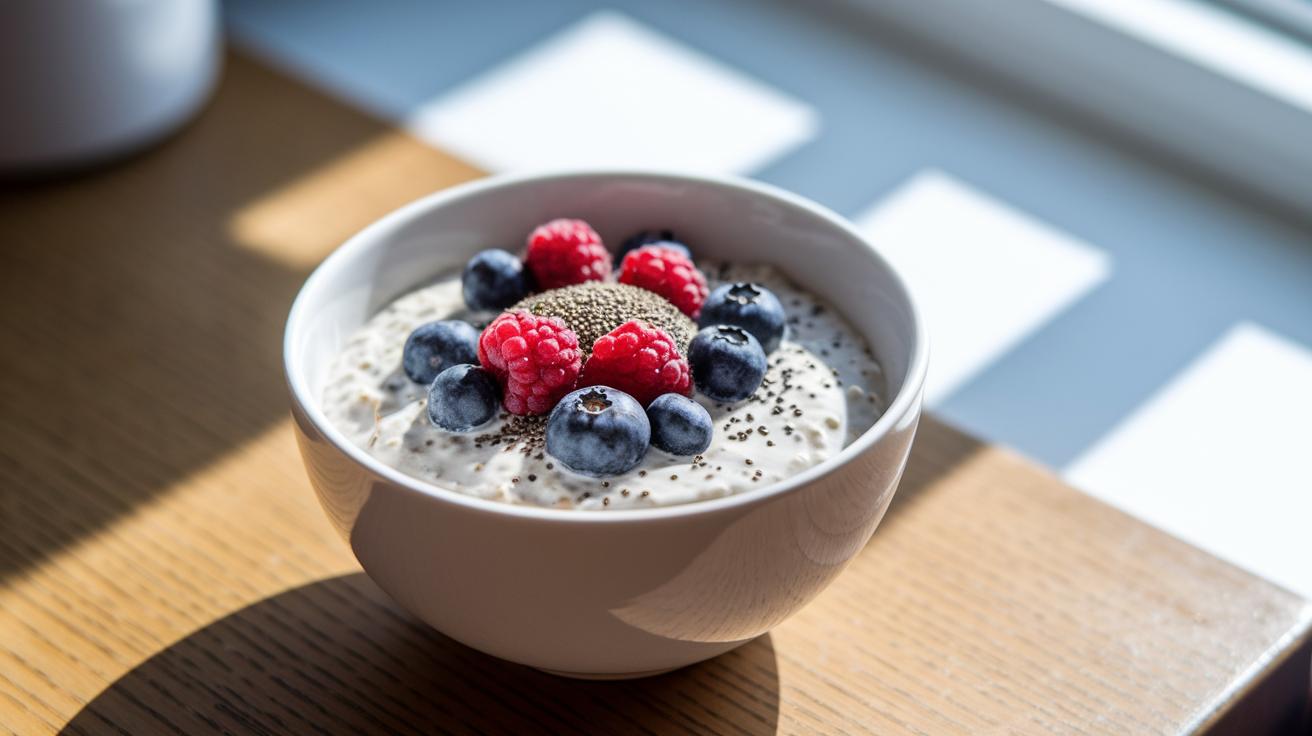
This plan is designed to give your gut a real treat with whole foods that help you feel great. Start your day with nutrient-rich overnight oats mixed with berries and a sprinkle of chia seeds. You get around 8 grams of fiber and a billion friendly probiotic cells (tiny helpers for your digestion) right in the morning. For lunch, enjoy a fresh green salad teamed with hearty lentils that pack both plant protein and extra fiber.
A mid-afternoon snack of crunchy almonds and apple slices adds about 5 grams of fiber, giving you a tasty, energy-boosting bite. At dinner, relish grilled salmon loaded with heart-healthy omega-3s, accompanied by fermented veggies and steamed broccoli. This combo offers a mix of fiber and live cultures that keep your gut in top shape. Little changes in meals like these can really make a difference in supporting your digestive system. Check out our grocery list for healthy eating to pick up these ingredients and kick-start a bright, healthy day.
| Meal | Menu | Nutritional Highlights |
|---|---|---|
| Breakfast | Overnight oats with berries & chia | 8g fiber, 1B CFU probiotic |
| Lunch | Lentil-green salad | High fiber & plant protein |
| Snack | Almonds and apple slices | 5g fiber boost |
| Dinner | Grilled salmon, fermented veggies & steamed broccoli | Omega-3s, live cultures & fiber |
Lifestyle & Meal Scheduling Strategies for Gut Nutrition Harmony
Keeping a steady daily routine helps your gut work at its best. Your gut has its own natural cycle, just like your sleeping and activity habits. When you stick to set meal times, it’s like tuning up a favorite instrument, everything stays in harmony.
One simple idea is trying intermittent fasting, like the 16:8 method. You eat during an 8-hour window and fast for the other 16. This little change can give your gut a fresh start and help it digest food more easily.
Good lifestyle habits count, too. Getting more than 7 hours of sleep gives your body the time it needs to repair itself and keep your gut’s bacteria happy. Even a quick, daily walk or light exercise can give your digestive system a boost. And when stress sneaks in, taking just a few minutes to focus on deep breathing can calm your gut and lower inflammation.
- Keep regular meal times
- Try intermittent fasting (like 16:8)
- Get enough sleep
- Enjoy daily, moderate exercise
- Use simple stress relief techniques (like deep breathing)
- Avoid using antibiotics when they aren’t needed
- Stay away from smoking
These small adjustments can reshape your day into a wellness routine that nourishes your gut and keeps its rhythm feeling just right.
Anti‐Inflammatory Gut Cuisine: Inflammation‐Reducing Nourishment
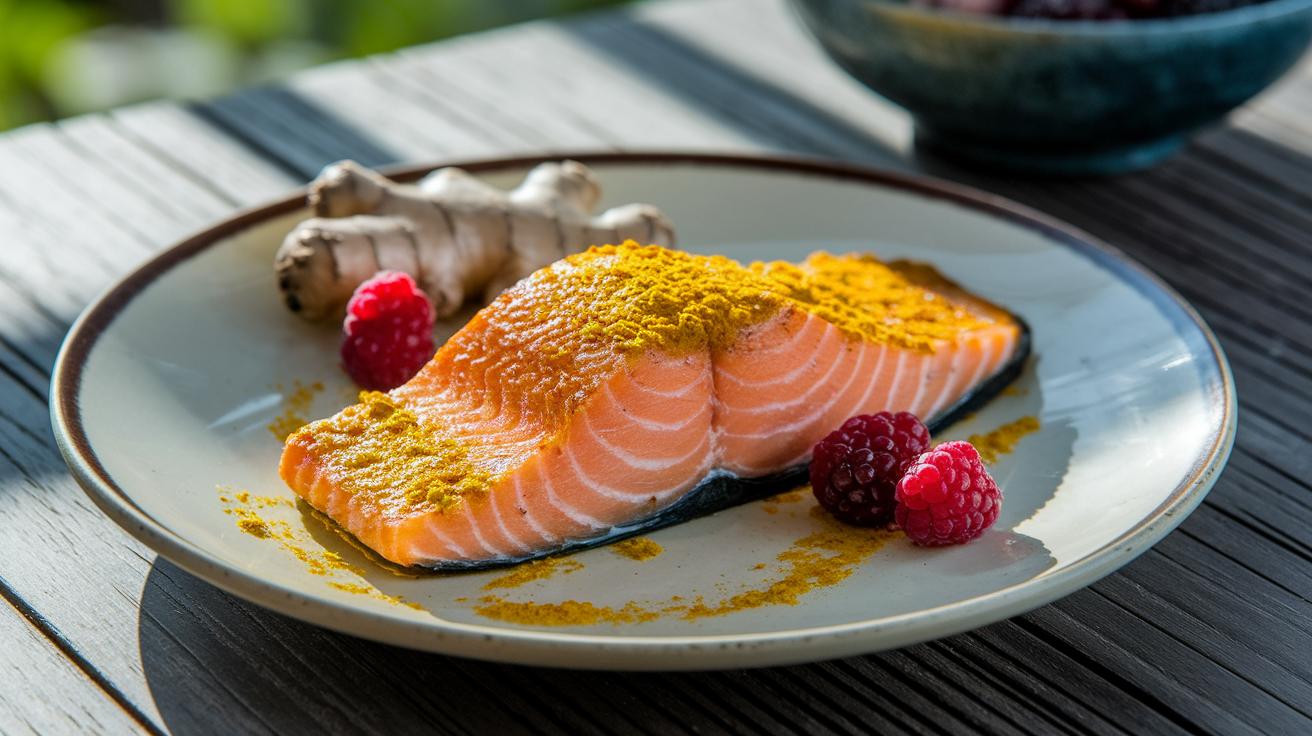
An anti-inflammatory eating plan uses foods that gently care for your gut by soothing its delicate system. Foods like salmon and mackerel pack a lot of omega-3s (healthy fats that help calm inflammation). Imagine treating yourself to a delicious serving of grilled salmon a couple of times each week, it’s like giving your body a natural, tasty boost.
Turmeric and ginger bring a subtle, spicy kick to your everyday meals. Their natural compounds help ease inflammation, which might mean you feel more comfortable as you go about your day. Ever notice how a little ginger in your stir-fry can feel like a soft wave washing away stress? Plus, berries filled with anthocyanins and green tea loaded with polyphenols (plant compounds that act like little helpers in your body) add extra anti-inflammatory power.
Everyday spices do more than just add zing to your dishes, they can actually help lower markers like C-reactive protein, which is linked to inflammation. Try sprinkling a bit of turmeric into your soup or even your morning smoothie. This balanced mix of flavors not only delights your taste buds but also supports your body's natural defenses, turning every meal into a step toward a happier, healthier gut.
Final Words
in the action, we explored core ways to boost your digestive well-being with a balanced diet for gut health. We broke down nutrient-dense foods, fiber-packed meal plans, and the magic of combining prebiotics with probiotics. We also touched on whole foods blueprints, smart meal scheduling, and anti-inflammatory meals that work together to support gut harmony. Taking small, steady steps with your daily routines can offer big benefits for your well-being. Stay optimistic, every choice plants a seed for a healthier you.
FAQ
Q: What does a healthy gut diet plan PDF typically include?
A: A healthy gut diet plan PDF includes meal ideas that focus on high-fiber fruits, vegetables, whole grains, and fermented foods. It guides you to balance your meals and support your beneficial gut bacteria.
Q: What are the worst foods for gut health, including the 7 worst foods?
A: The worst foods for gut health are ultra-processed items, excess sugar, refined carbohydrates, and artificial additives. Avoiding these supports beneficial bacteria and maintains a healthy digestive environment.
Q: How can I naturally improve gut health and boost good bacteria?
A: Naturally improving gut health means eating fiber-rich produce, legumes, whole grains, and fermented foods like yogurt. Regular sleep, exercise, and stress control further support your body’s beneficial gut bacteria.
Q: What are the top foods to eat for a healthy gut?
A: The top gut-friendly foods include high-fiber fruits, vegetables, legumes, whole grains, nuts, seeds, and probiotic foods such as kefir or sauerkraut. These nourish your gut and improve digestion.
Q: How do I keep my stomach healthy and clean?
A: Keeping your stomach healthy involves consuming unprocessed whole foods, staying well-hydrated, and limiting sugary or fatty items. This balanced approach encourages a clean, efficient digestive system.
Q: What are some common signs of an unhealthy gut?
A: Common signs of an unhealthy gut include bloating, irregular bowel movements, excess gas, fatigue, food intolerances, and unexpected weight changes. Recognizing these signals can prompt beneficial dietary adjustments.
Q: What is the best diet to heal your gut?
A: The best gut-healing diet emphasizes high-fiber whole foods, prebiotic and probiotic ingredients, lean proteins, and healthy fats while reducing processed foods and sugars to boost microbial balance and digestive health.
Q: What are the 5 R’s for gut health?
A: The 5 R’s for gut health are Remove, Replace, Reinoculate, Repair, and Rebalance. This approach focuses on eliminating irritants, restoring digestive enzymes, adding beneficial bacteria, healing the gut lining, and balancing overall gut function.

