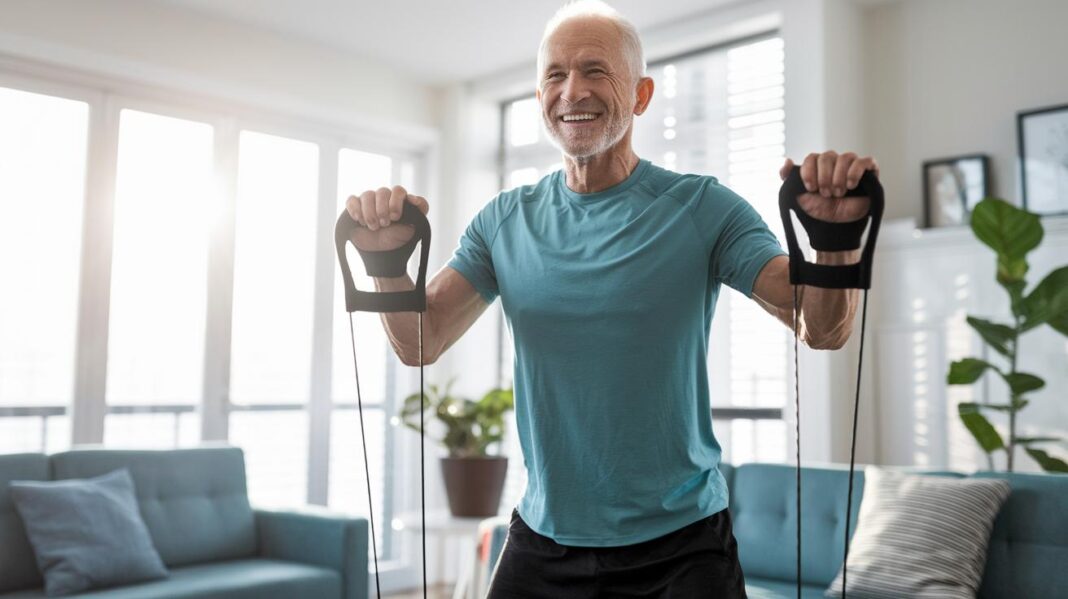
Have you ever thought that getting older means you have to slow down? Many believe the later years are for just sitting around. But low-impact cardio shows that you can stay lively at any age.
Gentle exercises like a brisk walk or water aerobics can help your heart work better and make your muscles stronger, all without overdoing it. It's amazing how many seniors keep active every day.
Regular exercise not only lifts your heart health, it boosts your overall well-being. In this article, you'll find simple, effective cardio routines that help seniors live with energy and joy.
Low-Impact Cardio Workouts for Seniors That Improve Heart Health
Seniors can keep their hearts healthy without straining themselves by choosing gentle cardio workouts. In 2021, more than 54 million U.S. adults aged 65 and older were recorded, and that number is only expected to grow in the coming decades. This means that many seniors can enjoy simple routines that help lower age-related heart risks, improve blood flow, and make the heart and lungs stronger.
Staying active is the key. It’s recommended that adults 65 and older aim for 150–300 minutes of moderate exercise, like a steady-paced walk, each week or 75–150 minutes of something a bit more vigorous. For instance, low-impact walking, water aerobics, or using a stationary bike can keep the heart healthy while being gentle on the joints. Ever notice that even a short 15-minute brisk walk can light up your heart with benefits?
Mixing in some strength exercises can also be a big help. Building muscle not only supports the heart but also strengthens bones, improves posture, and lowers the risk of falls. A balanced routine that includes both cardio and strength activities keeps the whole body in shape. Following a simple plan like the FITTE-VP framework (which covers how often you exercise, how hard you work, how long you go, the kind of exercise, and how you enjoy and progress with it) helps seniors track their progress and stay safe.
This approach brings many benefits:
| Benefit | Description |
|---|---|
| Better Heart Function | Improved circulation and a stronger heart helped by moderate activity |
| Stronger Bones and Muscles | Combined workouts boost muscle and bone health while reducing the risk of falls |
| Safe Progress | Using a clear exercise plan makes it easy to see improvements step by step |
By switching to low-impact activities, seniors can enjoy a lifestyle that supports a vibrant, active heart while fitting into many different fitness levels.
At-Home Senior Cardio Exercises: Treadmills, Bikes, and Setup
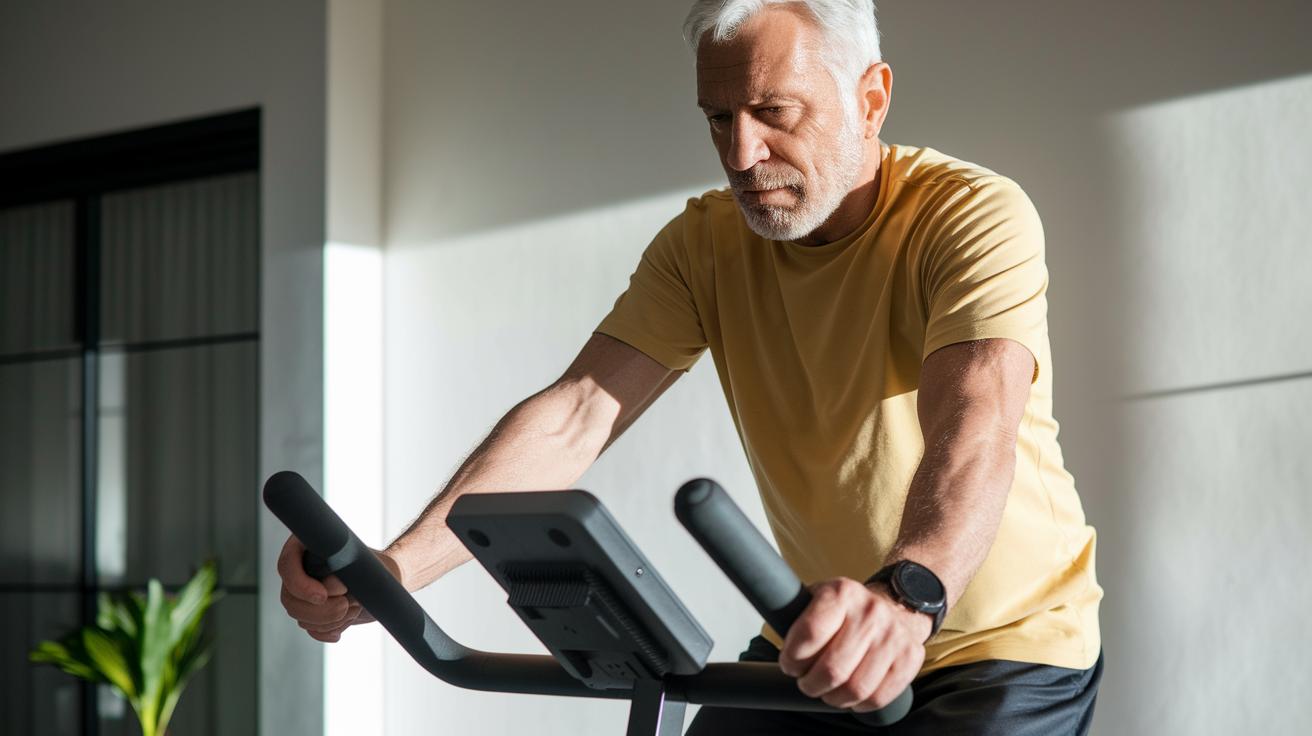
At home, treadmills with handrail support are a safe and easy way to get your heart pumping. You can start by walking slowly while the handrails help keep you steady. Then, you can gently raise the incline to add a bit of challenge, just like easing into your favorite song.
Recumbent bikes are a great option too, thanks to their supportive seats that lower the risk of balance issues and joint strain. Start with a low resistance and increase it by about 5 to 10 percent each week. Many seniors find that this steady progress not only boosts confidence, but also keeps the workouts fun and manageable.
If you don’t have formal equipment, everyday items can be surprisingly effective. Grab a couple of water bottles to use as light weights, or use a resistance band for simple exercises that nudge your heart rate up. You can even try marching in place indoors to get moving. Keeping your workout space neat and well-lit helps you feel safe and energized every step of the way.
Swimming and Water Aerobics Cardio Workouts for Seniors
Water workouts are an easy and joint-friendly way to give your heart a good boost while keeping your body safe. Whether it's swimming laps or joining a water aerobics class, you get a refreshing workout that lifts your pulse without putting extra stress on your hips, knees, or ankles. Water's natural buoyancy makes these exercises gentle and ideal for anyone looking for a low-impact cardio session.
If you're new to it all, start with a short session, maybe 10 to 15 minutes, and work your way up to about 30 minutes as you build strength. Picture beginning a class with a light warm-up before settling into smooth, controlled laps or water moves that steadily raise your heart rate while you cool down. Plus, group classes bring a dose of fun: chatting with friends and meeting new faces can really keep you inspired.
This mix of gentle exercise and social time makes staying active both fun and sustainable. Try adding water aerobics to your weekly routine, and you'll notice not only improved stamina but also a boost in your confidence.
Cycling with Recumbent Bikes: Senior-Friendly Cardio Strategies

Recumbent bikes offer a secure and comfortable way for seniors to work on their heart health. Their relaxed seating style helps ease pressure on your back and hips, which means less strain on your spine. This design worries less about balance compared to regular bikes, so you can really enjoy your exercise time.
Start with a gentle 5-10 minute warm-up to slowly get your heart pumping. Then, adjust the resistance so it feels just right for you. For example, you might begin with a 15-minute ride and add 2 to 3 minutes each week until you’re riding for a full 30 minutes. This gradual plan keeps your muscles active without overdoing it.
After your workout, take another 5 to 10 minutes to cool down, helping your body relax again. Keep a good posture by sitting up straight and using the bike’s back support for extra stability. In short, recumbent bikes let you enjoy a heart-pumping, low-impact ride that suits your needs perfectly.
Rowing and Group Fitness Cardio Sessions for Seniors
Rowing machines give you a solid, full-body workout that’s easy on your joints yet effective at engaging your muscles. When you row, you work your arms, legs, and core all together. Simply push off with your legs, lean back a little, and finish by pulling with your arms. This smooth motion protects your back and feels natural.
You might try switching between rowing for 2 to 3 minutes and doing gentle bodyweight moves like light squats. This kind of circuit keeps your different muscle groups busy while helping your heart beat at a steady pace.
Working out with a group can add an extra spark to your routine. Whether you're in an indoor class or enjoying the sunshine at a park, exercising with others brings energy and a few friendly chats. It turns your workout into a fun social event rather than just a task.
So, whether you row on your own or join a group session, a circuit style workout is a cheerful way to stay active and strengthen your body.
Planning and Monitoring Senior Cardio Workouts Safely
Start by setting a clear goal for your week. Aim for 150 to 300 minutes of gentle exercise or 75 to 150 minutes of faster-paced activity. You can also mix these options depending on how you feel. Begin with a basic plan and then gradually add more time as you get comfortable, kind of like adding just a pinch more spice to your favorite dish.
Keep an eye on your heart rate along the way. Think of it like checking your speedometer on a scenic drive. Regular pulse checks or a wearable device can help make sure you’re staying in your safe zone. If you notice your heart rate climbing higher than usual, it’s a signal to slow down or take a short break.
It’s also a good idea to work with a trusted trainer who can tailor sessions to your needs. A seasoned coach can design workouts that mix a brisk walk with some light strength exercises, so you build muscle and support your heart while having fun. Adding some simple strength work can boost your energy and help you move better in your day-to-day life.
Lastly, consider a well-rounded routine that includes balance exercises, stretches, and even gentle resistance work. This balanced approach keeps your fitness fun and safe, like ticking off a friendly checklist that ensures every part of your body gets attention. And if you ever feel like sharing the journey, joining a local class or group session might be just the motivation you need to keep moving forward.
Final Words
In the action, we explored gentle routines like treadmill walking, water aerobics, recumbent cycling, and rowing. Each method supports heart health while keeping movements safe for seniors. We also looked at setting targets and monitoring progress with simple tools, making it easy to mix strength and cardio for a balanced routine. With these ideas in mind, cardio workouts for seniors can transform daily vitality into a fun, manageable way to feel stronger every day. Embrace these gentle steps and enjoy a healthier lifestyle.
FAQ
What are some at-home, free cardio workout options for seniors?
At-home cardio workouts for seniors can include walking in place, dancing, low-impact aerobics, or easy routines available in free PDF guides. These exercises help keep your heart active without needing a gym.
What cardio workouts for seniors with weights are good for beginners?
Cardio workouts that mix light weights with low-impact movements work well for beginners. They add muscle support while boosting your heart rate safely, helping you build stamina gradually.
What is the best cardio exercise for seniors?
The best cardio exercise for seniors depends on what feels comfortable and safe. Walking, swimming, or using a recumbent bike are effective choices that support heart health with low impact.
How often should a 70-year-old do cardio workouts?
For a 70-year-old, aiming for 150 to 300 minutes of moderate-intensity or 75 to 150 minutes of vigorous cardio each week is a common guideline, with workouts spread out over several days.
What cardio options help seniors with bad knees stay active?
Seniors with bad knees benefit from low-impact activities like swimming, water aerobics, stationary biking, or walking on flat surfaces, which help keep the heart healthy without stressing the joints.
How can seniors improve their cardio fitness over 60?
Seniors can improve cardio fitness over 60 by gradually increasing exercise duration or intensity, mixing in strength training, and using wearable gadgets to track progress while following safe, structured routines.
What is the best cardio machine for elderly people?
The best cardio machine for elderly people offers gentle, low-impact workouts. Recumbent bikes or treadmills with handrails let you adjust intensity comfortably and safely support heart health.
Are aerobics, high‑intensity interval training, and Pilates safe for seniors?
Aerobics, high‑intensity interval training, and Pilates can be safe for seniors when they are modified for low-impact execution and performed under supervision, reducing the risk of injury.
What should a 30-minute cardio workout for seniors include?
A 30-minute cardio workout for seniors should have a warm-up, a steady period of low-impact exercise like walking or cycling, and a cool-down period to help boost cardiovascular health safely.

