
Ever wonder how little changes in your everyday routine can boost your heart's health? Research shows that simple choices like what you eat, how you move, and how you handle stress can reduce your risk of heart issues. Think of your heart like a hardworking engine that runs smoother with the right care. Taking these small steps not only lowers your risks but also paves the way for a healthier, happier life. Keep reading to find out easy tips that can really make a big difference.
Essential Strategies for Coronary Disease Risk Reduction
When it comes to caring for your heart, you have the power to change your future. Most of the factors that lead to heart disease are things you can adjust with everyday choices. It’s amazing how small shifts in your diet, exercise, and stress management can lower your risk of heart problems.
Every small change matters. For example, cutting back on tobacco and alcohol or keeping an eye on your waist size can help improve your blood pressure, cholesterol, and overall well-being.
- Quit using tobacco, whether it’s cigarettes or vaping.
- Get 30–60 minutes of fun, moderate-to-vigorous exercise each day.
- Enjoy a balanced diet packed with fruits, vegetables, whole grains, lean proteins, and healthy fats.
- Watch your waist size to keep abdominal fat in check.
- Aim for 7–8 hours of solid, quality sleep every night.
- Try stress-relief techniques like deep breathing, yoga, or meditation.
- Stay on top of regular health screenings and doctor visits, like preventive care for heart disease.
- Follow your doctor’s advice on medications to keep your blood pressure and cholesterol at healthy levels.
Taking these steps can build a strong foundation for your heart. When you blend a proactive lifestyle with regular checkups and personal care, you create a plan that not only reduces risk factors but also boosts your overall wellness. Each step you take is a move towards a healthier, happier life.
Dietary Approaches for Coronary Disease Risk Reduction

Eating for a healthy heart means choosing fresh, natural foods that help build a strong heart. Instead of heavy, processed foods, try using unsaturated fats like olive oil, nuts, and avocados or eating fatty fish packed with omega-3s [which help reduce inflammation]. Think of a simple salad dressed with olive oil and sprinkled with nuts, it’s an easy way to get heart-friendly fats. This kind of choice not only helps improve cholesterol levels but also creates a solid foundation for balanced nutrition.
Adding high-fiber foods such as whole grains, legumes, fruits, and vegetables is another smart step. For example, the Mediterranean diet, rich in fish, veggies, and legumes, has been shown to lower the bad cholesterol (LDL) by up to 15% and cut down heart problems by 20-30%. Try to limit saturated fats to less than 7% of your daily calories and keep sodium below 2,300 mg per day. Also, aiming for 25–30 grams of fiber every day can play a big role in managing your cholesterol naturally.
When it comes to planning meals, mix a variety of nutrient-rich foods that work together for your heart. Imagine having a bowl of mixed greens with a handful of walnuts and some grilled salmon for lunch! Swap out refined grains for whole grains and choose plant-based meals most days. These simple, everyday decisions build a routine that supports a healthy heart for the long run.
Exercise Routines for Coronary Disease Risk Reduction
Staying active is one of the best ways to help protect your heart. When you get moving, like going for a brisk walk, riding your bike, or swimming for about 30 to 60 minutes each day, you not only get your blood pumping but also help your blood vessels work better and raise your good cholesterol. Even small bursts of activity in your day can make a big difference for your heart.
Try starting with a quick, 30-minute walk each day to kick things off for your heart health. On alternate days, you could enjoy a 45-minute bike ride to help build up your endurance. At home, try doing resistance workouts like chair squats and rows with a resistance band two times a week. And if you feel up for it, add in some strength work with wall push-ups or some light free weights twice weekly to keep your blood sugar and cholesterol in check.
It’s always smart to ease into any new exercise plan. Begin with a shorter workout and gradually add a few more minutes as you get fitter. Home workouts are a great way to start slowly and safely. And don’t forget: if something feels off or you’re really tired, listen to your body and adjust your activity accordingly. Using wearable technology can also be a handy way to track your progress and make sure you’re not overdoing it. Always check in with your doctor before starting a new exercise routine, especially if you have any health concerns.
Medical Interventions for Coronary Disease Risk Reduction

If you're at high risk for heart problems, statins can really help cut the chance of heart events by about 25 to 30 percent. These medicines work by lowering your cholesterol, which in turn stops plaque from building up in your arteries.
For people aged 50 to 70 who have at least a 10% risk of heart issues over the next 10 years, and if there aren’t any concerns about bleeding, a low dose of aspirin (around 75 to 100 mg daily) might be recommended. Using these steps can build a strong foundation for preventing serious heart events.
Keeping your blood pressure below 130/80 mm Hg is also key. Doctors often start with medications like diuretics, ACE inhibitors, or ARBs to help you reach that goal. It’s also a good idea to have your cholesterol checked every 6 to 12 months. For those at very high risk, the aim is to keep LDL (the “bad” cholesterol) under 70 mg/dL. Following your medication plan closely can drop your overall risk by 20 to 40 percent.
Stress Management and Mental Wellness for Coronary Disease Risk Reduction
Dealing with long-term stress can bump up your cortisol levels, which might push your blood pressure up and spark inflammation. This combo can put extra strain on your heart. Understanding how stress works on your body is a key first step in moving toward a more balanced and healthy life.
Taking just 10 to 20 minutes a day for mindfulness meditation may help lower your systolic blood pressure by 4 to 9 mm Hg. And getting into yoga two or three times a week might drop your resting heart rate by 5 to 7 beats per minute. It’s really a nice way to feel more calm overall. Deep-breathing exercises work too, after a busy task, sit quietly for a few minutes. This can help steady your breathing and clear your mind.
Also, getting enough sleep is super important. When you sleep less than six hours a night, you might be at a 20 to 30% higher risk of high blood pressure and weight gain. Aim for 7 to 8 hours a night, and try to keep a regular sleep schedule. This small change can really boost your heart health.
Emerging Trends and Early Detection in Coronary Disease Risk Reduction
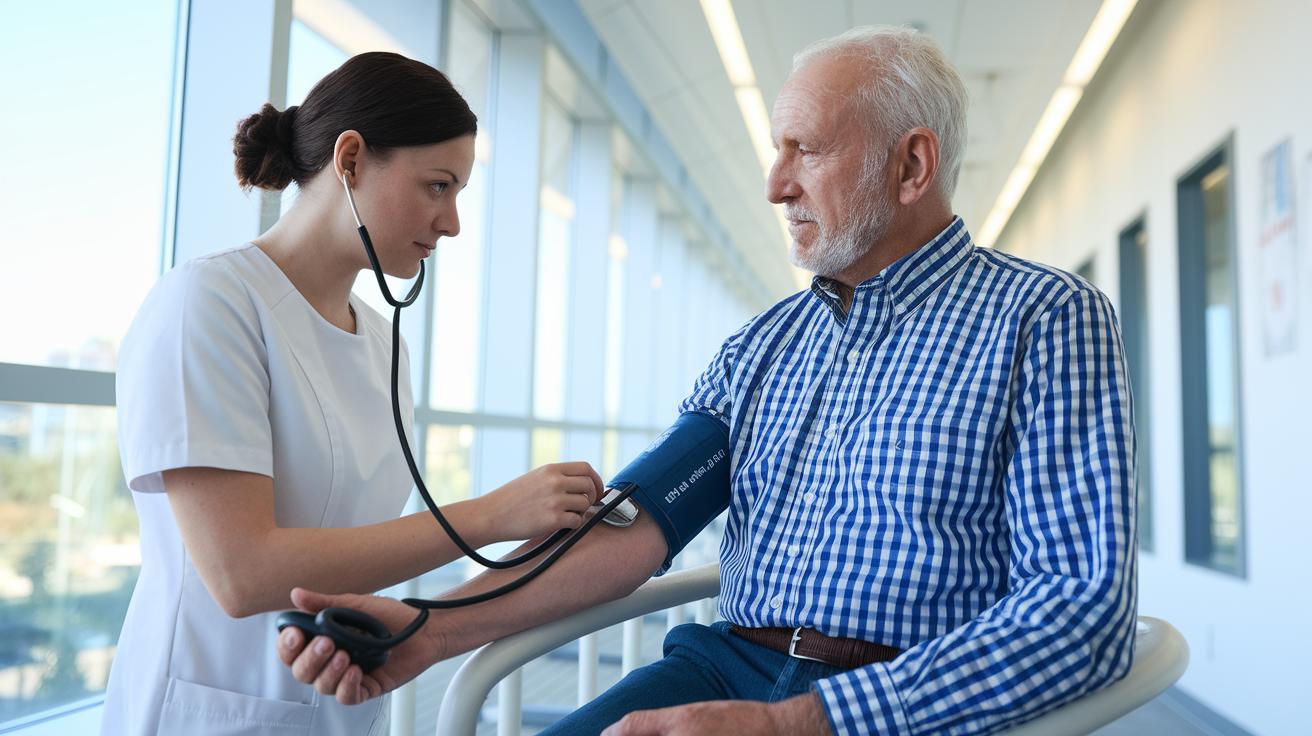
Screening tests are really showing promise in catching heart trouble early. Regular tests like lipid panels, HbA1c (which checks your average blood sugar), and blood pressure checks help spot risks before they become bigger issues. For example, a simple cholesterol test can reveal hidden problems that might later lead to more serious conditions. When you and your doctor see these early signs, you can make changes in your lifestyle or treatment plan to protect your heart.
New imaging methods and fresh biomarkers are also changing the way we look at heart risks. CT scans that check for calcium in the arteries can show plaque buildup clearly. Other tests like stress echocardiography and carotid ultrasound help check blood flow and spot plaque in different parts of the body. There are also blood tests such as high-sensitivity CRP (which measures inflammation) along with markers like Lp(a) and galectin-3, plus even AI tools, that offer a more personal look at your risk.
Scientists are busy researching future treatments too. They are testing low doses of colchicine, a medicine that helps reduce inflammation, and studying PCSK9 inhibitors to tackle any remaining cholesterol risks.
Final Words
In the action of taking charge of your heart health, we covered simple steps to keep risk factors in check. We explored everyday tips from smart eating and exercise routines to stress control and early screenings. Breaking down key habits helps manage blood pressure, cholesterol, and weight simply and clearly. Each small move pulls you closer to a healthier life. With these actionable insights, focus on the prevention of coronary disease and feel good knowing you're laying the foundation for a stronger heart.
FAQ
Q: What is primary prevention for coronary artery disease?
A: Primary prevention means taking early action to lower heart risk before any symptoms appear by following a heart-healthy diet, exercising regularly, quitting tobacco, and keeping up with preventive care.
Q: What does secondary prevention of coronary artery disease mean?
A: Secondary prevention refers to steps taken after a diagnosis to slow disease progression by managing blood pressure, cholesterol, diabetes, and sticking with lifestyle changes and medications.
Q: How do diet and lifestyle help in preventing coronary heart disease?
A: Diet and lifestyle help prevent coronary heart disease by lowering bad cholesterol, blood pressure, and inflammation. Eating fruits, vegetables, lean proteins, and staying active all improve heart health.
Q: How does exercise reduce the risk of coronary artery disease?
A: Exercise reduces coronary risk by strengthening the heart, lowering blood pressure, improving cholesterol levels, and managing weight when you engage in activities like brisk walking or cycling.
Q: What quick techniques can help stop a heart attack in its early stages?
A: Quick techniques focus on immediate action by calling emergency services, beginning CPR if needed, and following clear instructions to maintain circulation until professional help arrives.
Q: What are effective methods to keep your heart healthy?
A: Effective methods to keep your heart healthy include regular exercise, a balanced diet, stress reduction practices, avoiding tobacco, moderating alcohol, and staying consistent with health screenings.
Q: What resources can assist in the prevention of coronary artery disease?
A: Resources like coronary artery disease presentations provide clear guidelines on lifestyle changes, nutrition, exercise, and medical advice, empowering you with practical strategies for heart risk reduction.

