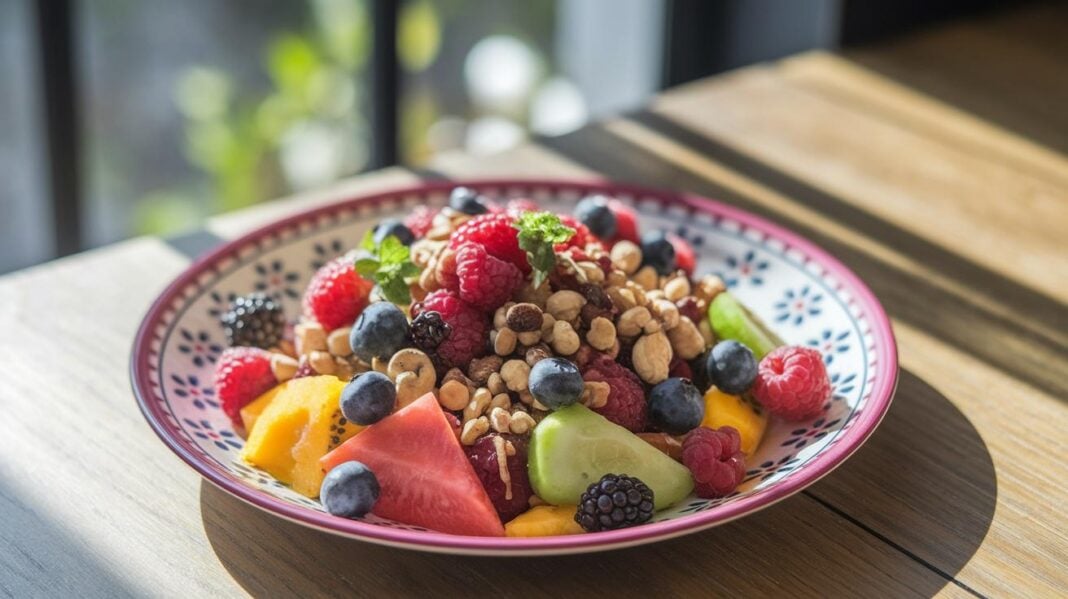
Who said healthy meals have to be boring? Picture a plate filled with crunchy veggies, lean protein, and hearty whole grains that give your day a boost. When you're a teen, eating right helps you stay sharp at school and active in sports. A balanced meal offers the right mix of nutrients to help your body grow strong and keep your mind focused. In this post, I'll share simple, practical tips to brighten your meals and keep your energy high all day long.
Core Components of a Balanced Diet for Teenagers
Teenage years are a time of rapid growth and change. At this stage, your body needs lots of energy, protein, healthy fats, vitamins, and minerals. A balanced diet means enjoying a mix of food groups, fruits, veggies, whole grains, lean proteins, and dairy, to keep both your body and mind fueled. For example, think of a meal with crisp, colorful vegetables, some grilled chicken, and a side of nutty brown rice. This combination gives you the nutrients you need to stay active and focused.
It’s important to mix things up without calling any food completely “good” or “bad.” Try new meals, like tossing nuts and a little cheese on a fresh salad, and let that spark a richer, more diverse diet. Every small step counts.
Even a tiny change can make a big difference. For instance, adding a handful of berries to your yogurt can pack a punch of vitamins that help keep your mind sharp during long study sessions. Enjoy exploring new foods and eating in a way that supports your growing body!
Balancing Macronutrients and Micronutrients in Teenage Diets
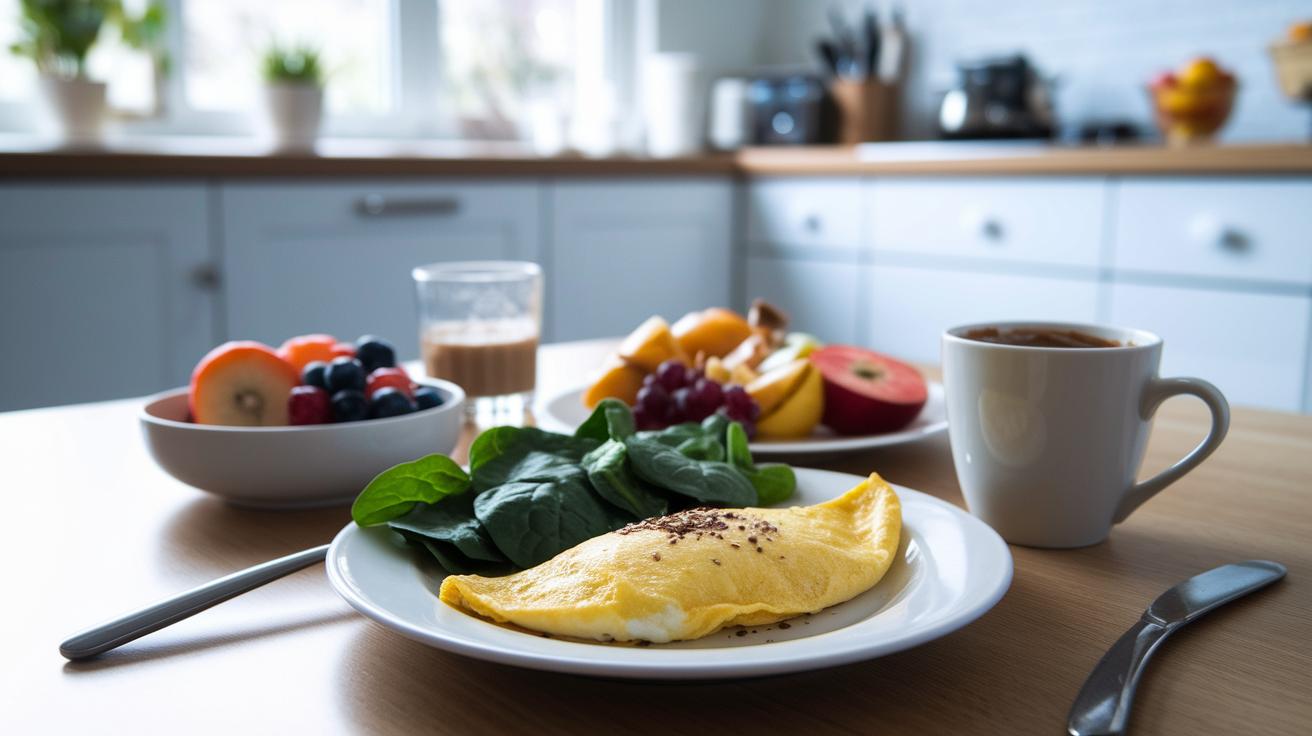
Feeding teenagers for growth means giving them the right blend of food parts. They need three big pieces: protein, carbohydrates, and fats. Protein (about 10-30% of daily calories) helps build new tissues. Carbs (45-65% of daily calories) fuel school, sports, and play. And fats (25-35%) support brain work and help absorb vitamins. Think of a breakfast bowl with eggs, whole-grain toast, and a little avocado, each bite gives a little help from these nutrients.
Micronutrients are super important too. Iron, for example, is key, especially for girls who start menstruating, since up to one in five may not get enough. Foods like lean red meat, eggs, lentils, fortified cereals, dried fruits, nuts, spinach, and kale can boost iron intake. Calcium and vitamin D help build strong bones, with teens aiming for around 1,300 mg of calcium and 600 IU of vitamin D every day. Zinc is also needed as it supports growth and keeps the immune system strong.
Mixing these nutrients throughout the day makes for a healthy eating plan. One simple tip? Add a handful of spinach to your fruit smoothie for an extra boost of vitamins and minerals.
Sample Balanced Meal Plans for Teenagers
Ever feel like school days need a little extra boost? This three-day meal plan is here to help you stay full, focused, and energized all day long. Each day starts with a hearty breakfast, followed by balanced lunches and dinners, plus snacks that support steady energy between classes.
For breakfast, mix it up! On Day 1, kick off with a warm egg omelet filled with fresh spinach and gooey cheddar, paired with crisp fruit slices and a dab of nut butter. It’s a tasty way to get protein and healthy fats right from the start. Day 2 offers a refreshing yogurt parfait made from unsweetened yogurt, mixed berries, a sprinkle of low-sugar granola, and chopped almonds; perfect for a light yet balanced start. And on Day 3, treat yourself to high-protein banana oatmeal pancakes prepared from oats, eggs, and bananas, topped with crunchy walnuts and berries for added vitamins.
Lunch and dinner follow a similar balanced approach, featuring lean proteins, whole grains, vibrant vegetables, and healthy fats to keep your body fueled. Meanwhile, snacks like crunchy veggie sticks with hummus, a wholesome trail mix, or crisp apple slices with cheese help maintain energy and support brain and body growth.
| Day | Meal | Main Ingredients | Nutritional Highlights |
|---|---|---|---|
| Day 1 | Breakfast | Egg omelet with spinach, cheddar cheese, fruit slices, nut butter | High protein, healthy fats, vitamins |
| Day 2 | Breakfast | Yogurt parfait with unsweetened yogurt, mixed berries, low-sugar granola, almonds | Balanced protein, antioxidants, fiber |
| Day 3 | Breakfast | Banana oatmeal pancakes with oats, eggs, bananas, walnuts, berries | Protein-rich, energy-boosting, nutrient dense |
Portion Control and Calorie Guidelines for Adolescents

Teenagers have energy needs that change as they grow and stay active. For example, girls usually require about 1,600 to 2,200 calories a day while boys may need roughly 1,800 to 2,600 calories. Think of it this way: a younger teen might need a bit less fuel than one going through a major growth spurt.
One simple method to balance meals is the "balanced plate" approach. Picture your plate divided into sections, a palm-sized serving of protein, a fistful of vegetables, a cupped-hand portion of whole grains, and a thumb-sized amount of healthy fats. This idea helps manage calories and makes meal planning easy, even on busy days.
When planning meals, it’s good to adjust portions based on how active you are. If you’re really into sports or just extra active, you might add a little more protein or whole grains to keep your energy up. This flexible approach helps ensure each meal fuels your growth and keeps you moving all day long.
Positive Eating Behaviors and Lifestyle Tips for Teenage Nutrition
Positive eating is about exploring new foods and even getting involved in cooking. Try mixing things up in the kitchen, for instance, toss some fresh berries into your cereal. It might sound small, but adding a spoonful of berries can boost antioxidants and brighten your breakfast. These little experiments can help you feel more creative and confident when choosing what to eat.
Drinks are important too. Aim to drink six to eight cups of water each day. Staying hydrated can help you focus and lift your mood. For an extra burst of energy, pair water with a healthy snack like apple slices with a dab of peanut butter. You might even want to check out some ideas online for more ways to combine hydration and nutrition.
Mindful eating is all about noticing how your body feels after each bite. Enjoy the flavors and textures without worrying too much about labels like "good" or "bad." Remember, what you eat can affect your skin. While hormones usually cause acne, foods high in sugar or dairy may sometimes make breakouts worse.
Finally, try connecting your meals with physical activity. Aim for about 60 minutes of moderate activity every day. Whether you're dancing, playing a sport, or taking a brisk walk, moving your body along with eating well can help you feel balanced and energized.
Overcoming Common Nutritional Challenges in Balanced Diet for Teenagers
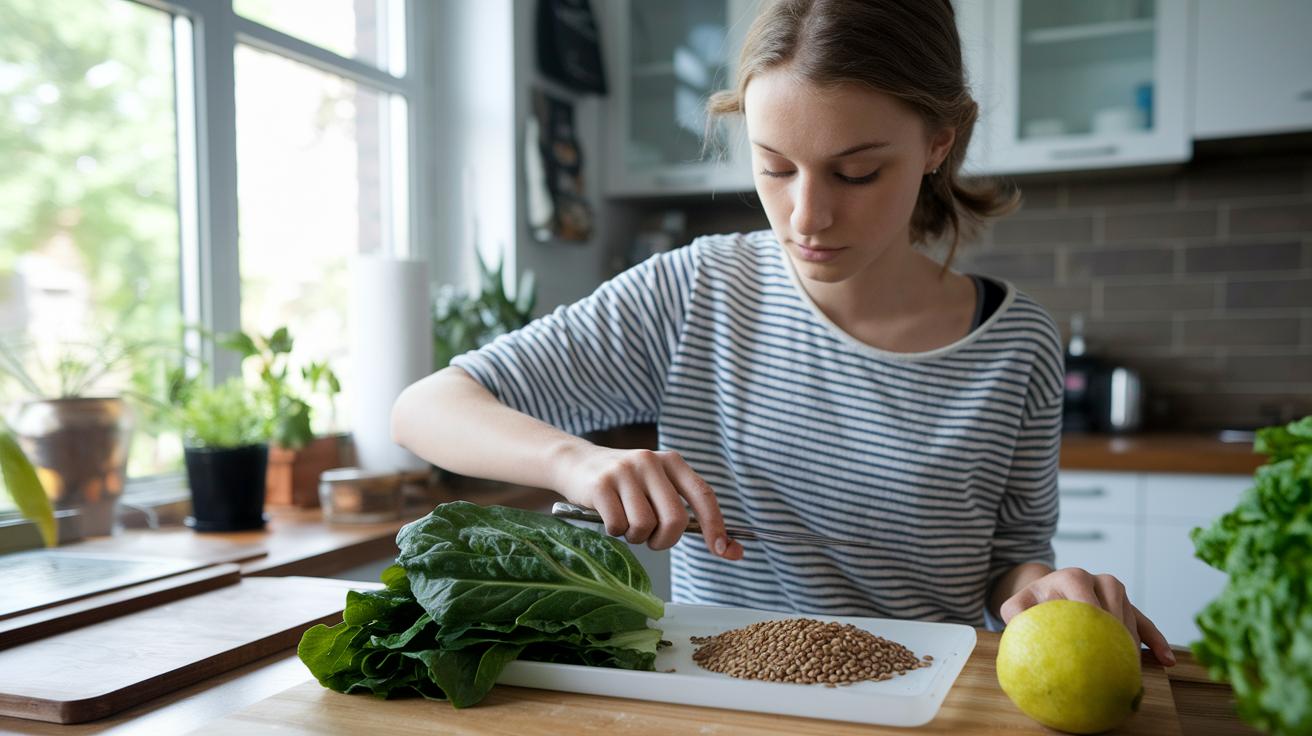
Iron deficiency is a common issue among teens who have started their periods. Regular check-ups along with meals packed with iron, like lean red meat, eggs, lentils, and leafy greens, can really help. Instead of cutting out whole food groups, try mixing different foods so you get all the nutrients your body needs.
Disordered eating is another big concern, with nearly 30 million people in the U.S. facing it at some time. Teen years are especially delicate when it comes to these habits. Enjoying balanced meals that give you steady energy from proteins, carbohydrates, and fats can help prevent falling into extreme dieting.
There are also some nutrition myths that might confuse you about everyday drinks. For example, some research points to a strong link between instant coffee and increased vision problems. This shows that it’s better to enjoy such beverages in moderation rather than avoiding them completely.
Finally, safe food handling is vital, especially when it comes to school lunches, to avoid getting sick from foodborne illnesses. Keeping an eye on both food safety and a balanced diet will keep you feeling your best. For more tips on eating healthy on a budget, check out healthy eating on a budget.
Final Words
In the action, this post explored core components that fuel growth and brain function, breaking down essential macro and micronutrient roles. We shared practical meal plans and simple portion guidelines to keep nutrition clear and actionable. The advice on smart eating behaviors and staying active helped clear up common challenges for teens. By mixing tasty, varied foods with mindful habits, teens can embrace a balanced diet for teenagers that supports their energy and overall well-being. Enjoy the feel-good vibes that come from taking charge of health every day.
FAQ
What is a healthy diet for a teenage girl?
The healthy diet for a teenage girl includes proteins, carbohydrates, healthy fats, vitamins, and minerals to support rapid growth and hormonal changes while keeping meals varied and balanced.
What are the daily nutritional requirements for a teenager?
The daily nutritional requirements for a teenager depend on age and activity level, typically ranging from 1,600–2,600 calories with balanced portions of different food groups to support growth and development.
What is a balanced meal plan for teenagers?
The balanced meal plan for teenagers features three main meals and healthy snacks including lean proteins, whole grains, fruits, vegetables, and healthy fats to keep energy levels steady and promote brain function.
What should a teenager consume each day?
The daily consumption for a teenager involves a diverse mix of nutrient-dense foods—proteins, whole grains, fruits, vegetables, dairy, and healthy fats—to provide essential vitamins and support overall development.
What are some examples of healthy foods for teenagers?
The healthy foods for teenagers include lean meats, eggs, yogurt, fruits like berries and apples, vegetables like spinach, and whole grains, all of which help boost energy and support steady growth.
What are seven healthy habits a teenager should adopt?
The seven healthy habits for a teenager include eating balanced meals, staying hydrated, engaging in daily exercise, getting enough sleep, practicing mindful snacking, controlling portions, and trying new nutritious foods.
What does a 7-day meal plan for a teenager look like?
The 7-day meal plan for a teenager is organized with diverse meals for breakfast, lunch, dinner, and snacks, ensuring each day features a balanced mix of proteins, whole grains, fruits, vegetables, and healthy fats.
Where can I find a balanced diet chart for adolescents?
The balanced diet chart for adolescents provides a visual guide of food groups and portion sizes, making it simple to plan meals that support energy needs, growth, and overall healthy development.

