
Ever wonder if a few simple habits can help keep illness at bay? Even a disease like hand, foot and mouth can spread fast, but a few basic steps can lower your risk. Think of washing your hands as scrubbing away tiny germs and wiping down toys and surfaces like building a shield around your family.
If someone shows signs of being sick, keeping them apart and watching for changes can help protect everyone. Little things add up to big results when it comes to staying safe and healthy.
Hand Foot and Mouth Disease Prevention: Safe Steps
You can lower your chances of catching hand, foot, and mouth disease by taking a few simple steps right away. This virus spreads when you come into contact with saliva, mucus, poop, or fluids from blisters, so keeping clean is really important. For more ideas on staying safe, check out what preventive care means.
It spreads fast, especially during the first week of illness. That means if you wash regularly and avoid close contact, you're helping to keep your family safe when there's a risk.
- Handwashing
- Isolation
- Surface cleaning
- Toy sterilization
- Caregiver protocols
- Symptom monitoring
When you put these six steps into practice, they work together like a protective shield against the disease. Washing your hands helps get rid of germs, and isolation keeps sick people separated from others. Cleaning surfaces and toys removes any lingering virus, and following caregiver rules cuts down the chance of germs jumping around your home. Keeping an eye on symptoms means you can act fast if someone develops a fever or blisters. Each measure supports the others, creating a strong defense for children and adults alike.
Hand Foot and Mouth Disease Transmission and Early Symptom Recognition
The virus travels from person to person when you come into contact with fluids like spit, mucus, droplets, poop, or the liquid from blisters. When someone who is sick coughs, sneezes, or even just touches their face, tiny drops of the virus can float in the air. For example, think about sharing utensils or toys at a playground, it’s easy for the illness to jump from one child to another.
In the first week after getting infected, children let out more of the virus than at any other time. This phase is really important to watch because even if the symptoms seem like a mild cold, the virus is busy spreading. That’s why experts suggest keeping little ones away from close contact right away to help protect other family members and friends.
It’s also key to notice the early signs of the illness. Usually, a fever, which is when your body gets warmer to fight off an infection, shows up about 3 to 6 days after exposure. Shortly after, within 1 or 2 days, painful blisters might appear on the skin and in the mouth. When caregivers see these symptoms, including a slight fever and mouth sores, it’s a good idea to keep the child at home and limit their contact with others. This quick action helps slow down the spread of the virus.
Hand Foot and Mouth Disease Hygiene Practices
Staying clean is one of the simplest ways to stop germs from spreading and keep everyone safe. Just like wiping a messy countertop helps remove dirt, washing your hands and body quickly gets rid of the virus before it can cause trouble. Think of it like brushing your teeth to prevent cavities, wiping away germs is just as important.
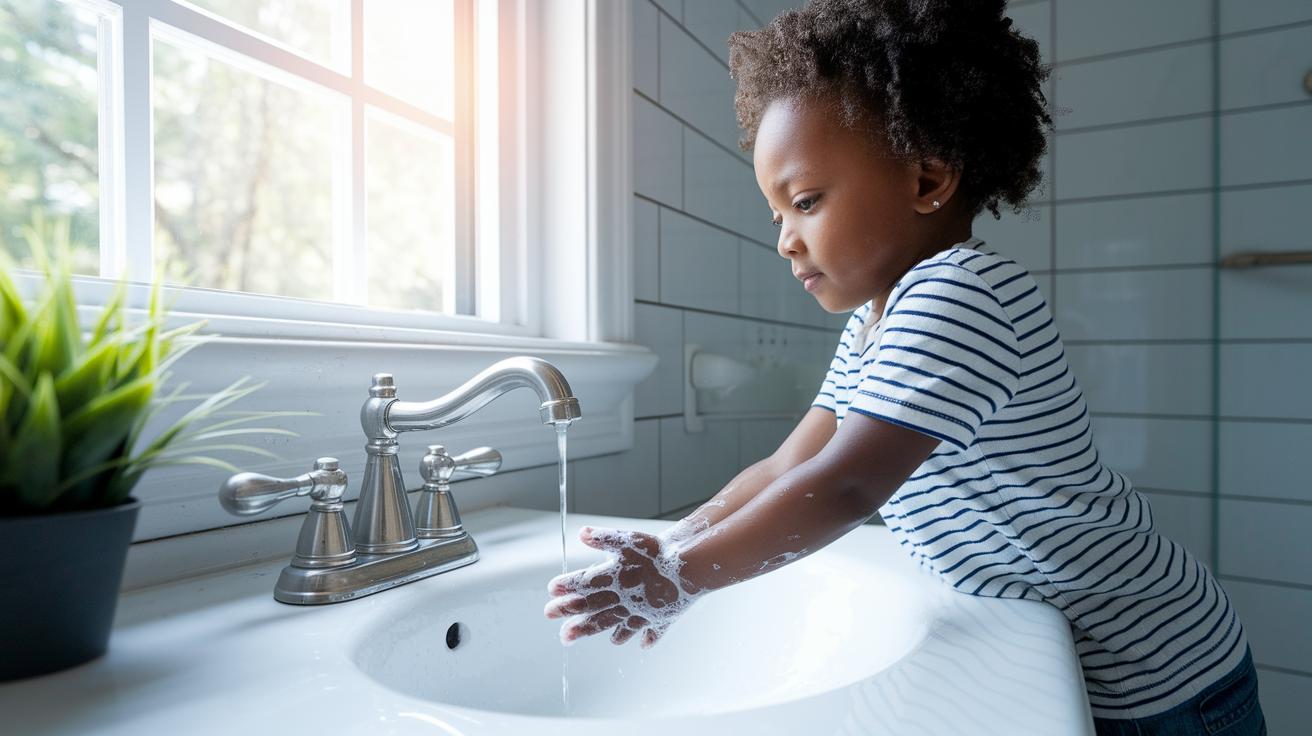
Remember to wash your hands with soap and water for at least 20 seconds. Do this especially before you eat and right after changing diapers. And if you ever find yourself without soap and water, an alcohol-based sanitizer with at least 60% ethanol works too. It’s like giving your hands an extra quick clean-up right when you need it.
Make cleaning a part of your daily routine by setting up a few hygiene checkpoints. Try to remember to wash your hands before meals, after using the restroom, and after playing. You can even create a fun schedule with simple reminders that everyone, kids and adults alike, can follow. For more practical tips, visit https://healthlystats.com?p=38.
Environmental Sanitization for HFMD Prevention
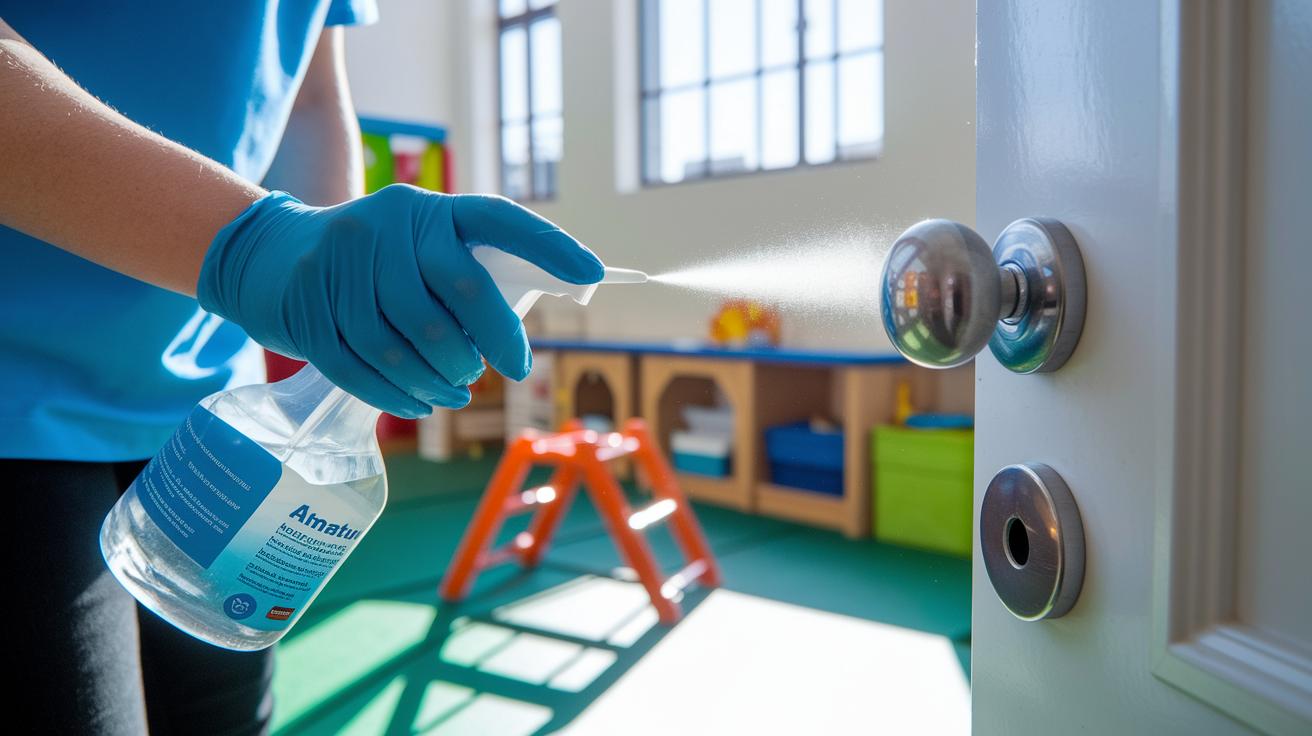
Keeping surfaces that everyone touches clean is a simple but powerful way to stop HFMD from spreading. Wiping down door handles, play areas, and shared toys can really cut the chance of the virus sticking around. Using everyday methods like EPA-approved disinfectants or bleach diluted at 1:50 is a reliable way to keep germs in check. Think of it as giving your space a little deep-clean spa treatment that keeps everyone safe.
Routine cleaning also brings a sense of calm and order. When surfaces are free from lingering viruses, everyone, from kids to caregivers, feels better knowing they’re protected. Just make sure you let the disinfectant sit for at least 5 minutes; that little pause is like setting up an invisible shield against the virus.
| Area | Disinfectant & Dilution | Contact Time |
|---|---|---|
| Handrails | Bleach (1:50 dilution) | 5 minutes |
| Doorknobs | EPA-approved disinfectant | 5 minutes |
| Toys | Bleach (1:50 dilution) | 5 minutes |
| Counters | EPA-approved disinfectant | 5 minutes |
Combining these cleaning habits is super important because no single step can completely stop the virus. Regularly sanitizing every high-touch area helps create a healthy environment that protects both young children and adults from HFMD.
Caregiver Guidelines to Prevent Hand Foot and Mouth Disease Spread
If your child shows signs of hand, foot, and mouth disease, please keep them home. Keeping them at home for at least 7 days after the fever starts stops them from spreading the virus. Kids share germs more easily when they first get sick, so this simple step helps protect everyone at home.
During this time, use separate items like towels, utensils, and bedding just for your sick child. It’s like having your own water bottle, you wouldn’t share it because you want to avoid passing along germs. Keeping these personal items apart makes sure each family member stays safer.
Also, when your child has blisters on their hands or in their mouth, use a soothing cream to help ease their discomfort. Try to limit close contact with healthy family members to keep the virus from spreading further. Following these steps creates a more secure and comforting environment for the entire household.
Institutional Measures for Hand Foot and Mouth Disease Prevention

Schools and childcare centers check every day for early signs of infection. When children arrive, they are seen for things like fever or mouth sores. Staff are trained to spot these signs fast so that kids who seem sick can be kept apart from others. This simple step helps stop the virus from spreading and gives families a sense of relief.
Another important move is to tweak daily schedules. By spreading out play and meal times, schools can avoid crowding and give everyone more space. This change makes it easier for everyone to stick to good hygiene and lowers the chance of the virus moving from one child to the next.
Communities also chip in to make things safer. Schools display posters in common areas and stick to regular, coordinated cleaning routines. By working together on public awareness and safety, schools and families create a strong plan to keep hand, foot, and mouth disease in check.
Final Words
In the action of protecting health, we broke down essential strategies in hand foot and mouth disease prevention. We discussed personal hygiene habits, symptom spotting, environmental sanitization, and careful caregiver measures.
Each section offered clear steps, from using proper handwashing techniques to the importance of disinfecting high-touch surfaces. All the tips can build a safer setting and foster better daily vitality. Keep these easy-to-follow practices in mind and stay positive about improving hand foot and mouth disease prevention every day.
FAQ
What are the early signs and stages of hand, foot and mouth disease?
The early signs include fever, sore throat, and reduced appetite. Soon after, painful mouth sores and a rash with blisters on the hands and feet appear, with adults experiencing milder symptoms.
What does recovery from hand, foot and mouth disease look like?
Recovery signs include fading blisters, diminishing mouth sores, improved energy, and a return of appetite. These changes indicate that the body is overcoming the virus and regaining strength.
What is the quarantine period for hand, foot and mouth disease?
The quarantine period typically lasts at least 7 days from the fever’s onset. This time frame helps reduce the spread of the virus to others in close contact.
What is the best cream to use for hand, foot and mouth disease?
The best cream soothes irritated skin and eases discomfort from rashes and blisters. It’s wise to ask a healthcare provider to recommend a product that is safe and effective.
What home remedies help relieve hand, foot and mouth disease itching?
Home remedies such as cool compresses, oatmeal baths, and ensuring plenty of rest can ease itchiness. Always pair these remedies with advice from your healthcare provider for safe relief.
Can I go to work if my child has hand, foot and mouth disease?
If your child has HFMD, it’s best to limit contact by staying home or arranging alternative care until symptoms lessen, reducing the overall risk of virus spread.
Is there any way to prevent hand, foot and mouth disease?
Preventing HFMD involves frequent handwashing, cleaning surfaces, and isolating infected individuals. These practices help lower the chance of the virus spreading among kids and adults.
How likely am I to get hand, foot and mouth disease from my child?
The risk of transmission exists, especially with close contact. Strict hygiene practices and cleaning shared items are essential to lower the likelihood of catching the virus.
What triggers hand, foot and mouth disease?
The disease is triggered when viruses are spread through direct contact with saliva, mucus, or blister fluid. Sharing items or close contact with an infected person can start the spread.
How soon can you get hand, foot and mouth disease after being exposed?
Symptoms typically appear between 3 to 6 days after exposure. Early signs may resemble a cold, so it’s important to monitor any changes in health during this period.

