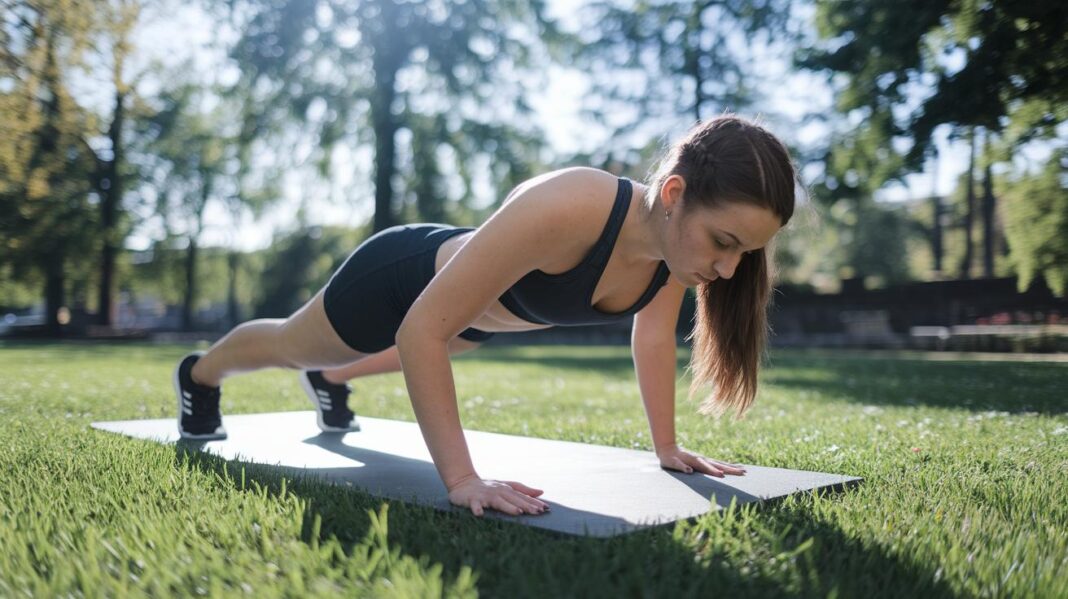
Ever feel torn between keeping your heart healthy and protecting your knees? You’re not alone. Even with a knee injury, you can do cardio workouts that lift your spirits on days when your joints feel off. Try low-impact exercises like swimming or gentle cycling. These moves help your heart without pushing too hard on your knees.
In this post, we share simple, smart ways to exercise so you can stay active and enjoy every step. Keep reading and discover how a little extra care during your workout can lead to big benefits.
Top Knee-Friendly Cardio Workouts for Sustained Fitness
If you want to keep your heart healthy while being kind to your knees, try knee-friendly workouts. These exercises are low-impact, which means they don't put too much strain on your joints but still help your heart work harder. Imagine the calm you feel after a relaxing swim, it’s a workout that leaves you energized without hurting your knees.
Choosing low-impact exercises lets you adjust based on how your body feels each day. Whether you're starting back after a break or managing a bit of discomfort, picking workouts that protect your joints is a smart move. It’s a bit like choosing the coziest bike path for a smooth, enjoyable ride.
- Swimming: A gentle, full-body activity that takes the pressure off your knees.
- High-Intensity Low-Impact Training (HILIT): Short bursts of effort mixed with active recovery to boost your heart rate without jarring your joints.
- Walking: A free and simple way to exercise, best done on smooth surfaces with good shoes.
- Stationary Cycling: Gives you a low-impact option, with upright bikes for more muscle work or recumbent bikes for extra comfort.
- Functional Training: This includes moves like step-ups, half squats, calf raises, and scissor kicks that focus on controlled motion to keep your knees safe.
When you pick a workout, think about how your knees are feeling today. Some days, a swim might be just right, while on other days a gentle walk or light functional exercises could work better. Try different intensities and times, and always adjust your routine if your knees start to protest. Listening to your body ensures your workouts help you stay fit for the long run while keeping your joints happy.
Swimming as a Low-Impact Cardio for Knee Injury

Swimming is a wonderful way to exercise when your knees are hurting. In water, you feel almost weightless as the buoyancy carries much of your weight, so your knees don't bear as much pressure. This helps you work out your arms, core, and legs without aggravating an old injury like an ACL tear, meniscus damage, or tendonitis. Imagine smoothly gliding through the water while each stroke gently soothes your joints, leaving you feeling both refreshed and strong.
There are plenty of ways to enjoy a water workout. You might try lap swimming for a steady pace, enjoy water jogging to get a low-impact run, or join pool aerobics that mix music with fun movements. Experiment with strokes like the easy breaststroke or a light flutter kick to keep your knee movements gentle and controlled. And remember, always warm up before you dive in and use non-slip surfaces around the pool area for extra safety. Adjust your swim session based on how your knees feel, and keep the pace comfortable and safe for you.
Optimized Cycling and Elliptical Workouts with Knee Injury
When choosing a stationary bike that’s gentle on your knees, think about both comfort and performance. An upright bike works more muscles, which means it can help you burn around 250 to 500 calories in just half an hour. Adjust your seat so your knees align properly with the pedals. This small tweak makes your ride smoother and keeps extra strain off your joints. Try setting a light resistance so you get a good challenge without overloading your knees. Aim for a workout that lasts between 30 and 45 minutes, and feel free to change your pace as you go. Start easy, then gradually push a bit harder as your body adapts. Imagine pedaling smoothly and feeling each adjustment helping your knees stay happy.
Switch over to an elliptical trainer if you’d like a workout similar to running, but with less impact on your knees, hips, back, and neck. The elliptical gives you a natural, smooth motion – like walking or jogging – without the harsh impact of your feet leaving the pedals. Make sure the device’s stride fits your body and pick a resistance level that raises your heart rate while letting you keep a good, neutral posture. Plan your sessions for 30 to 45 minutes and slowly ramp up the intensity as you feel more comfortable. Keep your pace steady so you’re challenged without stressing your joints. Adjust your settings gradually based on how your knees feel, ensuring every ride is both safe and effective.
Knee-Safe High-Intensity Interval Training Adaptations
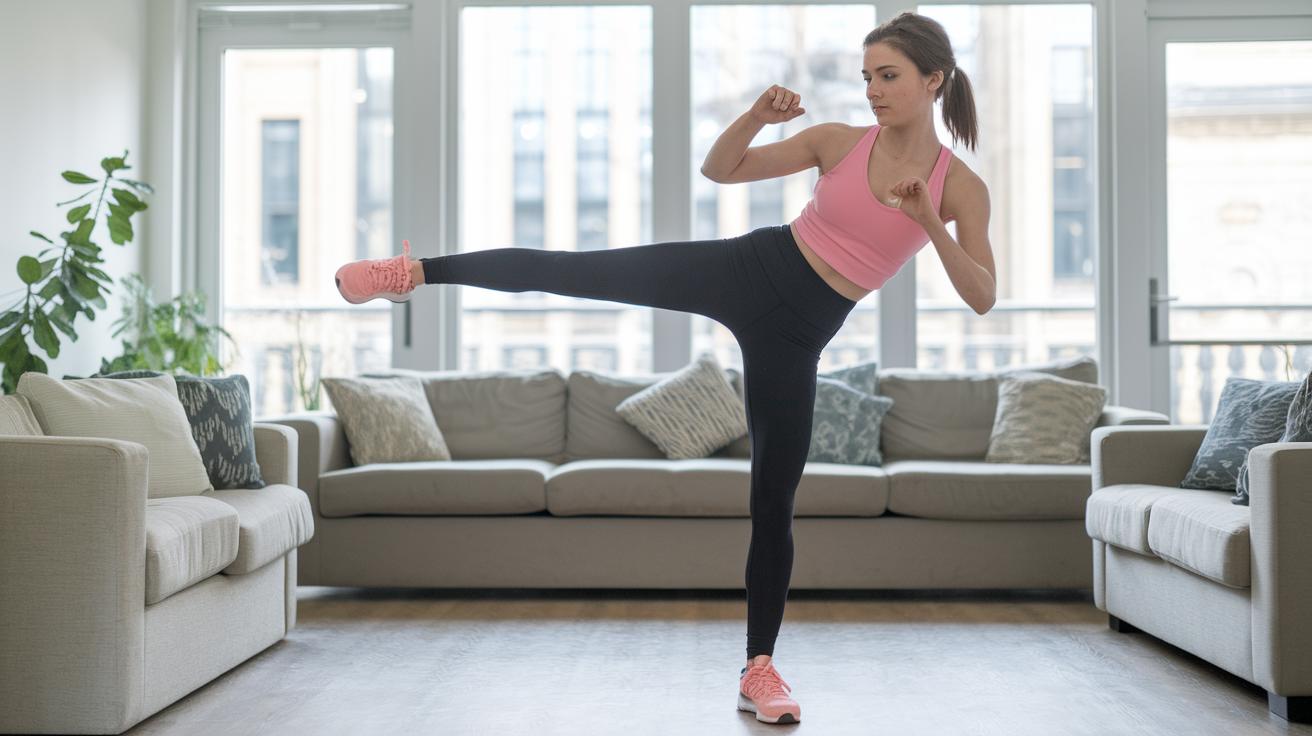
If you’re looking for a way to get your heart pumping without putting too much stress on your knees, High-Intensity Low-Impact Training (HILIT) might be just what you need. This technique boosts your heart rate with quick bursts of effort, like fast cycling or water jogging, while being kind to your joints.
You work hard for 20 to 30 seconds and then ease off for 40 to 60 seconds with gentler movement. This balance lets you push your body without overloading your knees. Moves such as bench-supported exercises or scissor kicks are included to keep your heart engaged without excessive knee bending. It’s a neat trick to get in a solid cardio workout without risking joint discomfort.
Plan your session for about 15 to 20 minutes, and try to stick with these workouts 2 to 3 times a week so your body can rest and adapt. For example, start with a light warm-up and then alternate 20 seconds of quick, controlled moves with a minute of easy recovery, like a guided walk or gentle stretching. Keep an eye on your pace, and if it feels too much or your knees start to complain, simply shorten the high-effort parts or opt for an even gentler recovery. This adaptable approach helps burn calories and build endurance while always keeping your joint comfort front and center.
At-Home Knee-Safe Cardio Moves: No Equipment Needed
Looking to get your heart pumping at home without breaking the bank on equipment? These simple bodyweight exercises are kind to your knees while still giving you a great cardio workout. You can go at your own pace, switching up the moves depending on how you feel. For instance, if step-ups feel too challenging at first, adjust the number of repetitions or lower the step until you’re comfortable. And really, you only need a bit of space and a pair of supportive shoes.
| Move | Primary Muscles | Knee Load |
|---|---|---|
| Step-ups | Glutes, Quads, Hamstrings | Low |
| Partial Squats | Quads, Knees | Moderate |
| Calf Raises | Gastrocnemius (the large muscle in the back of the lower leg) | Low |
| Scissor Kicks | Abs, Hip Flexors, Thighs | Very Low |
| Seated Punches | Upper Body | None |
| Chair Marching | Hip Flexors, Quadriceps | Low |
Take it slow and listen to what your body tells you. Start with fewer reps if you need to, and gradually increase as your strength improves. Adjust each move in a way that keeps your knees safe while keeping your heart happy. Enjoy finding the pace and intensity that works best for you, every little step counts toward building lasting strength and comfort.
Safety Guidelines and Modifications for Cardio with Knee Injury

Before you start your workout, spend 5–10 minutes doing gentle, dynamic stretches. Keep your knees slightly bent and your back straight so your body stays balanced. Make sure you wear supportive shoes and choose a flat, stable surface to exercise on. If your knees begin to hurt, try using RICE, rest, ice, compression, and elevation, to reduce the discomfort. Think of it like gently revving up a car's engine before you drive off.
When you’re ready to boost your workout, increase the duration or intensity by no more than 10% each week. This slow, steady approach helps protect your joints and keeps you from overdoing it. Listen to your body and adjust your routine if you notice any pain. And if you're recovering from surgery or dealing with long-term issues, it's a good idea to check in with a physical therapist before getting started. Keep your workouts smooth and safe by making small changes in pace or resistance.
Final Words
In the action, we explored knee-friendly cardio workouts like swimming, cycling, and gentle HIIT that protect and empower without straining injured joints. We also looked at simple at-home moves that provide support while boosting everyday vitality.
Each step, from selection to safety modifications, was shared to help you make informed, data-driven choices for improved personal health. Keep enjoying those cardio workouts with knee injury adaptations while nurturing your body for long-term wellness and energy.
FAQ
What are some knee-friendly cardio workouts for those with a knee injury, including no equipment and at-home options?
The knee-friendly cardio workouts for individuals with a knee injury include options like swimming, walking, and stationary cycling, plus no-equipment moves such as step-ups, partial squats, and seated punches—each designed to limit knee stress.
How can I do safe cardio if I have an ACL injury or a meniscus tear?
The safe cardio approaches for ACL injuries or a meniscus tear involve low-impact activities like swimming, gentle cycling, and flat-surface walking that minimize knee strain while keeping your heart rate active.
What upper body cardio options work well if I have a knee injury?
The upper body cardio strategies for a knee injury focus on movements like seated punches and arm cycles that shift emphasis from the knees, letting you boost your heart rate without added knee stress.
Which knee-friendly cardio workouts are recommended for seniors with knee injuries?
The knee-friendly cardio workouts for seniors focus on low-impact activities including gentle walking, stationary cycling, and pool-based aerobics that support cardiovascular health while reducing knee pressure.

