
Have you ever stopped to think if your workout is really getting you ready for everyday life? Functional strength training does more than just build muscle, it helps your whole body work together better. Instead of working one muscle at a time, these exercises make your body act like a smooth, well-tuned machine. It’s not just about lifting weights; it’s about training your body to move and balance easier when you’re doing daily tasks. This way, you build strength and stability all over, making life a bit simpler every day.
Why Functional Strength Training Outperforms Traditional Lifting
Functional strength training uses exercises that work several parts of your body at once, like when you safely lift a heavy box using proper deadlift form. Instead of isolating one muscle at a time like traditional lifting, functional training gets your whole body moving naturally. This means you build overall strength that makes everyday tasks easier.
Here are some benefits:
- Better movement and balance
- A stronger core for improved stability
- More even use of muscles throughout your body
- More calories burned per workout
- Time-saving exercises
For great results, mix in both functional training and traditional lifting two to three times a week. Even short sessions with dynamic movements can get your body ready for daily activities. It’s like alternating between lighter and heavier workout days, giving your muscles time to rest, rebuild, and get stronger. This blend not only improves your form and coordination, but it also helps prevent injuries and boosts overall performance. With this balanced plan, you'll build strength across various muscles while making everyday movements feel natural and effortless.
Core Principles Behind Functional Strength Training
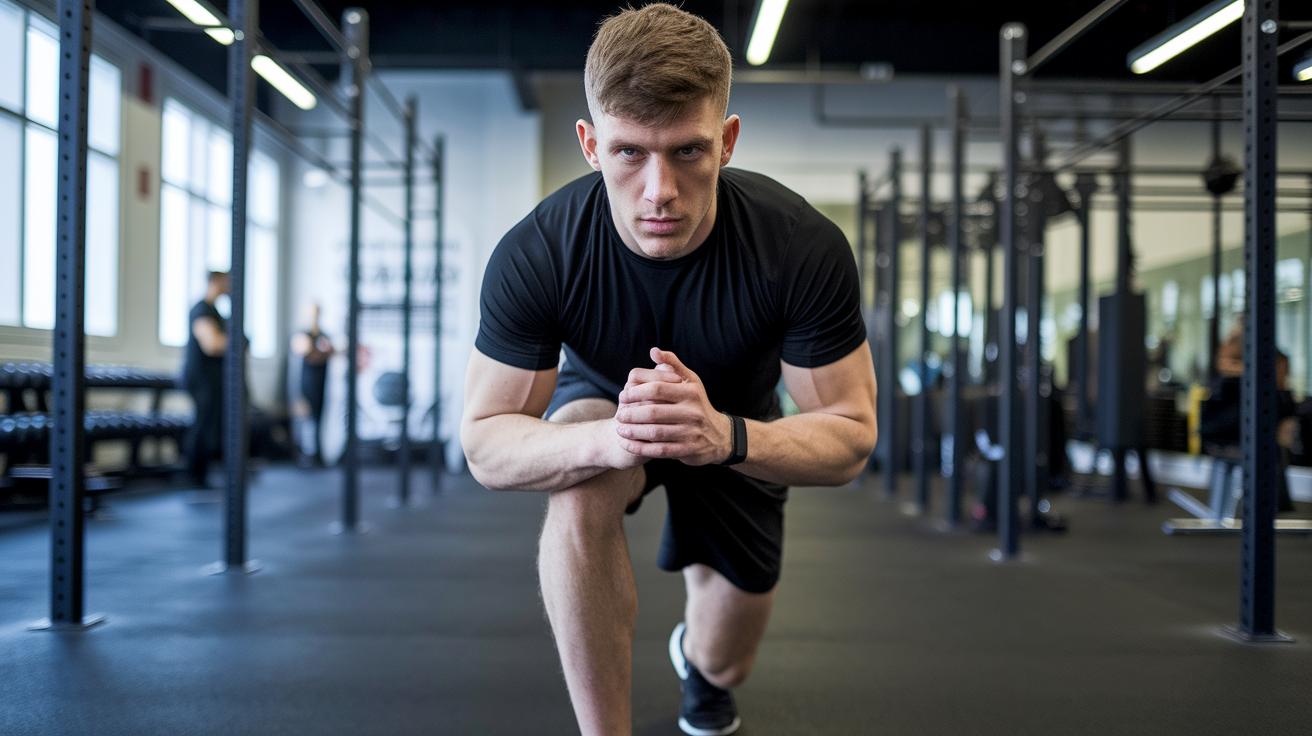
Functional training is all about getting your muscles to work together. We use exercises like squats, lunges, hip hinges, rows, and presses to work several muscle groups at once. Think of it like using every muscle in your body to lift a heavy shopping bag. For example, during a lunge, your legs, core, and arms all team up to keep you steady and help you move.
Core stability and balance are just as important. Moves like planks and reverse lunges not only build strength in your midsection but also train your body to adjust on uneven ground. Picture yourself holding a plank, feeling every muscle in your body work like a well-coordinated team, keeping you stable during your everyday routines. These exercises also improve the way your muscles work together, which can help lower your chance of getting hurt.
Small changes in your weightlifting technique make a big difference, too. Keeping a slight bend in your knees and using proper posture can boost your overall functional fitness, making your workouts both effective and safe.
Key Benefits of Functional Strength Training
Functional strength training helps you build a strong base by working several muscles at once. It makes everyday actions easier and can even boost your performance in sports.
- You’ll improve core stability with exercises like planks. Think of holding a plank as guarding your body's power center to keep your balance steady.
- Moves like reverse lunges and single-leg deadlifts can make you feel more balanced and coordinated.
- By focusing on proper form, you lower your risk of injuries.
- Dynamic lunges get your joints moving, just like the quick turns you might make during a game.
- Compound exercises burn more calories because they work many muscles at the same time.
- These exercises are time efficient, giving you more benefits in fewer minutes.
- Tailoring your workouts with sport-specific moves can help you meet the unique demands of your favorite activity.
All these benefits make everyday movements smoother and boost your overall physical routine.
Sample Progressive Functional Workout Plan
Beginner Level
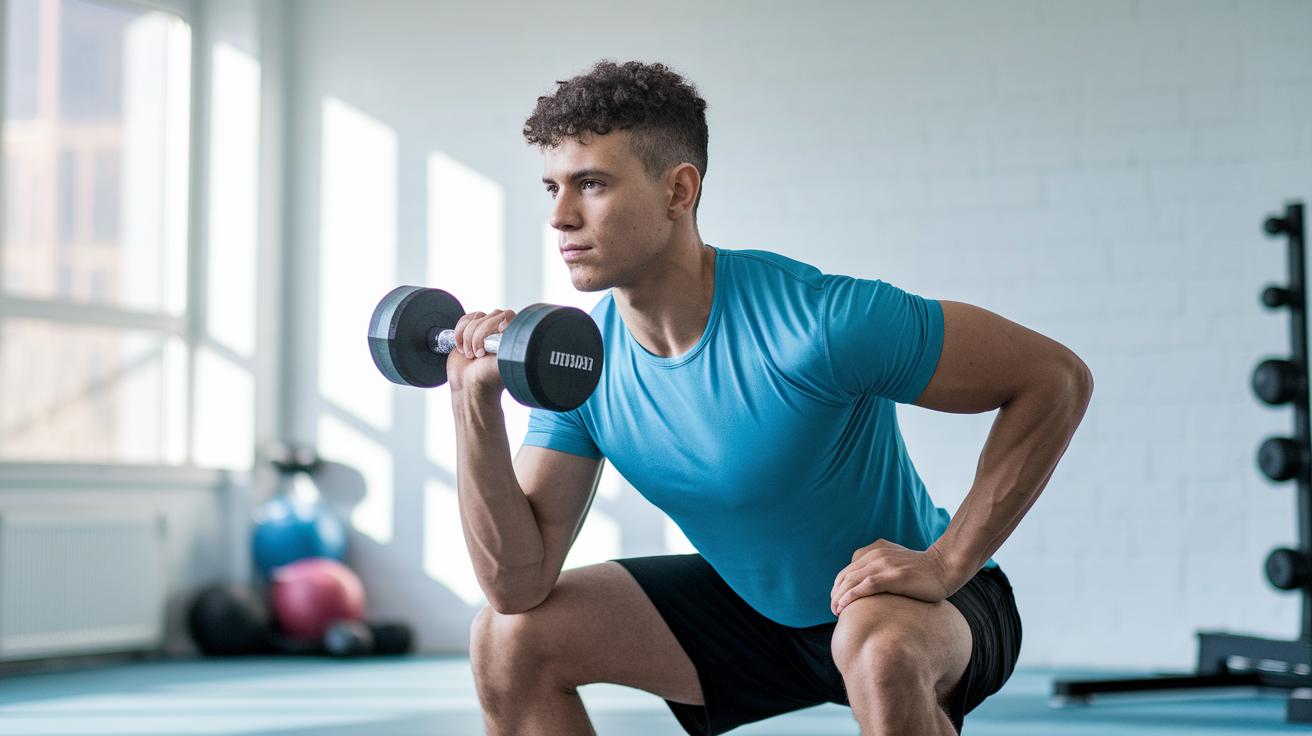
Start by mastering the basics that set you up for success. Try goblet squats (3 sets of 10 reps) to perfect your squat form, and do bridge exercises (3 sets of 12 reps) to get comfortable with the hip hinge. Walking lunges (2 sets of 12 reps on each leg) are great for finding your balance, while incline push-ups (3 sets of 8 reps) gently build up your upper-body strength. Take it slow, use light weights or just your body weight, and think of these moves as your warm-up for more intense challenges ahead.
Intermediate Level
Now it's time to step it up a notch. Use dumbbell squats (3 sets of 10 reps) to add a bit more resistance, and try Romanian deadlifts (3 sets of 10 reps) to hone your hip hinge technique while strengthening your legs. Lateral lunges (3 sets of 10 reps on each side) will challenge your balance and stability, and floor push-ups (3 sets of 10 reps) offer a solid boost for your chest and arms. At this stage, you're blending muscle coordination with a bit more weight and dynamic movement, making your transition to tougher workouts smoother.
Advanced Level
For those ready to push themselves even further, these exercises bring an extra challenge. Begin with front squat to overhead press (4 sets of 8 reps) to power up your whole body. Single-leg Romanian deadlifts (3 sets of 8 reps on each leg) will improve your balance and stability on each side. Curtsy lunges with rotation (3 sets of 10 reps on each side) add a twist to your coordination and core engagement, and plyometric push-ups (3 sets of 8 reps) give you that explosive boost in strength. These moves are designed for full-body power and are perfect for taking your workout to the next level.
| Exercise | Beginner | Intermediate | Advanced |
|---|---|---|---|
| Squat | Goblet Squat | Dumbbell Squat | Front Squat to Overhead Press |
| Hip Hinge | Bridge | Romanian Deadlift | Single-leg Romanian Deadlift |
| Lunge | Walking Lunge | Lateral Lunge | Curtsy Lunge with Rotation |
| Push Variation | Incline Push-up | Floor Push-up | Plyometric Push-up |
Essential Equipment and Digital Tools for Functional Training
You don’t need a ton of gear to keep your workouts fun and flexible. For most functional training sessions, a few basics, like dumbbells, kettlebells, resistance bands, stability balls, and medicine balls, are all you really need. Whether you're working out at home or hitting the gym, these tools help you build strength. Ever thought about trying dumbbell strength training? It might just be the perfect match for your routine.
Today, our smartphones and wearables make it easy to track progress without guessing. Many apps come with guided workouts, custom plans, and simple tracking that fits into your busy day. Plus, wearable devices like smartwatches let you check your heart rate (which is how fast your heart beats) and count your reps in real time. Imagine having a mini coach on your wrist, keeping you challenged and safe throughout your session.
When you’re picking out your equipment, it’s smart to compare both budget-friendly and premium options. Look for gear that’s built to last and gets good reviews, and choose what aligns best with your training goals. This way, every workout session really counts.
Preventing Injuries and Optimizing Recovery
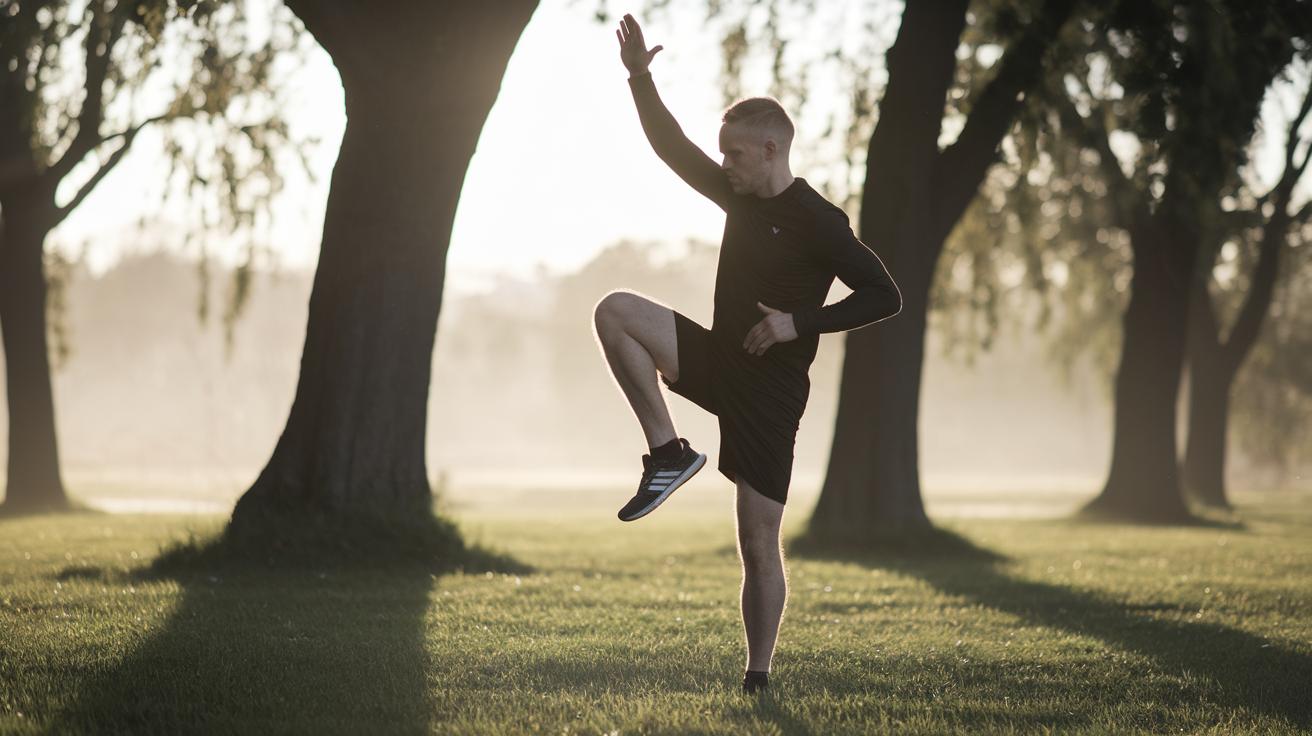
Before you jump into a tough training session, it's smart to warm up properly. Start with a bit of foam rolling and dynamic stretches that ease your muscles into action and boost your mobility. Simple moves like leg swings and arm circles help get your blood flowing, which can cut down the chance of strains. This little prep work gets your nervous system ready for smooth and coordinated movements during exercises.
After your workout, cooling down is just as important. Take some time for static stretches that slowly lower your heart rate and relax your muscles. Focus on stretches for your hamstrings, quads, and shoulders, they can help ease muscle soreness and improve your flexibility. This step supports your body's natural recovery process and keeps your muscles working evenly.
And don’t forget, rest days matter too. Try active recovery like a brisk walk, gentle yoga, or light cycling to help soothe tight muscles. Listening to your body is key, it tells you when to push and when to relax, so you’re always ready for your next session.
Functional Strength Training: Boost Daily Performance
Working out at home or taking a quick break at the office can easily add more strength to your daily life. You don’t need fancy machines, try bodyweight exercises that feel natural. For instance, squeeze in a few push-ups or squats in your living room, or take a moment for some lunges during an office break. It’s a simple way to keep your body moving without needing a full gym.
Smart apps and free online guides are great helpers too. Picture starting a mini-workout on your phone during lunch, a short circuit to boost your energy and build strength. These apps usually show easy video demos and set up daily challenges, so you can stick to a plan even when time is short. They turn idle moments into chances to work out and keep your muscles active.
Mixing a bit of cardio with strength moves is another cool idea. How about combining a brisk walk with a few push-ups? You might alternate a few minutes of jogging in place with a quick set of sit-ups. This blend keeps your workout fun and helps build endurance, making it easier to stay on track with your health goals.
Final Words
In the action, we saw how functional strength training offers a smart blend of whole-body movements, core stability, and increased mobility. The blog broke down clear differences between traditional lifting and exercises that mimic daily tasks. It shared bullet points on benefits, progressive workout ideas, essential equipment, and safe recovery methods. Small steps can lead to big changes, whether starting with beginner moves or adapting routines for everyday life. Embracing functional strength training helps make wellness more attainable and fun. Keep moving forward with energy and a positive mindset.
FAQ
What is a functional strength training app?
A functional strength training app is a digital tool that guides you through exercises designed to improve everyday movements using compound, multi-joint workouts.
What is a functional strength training PDF?
A functional strength training PDF offers a written guide with step-by-step exercises, progressions, and tips to help you safely perform workouts aimed at boosting overall movement efficiency.
How does functional strength training differ from traditional strength training?
Functional strength training emphasizes compound movements that mimic daily tasks, while traditional strength training typically focuses on isolating specific muscles using targeted equipment.
What does functional strength training mean on an Apple Watch?
Functional strength training on an Apple Watch refers to tracking real-time workout data during multi-joint exercises, helping you monitor performance metrics for safer, more efficient routines.
What is a functional training program PDF?
A functional training program PDF is a structured digital guide offering detailed workout plans and progressions that focus on building strength through everyday movement patterns.
What is functional strength training for beginners?
Functional strength training for beginners means starting with simple, compound exercises that use basic movements and minimal equipment to improve strength and balance.
What does functional strength training in the gym mean?
Functional strength training in the gym refers to workout programs designed for fitness centers that use equipment and spaces optimized for compound exercises mimicking everyday activities.
How is functional strength training practiced at home?
Functional strength training at home involves doing compound and bodyweight exercises that enhance movement quality and overall strength without needing a full gym setup.
What is functional strength training?
Functional strength training is a method that uses compound, multi-joint movements to boost everyday strength and coordination by engaging multiple muscle groups simultaneously.
What is an example of functional training?
An example of functional training is performing deadlifts, squats, lunges, or push-ups—exercises that mirror common daily tasks while building overall stability and strength.
What is 5 4 3 2 1 strength training?
5 4 3 2 1 strength training is a method using a descending repetition sequence to build muscle endurance and strength through gradual load reduction in each exercise session.

