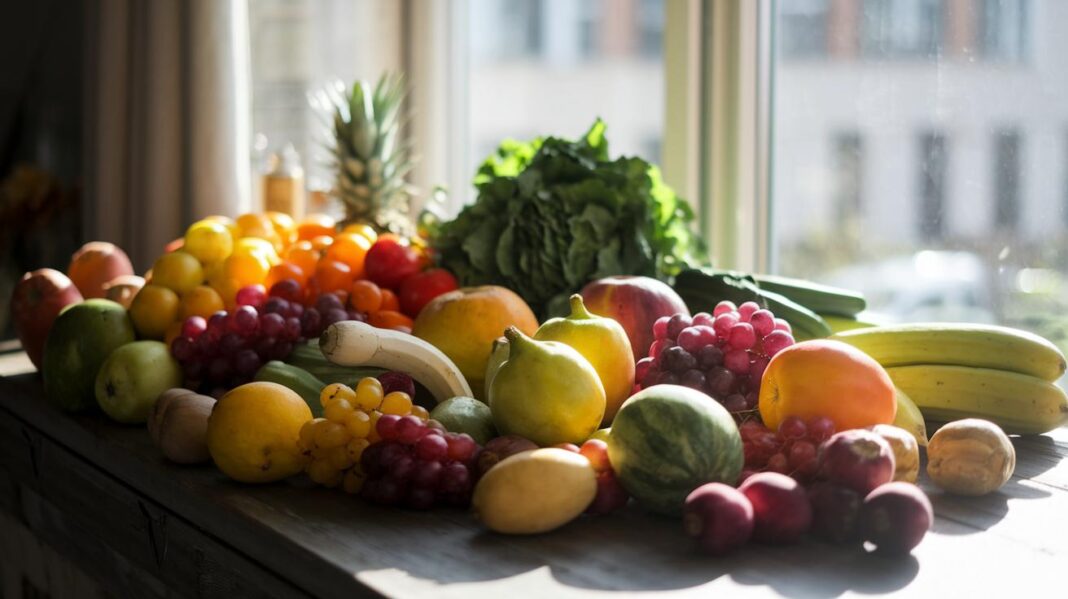
Have you ever thought there must be an easier way to eat healthy without getting lost in endless rules? It really comes down to enjoying a mix of colorful foods, like crunchy vegetables and smooth dairy, that give your body the vitamins and minerals it needs.
In this post, we share a trusted list that sorts foods into simple groups. This way, you can plan meals that give you more energy and help you feel healthier.
Ready to see how every bite can make you feel happier and more vibrant?
Comprehensive Balanced Diet Food List by Food Groups
Eating a balanced diet means enjoying a range of foods that give you vitamins, minerals, healthy fats, fiber, and quality protein. Below is our favorite list of foods, sorted by groups that help keep your meals colorful and nutritious:
| Food Group | Examples |
|---|---|
| Vegetables | Asparagus, Broccoli, Bell Peppers |
| Fruits | Apples, Bananas, Berries |
| Lean Proteins | Salmon, Chicken Breast, Eggs |
| Whole Grains | Brown Rice, Oats, Quinoa |
| Healthy Fats | Extra-Virgin Olive Oil, Avocado |
| Dairy/Alternatives | Yogurt, Cheese, Fortified Plant Milks |
| Legumes | Lentils, Beans |
| Nuts/Seeds | Almonds, Chia Seeds |
| Tubers | Sweet Potatoes |
| Special Items | Apple Cider Vinegar, Dark Chocolate |
Let’s take a closer look at these groups in everyday language:
Vegetables add fiber, vitamins, and antioxidants to your meals. For example, broccoli’s crisp texture and bright green color remind us of nature’s fresh rewards.
Fruits bring natural sugars, fiber, and vitamin C to the table, kind of like how a juicy apple gives you a refreshing burst of flavor.
Lean proteins, such as salmon and chicken breast, provide the amino acids your body needs to repair muscles and grow stronger. Think of them as the building blocks that help you stay strong and active.
Whole grains like oats and quinoa offer sustained energy through fiber-rich carbohydrates. They keep you going throughout the day.
Healthy fats from extra-virgin olive oil and avocado support your heart and help your body absorb other key nutrients.
Dairy and its alternatives bring you calcium and protein, which are important for keeping your bones strong.
Legumes, along with nuts and seeds, add extra fiber and nutrients that help your overall health.
Tubers and special items bring variety to your diet. For instance, sweet potatoes are loaded with antioxidants, and a hint of dark chocolate can add a delightful twist to your meal.
Imagine a plate filled with foods from each group, each bite bursting with flavor and goodness. This colorful mix not only fuels your body but makes every meal feel like a mini celebration of good health.
Portion Distribution Guide for Your Balanced Diet Food List
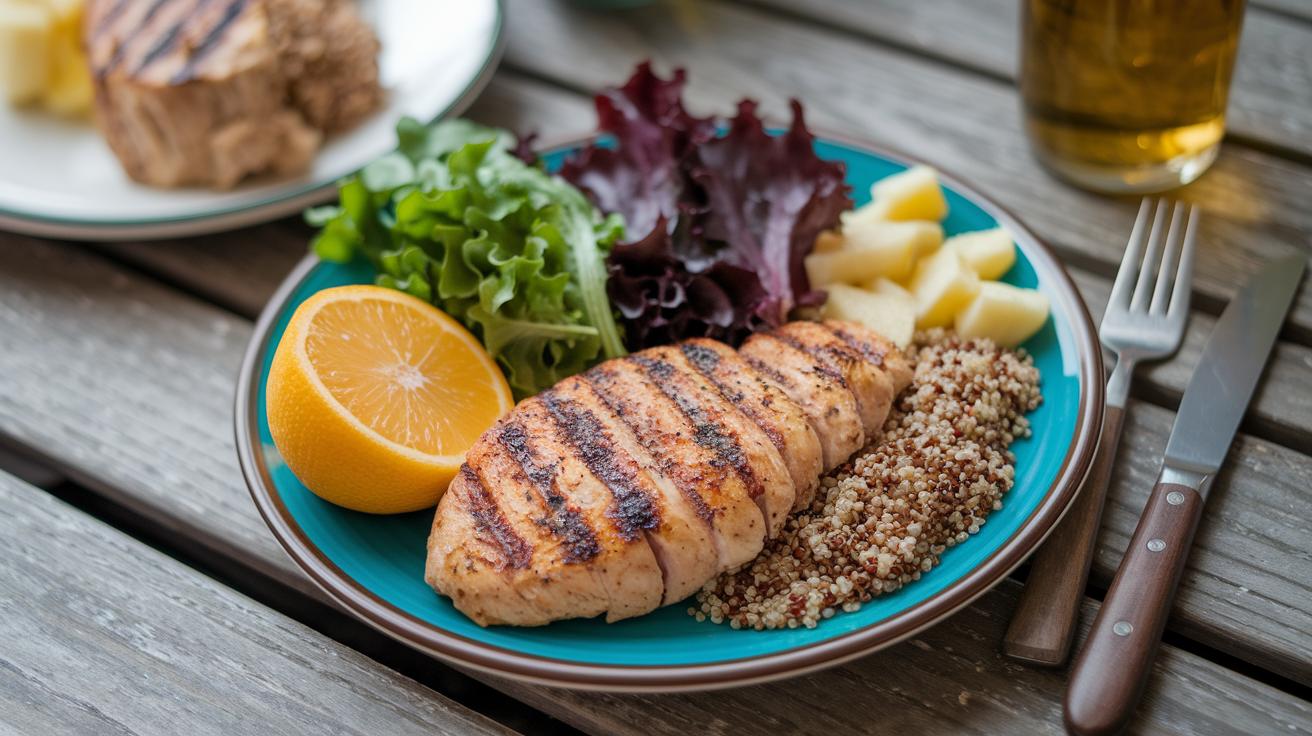
When you're setting up a balanced meal, using standard serving sizes is a simple way to control portions and give your body the nutrients it needs. For proteins, try having about 3 to 4 ounces of cooked fish or chicken each time. Whole grains? Measure out about ½ to 1 cup when cooked. And for veggies, one cup of raw leafy greens or ½ cup cooked works just fine. One medium piece of fruit is ideal, and for healthy fats, stick to roughly 1 tablespoon of oil or ¼ of an avocado. For dairy, a serving could be 1 cup of milk or ¾ cup of yogurt. These easy guidelines help you keep your portions in check and balance your nutrients without the fuss.
| Food Group | Serving Size |
|---|---|
| Proteins | 3–4 oz cooked |
| Whole Grains | ½–1 cup cooked |
| Vegetables | 1 cup raw or ½ cup cooked |
| Fruits | 1 medium piece |
| Healthy Fats | 1 Tbsp or ¼ avocado |
| Dairy | 1 cup milk or ¾ cup yogurt |
Use a food scale or measuring cup for accuracy. For example, think of a 3 oz portion of chicken as being roughly the size of a deck of cards. Check in with yourself by rating your hunger before and after meals, try using a scale from 1 to 10 to know when you've had just enough. Planning your meals ahead using these standard sizes can really help you avoid any extra servings.
Weekly Meal Schedule Using a Balanced Diet Food List
Imagine a week where each meal brings together a burst of color and flavor through fresh fruits, crunchy veggies, lean proteins, and satisfying whole grains. Think of a plan that channels a Mediterranean vibe, easy to make, nourishing, and delightfully flavorful. For example, Monday morning might start with a bowl of Greek yogurt crowned with berries and a sprinkle of chia seeds. At lunch, picture a plate of grilled salmon over a bed of mixed greens, paired with a side of fluffy quinoa. Dinner might feature whole grain pasta accompanied by steamed broccoli and cherry tomatoes, finishing off the day with a light fruit salad.
Plan your week using this simple blueprint:
-
Monday:
- Breakfast: Oatmeal with sliced bananas
- Lunch: Spinach salad with omega-3–rich fish
- Dinner: Grilled chicken paired with brown rice and broccoli
- Snack: Apple slices
-
Tuesday:
- Breakfast: Whole grain toast topped with avocado and a soft-cooked egg
- Lunch: A Greek salad served with lean protein
- Dinner: A quinoa bowl filled with mixed veggies and a drizzle of olive oil
- Snack: A bowl of fresh berries
-
Wednesday:
- Breakfast: A refreshing smoothie made with spinach, fruit, and yogurt
- Lunch: Hearty lentil soup with a side of whole grain bread
- Dinner: Baked fish accompanied by a medley of steamed vegetables
- Snack: A small handful of nuts
You can mix and match these meals for the rest of the week. Keeping regular mealtimes can help you recognize your hunger cues better. Try noting your hunger level on a scale from 1 to 10 before and after eating, like dropping from a 7 to a 4 is a simple way to check if you’re feeling comfortably full without overeating.
For an easy-to-follow layout, check out our meal planner for healthy eating to map out your weekly blueprint.
Grocery Essentials Checklist for a Balanced Diet Food List
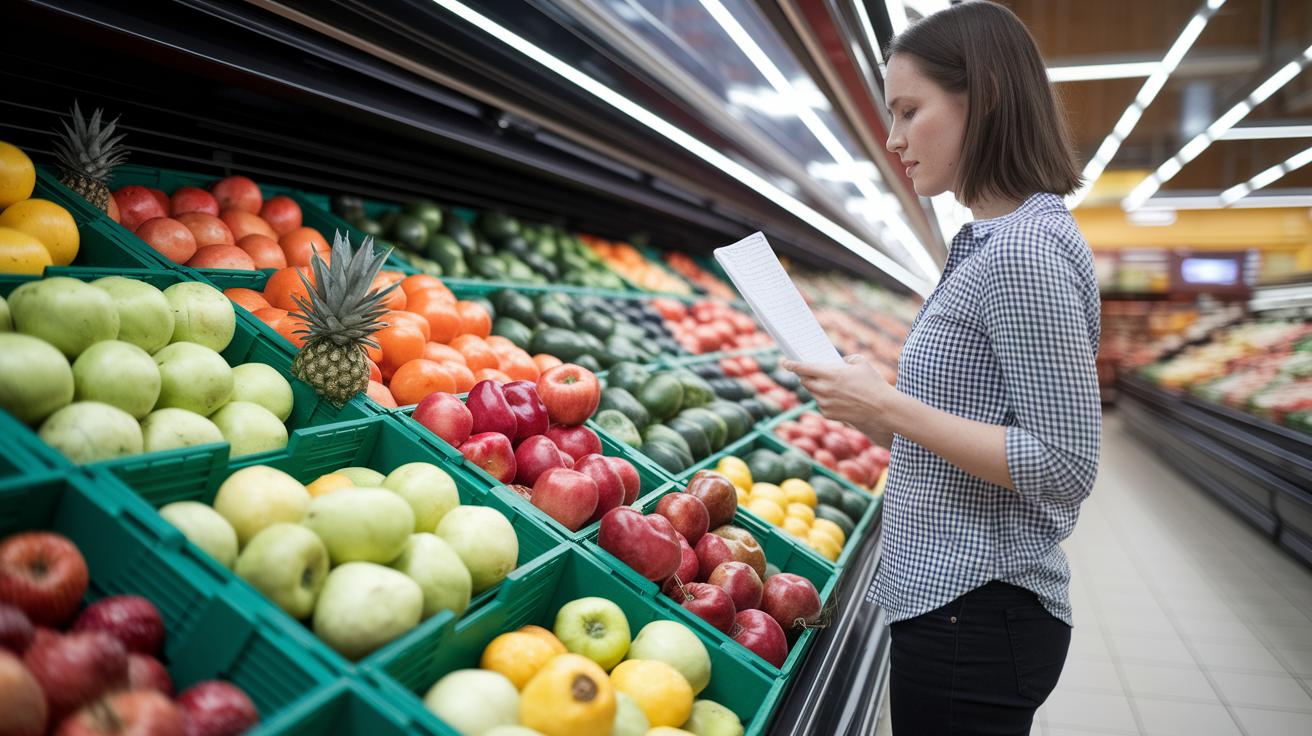
When planning your grocery trip, smart strategies can make all the difference. Use these tips on budgeting, seasonal shopping, and proper storage to save time and money every week.
- Set a weekly budget and shop around at your local stores.
- Pick fruits and veggies that are in season, it's a great way to get the best flavor and lower your costs.
- Keep your fresh items happy by storing them correctly. For instance, you can keep leafy greens fresh in a sealed container with a slightly damp paper towel.
- When you see a good deal, buy bulk items, especially those that last a long time.
- Write down your shopping list so you don’t end up with extra impulse buys.
| Aspect | Tip |
|---|---|
| Budgeting | Set a spending limit and check local flyers for the best deals. |
| Seasonal Shopping | Choose in-season produce to enjoy great taste and save money. |
| Storage Guidelines | Store items like leafy greens in airtight containers to keep them fresh longer. |
Healthy Cooking Methods for Balanced Diet Food List Ingredients
Cooking with care means using simple techniques like steaming, blanching, grilling, and baking to keep your food full of good nutrients. Steaming vegetables for about 5–10 minutes helps lock in vitamins and flavor, almost like gently warming up nature’s best offerings. Blanching works well too; quickly dipping green beans in boiling water before cooling them in ice water helps them keep their crunch and bright color.
Grilling or baking proteins like chicken or fish gives you a tasty meal without adding too much fat. Imagine grilling a piece of salmon with a splash of lemon juice and a few sprigs of fresh dill, you get delicious flavor without extra heaviness. Using a little extra-virgin olive oil as a finishing touch, instead of heavy sauces, can help lower your intake of saturated fats, and it’s best to skip deep-frying altogether to keep your meals light.
Spicing things up with fresh herbs and a mix of spices can naturally boost flavor without needing extra salt. Try adding garlic, basil, or paprika to your dishes for small bursts of taste that feel healthy and exciting. Rotating your ingredients week by week not only keeps your meals interesting but also helps you enjoy a balanced diet while cutting down on saturated fats.
So go ahead and experiment with these simple tweaks. You might find that these little changes add up to a big boost in how you feel every time you sit down for a meal.
Tracking Essential Vitamins and Minerals in Your Balanced Diet Food List
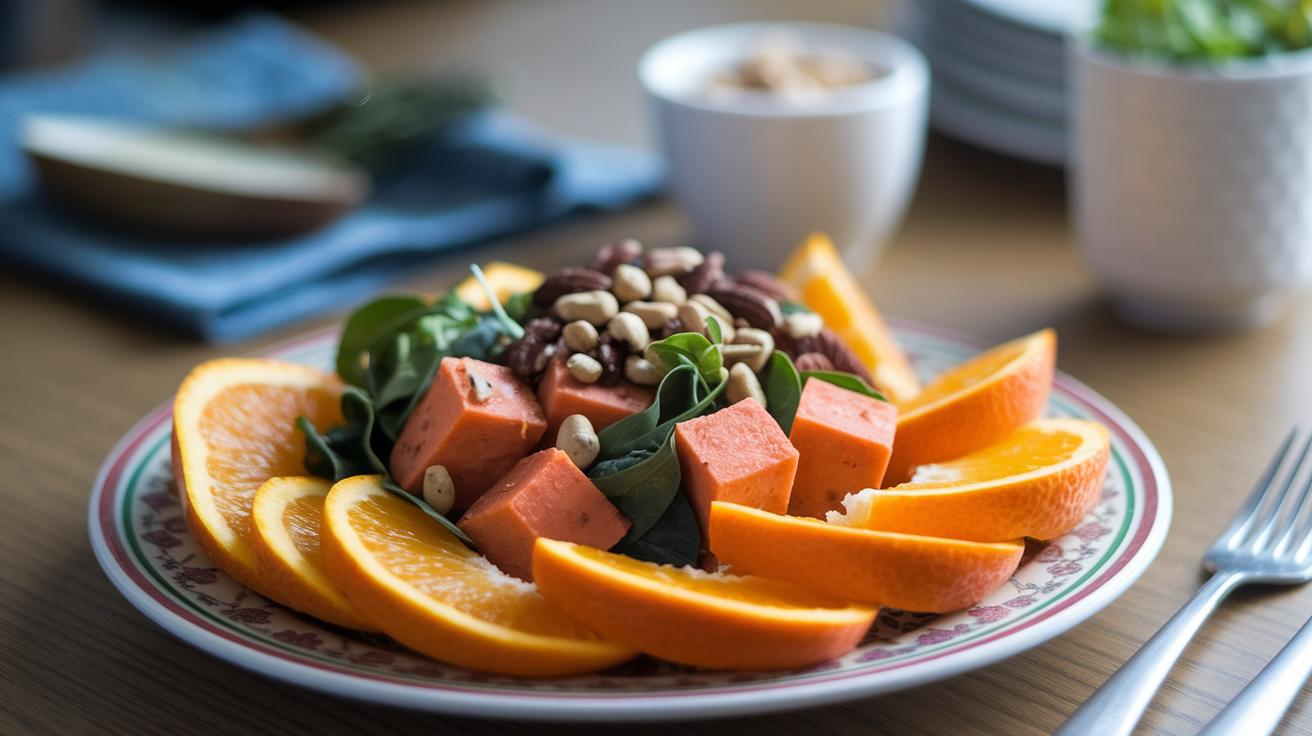
When you're planning a balanced diet, it helps to see your plate as a colorful mosaic, where every color offers a unique nutrient your body needs. For example, citrus fruits are loaded with vitamin C, which is great for your immune system. Picture peeling an orange and tasting that tangy burst, it's a small moment that boosts your daily vitamin C dose.
A simple checklist can be your best friend when it comes to keeping track of nutrients. You might note down foods like sweet potatoes for vitamin A, which supports good vision and a strong immune system. Plus, vitamin D from sources like salmon or fortified dairy helps build strong bones. And then there are leafy greens packed with vitamin K that assist in proper blood clotting. Keeping an eye on these vitamins makes it easier to hit your daily targets and keep your health on track.
Minerals deserve just as much attention. Calcium from yogurt or cheese works to build robust bones, while iron found in lean beef or spinach gives you the energy you need. Magnesium in nuts and whole grains helps your muscles and nerves work right, and potassium in bananas and potatoes supports a healthy heart.
| Nutrient | Food Examples |
|---|---|
| Vitamin C | Citrus Fruits |
| Vitamin A | Sweet Potatoes |
| Vitamin D | Salmon, Fortified Dairy |
| Vitamin K | Leafy Greens |
| Calcium | Yogurt, Cheese |
| Iron | Lean Beef, Spinach |
| Magnesium | Nuts, Whole Grains |
| Potassium | Bananas, Potatoes |
Reviewing your nutrient intake with a list like this can be an easy and effective way to make sure your food choices match your long-term health goals.
Final Words
In the action of planning a balanced diet food list, we explored key food groups from lean proteins to whole grains. Portions, weekly meal schedules, and smart grocery checklists make healthy routines clear and simple. We covered tasty, low-fat cooking methods and easy ways to track essential vitamins and minerals. This guide brings together practical tips to boost your wellness, helping you make confident, nutritious choices every day. Keep moving forward towards a vibrant, healthful future.
FAQ
What is a balanced diet chart?
A balanced diet chart is a visual guide that outlines key food groups and serving sizes. It helps you plan meals with lean proteins, whole grains, fruits, vegetables, and healthy fats for overall nutrition.
What are healthy foods to eat every day?
Healthy foods for daily eating include vegetables, fruits, lean proteins, whole grains, dairy or alternatives, and healthy fats. They deliver essential vitamins, minerals, and energy needed for a balanced diet.
How do you define a balanced diet with an example?
A balanced diet means eating in proper portions from all food groups. For example, a well-rounded meal might include grilled chicken, steamed broccoli, brown rice, a small salad, and a drizzle of olive oil.
What does a 7-day healthy eating plan look like?
A 7-day healthy eating plan features daily meals with breakfast, lunch, and dinner plus snacks. It typically includes ingredients like fish, vegetables, whole grains, and fruits to keep nutrition balanced throughout the week.
What is a balanced diet plate?
A balanced diet plate divides your meal into sections for proteins, whole grains, fruits, vegetables, and healthy fats. It visually demonstrates how to combine different food groups in every meal for proper nutrition.
What foods should I eat for a balanced diet?
A balanced diet incorporates vegetables, fruits, lean proteins, whole grains, healthy fats, dairy or alternatives, legumes, nuts, and seeds. This mix ensures you get a wide range of essential nutrients daily.
What are the 7 things you need in a balanced diet?
A balanced diet includes lean proteins, whole grains, fruits, vegetables, healthy fats, dairy or alternatives, and legumes. Each category contributes key vitamins, minerals, and energy to support overall health.
What is the healthiest food to eat every day?
There isn’t one single healthiest food. Instead, a mix of fruits, vegetables, lean proteins, whole grains, and healthy fats supplies a variety of nutrients, enhancing overall well-being when combined in your diet.
What are the 10 most healthy foods to eat?
Ten healthy food options include leafy greens, berries, citrus fruits, salmon, chicken, quinoa, almonds, chia seeds, yogurt, and avocados. Together, they offer a broad spectrum of vitamins, minerals, and healthy fats.

