
Ever thought a small kitchen mistake could lead to food poisoning? One in six Americans gets sick from contaminated food every year, so it's worth knowing a few simple safety tips.
When you handle food right, like washing your hands after touching raw meat or keeping leftovers cool, you can stop harmful germs in their tracks. This article shares easy, step-by-step advice to help make every meal safer, keeping you and your family healthy every time you dine.
Core Principles of Prevention of Foodborne Disease
Foodborne diseases happen when we eat food contaminated with germs such as bacteria, viruses, fungi, or toxins. Every year, about one in six Americans gets sick, and kids can end up feeling even worse. In simple terms, foodborne illness means any sickness caused by harmful germs, while food poisoning specifically comes from toxins in food.
Both the USDA and CDC stress that keeping food safe means handling it properly, storing it correctly, and using the right methods when preparing meals. A big part of this is washing your hands well. For instance, after handling raw chicken, take a moment to wash off with hot, foamy water before you mix up your salad. This simple step stops those nasty germs in their tracks.
Key tips to prevent foodborne illnesses include:
- Washing your hands before and after handling food.
- Keeping raw and cooked foods apart to avoid mixing up germs.
- Storing items like dairy, meat, and leftovers in the fridge at safe temperatures.
- Regularly cleaning and disinfecting kitchen surfaces and tools.
It only takes a quick look, if a can has a swollen lid or strange liquid, it’s best to toss it out. Think about it: before we had modern fridges, even a small mistake in storage could spark a big outbreak. By following these simple steps, both home cooks and food service folks can cut down the risk of illness and keep everyone feeling healthier.
Hygienic Food Handling Practices to Prevent Foodborne Disease
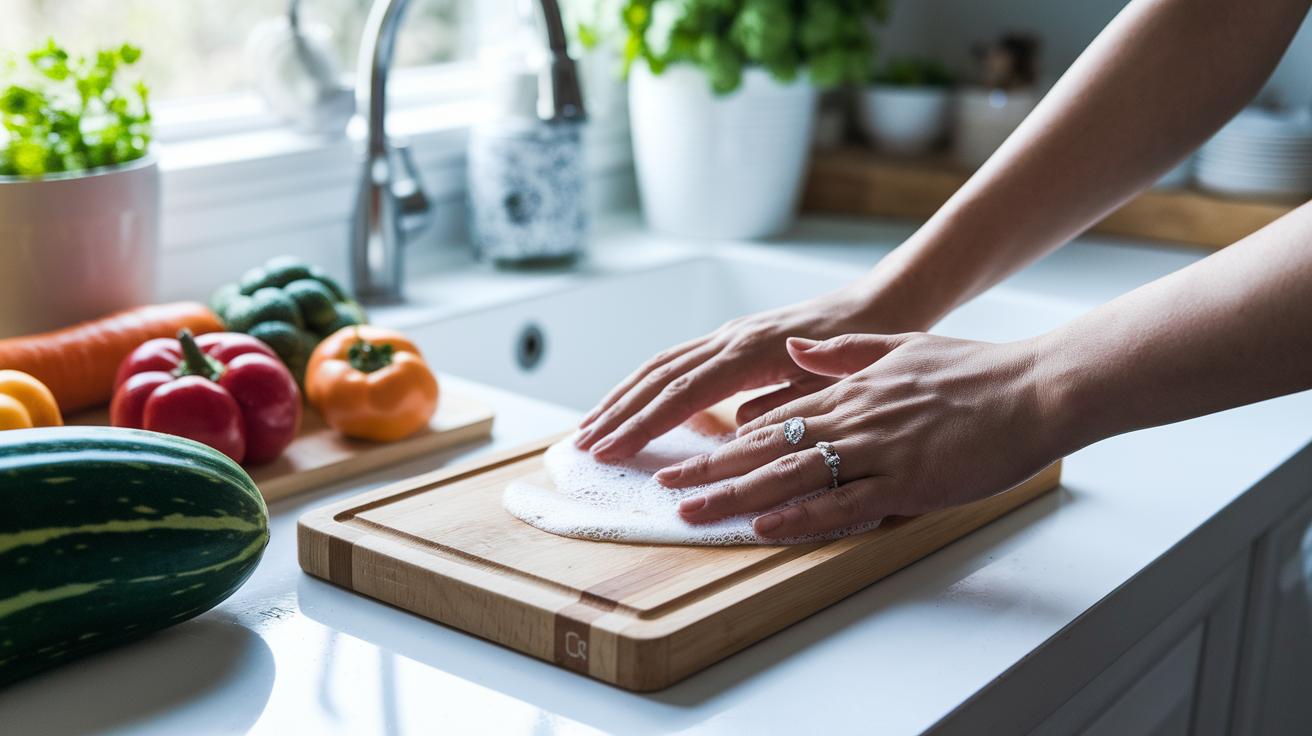
Start every meal prep by washing your hands really well and cleaning all surfaces with hot, soapy water after you work with raw meats or poultry. For instance, after cutting raw chicken, take a moment to scrub your hands and wash the cutting board before you add any fresh salad ingredients.
Try these simple steps to keep your food safe:
- Use different cutting boards for raw foods and ready-to-eat items.
- Rinse and disinfect any utensils or surfaces that have touched raw food.
- Follow the two-hour rule: throw away any perishable food left out at room temperature for more than two hours.
- Keep up your personal cleanliness by washing your hands before, during, and after cooking.
One extra tip: switching between washing your hands and cleaning surfaces as you move between different foods helps lower the risk of any cross contamination.
Proper Food Storage Strategies in Foodborne Disease Prevention
Keeping your food fresh and safe is simpler than you might think. It all starts with a few straightforward steps around temperature and storage. For example, cooked meats, cheeses, and meals with mayonnaise should not sit out for more than two hours. When food stays at room temperature too long, bacteria can multiply quickly, kind of like how milk spoils fast on a hot day.
Make sure your fridge stays at or below 40°F (4°C) and your freezer at 0°F (-18°C). A quick peek at a reliable thermometer can tell you if your stored food is in a safe spot. If you’ve just put leftovers away, take a moment to check the temperature, it helps keep harmful germs at bay.
When you open a can or jar, especially with home-canned foods, give it a good look before using. If you see any signs of bulging lids, loose seals, or milky liquids, it’s best to toss it out. Wrap the discarded container in plastic and then place it in a heavy paper bag to stop any contamination from spreading.
Remember these simple tips:
- Don’t leave perishable foods out for more than two hours.
- Regularly check the temperatures in your fridge and freezer.
- Inspect canned goods carefully and discard anything that doesn’t seem right.
By sticking to these easy actions, you can lower the risk of foodborne illness and keep your meals both safe and delicious.
Cooking Temperature Controls to Prevent Foodborne Disease
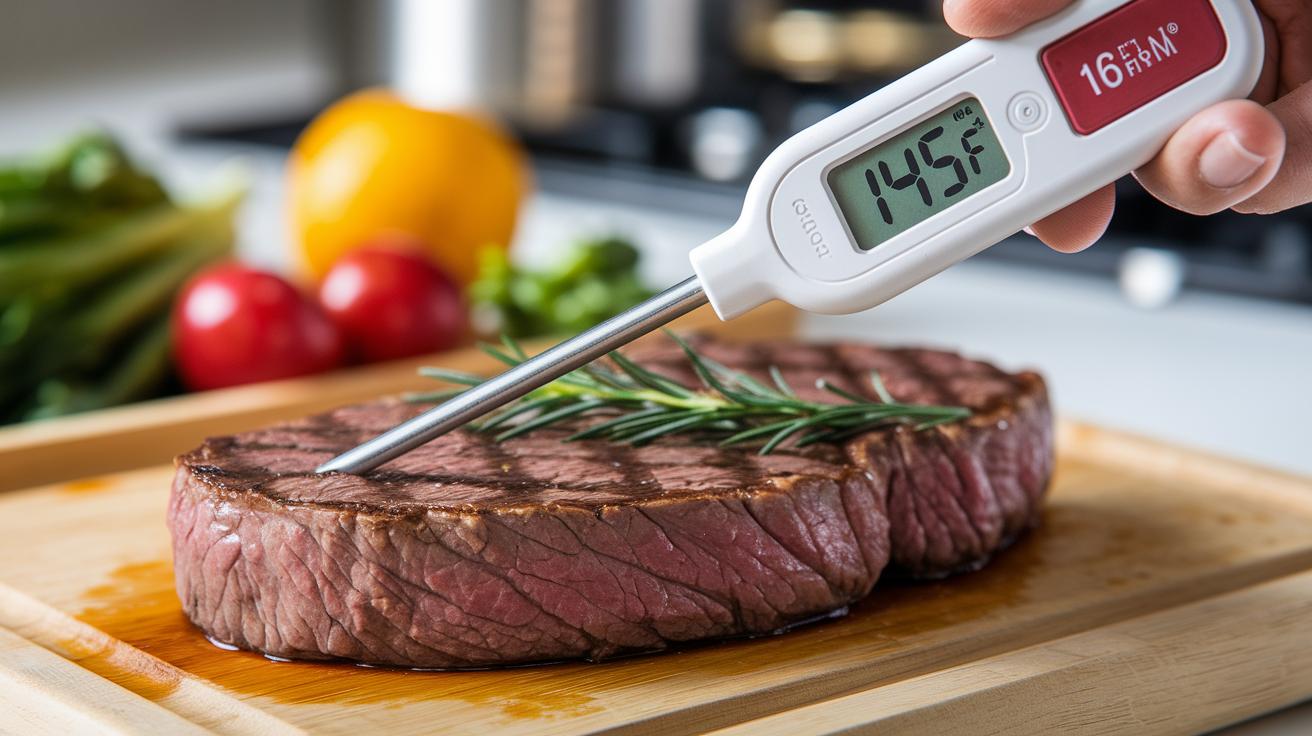
Keeping your food safe starts with getting the right cooking temperatures. For example, poultry must hit 165°F because that temperature is recommended by the USDA to kill harmful germs. Ground meat should reach 160°F, and steaks or chops need to be cooked to 145°F before you let them rest for three minutes. Using a good food thermometer is a quick and easy way to confirm your food is cooked enough to be safe.
A quick check with a thermometer lets you know if your food has reached the proper temperature to neutralize dangerous bacteria. Methods like boiling and baking work well because they heat food evenly, ensuring those unsafe germs are inactivated.
When you follow these simple guidelines, you not only meet safe cooking practices but also keep raw food risks at bay. Imagine cooking a steak, checking that it reaches exactly 145°F, and then letting it sit for a few minutes to spread out the heat. That little rest period is just as important as hitting the target temperature.
Stick with these practices to keep your kitchen safe and make every meal a little healthier.
Sanitation Protocols and Cleanliness Guidelines for Foodborne Disease Prevention
Keeping your kitchen clean is a key part of keeping foodborne illnesses at bay. After every use, make sure to wipe down countertops, utensils, and equipment with a disinfectant that’s approved for the job. For example, if you’ve just handled raw meat or chopped vegetables, wash your cutting board thoroughly to clear away germs. This simple habit goes a long way in keeping you and your loved ones safe.
Don't forget the spots that get touched the most like counter tops, handles, and cutting boards. These areas can easily hold onto bacteria if you miss them. If you’ve just chopped onions or done some similar task, grab a disinfectant wipe and clean both your cutting board and the surrounding area. A little extra care here keeps your food prep area healthier.
It also helps to deep-clean your kitchen on a regular schedule. Whether you choose to do it weekly or monthly, deep cleaning helps you catch any hidden spots where germs might be hiding. Always use cleaning products that are safe for your kitchen and follow the instructions on the label to make sure you’re using them right.
By sticking to these cleaning routines, you create a safer space for preparing meals. Regular cleaning of all surfaces, utensils, and equipment significantly lowers the risk of foodborne illnesses. Keep your cleaning schedule updated and be sure to follow each disinfectant’s guidelines so every corner of your kitchen is spotless and safe.
Regulatory Standards & Hazard Analysis in Foodborne Disease Prevention
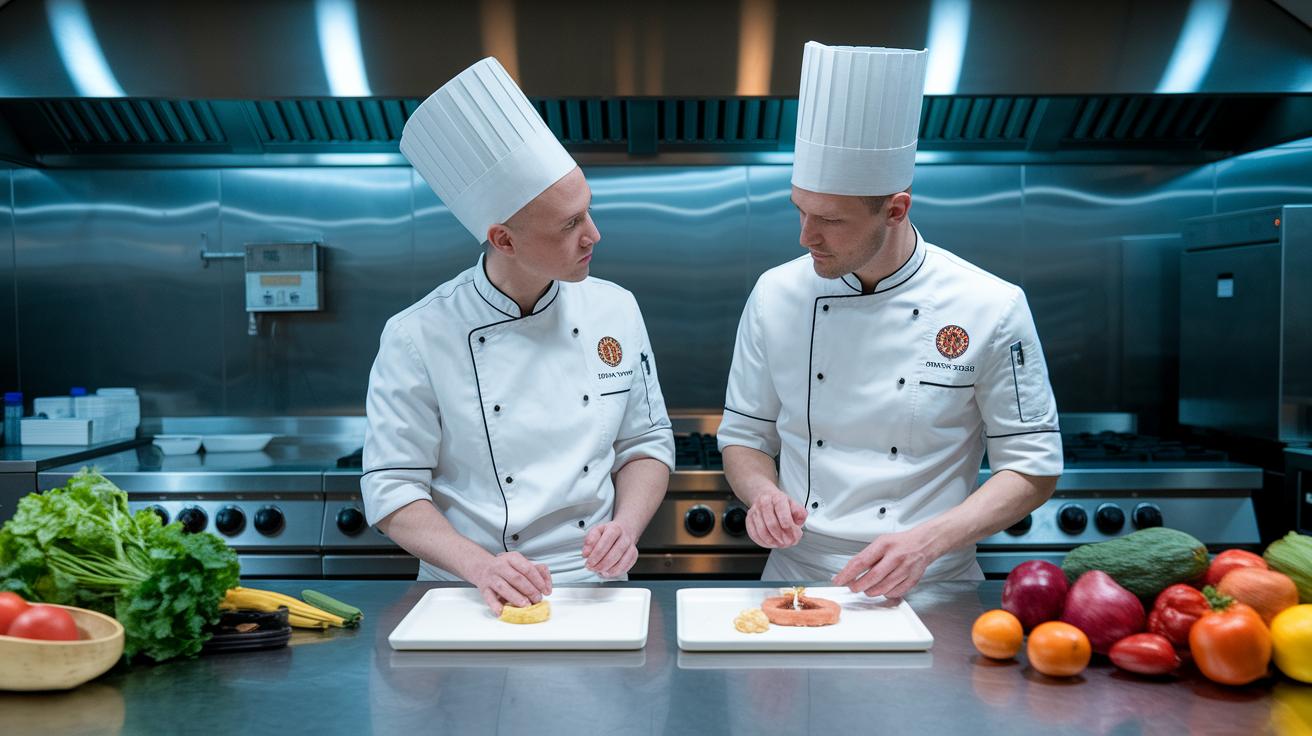
The FDA’s Food Safety Modernization Act (FSMA) and HACCP work as a team to help keep our food safe. FSMA lays out clear rules to lower the risk of contamination, while HACCP breaks down the process into simple steps. Imagine it like a checklist that guides everything from choosing ingredients to getting your food onto your plate.
Critical control points are special moments in the food chain where safety is closely watched. These can include handling raw materials, processing, packaging, storage, and delivery. A small slip-up at any of these steps might lead to bigger problems. For example, making sure food stays at the right temperature during transport can stop germs from growing.
Health guidelines and safety standards set by experts ensure that every kitchen and food business follows the proper safety steps. This means that every part of the chain meets strict rules to keep food free from harmful contamination. Experts even keep an eye on the CDC’s Current Outbreak List to catch any new threats early, so food safety practices can be adjusted right away.
Following these guidelines means that every facility plays its part in keeping our food safe. This step-by-step approach builds trust between those who produce our food and all of us who eat it.
Training, Education & Community Initiatives for Prevention of Foodborne Disease
Staying informed is a simple but effective way to keep our food safe. Regular training and health checks help food handlers stick to good hygiene practices. For instance, many programs show how proper hand washing can cut down on cross contamination, a point made clear by a trainee who noticed the positive effects right away. Special food handler sessions also help staff spot potential issues early on.
Restaurants often run routine inspections to ensure every area of the kitchen meets high cleanliness standards. These checks turn real-life experiences into valuable lessons for everyone, keeping safety rules fresh and effective. One local diner, for example, used feedback from inspections to run a hands-on training session that boosted both team spirit and safety awareness.
Community projects add another layer of protection. Campaigns and public demos break down simple safety steps, like checking cooking temperatures with a thermometer or cleaning cutting boards well after use. Consider these tips:
- Enroll in food safety education programs to keep updated on hygiene standards.
- Join specialized food handler training sessions.
- Support regular restaurant hygiene inspections.
- Take part in community food safety initiatives to help spread awareness.
When everyone gets involved, we build a safer and healthier community by sharing real-world lessons and practices.
Final Words
In the action of keeping our kitchens safe, we covered ways to lower the risk of foodborne disease by focusing on hygienic food handling, proper cooking and storage, and strict sanitation. We also reviewed steps to meet regulatory standards and boost community food safety education. Taking these practical steps means you have the power to protect yourself and your loved ones. Here's to feeling confident and secure in every meal you prepare!
FAQ
What are some effective ways to prevent foodborne illnesses?
The prevention of foodborne illness involves thorough hand washing, proper cooking temperatures, safe storage practices, cross contamination prevention, regular surface cleaning, and food handler training to limit exposure to harmful pathogens.
How can food handlers prevent foodborne illness?
Food handlers reduce foodborne illness risks by practicing proper personal hygiene, washing hands frequently, using separate utensils for raw and cooked foods, and cleaning all surfaces to stop the spread of contaminants.
What is the most important method to prevent viral foodborne illnesses?
The prevention of viral foodborne disease centers on frequent, careful hand washing along with sanitizing surfaces after handling raw ingredients to minimize the risk of virus transmission.
What is the most important method to prevent bacterial foodborne illnesses?
The prevention of bacterial foodborne illness relies on cooking foods to safe internal temperatures and storing perishable items promptly at or below recommended temperatures to inhibit bacterial growth.
What does prevention and control of foodborne diseases involve?
The prevention and control of foodborne diseases combine safe food handling practices, proper storage, cooking temperature controls, cleaning protocols, and adherence to guidelines from regulatory agencies.
How do you make sure food is safe to eat?
Making food safe to eat means storing it at correct temperatures, cooking it thoroughly, avoiding cross contamination, and keeping all surfaces, utensils, and hands clean during food preparation.

