
Have you ever thought that your everyday cardio machine might be the push you need to burn some serious calories? With these workouts, you can change your speed, resistance, and incline so that every session fits just right with your goals.
Imagine mixing quick bursts of energy with steady moves, kind of like a tag team working together to strengthen your heart and melt away unwanted calories. In this post, we’re sharing some easy, effective routines that make it simple to track your progress and take another step toward a healthier life.
Effective Cardio Machine Workout Plans
Cardio machines are a fantastic way to boost your heart health. They let you adjust the speed, resistance, and incline so you can tailor each session to your fitness goals. Whether you're aiming for 75 minutes of vigorous or 150 minutes of moderate activity each week, or you simply want to torch some extra calories, these machines help you get there. Plus, they turn your workout into easy-to-read data that keeps you motivated.
Here are a few workouts to try:
- Treadmill: Try a 20–30 minute workout mixing fast bursts and steady walking. For instance, you could alternate 2 minutes at a quick pace with a higher incline and 2 minutes at a comfortable speed. This routine might burn about 300–400 calories.
- Elliptical: Enjoy a low-impact, full-body workout for 20–30 minutes. Adjust the resistance to move from a steady pace to short, energetic bursts. You can expect to burn roughly 250–350 calories.
- Rowing Machine: Work your legs, back, and arms with a 20–30 minute routine. Row 500 meters and take brief rests. This blend of strength and cardio effort can help you burn around 300–400 calories.
- Stationary Bike: Give intervals a try in a 20–30 minute session. Alternate 30-second sprints with 90 seconds of recovery. Whether you’re riding an upright or recumbent bike, you might burn between 250–350 calories.
When picking a workout style, think about LISS and HIIT. LISS, or Low Intensity Steady State, keeps your heart rate steady over time and is easier on your joints, which is great for building endurance. HIIT, or High Intensity Interval Training, mixes bursts of effort with recovery breaks and usually burns more calories in less time. Both methods work well, so choose the one that fits your goals best.
Treadmill Interval and Steady-State Training
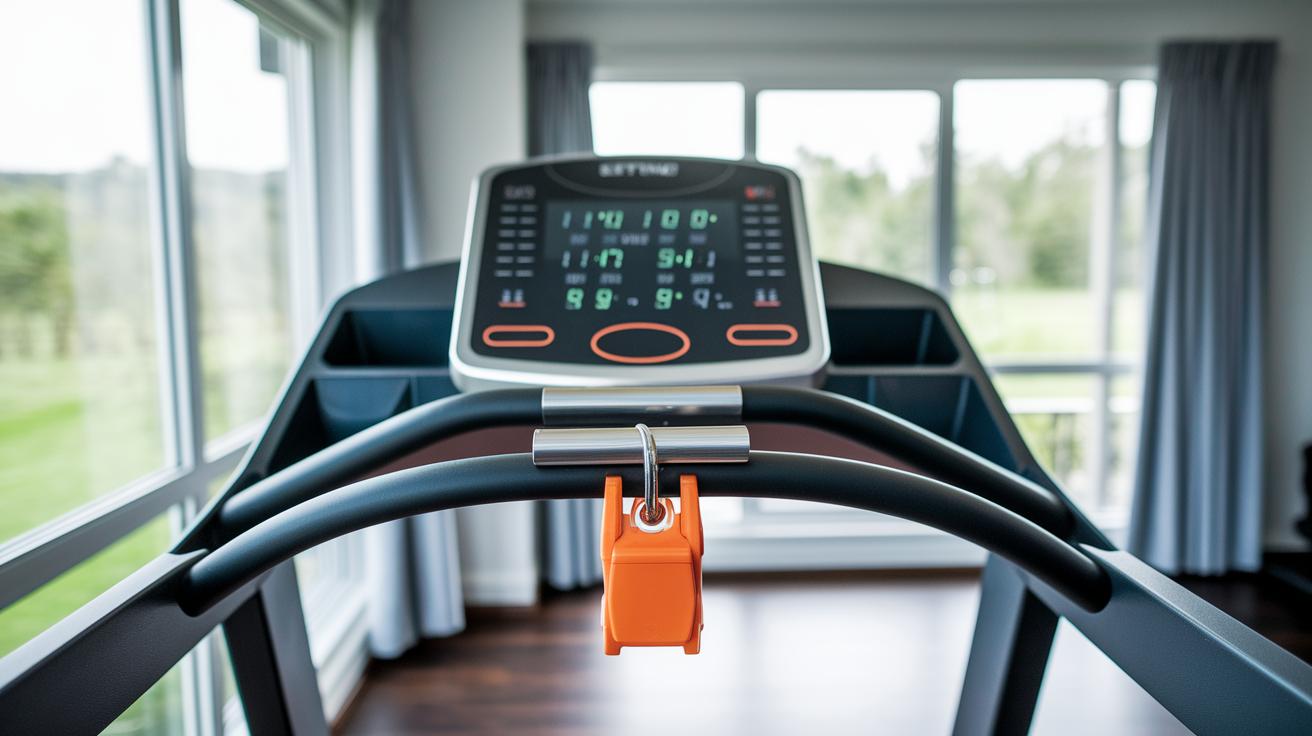
Before you start your treadmill workout, make sure everything is set up safely. Take 5–10 minutes to warm up gradually and get your heart going. Always attach your emergency-stop clip and adjust the speed and incline to suit your current fitness level.
Below is an easy guide that mixes warm-up tips, safety pointers, and different workout options:
| Workout Type | Duration | Speed/Incline | Est. Calories |
|---|---|---|---|
| HIIT Sprint Intervals | 20 minutes | Alternate 2 minutes at 5K pace, increasing speed by 0.5 km/h each interval | 300–400 |
| Hill Climb Steady | 30–45 minutes | Moderate pace with a gradual incline increase | 350–450 |
| Endurance Flat Run | 30–45 minutes | Steady pace at 60–70% of your max heart rate on flat terrain | 250–350 |
If you're after a quick burst of energy, try the HIIT Sprint Intervals. Want to build strength while challenging your muscles? Go for the Hill Climb Steady. And if you’re looking to keep your heartbeat steady over time, the Endurance Flat Run is a great pick. Wrap up each session with a cool-down and a few minutes of stretching, imagine it as easing into a calm evening after an active day.
Elliptical Training Sessions for Low-Impact Endurance
Start by setting your elliptical to a resistance and incline that feels just right for you. Make sure it lets your body move naturally so both your arms and legs work together without any strain. This setup helps you exercise many muscles at once while keeping your joints happy and your workout smooth.
Elliptical LISS Workouts
Keep a steady pace for 20 to 45 minutes, aiming for around 60–70% of your maximum heart rate (this is the safe zone for boosting endurance without overdoing it). LISS, short for Low Intensity Steady State, is like enjoying an easy bike ride where you maintain a constant rhythm. This gentle approach helps build endurance while keeping things simple and effective.
Elliptical HIIT Intervals
Switch it up by doing 1 minute of a hard, high-resistance push followed by 1 minute of easy recovery. Do these bursts for about 20 minutes total. This method, known as HIIT (High Intensity Interval Training), pushes your heart and burns calories quickly by mixing intense effort with rest. And hey, always keep an eye on your heart rate to make sure you stay in a safe and effective range.
Stationary Cycle Drills and Rowing Rhythm Routines
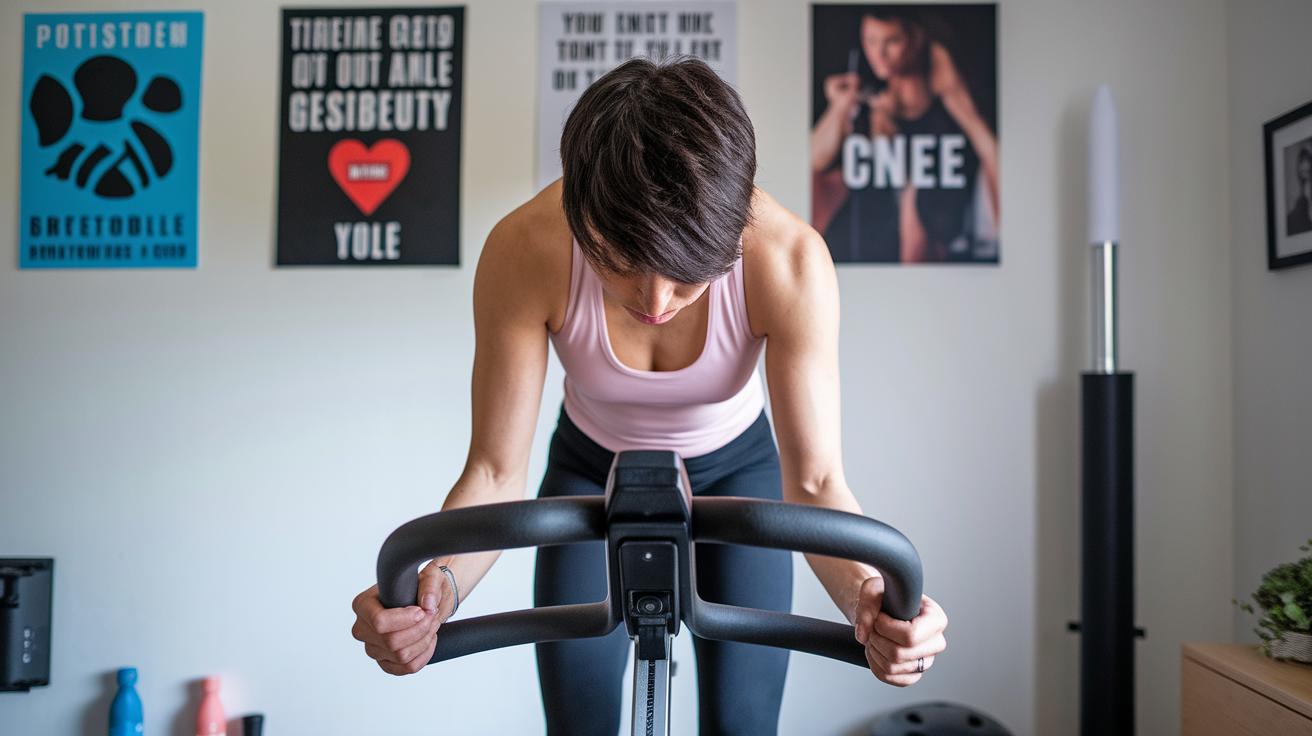
Both the stationary bike and the rowing machine help build your heart and muscle strength. Enjoy mixing up your routine to match your own pace, like racing against yourself and challenging your limits one small step at a time.
Stationary Bike Interval Drills
On the bike, try a 30-second fast sprint with high resistance, then rest for 90 seconds. If you're just starting out, you might want to sprint for 20 seconds and enjoy a longer 2-minute recovery instead. For those who are more experienced, you can cut your recovery by 15 seconds or crank up the resistance during your burst.
If your heart rate seems too low, check your bike settings. It might be time to add a little more resistance or switch to a tougher gear. A quick tip: adjust the resistance in small steps, just like shifting gears in a race, every little change counts.
Rowing Circuit Routines
For the rower, you can switch up the usual 500-meter row followed by a 1-minute break. Beginners may find a 300-meter row more comfortable, while seasoned rowers might opt for 750 meters or more. Keep an eye on your rowing form and tweak the drag factor (this setting controls how hard it is to pull the handle) if your effort feels too light or too heavy.
If you notice your stroke pace or rhythm faltering, pause briefly and then focus on your technique again. Try making gradual tweaks, much like tuning a musical instrument before a big performance. Small changes in resistance or drag can keep your workouts both fun and effective.
Designing Mixed-Modality and Progression Programs
Progression matters because gradually increasing the intensity of your workout helps your body get stronger and keeps your routine fresh. Rotating between machines like treadmills, ellipticals, bikes, and rowers gives you a chance to challenge different muscles and keeps boredom at bay. By mixing up your equipment, you can slowly boost speed, resistance, or incline, pushing your limits while lowering the chance of overuse injuries. This varied approach brings you the perks of both endurance and strength training, all while keeping your calorie burn high. A simple 4-day rotating schedule lets you concentrate on different training styles and gives each muscle group the rest it deserves.
Sample 12-Week Progression Plan
Start week 1 with 20 minutes of steady, low-intensity work on your favorite machine. In weeks 2 and 3, add about 2 extra minutes or slightly increase the resistance. By week 4, switch to a new machine to keep things interesting. Then, during weeks 5 to 8, rotate your machine each day, like using a treadmill one day, elliptical the next, bike on day three, and rower on day four, and gently raise the incline or speed as the weeks pass. In weeks 9 to 12, include short bursts of higher intensity during your steady sessions while also extending the overall workout time.
Keep a close watch on your heart rate, resistance levels, and workout duration so you can adjust the intensity and ensure you’re giving your muscles enough time to recover. This careful tracking helps fine-tune your program, supporting long-term progress and avoiding overexertion.
Exercise Form Essentials and Safety Guidelines for Cardio Machines
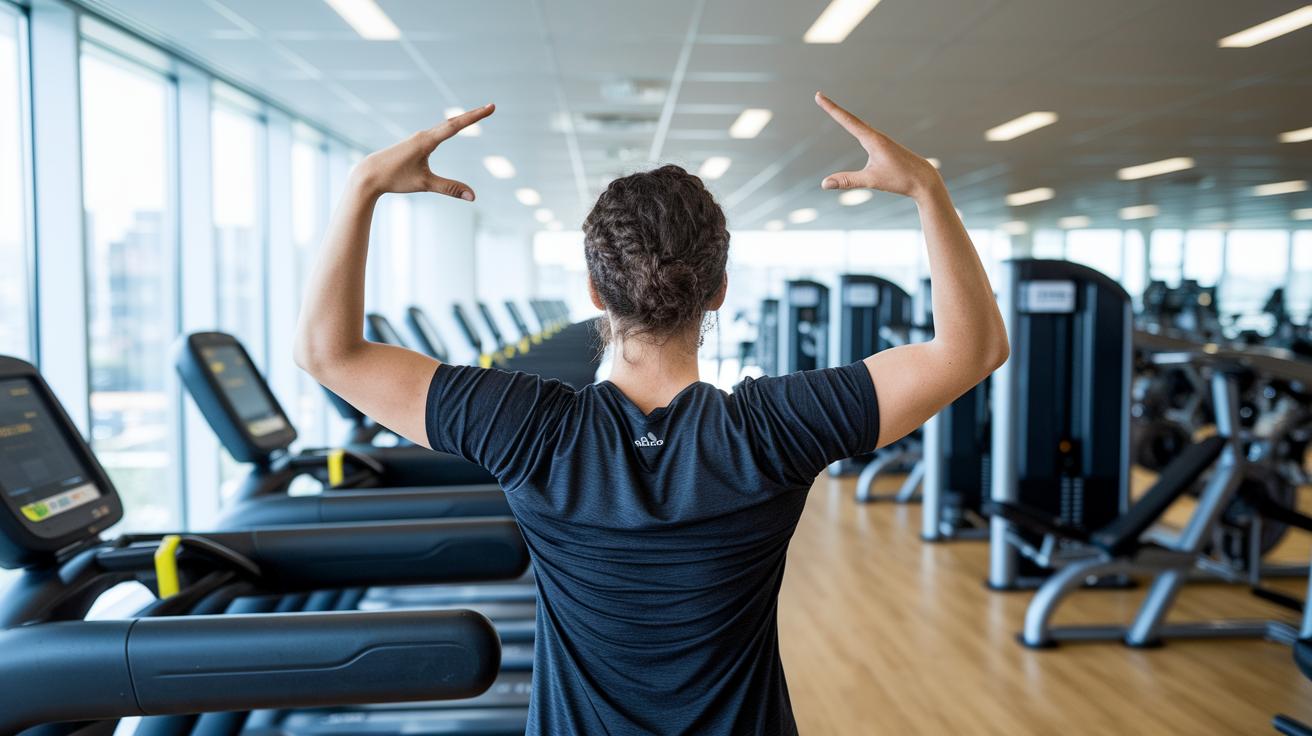
Begin your workout with a simple warm-up. Spend 5 minutes doing dynamic moves like leg swings and arm circles. Before jumping in, double-check your treadmill setup, make sure the emergency-stop clip is attached, grip the side bars if needed, and adjust the speed and incline so you feel comfortable. Think of it like a cyclist checking their gears before a big race.
As you exercise, keep your body in good alignment. Stand straight with a relaxed spine and a firm core, almost like you're posing for a favorite photo. When you're ready to cool down, take 5 minutes to pedal lightly or walk at a slow pace. Finish by doing gentle static stretches for your calves, quads, and hamstrings, kind of like taking a break to catch your breath after singing your favorite tune.
Final Words
In the action of boosting well-being, this article broke down effective routines that mix treadmill intervals, elliptical sessions, bike drills, and rowing schemes. We talked through safe setups, proper form, and gradual progression to build lasting routines.
Every section aimed to make cardio machine workouts simple and approachable. The insights shared help shape daily plans that not only burn calories but also keep you motivated to improve your overall health. Keep moving, and enjoy the positive shifts in your health every step of the way.
FAQ
What do cardio machine workouts PDFs typically include?
The cardio machine workouts PDF provides clear, step-by-step guidelines, exercise durations, and intensity recommendations that help users of all levels customize routines and track progress.
How does a beginner’s cardio gym workout plan cater to new users?
The beginner cardio gym plan simplifies routines with user-friendly machines, gentle intervals, and steady progressions that build endurance and boost overall cardiovascular health.
What does a 45-minute cardio workout at the gym involve?
A 45-minute session typically combines a warm-up, a period of peak intensity, and a cooldown, using machines like treadmills or ellipticals to maintain an elevated heart rate and burn calories.
Which workout machines are ideal for a cardio routine?
Treadmills, ellipticals, stationary bikes, and rowing machines work well for cardio because they offer adjustable intensities and varied movement patterns, supporting full-body engagement and efficient workouts.
How do cardio machine workouts support weight loss and fat reduction?
Cardio machine workouts, especially on treadmills and ellipticals, incorporate both steady and interval training to boost calorie burn and help reduce belly fat through targeted, heart-pumping exercise.
What is the 4-2-1 workout method in cardio training?
The 4-2-1 workout method divides exercise into intervals—four minutes of vigorous activity, two minutes of moderate recovery, and one minute of light effort—to optimize cardiovascular benefits.
What does the 12 3 30 cardio rule entail?
The 12 3 30 cardio rule means setting the treadmill to a 12% incline, a 3 mph pace, and walking for 30 minutes, offering a focused, low-impact workout that maintains heart health.
How do HIIT workouts, cardio and strength training, and toning exercises combine for overall fitness?
Combining HIIT bursts with strength training exercises like bench presses and toning routines creates a balanced program that burns calories, builds muscle, and enhances endurance in a well-rounded plan.

