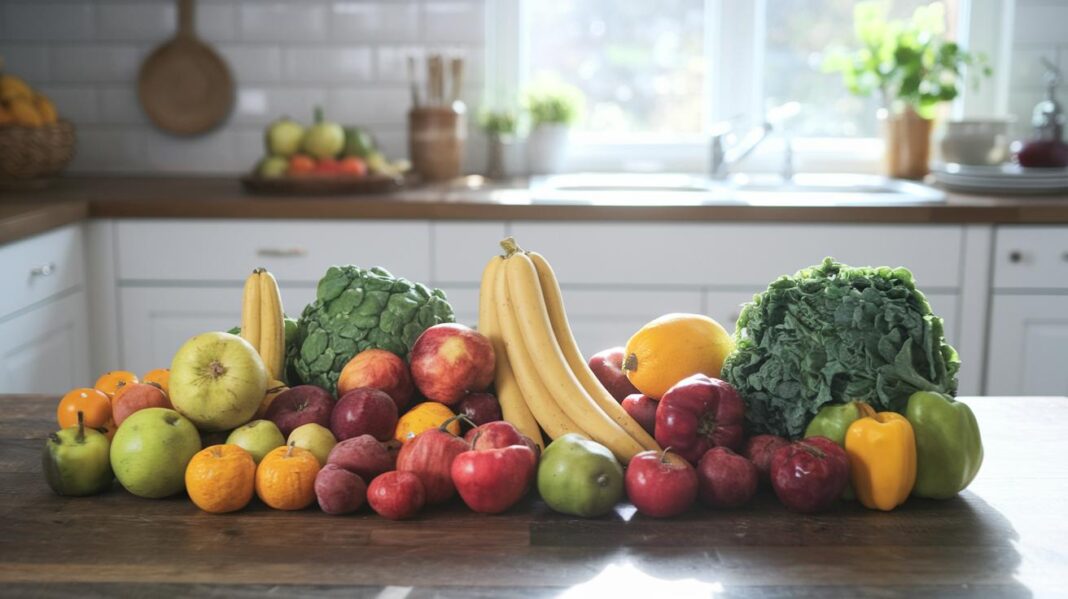
Ever wondered if what you eat might trigger a sudden, sharp pain? Gallstones are hard deposits that can block your bile ducts, and they affect over 9% of adults in India. A few simple changes in your eating habits and a bit of regular exercise could help keep your gallbladder running smoothly.
In this article, I'll share clear, easy steps to help you avoid the discomfort of gallstones and enjoy a healthier life. Stick with me to learn proven tips that protect your health while helping you feel your best.
Comprehensive Strategies for Gallstone Disease Prevention
Gallstones are hard deposits of bile that block ducts and cause sharp pain in your upper-right belly. They affect more than 9% of adults in India, so lowering the number and size of these stones is really important to reduce emergencies.
Eating a balanced diet is a big part of preventing gallstones. For example, swapping high-saturated-fat foods for lean proteins and olive oil helps keep your bile healthy. Adding a good amount of fiber, about 25–30 grams a day from whole grains, fruits, and veggies, can also help bile flow easily and lower cholesterol levels in the bile.
Lifestyle changes can make a huge difference, too. Regular, moderate exercise, like a brisk 30-minute walk, helps move bile through your system. Keeping your weight steady is key because losing weight too quickly can change your bile too fast and lead to gallstones. And if you smoke, quitting can lower your risk not just for gallstones but for other serious health issues as well.
Key risk factors you can change include:
| Risk Factor | What You Can Do |
|---|---|
| Poor Diet | Cut back on saturated and trans fats. |
| Rapid Weight Changes | Work on steady, gradual weight loss. |
| Smoking | Quit smoking to improve overall health. |
These simple, evidence-based steps work together to lower the chances of a gallbladder attack and keep your bile ducts healthy. By making slow, lasting changes in what you eat and how active you are, you’re not only protecting your gallbladder but also taking a big step toward a healthier life.
Understanding Stone Formation Causes in Gallstone Disease Prevention
Gallstones form when your bile gets loaded with too much cholesterol or bilirubin. When there's extra cholesterol, it can start to clump together into yellow-green stones, these are the most common. Sometimes, high bilirubin levels cause pigment stones, which aren’t as common but can still be a real problem.
Key factors that lead to stone formation include being overweight, quick changes in weight, and family history. Losing weight too fast can upset the mix in your bile and set the stage for stones. Certain liver issues can also change how your bile works, making stone buildup more likely. A diet low in fiber makes things worse because fiber helps keep bile acids in balance. When bile acids aren’t balanced, they can’t dissolve cholesterol properly, allowing crystals to grow into stones.
Think of your bile like a recipe. If you add too much cholesterol or skip on fiber, like omitting an important ingredient, the mix ends up off, and that can lead to stones. Understanding these causes is the first step toward prevention and a healthier gallbladder.
Dietary Guidelines to Deter Gallstone Formation
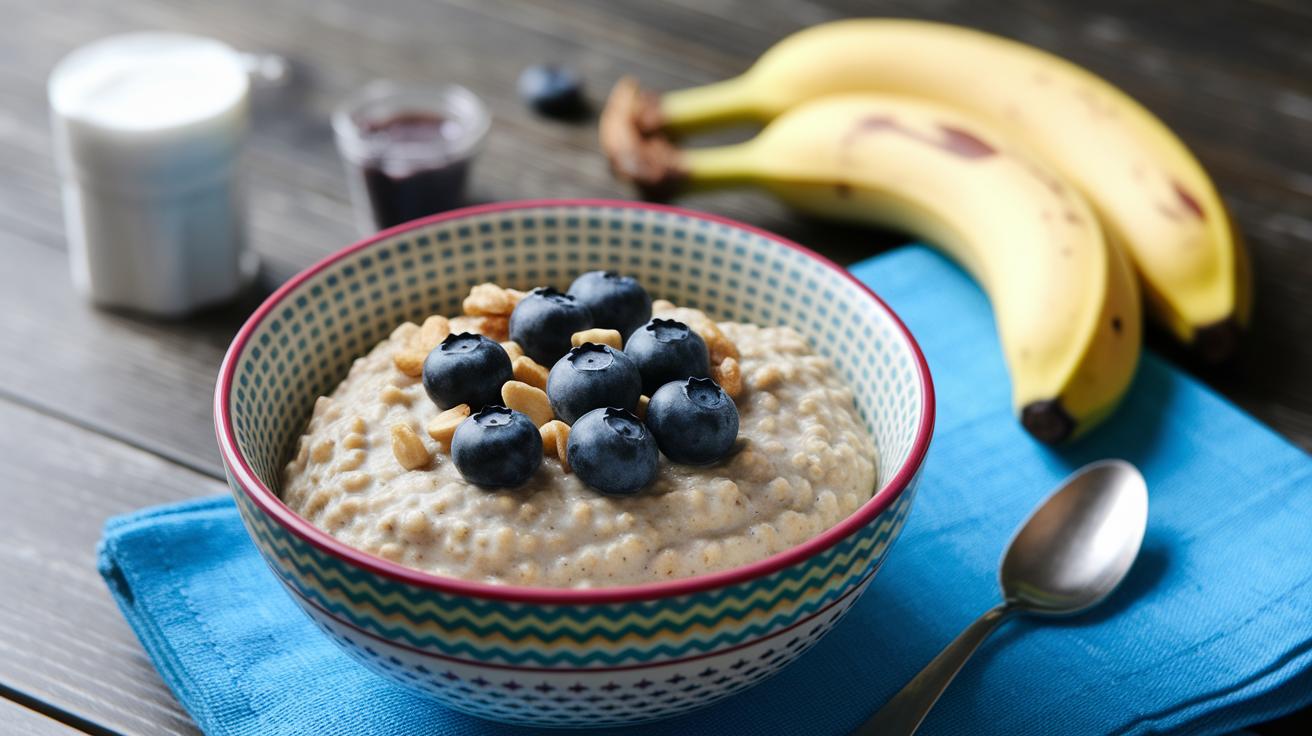
Eating a balanced diet is key for stopping gallstones and keeping you healthy. One important tip is to eat enough fiber. If you get under 25 grams a day, your bile can become too concentrated, which might lead to stone formation. Try to aim for 25–30 grams daily by adding whole grains, beans, and a variety of fruits to your meals. For example, did you know a bowl of oatmeal with blueberries can be both delicious and help keep your bile in check?
Cutting back on bad fats matters too. Instead of butter and red meat, go for olive oil and lean protein sources. Fatty fish, rich in healthy omega-3 fats (a type of good fat that helps control cholesterol), can also help your bile flow better. These swaps support your gallbladder by smoothing out bile flow and reducing the risk of stones.
Having small meals throughout the day makes a big difference. When you eat regularly, your bile stays active instead of pooling. Snacking on healthy, nutrient-packed foods every few hours can help prevent the buildup that might lead to stones.
Foods loaded with antioxidants, like leafy greens, berries, and nuts, help keep your bile acids balanced, which naturally guards against stone formation. Also, include low-fat dairy and lean proteins along with fiber-rich fruits and vegetables to cover all your nutritional needs for preventing gallstones.
Planning your meals ahead with a colorful mix of ingredients makes sure you get all the vitamins and minerals needed for healthy bile regulation. Rotating your food choices not only keeps your meals exciting, but also shows your commitment to a healthy gallbladder and overall well-being.
Lifestyle Modifications Against Gallstone Disease Prevention
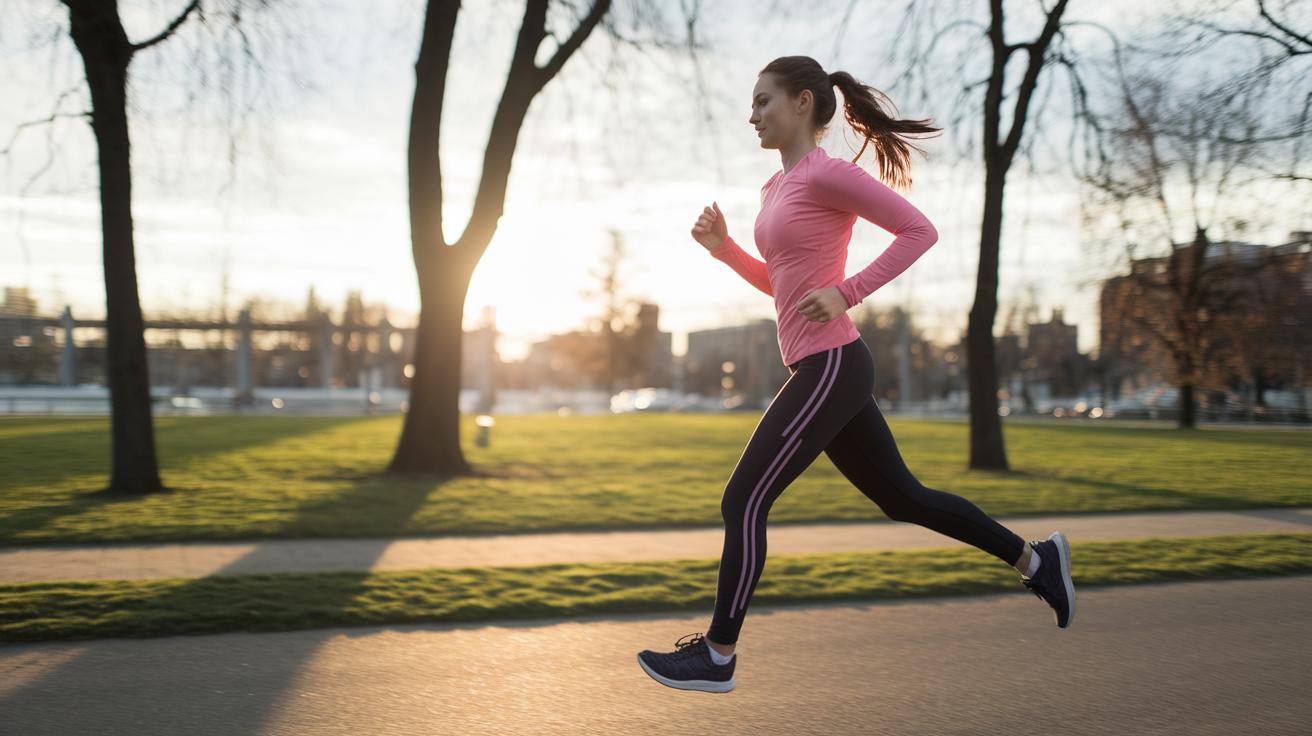
Regular, moderate exercise is at the heart of keeping your bile moving right. Even a 30-minute brisk walk or light jog every day can help your body keep a smooth, healthy rhythm. You can start small by taking a quick 10-minute walk after dinner. It’s a simple tip that helps your body digest food better and gives your gallbladder the support it needs.
Staying well-hydrated is another smart move. When you drink about 2 to 2.5 liters of water daily, your bile stays fluid instead of thickening with cholesterol. Think of it as a steady stream of refreshment for your body, helping every system work smoothly.
Managing stress is also key for keeping your gallbladder happy. When you’re under a lot of pressure, your bile may change its natural makeup. So, try using deep breathing, a bit of meditation, or even a gentle walk during a busy day. A great tip is to take three slow, deep breaths before an important meeting, this little pause can really help calm your nerves and reset your mood.
And don’t forget about healthy habits like quitting smoking. Replacing old routines with healthier choices can lead to lasting improvements for both your overall health and your gallbladder. These small changes add up, giving you a stronger body that’s better at managing bile and keeping gallstones at bay.
Weight Management for Biliary Health
Keeping your weight steady is one of the best ways to help prevent gallstones. Studies show that being overweight or losing weight too fast (more than about 1.5 kg or 3.3 pounds in a week) can upset the natural balance of your bile, a fluid that helps digest fats. Instead of jumping into crash diets, try aiming for a gradual loss of 0.5 to 1 kg per week by slightly lowering your calorie intake. This slower pace gives your body time to adjust without stressing your bile ducts.
Smart weight loss isn’t just about cutting calories, it also means adding in resistance training. Exercises like weight lifting or bodyweight workouts (think push-ups or squats) help you keep muscle while you lose weight, which in turn keeps your bile production steady. For instance, after a quick 10-minute warm-up, you might do a set of push-ups. This balanced approach takes care of both calorie control and muscle preservation.
It’s best to steer clear of very low-calorie diets (below 800 calories a day) and unsupervised bariatric surgery because they can cause sudden changes in your bile. Instead, consider teaming up with a healthcare professional who can help you build a safe, gradual weight loss plan that fits your lifestyle.
Other tips include:
- Keeping track of your progress with a diary or an app.
- Slowly adjusting your exercise routine over time.
- Taking a moment to celebrate every little win along your journey.
Recognizing Early Indicators for Early Intervention in Gallstone Prevention
If you suddenly feel a strong pain in your upper right belly that won't go away for hours, it might be a sign a gallstone is blocking one of the ducts. This sharp pain is one to take seriously, especially if you also feel nauseous, start vomiting, or notice the pain spreading to your shoulders or back. It’s like when a mild ache turns into a sudden, intense pain during a quiet evening at home, it’s a clear sign to see your doctor.
People who are at higher risk, for example, those dealing with obesity or metabolic syndrome, should think about getting routine ultrasound checks. Regular visits can catch changes early before they turn into a bigger problem. Chatting with a gastroenterologist in time could slow the condition from getting worse and help avoid complications.
Key signs to watch for include:
- Sudden, strong pain in the upper right part of your belly
- Nausea and vomiting, especially when the pain spreads to your back or shoulder
These early clues can give you a chance to act fast and keep gallstone problems at bay.
Natural Remedies and Herbal Support Against Gallstone Disease Prevention
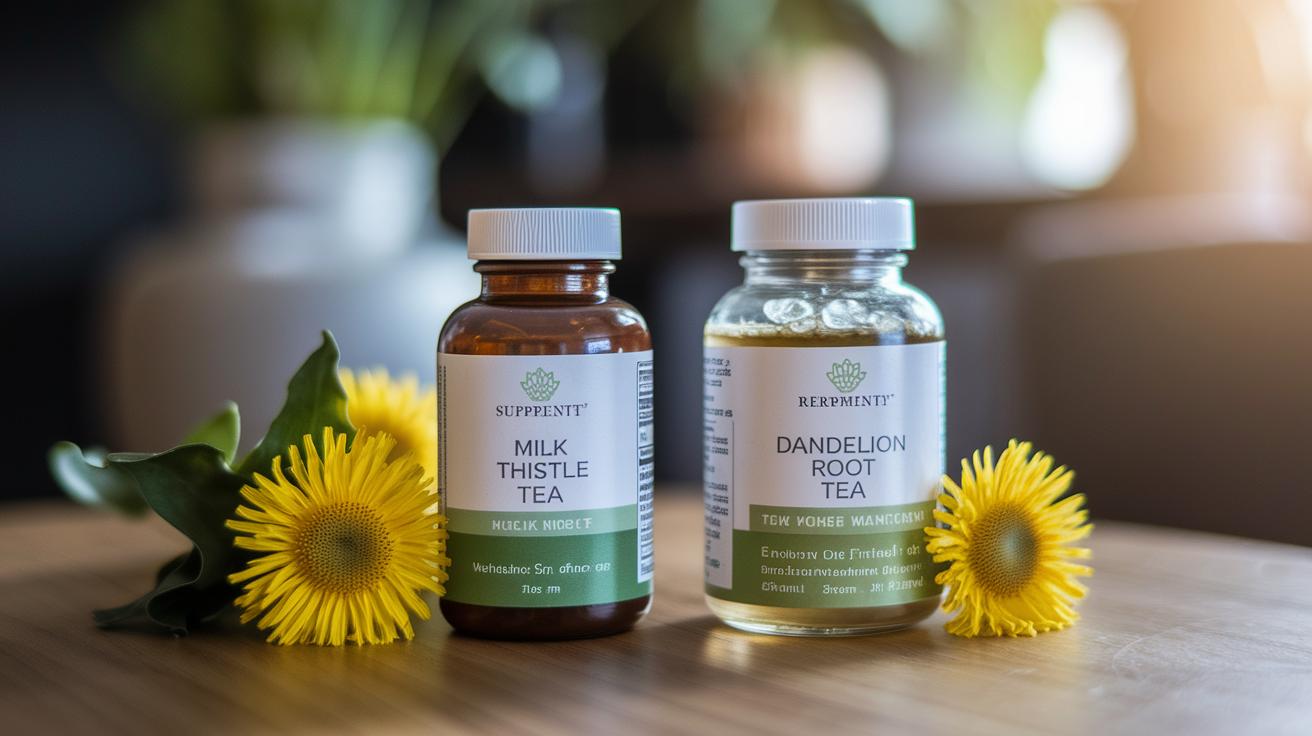
Natural remedies can give your body a gentle boost to keep bile in balance and your gallbladder healthy. Milk thistle, for example, has been used for centuries to help clear toxins from the liver, making it easier for bile to flow smoothly.
Herbs like dandelion root tea and turmeric work by improving bile movement. When bile flows better, it can help prevent cholesterol from clumping together into stones. And when you mix lecithin with vitamin C, it works to break down cholesterol in the bile, keeping it less concentrated and reducing stone risk.
Probiotics and digestive enzymes also play an important role. They help keep your gut in check and support the natural breakdown of bile acids. Together, these natural supplements create a balanced environment that helps lower the chances of developing gallstones.
A few key supplements to consider are:
- Milk thistle for liver detox and bile support
- Dandelion root tea and turmeric for better bile movement
- Lecithin with vitamin C to help emulsify cholesterol
- Probiotics and digestive enzymes for healthy gut and bile acid regulation
Final Words
In the action, this article explored practical steps to support gallstone disease prevention, showing how healthy diet changes and regular exercise can keep your body in balance.
We talked about steady weight management and spotting early symptoms to help reduce risks.
Natural remedies and herbal support were discussed as simple ways to ease discomfort and boost wellness.
By making these small changes, you can empower yourself to enjoy a healthier, happier life.
FAQ
Frequently Asked Questions
What are 15 foods to avoid with gallbladder issues?
The list of foods to avoid for gallbladder issues highlights items high in saturated fats, processed sugars, and trans fats, such as fried foods, high-fat dairy, red meat, and refined carbohydrates, which can worsen bile flow.
What are gallstones symptoms in females?
The gallstones symptoms in females can include intense pain in the upper right abdomen, nausea, vomiting, and discomfort that sometimes radiates to the shoulder or back, signaling potential bile blockage.
How can gallstones attacks be prevented?
The method to prevent gallstones attacks involves eating balanced meals, engaging in regular moderate exercise to boost bile flow, staying hydrated, and keeping a stable weight to reduce stone risk.
What does a 7-day gallbladder diet menu involve?
The 7-day gallbladder diet menu focuses on small, frequent meals that include lean proteins, whole grains, fruits, vegetables, and healthy fats, while avoiding fried and high-saturated food items.
How can gallstones be prevented during weight loss?
The approach to prevent gallstones during weight loss includes gradual weight reduction with a moderate diet, regular physical activity, and sufficient fiber intake to maintain a healthy bile balance during the process.
What are the worst foods for gallstones?
The worst foods for gallstones are items rich in trans fats, saturated fats, and refined sugars, like fried foods, processed meats, and high-fat dairy products, as they can promote stone formation and worsen symptoms.
How can gallstones be treated without surgery?
The treatment for gallstones without surgery can involve medications that help dissolve cholesterol stones, combined with dietary changes and lifestyle modifications aimed at enhancing bile flow and reducing new stone formation.
What causes gallstones?
The cause of gallstones is an imbalance in bile, where excess cholesterol or bilirubin leads to hard deposits in the gallbladder. Factors like obesity, rapid weight loss, genetics, and poor diets can contribute to this imbalance.
How can gallstone disease be prevented?
The key to preventing gallstone disease is maintaining a healthy weight, eating a fiber-rich balanced diet, participating in regular physical activity, and managing chronic conditions that can alter bile composition.
What exercises help prevent gallstones?
The exercises that help prevent gallstones include moderate activities like brisk walking, cycling, swimming, and resistance training, which can boost bile circulation and support overall digestive health.

