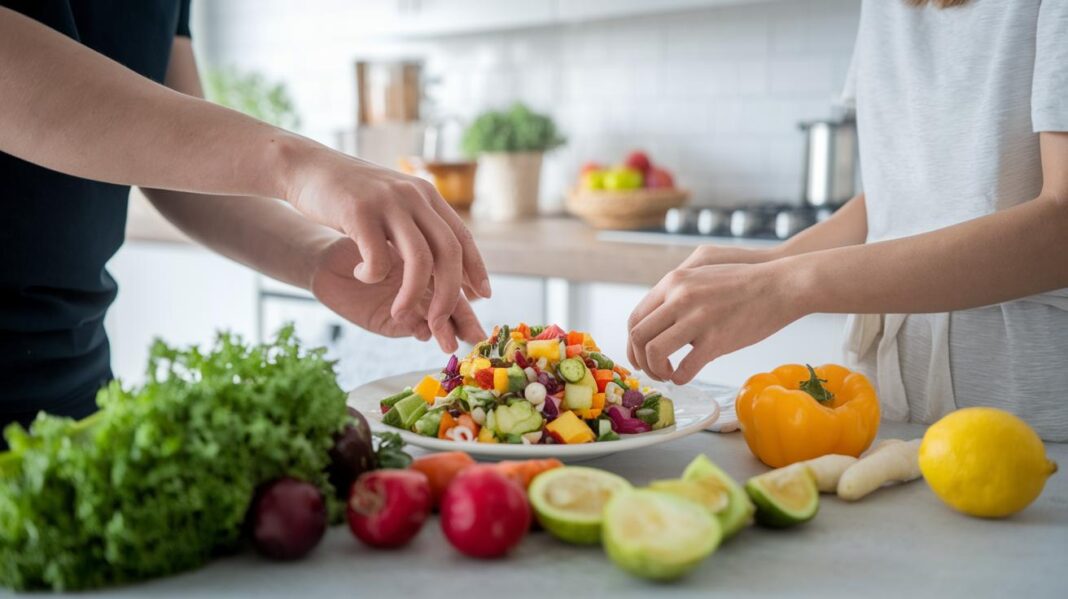
Ever worried that skipping meat might make you feel run down? Think again. A well-rounded vegetarian diet brings together vibrant fruits, vegetables, whole grains, and plant proteins to fuel your day the natural way.
This isn’t about cutting meat out for the sake of it. It’s about creating a lively, balanced menu that helps power you through every day, one simple, tasty meal at a time.
Core Principles of a Balanced Vegetarian Diet
A balanced vegetarian diet is all about enjoying a variety of colorful, plant-powered foods. It’s simple: pile your plate with fruits, veggies, grains, healthy fats, and proteins while leaving out meat, fish, and other animal products like gelatine. Did you know that a well-planned plant-based diet may lower your risk for obesity, heart disease, and type 2 diabetes? This happens by cutting down on saturated fats and boosting your intake of folate, fiber, and antioxidants. Plus, it’s a fun way to reach that goal of five servings of fruits and veggies each day.
At its core, this way of eating is about keeping things simple yet varied. Each meal should mix a bit of carbohydrates, proteins, and healthy fats to keep you energized and well-nourished. For example, whole grains give you the fiber you need, while fruits and veggies pack in vitamins and minerals that keep you feeling good. And don’t forget about healthy fats from nuts, seeds, or avocados, they help your heart and make it easier for your body to take in other nutrients.
When it comes to protein, there are plenty of options for vegetarians. Legumes, tofu, and dairy or plant-based alternatives help ensure you get the muscle-building protein you need without meat. Think of creating a balanced plate like solving a puzzle: every ingredient, from a crisp veggie to a protein-rich bean, fits together perfectly to boost your well-being.
Why not try out some new recipes that spotlight these elements? Imagine a refreshing dish of spinach, quinoa, and a squeeze of lemon, a simple combo that not only tastes great but fuels your day with balanced nutrition.
Vegetarian Macro Balancing and Protein Sources in a Vegetarian Diet
When planning vegetarian meals, it's important to keep a balanced mix of carbohydrates, proteins, and fats. Expert dietitians rely on detailed nutrition information to put meals together that meet your daily goals for calories, fiber, protein, and sodium. Usually, aim for 50 to 60 percent of your calories coming from carbs, 15 to 20 percent from protein, and 20 to 30 percent from healthy fats.
Here's a look at a dinner plan designed by a dietitian: One option provides 60 grams of fat, 67 grams of protein, 185 grams of carbohydrates, 32 grams of fiber, and 1,392 milligrams of sodium. Another dinner choice offers 63 grams of fat, 69 grams of protein, 180 grams of carbohydrates, 37 grams of fiber, and 1,251 milligrams of sodium. These examples show that you can get plenty of protein and good fats without needing meat.
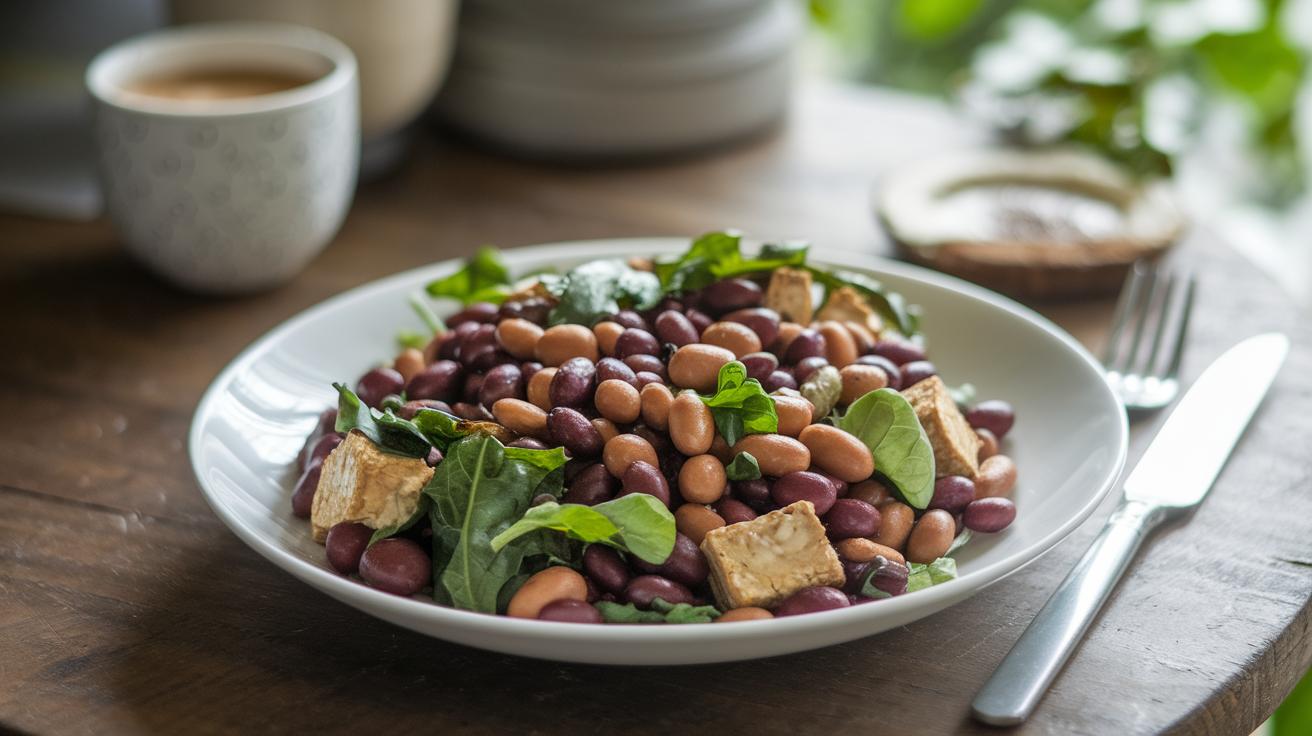
Some great protein sources for vegetarians include beans, tofu, and dairy or their alternatives. They help you easily hit your daily protein goals. Fun fact: Many vegetarians feel more energized when they add beans and tofu to their meals because these foods naturally balance out the macronutrients.
| Macro | Option 1 | Option 2 |
|---|---|---|
| Fat | 60 g | 63 g |
| Protein | 67 g | 69 g |
| Carbohydrate | 185 g | 180 g |
| Fibre | 32 g | 37 g |
| Sodium | 1,392 mg | 1,251 mg |
Key Micronutrients: Iron, Calcium, B12, and Omega-3 in Vegetarian Eating
Eating a vegetarian way is all about keeping your body fueled with the right nutrients. Adding iron, calcium, vitamin B12 (an important nutrient for nerve and blood cell health that you often find in animal products, so look for fortified foods) and omega-3 fats can make your meals truly balanced.
For instance, start your day with a breakfast like scrambled eggs or tofu kedgeree. These choices not only supply quality protein and vitamin D but also help you power up with essential vitamins to kick off your day.
Mid-morning snacks can be both yummy and good for you. Think about having fruit-topped toast, a fruit muffin, or a refreshing smoothie. These snacks are simple ways to help you meet your five-a-day fruits and veggies, plus they often add a little iron boost and vitamin D.
Calcium is a champion for your bones. You can grab it from dairy products or pick up fortified plant milks if you prefer a non-dairy option. When it comes to iron, lean on legumes and dark leafy greens; a dash of citrus juice with these foods helps your body soak up more iron.
Since vitamin B12 is mostly in animal products, vegetarians often need fortified foods or supplements. For heart health, a sprinkle of flaxseed or chia seeds can supply omega-3 fats and make a big difference in keeping your diet balanced and nutritious.
balanced diet for vegetarians: Energize Your Life
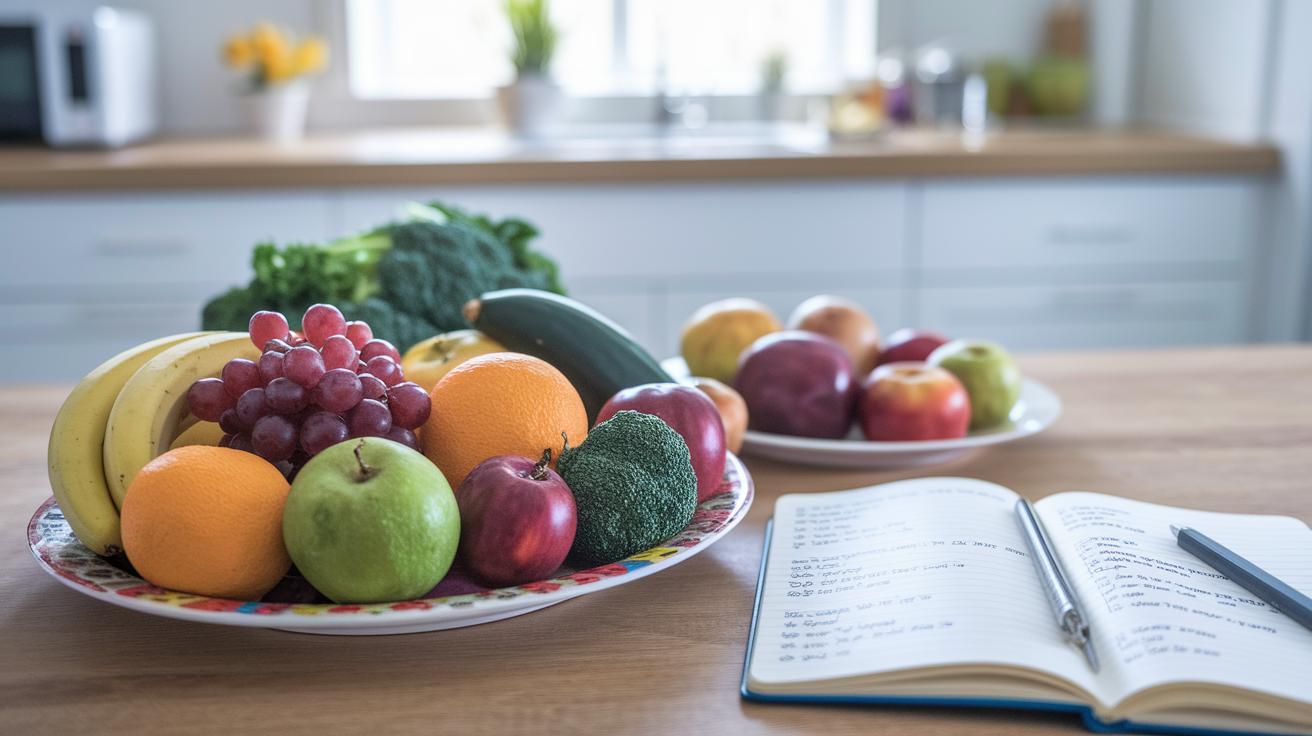
Plan your meals like you’re arranging a fun weekly schedule. The UK Eatwell Guide suggests eating at least five servings of fruits and vegetables every day with whole grains, beans, and pulses. Think of it as your roadmap for a burst of color and nutrients. You can also choose lower-fat, low-sugar, or dairy-free options to keep your meals light, tasty, and full of goodness.
Start by checking your daily energy needs using Reference Intakes (RIs), which help you track calories, fats, sugars, carbs, protein, and salt. It’s a bit like tweaking your favorite recipe, adjust the portions to fit your needs. For example, fill your plate with a mix of fresh veggies, whole grains, and protein-rich legumes or dairy alternatives.
Here’s a simple plan to make menu planning a breeze:
- Write down the five main food groups: fruits, vegetables, grains, proteins, and healthy fats.
- Pick portions that match your daily energy needs using RI guidelines.
- Mix and match ingredients each day to keep meals interesting.
- Prep portions ahead of time when you can.
Imagine planning your week like creating a cool playlist, each meal adds its own rhythm to your day. By setting daily targets and using simple portion sizes, you build a plant-based meal plan that not only meets your nutrient needs but also spices up your routine with variety and flavor.
7-Day Weekly Plant Meal Schedule for a Nutritionally Complete Vegetarian Plan
Meal planning for the week makes it easy to hit your nutrition goals. On Day 1, kick off your morning with a cool Blackberry Smoothie that packs 316 calories, follow it up with a hearty salad at lunch, and end the day with a dinner that offers between 399 and 477 calories to keep you on track with your fiber, protein, and sodium targets.
From Days 2 to 5, grab a ready-made Edamame & Veggie Rice Bowl for lunch. This dish offers a good mix of plant protein, fiber, and whole grains. Every dinner during these days has its own calorie and nutrient breakdown, giving you a fun variety while still staying balanced.
On Day 6, treat yourself to a colorful stir-fry loaded with veggies and tofu that fuels you for the day. And on Day 7, wrap up your week with a mix of grains, legumes, and fresh greens to meet all your nutritional needs.
| Meal | Calories |
|---|---|
| Breakfast | 316 kcal (Day 1 example) |
| Lunch | About 450 kcal |
| Dinner | 399-477 kcal |
Creative Nutrient-Dense Plant Recipes and Simple Meal Ideas

Imagine your plate as a blank canvas, ready for bright, delicious strokes of flavor and nutrition. Why not start your day with a plate of spinach protein pancakes? These pancakes mix nutrient-packed spinach with protein to kick-start your morning, and a spoonful of low-sugar fruit compote on top adds a sweet, fresh twist. Picture a stack of light, fluffy pancakes dotted with berries and bursting with goodness.
For a snack, try a simple toast spread with peanut butter and topped with banana slices. It’s an easy mix that provides protein, healthy fats, and plenty of energy to keep you going until your next meal.
At lunchtime, consider a warm bowl of red lentil, chickpea, and chili soup. This hearty soup combines fiber-rich legumes with soothing spices, creating a comforting meal that feels like a gentle hug on a cool day.
When it’s dinner time, why not enjoy an Italian-style veggie cottage pie? This dish layers fiber-rich vegetables, hearty legumes, and a smooth mash for a familiar twist on plant-based comfort food. And if you’re pressed for time, try batch-prepping an Edamame & Veggie Rice Bowl, a quick, nutritious option that doesn’t skimp on taste.
These ideas prove that a vegetarian diet can be delicious, nutritious, and fun. By focusing on whole grains, legumes, nuts, and fresh vegetables, you can create balanced, energizing meals that brighten every part of your day.
Healthy Vegetarian Eating Habits and Portion Control Strategies
Try spacing your meals out and paying attention to your hunger cues. When you feel a bit hungry, eat a little rather than waiting until you're too full. This mindful approach means slowing down and really tasting your food so you can listen to your body’s needs. For instance, if you crave something sugary, why not try a small serving of spiced seeds instead? Imagine a colorful bowl of warm spiced seeds that tastes amazing and keeps your energy balanced.
Here are some easy tips to keep your eating on track:
- Plan your snacks ahead so you don’t grab something less healthy when you're in a rush.
- Swap sweet treats for options like savory popcorn, low-fat cream cheese on crackers, or a fresh salad.
- Use smaller plates or bowls to help control your portions.
- Listen to your body’s signals, if you aren’t really hungry, hold off until your body gives a firmer cue.
These simple ideas can help you stick to a plant-based meal routine that keeps your energy even throughout the day. By focusing on both what you eat and how much you eat, you give your body the right fuel to keep going strong.
Final Words
In the action, we covered how a well-planned plant-based plan can support better health by balancing proteins, carbs, and fats while packing key nutrients like iron, calcium, B12, and omega-3. We saw how simple meal planning and creative recipes turn everyday meals into nourishing experiences. Smart portion control and regular snacking keep energy levels steady. All these tips work together to form a balanced diet for vegetarians that makes staying healthy approachable and fun. Enjoy feeling vibrant every single day.
FAQ
What does a 7-day vegetarian meal plan include and is it available in PDF?
The 7-day vegetarian meal plan lays out daily meals and snacks using fruits, vegetables, whole grains, and proteins. It’s offered in PDF format, making it easy to follow and adapt to your routines.
How does a balanced diet for vegetarians incorporate Indian recipes and meal planning?
A balanced vegetarian diet with Indian recipes mixes spices with vegetables, legumes, and whole grains. This plan brings diverse flavors and nutrients together for steady energy and overall wellbeing.
What are some balanced diet recipes for vegetarians?
Balanced diet recipes for vegetarians include dishes like hearty soups, veggie bowls, and protein pancakes that combine legumes, fresh vegetables, and whole grains to cover essential proteins, fiber, and vitamins.
What foods can vegetarians eat to achieve a balanced diet?
Vegetarians achieve balance by including legumes, nuts, fruits, vegetables, whole grains, and fortified dairy alternatives. This variety ensures they meet their macro and micronutrient needs for overall health.
How can a vegetarian maintain a balanced diet?
Maintaining a balanced vegetarian diet involves mixing food groups to cover carbohydrates, proteins, and fats while emphasizing whole, nutrient-packed ingredients such as leafy greens, beans, and fortified foods.
What is the 80/20 rule for vegetarians and how does it shape a healthy eating pattern?
The 80/20 rule for vegetarians means focusing on whole, nutrient-rich foods 80% of the time while allowing for occasional treats. This approach supports stable energy, balanced nutrition, and a flexible eating pattern.

