
Ever notice how little changes can really make a difference? High blood pressure affects so many of us, but simple choices like shedding a few pounds, adding more fresh fruits and veggies to our meals, and getting a bit more exercise can help take care of your heart.
In this post, we'll share easy tips that not only keep your blood pressure on track but also give you more energy and a stronger sense of well-being. Imagine feeling healthier and more vibrant just by making a few small changes today.
Effective Strategies for Hypertension Disease Prevention
High blood pressure touches many lives, but you can really control it with some simple everyday changes. Even tiny adjustments, like losing about 10 pounds if you weigh 200 pounds, can lower your risk of heart trouble and stroke. When you focus on things you can change, you’re taking a big step toward a healthier life.
Living a heart-healthy life is all about making practical choices. Adding a mix of daily exercise, a balanced diet, and ways to chill out can help keep your blood pressure in check. These simple actions not only make your heart happier now but might also mean fewer heavy treatments later.
- Weight management: Losing just a little extra weight lightens the load on your heart.
- Heart-healthy diet: Enjoy lots of fruits, vegetables, whole grains, and lean proteins.
- Regular exercise: Aim for daily moderate activity to keep your heart strong.
- Smoking cessation: Saying no to cigarettes helps protect your blood vessels and blood pressure.
- Moderated alcohol use: Stick to recommended limits so your body isn’t overburdened.
- Stress management and regular monitoring: Practice relaxation techniques and keep an eye on your blood pressure.
When you blend these steps together, you build a balanced, health-focused lifestyle. For example, regular exercise not only strengthens your heart but also eases stress and improves sleep, all of which help control blood pressure. Pair that with a nutritious diet and smart weight management, and you’re also keeping cholesterol and sugar levels in check. Plus, ditching smoking and limiting alcohol gives your body the best chance to stay healthy. In truth, these changes work together like pieces of a puzzle to empower you on your journey to a healthier and more energetic life.
Dietary Strategies for Hypertension Disease Prevention
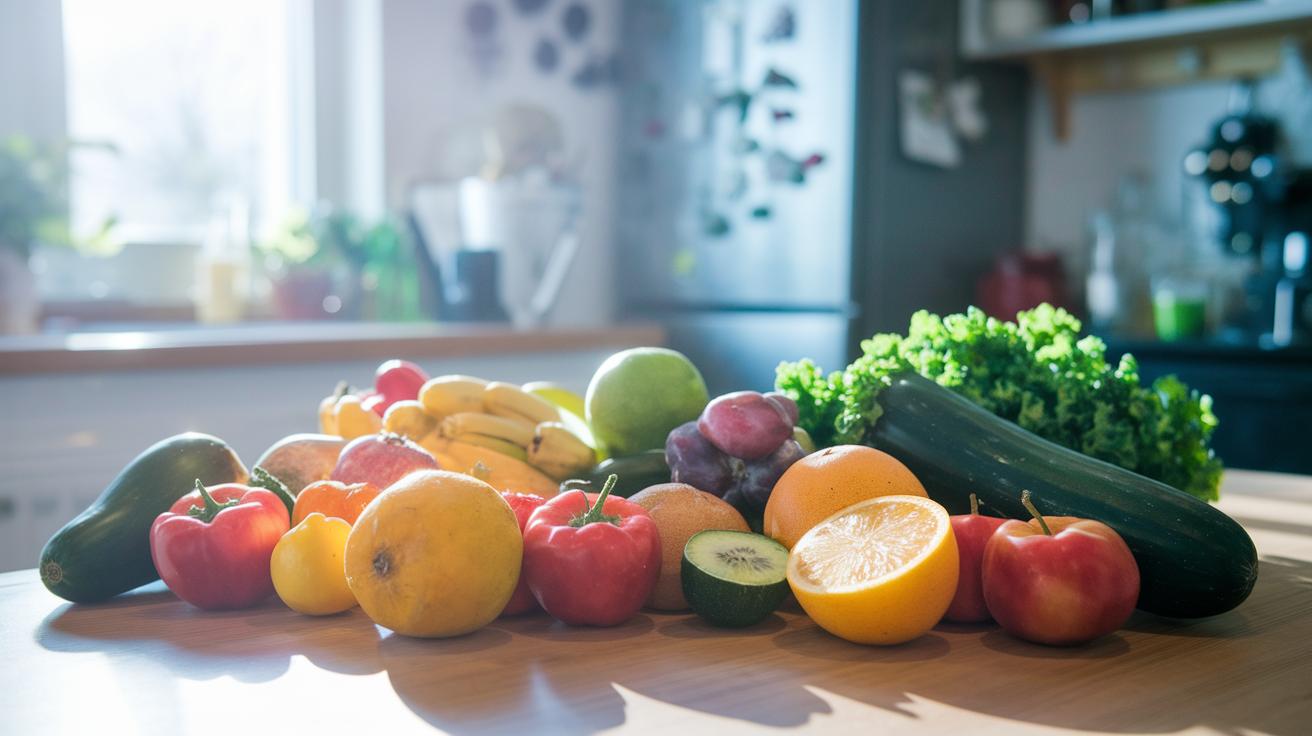
Changing the way you eat can give your heart a boost and help keep your blood pressure in check. For instance, following the DASH diet, which is designed to fight high blood pressure, has been shown to lower the top number of blood pressure readings by as much as 11 points. By focusing on fresh fruits, vegetables, low-fat dairy, lean proteins, and whole grains, and by cutting back on saturated fats, you create meals that are both tasty and kind to your heart. Keeping an eye on your salt intake is very important, too. Most adults should aim for less than 2,300 mg of sodium a day, and if you are more at risk for high blood pressure, it might be best to stay under 1,500 mg. With more than 90 percent of Americans eating too much salt, often from processed foods and restaurant meals, planning your meals carefully can really make a difference.
| Food Group | Recommended Servings | Sodium Limits |
|---|---|---|
| Fruits | 2-3 servings/day | Almost no added sodium |
| Vegetables | 3-4 servings/day | Less than 150 mg per serving |
| Low-fat Dairy | 2-3 servings/day | Under 200 mg per serving |
| Lean Proteins | 1-2 servings/day | Minimal sodium additives |
| Whole Grains | 3 servings/day | Modest natural sodium |
Making a habit of cooking with less sodium can really change your everyday meals. You can swap out salt for herbs and spices to add flavor, and it’s a good idea to check nutrition labels for any sneaky extra sodium. Cooking your meals from scratch using fresh ingredients and planning ahead can keep your food both flavorful and heart-healthy. If you’re looking for more practical tips, check out resources on healthy eating for high blood pressure. Every well-balanced meal not only gives you energy but also helps lay the groundwork for preventing high blood pressure and boosting your overall vitality.
Hypertension Disease Prevention: Energize Your Life
Staying active is like giving your heart a little boost. When you move, your blood vessels stay flexible and your heart works smart. Just 30 minutes of moving around a few times a week can really help lower your blood pressure. Mixing in light aerobics with some muscle work not only builds your strength but also helps you relax and sleep better. It’s like your heart gets a friendly reminder to run a little smoother.
Start with a brisk outdoor walk for about 30 minutes to get your heart pumping.
Maybe try a stationary bike for 20 or 30 minutes, you get convenience and a good workout at the same time.
At home, do a quick circuit of bodyweight exercises like squats and lunges to build muscle without stressing your joints.
If you have access to an elliptical machine, use it either at the gym or home; it gives you a gentle workout while keeping your heart rate steady.
And why not throw in a yoga session that focuses on balance and stretches along with some light cardio? It’s a great way to finish off your routine.
When you’re just starting out, especially if your blood pressure is a bit high, take it easy. Ease into your new routine with activities you like so it feels fun and not like a chore. Always warm up before and cool down after your workout to keep things smooth and safe. Listen to your body, if something feels off, it might be a sign to slow down or change things up. A relaxed pace that suits where you are now can do wonders for your heart without pushing it too hard.
Stress Management for Hypertension Disease Prevention
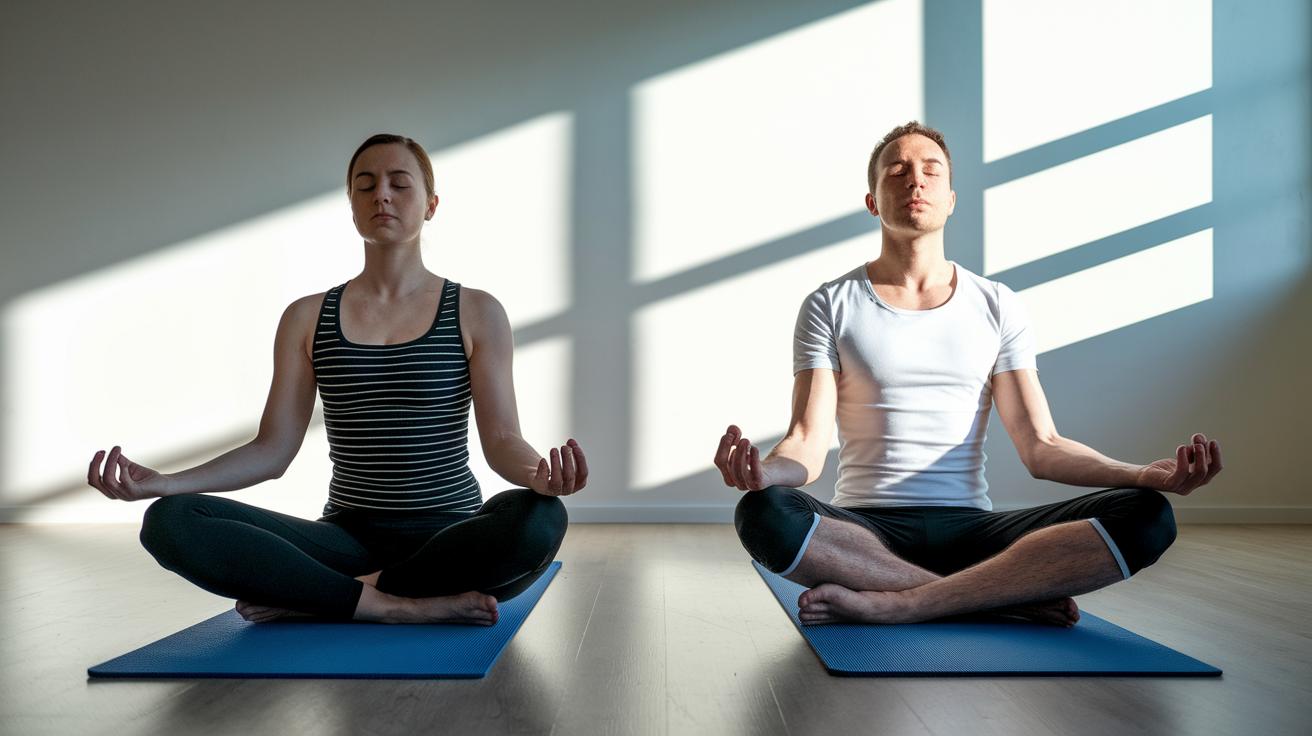
Stress can make your blood pressure rise by squeezing your blood vessels and making your heart work harder. When you feel stressed, your body lets out chemicals that tighten these vessels. Getting 7-8 hours of sleep every night and fitting in about 45 minutes of exercise can really help ease that pressure and bring a sense of calm.
Everyday stress can slowly wear you down, so finding time to relax is super important. Even a small drop in your systolic pressure by 4-6 mm Hg can make a noticeable difference in how you feel. Here are a few simple ways to help calm your mind and body:
- Guided meditation that helps you focus
- Deep breathing exercises to gradually lower your heart rate
- Mindfulness practices that keep you present
- Regular breaks to relax and reset
Adding just a few minutes of these practices into your day can help keep stress under control and support steadier blood pressure.
Monitoring and Early Detection in Hypertension Disease Prevention
It’s really important to keep track of your blood pressure, even when you feel fine. Most times, high blood pressure doesn’t show any clear signs until it gets dangerously high. By checking your numbers regularly, you can catch any changes early and take action before issues arise.
It helps a lot to know what your readings mean. For example, a normal reading is less than 120/80 mm Hg. An elevated reading falls between 120 and 129 over 80. Stage 1 hypertension is when your numbers are between 130–139 over 80–89, Stage 2 is 140 or more on the top or 90 or more on the bottom, and a crisis reading is over 180/120. Seeing where you fall helps you understand your heart’s health better.
Today, using home monitors, pharmacy kiosks, and digital devices makes keeping an eye on your numbers easier than ever. These gadgets are simple to use and often save your readings automatically so you can review them with your doctor during checkups.
For the best outcome, try to check your blood pressure at least once a month at home and follow your doctor’s advice for professional screenings. Regular checkups give you a trusted way to confirm your readings and update your prevention plan if needed.
Hypertension Disease Prevention: Energize Your Life

Everyone has their own unique health profile, so it makes sense to design your blood pressure plan just for you. Your age, gender, genes, and even the foods you enjoy can shape how you manage your heart health. Imagine finding a plan that fits you perfectly, maybe tweaking your workout routine or adjusting your meals so your body feels its best. Working hand-in-hand with your doctor to create these small, everyday changes can really add up over time.
Community support plays a big role, too. Local health checks and educational events bring neighbors together, proving that healthy habits are easier when you have a little extra encouragement. Public health programs, like nutrition workshops and group exercise sessions, offer practical tips you can use in your daily life. With these community efforts, everyone can share ideas and follow personalized guidelines, helping keep blood pressure in a safer range and building a healthier, more energetic community.
Supplemental and Natural Approaches for Hypertension Disease Prevention
If you're looking to add a little extra care to your heart-healthy habits, natural choices and supplements can be a great help. They work together with a good diet and regular exercise to gently balance your pressure without replacing the basics.
Studies have shown that omega-3 fatty acids can lower your blood pressure a bit. Magnesium and vitamin D might also help make your heart stronger and keep your pressure steady. Even some herbal options, like hibiscus tea or garlic extract, can offer a slight drop in high pressure. Remember, these benefits tend to be small and can be different for everyone.
Before you start any new supplement, have a chat with your doctor. This extra step makes sure that your new addition will work well with your current routine and meet your unique health needs.
Final Words
In the action, we explored practical tips that help manage weight, keep a heart-healthy diet, and boost physical activity, along with showing how mindful stress management and regular health checks play key roles.
We also touched on personal care and natural options, all working together for effective hypertension disease prevention. Each point reminds us that small, consistent steps make a big difference in keeping our daily vitality high and our hearts strong.
FAQ
How can I reduce high blood pressure immediately and keep it down?
Reducing blood pressure quickly means taking a moment to try deep breathing or a short walk. These steps can help lower your pressure, though long-term control comes from healthier daily habits.
What is primary prevention of hypertension?
Primary prevention of hypertension means making lifestyle choices—like eating a balanced diet, exercising, and avoiding smoking—to keep blood pressure from rising in the first place.
What are the primary, secondary, and tertiary prevention strategies for hypertension?
The three prevention levels refer to stopping high blood pressure from starting, catching it early through regular checks, and managing it well to prevent serious complications later.
Where can I find PDF or PPT resources on the prevention of hypertension?
Many health websites offer downloadable PDF and PPT guides that explain how to lower blood pressure through diet, exercise, and stress reduction in a clear, step-by-step way.
Is hypertension a preventable disease?
Hypertension can largely be prevented by maintaining a healthy lifestyle. By managing weight, eating well, staying active, and reducing stress, you can lower your risk significantly.

