
Have you ever wondered if a tiny tick bite might spoil your summer? In the U.S., nearly half a million people could end up with Lyme disease each year. Even a small bite can show up as a red rash or cause joint pain. One little slip-up might turn a fun outing into a health worry.
Our post offers simple tips anyone can follow to stay safe. Wear clothes that cover you up when you're outside, and take a minute to check yourself afterward. By doing this, you can lower your risk and enjoy your time outdoors with a clear mind.
Essential Measures for Lyme Disease Prevention
Lyme disease starts when a tiny bug called Borrelia burgdorferi gets into your body from a tick bite. Every year, almost half a million people in the U.S. catch it, even though only a small number get officially reported. You might see a growing red rash or feel joint pain in the early days. If you don’t take care of it right away, the disease can later hurt your joints, heart, or nerves.
When you’re out and about, it’s smart to take a few easy steps to avoid tick bites. Try wearing long sleeves and long pants during the warmer months. It also helps to choose light-colored clothes so you can spot ticks more easily. And don’t forget to use insect repellents that are approved by the EPA, like ones with DEET or permethrin. For instance, you might apply a repellent with about 20% to 30% DEET, which can keep ticks off your skin for several hours.
It’s also really important to prepare before you go outside. Treat your clothes with permethrin to add an extra layer of protection, and be sure to do a careful tick check once you’re back. Look at common spots like your underarms, behind your knees, around your waist, and on your scalp. Getting rid of ticks early can help you recover faster and lower your chances of getting sick.
Here are some simple steps to keep yourself safe:
- Wear light-colored clothes that cover your arms and legs.
- Use EPA-approved repellents on your skin and gear.
- Check your body carefully for ticks after spending time outdoors.
Every little choice, from picking the right fabric to checking for ticks right away, adds up to a strong shield against Lyme disease. By staying alert and following these steps, you protect yourself and help keep your body healthy.
Selecting and Applying Tick Repellents for Lyme Prevention
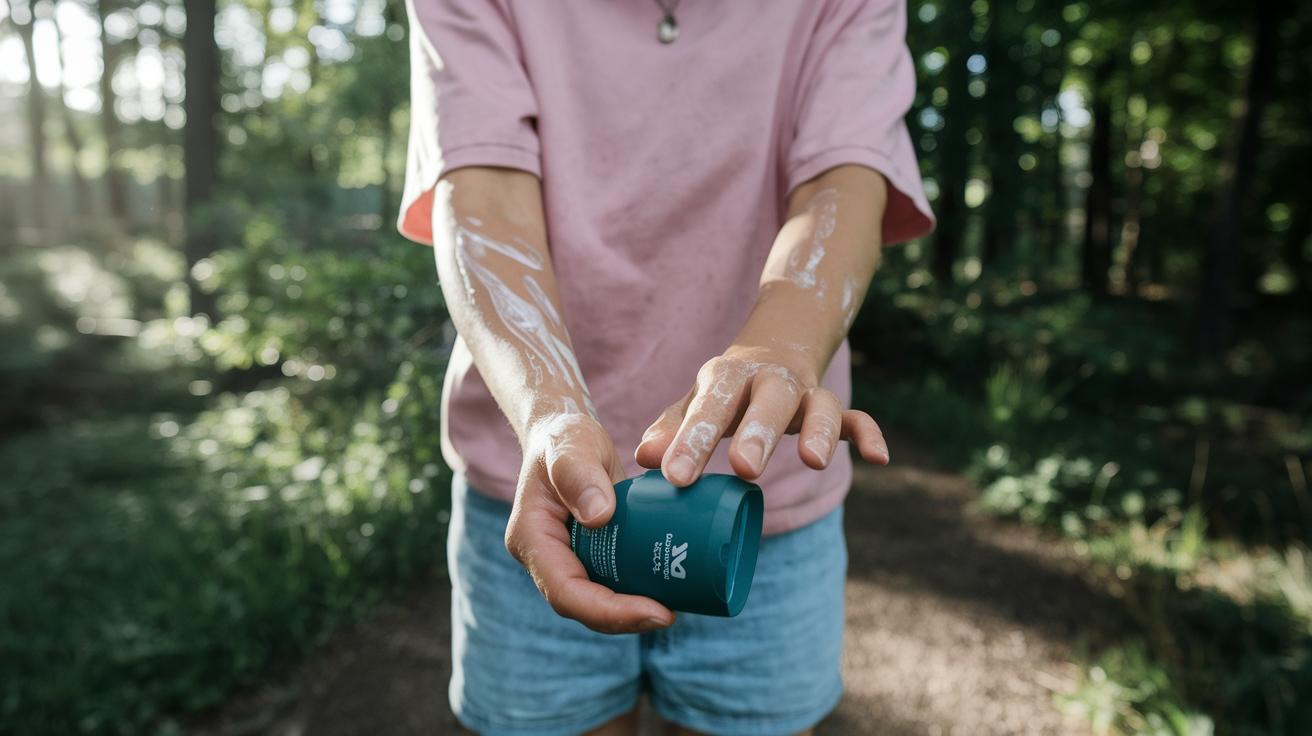
EPA-approved repellents work hard to keep ticks from biting by protecting your skin. Before you head out, try spraying a 25% DEET product on every exposed spot about 15 minutes in advance, you’ll feel much safer.
If DEET isn’t your favorite, alternatives like Picaridin can offer similar protection with a gentler scent. It’s a great pick if you’re sensitive to strong smells. Just remember that natural options, such as eucalyptus-based repellents, might wear off faster since they have less scientific backing.
For added security, treat your clothing and boots with permethrin. This special treatment creates another barrier against ticks and works well even after several washes.
Make sure to apply your repellent in an open, well-ventilated area, and if you’re sweating a lot, it’s a good idea to reapply. Taking these steps means you can focus on enjoying your day, knowing you’re well protected.
Protective Clothing and Gear to Deter Ticks
When you're outside, your clothes are your first defense against ticks. Choose long sleeves and wear light-colored fabrics so you can easily spot any ticks that wander onto you. Tuck your pants into your socks or boots to block ticks from reaching your skin. High-collar jackets and details like sealed seams also help keep ticks away.
A neat trick is treating your clothes with permethrin. Permethrin is a special chemical that adds an extra barrier against ticks. You can buy garments that come pre-treated or spray your own clothes. Even after a few washes, items like socks, gaiters, or whole outfits stay protected.
Also consider using gear with built-in repellent technology. For example, permethrin-treated socks and gaiters offer extra care for your ankles, a favorite spot for ticks. Using both physical barriers and chemical treatments gives you a strong shield and helps keep you safe while enjoying the outdoors.
Lymes Disease Prevention: Smart Tips for Safety

Even small tweaks around your home can really cut down on tick hiding spots. Start by tidying up your yard, clear out leaf piles, trim tall grass, and remove brush near your house and the edges of your property. These simple actions help reduce places where ticks and the critters that carry them can hide.
Here are some ideas to make your outdoor space safer:
- Clear away extra debris and trim back overgrown plants so ticks lose their warm, damp hiding spots.
- Lay down gravel or wood chips between your lawn and any wooded areas. This little barrier makes it tougher for ticks to wander over.
- Mow your lawn often to keep the grass short and less tick-friendly.
- Place play areas away from thick vegetation to lower tick exposure for kids when they’re outdoors.
- Consider adding deer fencing to keep wildlife (which often carry ticks) out of your yard.
- In high-risk spots, use tick-killing treatments (acaricides) following your local health department’s advice for safe use.
Local neighborhood clean-up events and public health programs can also raise awareness about ticks. Together, these yard care tips and community efforts not only help cut down on ticks but also keep families safer from Lyme disease. Tiny changes in managing your outdoor spaces can really boost your health and peace of mind.
Conducting Personal Tick Checks and Safe Removal Methods
After spending time outdoors, it’s important to do a careful check of your body to prevent any tick troubles. Find a well-lit spot and pay extra attention to under your arms, behind your knees, around your ears, on your scalp, at your waist, and near your groin. If you need help seeing those hard-to-reach spots, grab a hand mirror.
Here’s a simple routine:
- Check all the common areas where ticks hide.
- Look for small, dark spots that could be ticks.
- If you spot one, stay calm and take action quickly.
When you find a tick, use a pair of fine-tipped tweezers to grasp it as close to your skin as possible. Pull upward with steady pressure without twisting to make sure you remove it completely. After the tick is out, clean the area with soap and water or with some alcohol. Keep the tick in a sealed container in case you need to have it identified later.
Write down the date and where on your body the bite happened. Then, keep an eye out for any signs of an expanding rash (known as erythema migrans) over the next 30 days. If you notice any symptoms like a fever or unusual fatigue, contact your healthcare provider right away. These simple steps help you stay on top of your health and reduce the risk of tick-borne illnesses.
Prophylactic Antibiotics and Early Medical Interventions

Tick bites can be unsettling, so it's important to act quickly. If a tick has been attached for more than 36 hours and you live in an area where infection chances are high (over 20%), the CDC advises taking a single 200 mg dose of doxycycline within 72 hours, given that you don't have any issues with the medication. This quick step helps stop the bacteria from setting up camp in your body.
For those who receive a Lyme disease diagnosis, many doctors recommend an oral treatment with doxycycline or amoxicillin for two to four weeks. Pretty much everyone, over 95%, sees a full recovery when treatment begins promptly. And if the infection reaches your heart or nerves, doctors might suggest using antibiotics through an IV to manage severe symptoms.
Taking prompt action after a tick bite can make a huge difference. Imagine spotting a tick bite and quickly getting your dose of doxycycline, the simple, fast move can lead to a faster recovery and keep complications at bay. Always check in with a doctor as soon as any signs of infection show up because early treatment is your best defense.
Protecting Pets from Tick-Borne Risks to Safeguard Your Household
Keeping your pet safe means staying on top of tick risks all year long. Start by using products your vet trusts, like topical treatments, chewables, or tick collars. These everyday tools keep outdoor pests from bothering your pet and protect your whole family. In areas where Lyme disease is common, you might even chat with your vet about vaccines for your dog.
Make it a habit to check your pet's fur every day. Look in key spots such as behind the ears, around the neck, and by the tail. If you see a tick, remove it right away with fine-tipped tweezers, just like you would do for yourself. Ticks can sneak indoors on your pet, even after a fun day outside, so it’s wise to keep pet bedding clean by washing it often. A quick wipe with a damp towel after walks can help get rid of any unwanted hitchhikers.
Here are some simple steps to help protect your furry friend:
- Use vet-approved products every day.
- Check your pet’s fur and remove ticks as soon as you find them.
- Talk to your vet about vaccines and regular grooming tips.
Community and Seasonal Awareness for Lyme Disease Prevention

Tick activity peaks from late spring to early fall, especially when the nymph stage poses the highest risk. This season reminds us to plan our outdoor fun carefully and use protective measures. Local health departments often host clinics for tick testing and share bite safety tips so everyone stays alert.
Schools and camps can make a big difference by setting aside time for routine tick checks and training staff to spot any bites early. Meanwhile, clear signs in parks and friendly reminders on social media encourage people to check for ticks and use repellents whenever they head outside.
Community programs bring neighbors together to share simple safety tips and easy-to-follow advice. Local events even cover how to identify ticks and remove them safely, so everyone can act quickly when needed. This shared focus on seasonal prevention not only lowers the risk of Lyme disease but also builds a well-informed, caring community.
By coming together and supporting one another, neighbors can stay vigilant and prepared. These efforts create a safe environment where outdoor fun continues worry-free, and everyone knows the clear steps to keep ticks at bay.
Final Words
In the action of taking charge, the article breaks down effective methods that help protect against tick bites. It explains ways to dress smartly outdoors, use the right repellents, and keep up with routine self-checks.
It also covers simple yard changes, pet care tips, and early medical steps to keep everyone safe. Every bit of advice works together for strong lymes disease prevention, giving you solid steps towards better overall health.

