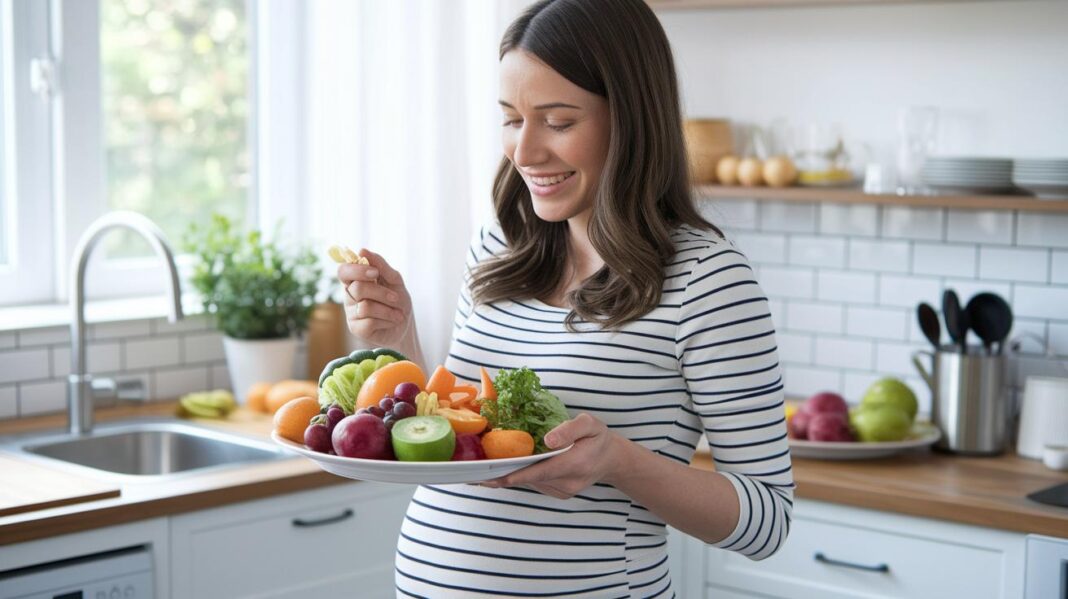
Have you ever thought that a balanced meal might be the secret to a happier pregnancy? Picture a plate filled with colorful fruits, crisp veggies, whole grains, proteins, and dairy, all coming together to give both you and your baby a burst of energy.
Imagine your favorite smoothie with an extra scoop of goodness; that little boost makes every bite count. A mix of vibrant foods can help build strong tissues, sharpen your mind, and keep your spirits high.
This guide shows how simple, everyday food choices can bring nourishment and delight to your pregnancy.
Core Principles of a Balanced Prenatal Diet
Pregnancy is a time to nourish both you and your baby with a colorful mix of everyday foods. A balanced prenatal diet means picking foods that help you feel good and support your baby's growth. It’s all about including fruits, veggies, grains, proteins, and dairy, with a twist: while the portion sizes stay the same, you might need more servings now to meet your higher energy needs. Think of it like adding an extra scoop to your favorite smoothie for an extra health boost.
Eating different types of foods ensures you get all the vitamins and minerals your body needs. When you fill your plate with a rainbow of fruits and vegetables, lean proteins like chicken or beans, and whole grains, you're setting the stage for healthy tissue growth, sharp brain development, and strong bones. Dairy and fortified alternatives give you that essential calcium to keep bones and teeth sturdy.
Staying hydrated is key during pregnancy. Sipping on water and milk throughout the day helps keep your body balanced, especially since your blood volume increases. And yes, steer clear of alcohol because even a little can pose risks to your baby's development. Also, try to avoid processed foods packed with sugar, fat, and salt since they add little nutrition and can lead to tricky energy spikes.
Before making any big changes to your eating habits, chat with your maternity care provider. And don’t forget about food safety, proper storage and thorough cooking go a long way in making sure every meal is a step toward a happier, healthier pregnancy.
Essential Nutrients and Key Food Groups for Prenatal Balance
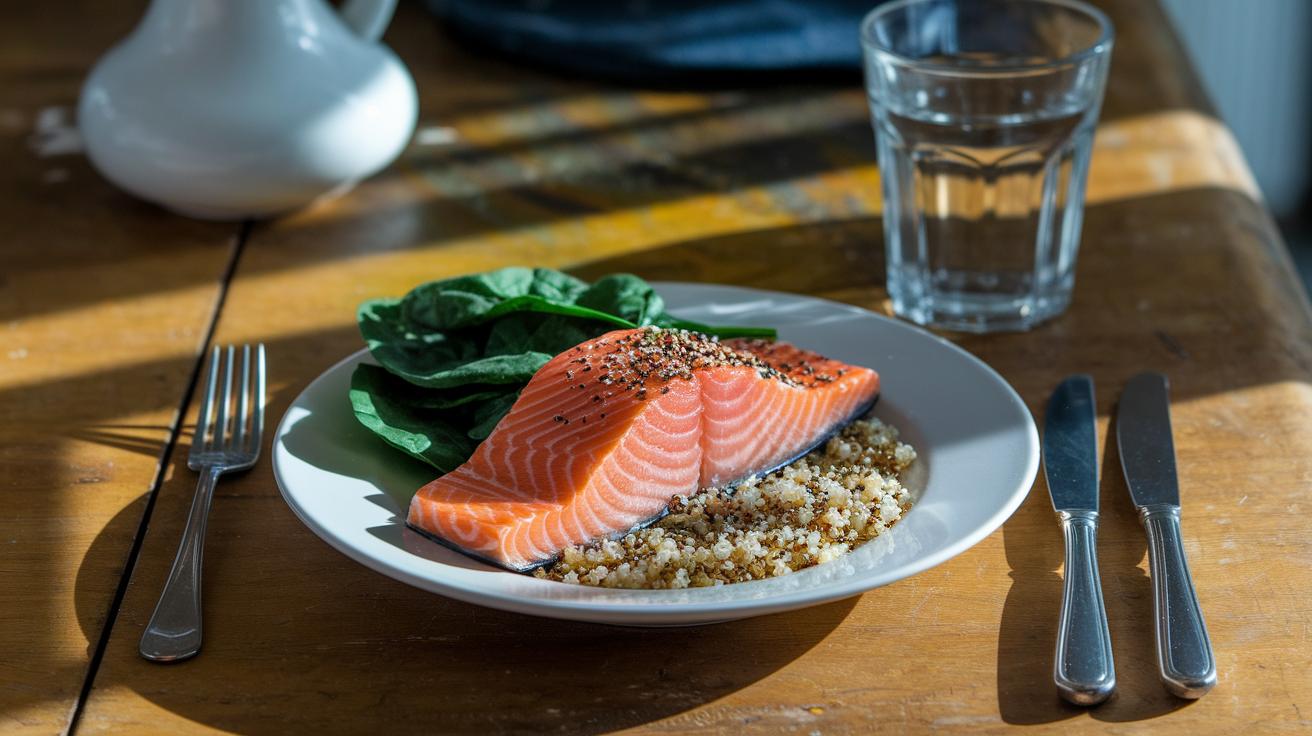
Protein is the building block for both you and your growing baby. Lean meats, chicken, and some types of fish are great sources that help form muscles and organs. If you prefer plant-based options, beans, lentils, and chickpeas not only offer protein but also add a good dose of fiber.
Iron is super important during pregnancy because it helps handle the extra blood in your body. Eating foods like lean red meat, spinach, and lentils can help you get around 27 mg each day. This iron helps fight off tiredness and supports your baby's development.
Calcium is needed to create strong bones and teeth for both you and your little one. Dairy products such as milk, cheese, and yogurt are excellent sources. Even fortified plant milks work well. Aim for about 1,000 mg of calcium daily to keep your bones sturdy.
Folic acid is another must-have nutrient during pregnancy. A daily dose of 600 µg helps lower the risk of birth defects in the early stages of your pregnancy. Leafy greens, beans, and fortified grains are all tasty ways to reach this goal.
Omega-3 fatty acids, especially DHA, are key for your baby’s brain and eye development. Enjoying foods like salmon, mackerel, or even a bit of fish oil can easily give you the needed 200–300 mg of DHA every day.
Don’t forget about whole grains! They provide B vitamins for energy and fiber to keep your digestion on track during this busy time.
| Nutrient | Recommended Daily Amount | Top Food Sources |
|---|---|---|
| Protein | 75 g/day | Lean meat, legumes, yogurt |
| Iron | 27 mg/day | Red meat, spinach, lentils |
| Calcium | 1,000 mg/day | Milk, cheese, fortified plant milk |
| Folic Acid | 600 µg/day | Leafy greens, beans, fortified grains |
| Omega-3 (DHA) | 200–300 mg/day | Salmon, mackerel, fish oil |
| Fiber | 28 g/day | Whole grains, fruits, vegetables |
Balanced Diet for Pregnant Women: Nourish with Joy
Early Trimester Strategies
When nausea knocks at your door, try nibbling on small, plain meals every 2 to 3 hours. Light snacks like a few low-fat crackers or a piece of dry toast can help ease that queasy feeling. Many moms find that a warm cup of ginger tea works wonders during these early weeks. And don’t forget to sip water or a mild herbal tea often, the little bursts of hydration not only calm your stomach but also keep your energy steady. For instance, a few bites of a banana with some whole grain crackers every couple of hours can be a real game changer.
Second Trimester Strategies
As you move into the second trimester and energy levels settle, it’s a great time to build plates filled with lean proteins, whole grains, and plenty of colorful fruits and vegetables. Try to include oily fish, like salmon, a couple of times a week to help support your baby’s growing brain and eyes. Boost your iron with foods such as spinach or beans, which help keep your blood levels strong. Picture a tasty meal of mixed vegetable stir-fry with lean chicken, served with a side of quinoa, a dish that gives you steady energy and loads of essential nutrients.
Third Trimester Strategies
In the third trimester, adding about 200 extra calories each day is a smart idea. Choose nutrient-dense snacks like creamy Greek yogurt or a handful of homemade trail mix. Keeping up with high fiber foods is important to ease digestion and avoid discomfort. Don’t forget to keep an eye on calcium and iron by enjoying foods like low-fat cheese and leafy greens. Imagine fresh apple slices spread with a little low-fat cheese, a simple snack that fuels you and supports your bone health during this busy time.
Nutritious Snack and Recipe Ideas for Expectant Mothers
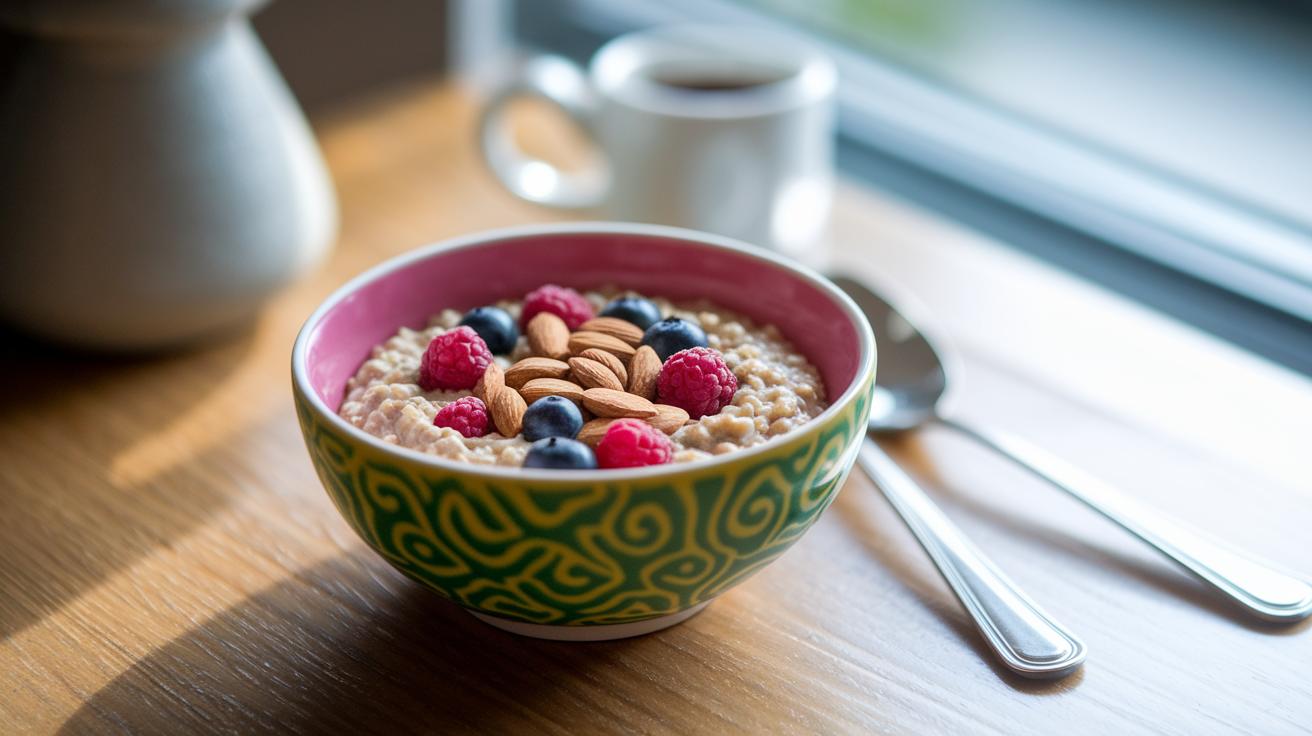
Brighten up your snack time with creative ideas packed with nutrients to boost your energy. Start your day with an oatmeal bowl layered with berries and almonds that delivers fiber, vitamin C, and healthy fats in every spoonful. Imagine avocado toast on whole-grain bread topped with sliced tomatoes; each bite gives you healthy fats and a steady boost to help you power through a busy day.
Next, try a green smoothie made with spinach, banana, and a scoop of protein powder. It’s an easy way to get a nutrient rush, including a good dose of fiber and essential vitamins. And if you’re looking for a twist on a classic, whip up a Greek yogurt parfait lightly sweetened with dried apricots for a balance of protein and natural sweetness.
Roasted sweet potato wedges dusted with paprika offer a fun crunch and plenty of beta-carotene. Hard-boiled eggs paired with whole-grain crackers bring a solid protein punch, while a homemade trail mix of nuts, seeds, and low-sugar dried fruits makes a satisfying snack on the go. These quick, healthy recipes are perfect for staying nourished and vibrant during your pregnancy.
Give these ideas a try to turn every snack break into a happy, nourishing moment.
Safe Foods and Avoidances in a Pregnancy Balanced Diet
When you're pregnant, being careful about what you eat is really important for both you and your baby. For example, raw or not fully cooked seafood might have bacteria that can make you sick, and cheeses that aren’t made with pasteurized milk might carry germs like listeria. It’s a good idea to steer clear of fish high in mercury because those can affect your baby's brain development. Even undercooked meat or a little alcohol can cause health problems, like foodborne illness or fetal alcohol syndrome.
Instead of processed foods loaded with salt, sugar, and unhealthy fats, try to choose foods that are full of nutrients. A diet built on wholesome, nutrient-rich ingredients helps boost your immune system and supports your baby’s growth. When you're getting ready to cook, make sure your kitchen is safe by cleaning surfaces, using different cutting boards for meat and veggies, and keeping perishable items at the right temperature. Cooking meats until they reach an internal temperature of 165°F helps stop any harmful bacteria from sticking around.
These small habits can really make a big difference. Even simple things like reading food labels and washing your fresh produce well can protect you and your little one. For an easy guide on what to avoid and what to pick instead, check out the table below.
| Prohibited Food | Associated Risk | Recommended Alternative |
|---|---|---|
| Raw seafood | Salmonella, toxoplasmosis | Fully cooked shrimp or salmon |
| Unpasteurized cheese | Listeria | Pasteurized cheddar or mozzarella |
| High-mercury fish | Risk to baby’s brain development | Salmon or mackerel |
| Undercooked meat | Foodborne illness | Cook thoroughly to an internal temperature of 165°F |
| Alcohol | Fetal alcohol syndrome | Water, milk, or herbal tea |
Hydration, Portion Control, and Lifestyle Tips for Prenatal Diet Balance

When you're pregnant, your blood volume can increase by almost 50%. That means your body really needs plenty of water. Try to sip water throughout the day to stay well-hydrated and help your body adjust.
Eating at set times can also boost your energy and keep your blood sugar steady. Even if you keep your regular portion sizes, think about adding a bit more from each food group to meet your extra nutrition needs during pregnancy.
Cooking your food in a healthy way makes a big difference too. Instead of frying, try steaming, grilling, or stir-frying with little oil. This keeps the natural flavors of your food and reduces extra fats.
Taking your time when you eat can support your digestion as well. Chew slowly and pause between bites. This little extra effort helps your body know when it's full and can curb those sudden cravings.
- Aim for 8–10 cups of water daily.
- Increase servings in each food group, even if your portion sizes remain the same.
- Use healthy cooking methods like steaming, grilling, or stir-frying with less oil.
- Eat mindfully by chewing slowly and taking small pauses between bites.
Final Words
In the action, this article broke down the key elements of prenatal nutrition, from core food groups and essential nutrients to trimester-specific meal planning and safe snack ideas. Each section highlighted easy ways to adapt daily routines and carefully select foods while boosting hydration and mindful eating practices.
The guidance provided makes it clear that a balanced diet for pregnant women offers practical tips to meet increased nutritional needs. Keep these tips in mind and embrace a positive, healthful routine every day.
FAQ
What is a balanced diet for a pregnant woman?
A balanced diet for pregnancy supports both mom and baby by including a mix of foods from all five food groups. This plan boosts energy and nutrient intake to help fetal and maternal growth.
How is a week-by-week or trimester-specific diet plan structured during pregnancy?
A trimester-specific plan adjusts foods based on changing needs—small, frequent meals ease first-trimester nausea, balanced macros help mid-pregnancy, and extra calories with fiber support the third trimester.
How should a meal plan be designed for the first trimester or the initial 1 to 3 months?
A first trimester meal plan focuses on small, bland meals every few hours with items such as crackers and ginger tea, along with nutrient-rich foods to ease nausea and maintain energy.
How does a balanced diet support pregnant women aiming to manage their weight?
A balanced pregnancy diet helps manage weight by using controlled portion sizes and nutrient-dense foods that keep hunger in check while providing the energy and nutrients needed for healthy growth.
Which foods should pregnant women skip?
Pregnant women should skip raw or undercooked meats and seafood, unpasteurized dairy, and high-mercury fish to lower the risk of foodborne illnesses and protect fetal development.
What should a pregnant woman eat to support having a beautiful, healthy baby?
A nutritious diet rich in lean proteins, whole grains, fruits, vegetables, and dairy supports fetal development and promotes the baby’s healthy appearance and overall wellbeing.
What is a healthy daily routine for a pregnant woman?
A healthy daily routine includes balanced meals, staying well-hydrated with 8–10 cups of water, light exercise, mindful eating, and regular check-ins with a healthcare provider.

