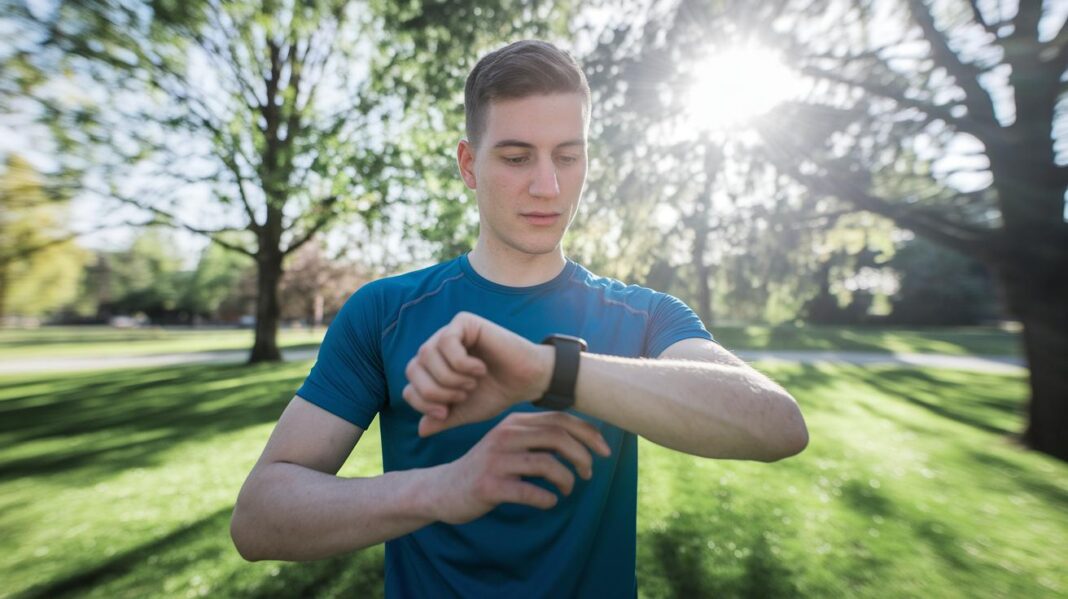
Have you ever thought that a little gadget might give your workout a boost? These fitness trackers take sensor data and turn it into simple tips, so you can easily see your heart rate, step count, and even your sleep quality. They can help you move up to 20% more each day by offering clear, useful feedback. They take all that complex info and make it simple, so you can track your progress and make better choices. Are you ready to see how this cool tech can boost your workout and help you feel healthier?
How fitness tracking technology delivers actionable insights

Fitness tracking devices take complicated sensor readings and turn them into simple, everyday insights. These wearables use sensors like accelerometers (which measure movement), gyroscopes (that detect rotation), and magnetometers (which help with orientation) to track your heart rate, steps, calories burned, and sleep patterns. They offer real-time monitoring that lets you see changes in your activity and health as they happen. And get this: some users have boosted their daily activity by as much as 20% just by getting feedback from their devices.
These gadgets also offer personal hints that help you make smarter choices. Imagine your tracker gently saying, "Your heart rate data shows you're pushing too hard today; maybe take a short break." This kind of friendly advice shows how wearables can help manage chronic conditions and keep you well day-to-day.
- Keeps a constant eye on your heart rate with smart analysis
- Counts steps and calculates calories burned using precise sensors
- Monitors sleep to give tips on recovery and rest
- Sends real-time notifications to guide your workout routine
- Offers reminders for managing chronic conditions
- Syncs easily with your smartphone for easy trend tracking
The impact of fitness tracking technology speaks for itself. With a market value of over $15 billion worldwide and 91% of users recommending these devices, millions rely on them to energize their workouts and boost overall health.
Evolution of fitness tracking technology from pedometers to smart wearables
Fitness tracking has come a long way. It all started back in the 1700s when Abraham-Louis Perrelet made the first pedometer, and later, Thomas Jefferson made some improvements. Imagine how exciting it was to see a simple step counter that paved the way for the cool gadgets we have today.
At first, tracking devices were pretty basic. Early models like hip-mounted trackers and wrist devices from brands such as Fitbit and Jawbone just counted your steps and simple movements. One user even shared, "My tracker only counted my steps, but it really helped me notice how active I was each day." It was a small step that sparked a big change.
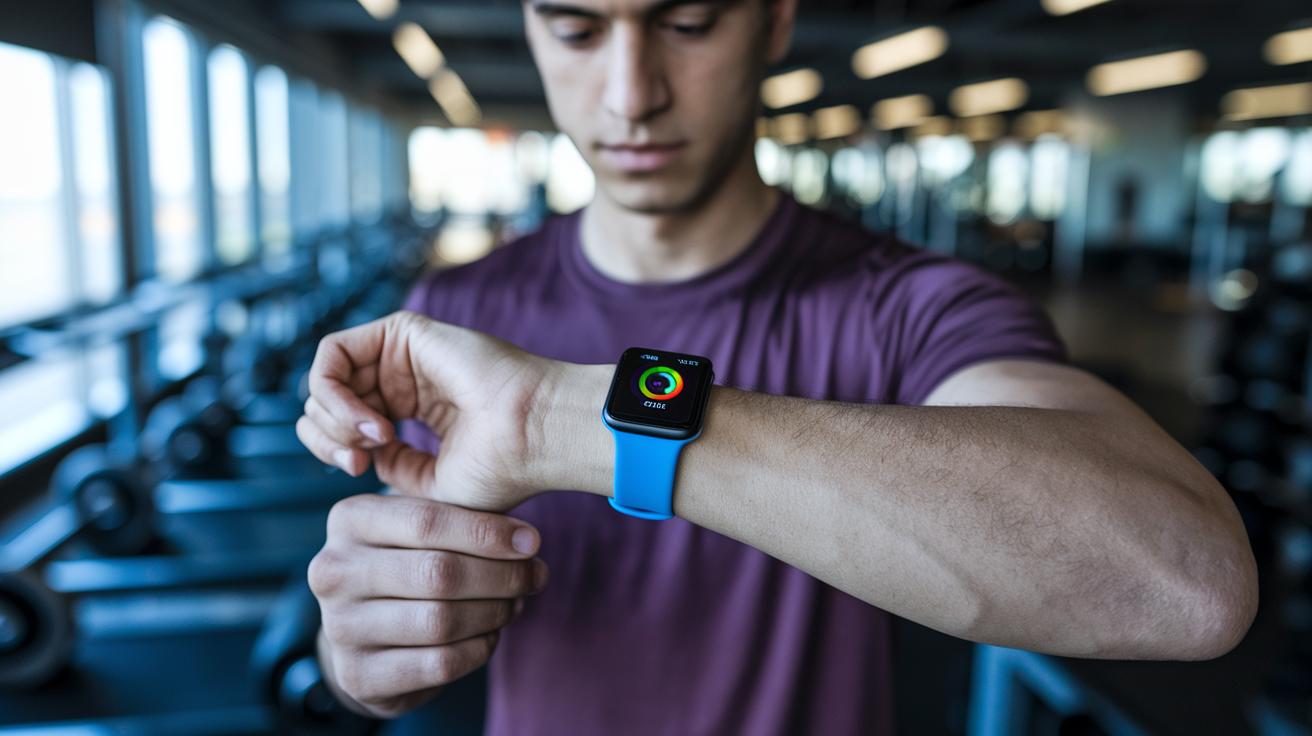
Then smartwatches entered the scene. Companies like Apple and Samsung turned fitness tracking into something much more interactive. Now, you get little notifications, app links, and even GPS tracking on your wrist. It’s like having a friendly coach reminding you to move throughout the day.
Today, we’re on the edge of another breakthrough. New forms like smart jewelry, finger trackers, and even AR/VR headsets are coming out. They promise not only to track your fitness but to make it look cool and feel immersive. It’s amazing to think how centuries of simple ideas have evolved into these high-tech tools that help us stay on top of our health.
Fitness Tracking Technology: Energize Your Workout
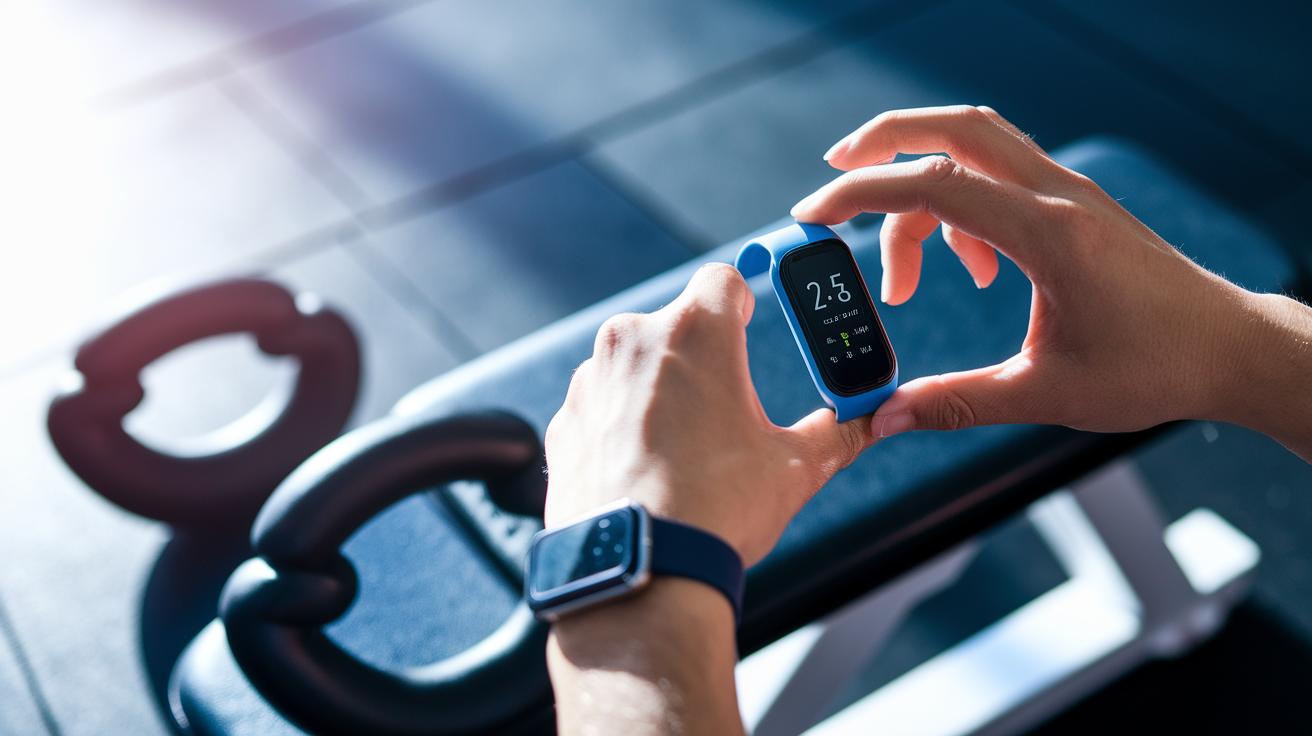
Today’s fitness trackers use clever sensors to turn your movements into clear insights about your health. They blend data from devices like accelerometers, gyroscopes, magnetometers, optical heart rate sensors, and GPS modules. Together, these tools give you a complete picture of your workout, helping you adjust your routine for better results.
Accelerometers count your steps and pick up every bit of movement. They measure changes in your motion so you can see exactly how active you are. It’s like having a mini coach that keeps track of every stride.
Gyroscopes notice when you rotate or change direction during exercise. They help you understand your body’s balance and alignment. This info can guide you in improving your posture and overall workout form.
Magnetometers work like a built-in compass. They figure out which way you’re headed, making route mapping during activities like running or cycling a breeze. Think of it as a friendly navigator that keeps you on track.
Optical heart rate sensors keep an eye on your pulse around the clock. They shine a light on your skin to see how fast your heart is beating. This helps you know when you’re working hard enough or if you need to ease up.
GPS modules track where you go by connecting with satellites. They mark your path and let you know how far you’ve traveled. Imagine having a personal guide that maps out every mile of your workout.
Each sensor adds a little extra insight, making your workout smarter and more connected.
Processing fitness tracking data: analytics and app integration

Fitness trackers help you keep an eye on your daily activity, heart rate, and sleep habits. They send this raw information wirelessly to your phone or computer using Bluetooth or Wi-Fi. This constant flow of data lets you see how your body is working during your workout. Sometimes, your app might show a friendly message like, "Your heart rate is in the perfect zone, great job!"
Once the data reaches your device, it turns into easy-to-read charts and helpful numbers. These visual tools let you track your progress over time and spot patterns, like when your pace speeds up or when you might be pushing too hard. With these clear visuals, comparing your workouts becomes simple, helping you see when you’re improving or when a small change could make a big difference.
Your data then syncs to the cloud, so you can access it on any device, whether you're using your phone, tablet, or computer. Strong encryption and security measures keep your personal health details safe. With everything in one secure spot, managing your fitness feels easy and inspiring.
Comparing top fitness tracking devices and platforms
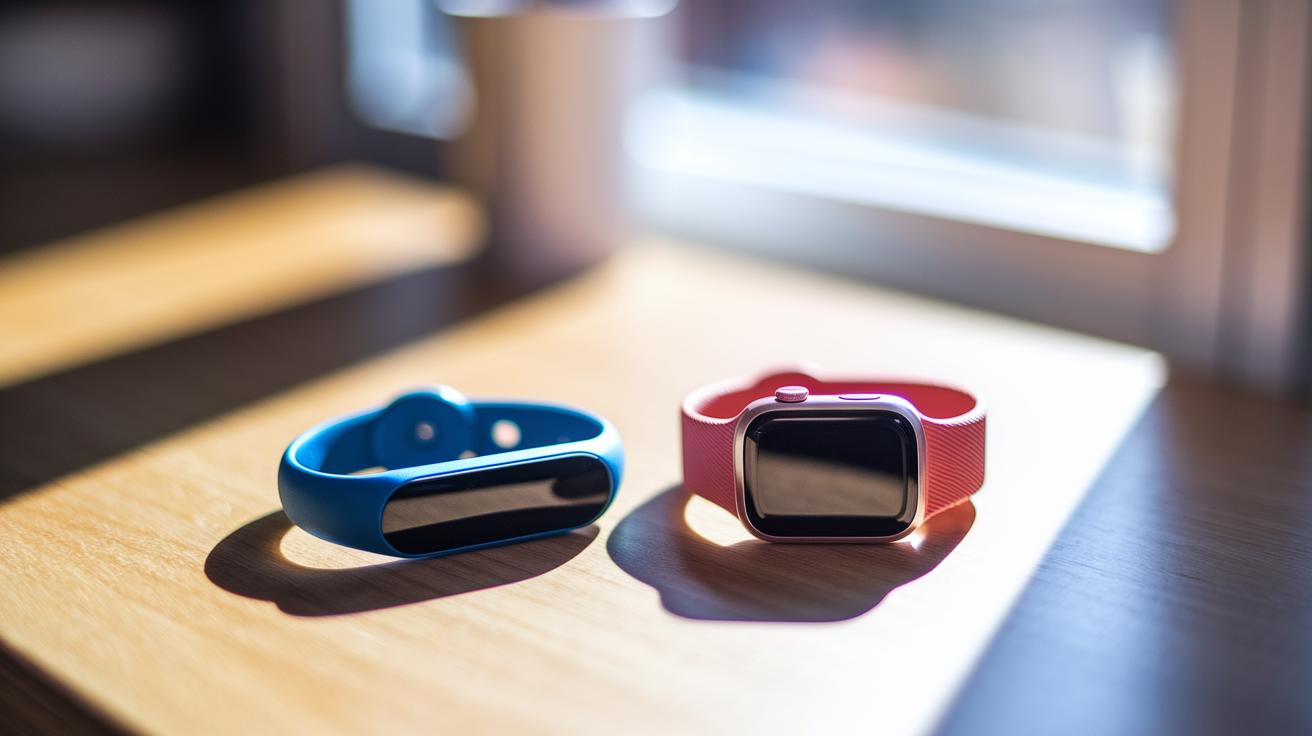
Fitness trackers come in many shapes and sizes, each one designed to fit a unique lifestyle. There are simple models that just count your steps and more advanced smartwatches bursting with helpful features. They all offer neat benefits like long-lasting batteries, waterproof builds, and cool connectivity options to match your activity style.
Basic Activity Trackers
Basic activity trackers keep it simple by measuring steps and calories burned. They give you an easy way to check your daily movement without confusing extra functions. A lot of people love these gadgets because their design is straightforward and they’re super simple to use, a perfect start into wearable tech.
GPS-Enabled Exercise Trackers
GPS-enabled exercise trackers use satellite signals to give you accurate maps of your workouts. They record your location and distance during runs or bike rides with great detail. If you like seeing the exact route you took, these trackers mix performance stats with solid GPS features to boost your outdoor sessions.
Smartwatches
Smartwatches do much more than count steps. They bring app notifications, real-time heart rate monitoring, and lots of useful sensor features right to your wrist. With a friendly interface and smart controls, these devices give you a full picture of your health. For instance, the Canyon Otto SW-86 stands out with its stylish design and strong connectivity, making it a smart choice for an active life.
Fitness Bands & Hybrids
Fitness bands and hybrid models offer a blend of style, essential functions, and affordability. They are perfect for everyday use and sports tracking, balancing basic tracking with extra perks like longer battery life and modern connectivity. These trackers are great if you need a device that can smoothly move from work to play and workouts.
Comparing these devices makes it clear that each one is built for a different need, whether you want something simple, a tracker with precise outdoor mapping, a full-featured smartwatch, or a versatile and budget-friendly option. By looking at features such as battery life, waterproofing, and the ease of use, you can pick the right gadget to boost your workouts and keep you connected throughout your day.
Tips for choosing the right fitness tracking technology
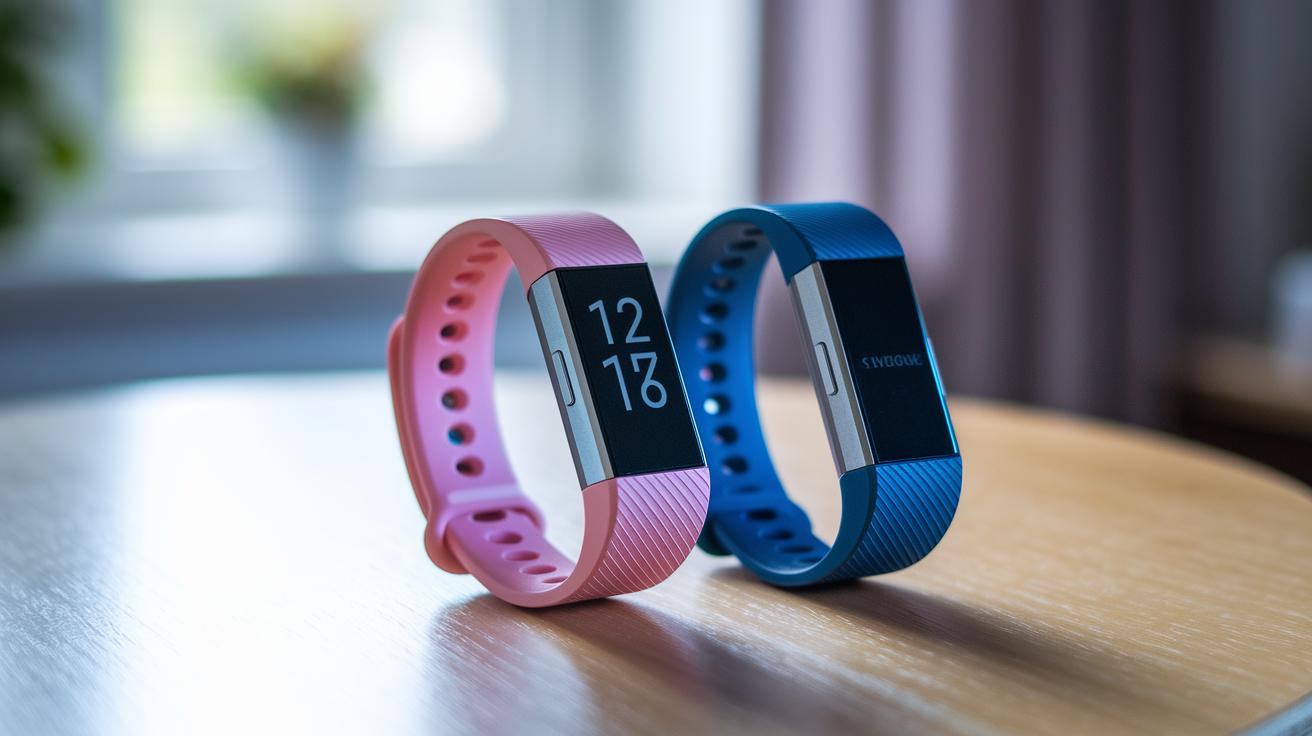
Picking a fitness tracker can feel a lot like choosing the perfect workout buddy. Think about what you need from your device. Do you want a tracker that works on its own, or one that connects to your smartphone for GPS tracking? Look for models that monitor your heart rate all day long, not just count steps. Also, check out the battery life, waterproof features, and how easy it is to use so you can set up a fitness plan that fits your life.
- Compare devices that use your smartphone’s GPS with those that stand alone to see which one gives you the best accuracy.
- Decide if you need a device that constantly monitors your heart rate or if simple step tracking is enough for your workouts.
- Consider the battery life and waterproof features depending on where and how you exercise.
- Make sure the device’s interface is simple and friendly so you can easily check your progress.
- Pick a tracker that matches your personal goals and your budget, giving you a reliable tool for your health journey.
By keeping these tips in mind, you'll be well on your way to choosing a fitness tracker that boosts your workouts and supports your everyday health goals.
Future directions in fitness tracking technology
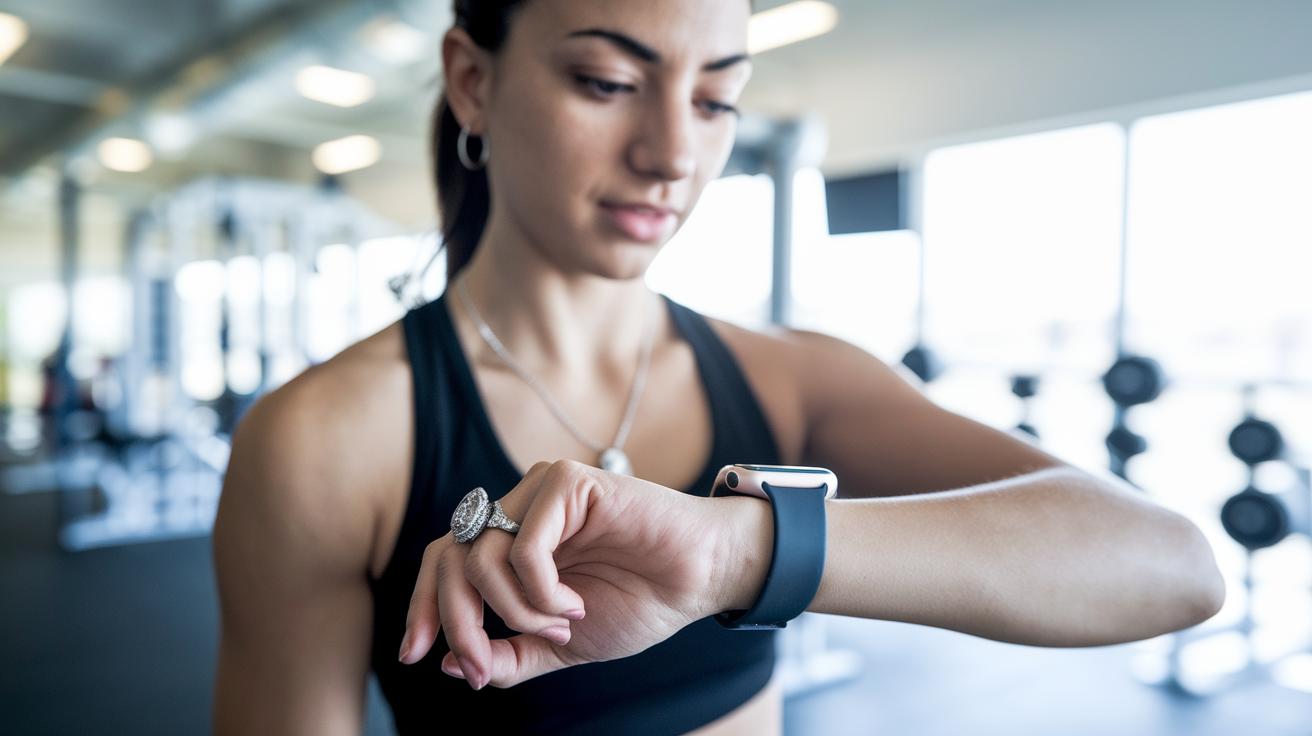
New research is taking fitness tracking well beyond the traditional wrist device. Designers are putting tiny sensors into things like rings and pendants so you can wear them as stylish jewelry. These smart devices use gentle motion sensing to track your steps and heart rate without any fuss. They even let you check your workout stats quickly while looking great with your everyday clothes.
Imagine working out while a virtual coach pops up right in front of you. Augmented and virtual reality headsets are starting to do just that. They show you real-time data like your pace, form, and intensity, all without having to stop moving. With simple hand gestures and subtle motion sensors, your workout feels more interactive and fun, like having a personal trainer with you at all times.
The future of fitness tracking means everything will work together. Soon, your tracker will sync with apps that monitor your sleep, nutrition, and even your mood. This means you’ll get smart advice like when to rest and when to drink more water, all based on a mix of your health data. In short, fitness tech is growing into a seamless part of your life, helping you stay balanced and live your best, active life.
Final Words
In the action, we saw how fitness tracking technology offers clear insights by monitoring heart rate, steps, sleep, and more. The post broke down key sensor roles, data analytics, and even how device types stack up against each other.
Every point, from early pedometers to today's smart wearables, builds a picture of a healthier life backed by smart data. The future looks bright with evolving tech and user-friendly features that help keep our daily routines in check. Keep stepping forward with confidence!
FAQ
What technology is used in fitness trackers?
The technology in fitness trackers uses sensors such as accelerometers, gyroscopes, optical heart rate sensors, and GPS modules to measure movement and provide personalized health insights.
What is the difference between a smartwatch and a fitness tracker?
The difference between a smartwatch and a fitness tracker is that smartwatches offer app integration, notifications, and a broader range of features while fitness trackers focus mainly on health metrics like heart rate and step count.
Which software is widely used for fitness tracking?
The software for fitness tracking typically consists of smartphone and desktop apps that sync via Bluetooth or Wi-Fi, displaying dynamic trend charts, real-time feedback, and performance data.
What is the best wearable technology?
The best wearable technology delivers accurate, real-time health data along with easy app integration, seen in devices like the Fitbit Charge 6, Garmin Venu 3, and WHOOP fitness tracker.
What are some top fitness tracking technologies available?
Top fitness tracking technologies include several models such as the WHOOP fitness tracker, Fitbit Charge 6, Garmin vivosmart 5, Garmin Venu series, and Fitbit Inspire 3, each offering advanced activity monitoring and health insights.
What features do Garmin fitness trackers offer?
The features of Garmin fitness trackers include precise GPS mapping, continuous heart rate monitoring, and comprehensive activity tracking, all combined with user-friendly apps for detailed trend analysis.
What is a WHOOP fitness tracker?
The WHOOP fitness tracker focuses on continuous monitoring of strain, recovery, and sleep, providing personalized insights that help users gauge workout intensity and optimize overall performance.
What defines a minimalist fitness tracker?
A minimalist fitness tracker emphasizes a clean design and simple interface, offering essential features like step count, heart rate, and sleep tracking without complex, extra functions.

