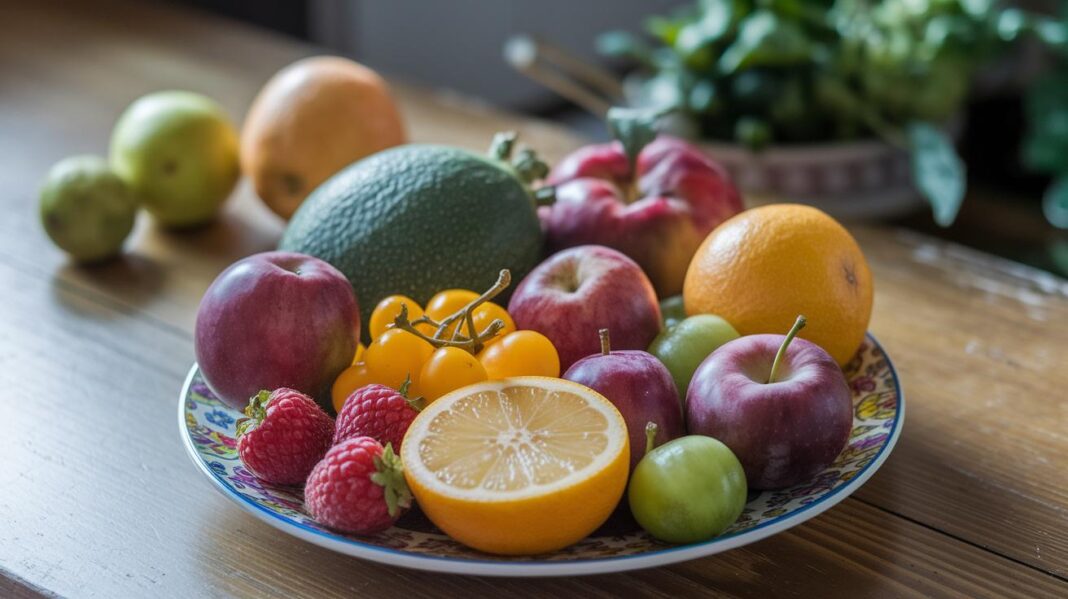
Have you ever thought that one simple nutrition plan might be the secret to better health and easier weight loss? It really works by blending easy guides with small personal tweaks that fit your unique style, helping you eat smarter every day. In this article, we explain how planning your meals with steady energy in mind can boost both weight loss and overall health. Get ready to discover how a clear, balanced plan can reshape your eating habits and support a healthier, more vibrant life.
Ready-Made and Personalized Nutrition Plan Essentials
Ready-made nutrition plans give you a simple guide with set meal times, goals for key nutrients, and tips for portion sizes. Many people find these plans helpful when they’re new to healthy eating. They take the guesswork out of picking what to eat by providing a ready-to-follow menu. For example, a Mediterranean-style plan focuses on less processed, plant-based foods. This way of eating can help lower the risk of diseases like heart problems and some cancers while supporting a longer, healthier life. Fun fact: many who follow this plan enjoy better heart health simply by choosing colorful fruits and vegetables at every meal.
On the flip side, personalized nutrition plans let you adjust everything to match your own calorie needs, food likes, and health goals. With a custom plan, you decide how to split your nutrients and choose the right portions for your everyday life. The DASH diet is one example. It suggests daily servings of grains, fruits, veggies, dairy, and lean proteins based on a plan that controls your calories. This personalized approach is known to help lower blood pressure and reduce risks for heart disease.
Both ready-made and personalized plans rely on a few key ideas: meal schedules that give you steady energy throughout the day, clear nutrient goals tailored to your needs, and portion guidelines to keep you from overeating. Whether you prefer the structure of a ready-made plan or the freedom of a custom one, understanding these basics can make a big difference in sticking to healthy eating habits.
Crafting a Customized Nutrition Plan: A Step-by-Step Guide
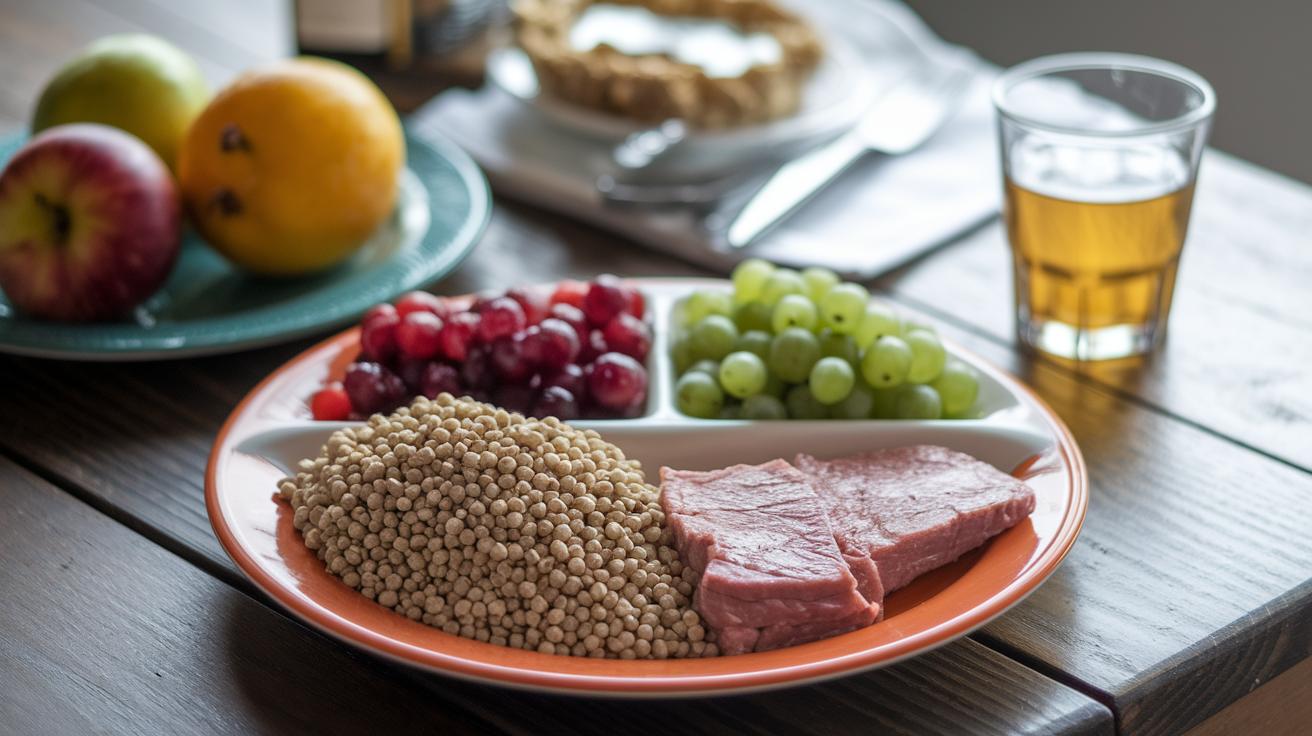
Start by figuring out how many calories you need each day. Think about your age, how active you are, and what your goals are. For example, if you need about 2,000 calories a day, that idea will shape your meals. Even small swaps, like choosing a piece of fruit instead of a sugary snack, can help balance your daily calories and support a healthier lifestyle.
Next, decide how to split your calories among carbohydrates, proteins, and fats. Imagine you are building the base of a balanced meal. A simple plan might be to get about half of your calories from carbs, a little over one-fifth from proteins, and the rest from fats. This mix not only helps in managing your weight but also boosts your overall health.
Then, try using guidelines like the DASH diet to set targets for different food groups. For example, on a 2,000-calorie plan, you might aim for 4 to 6 servings of grains and 2 to 3 servings of low‐fat dairy each day. This approach keeps your meals balanced and interesting, while giving you a clear plan to follow.
After that, decide on your portion sizes based on these guidelines. You can use measuring cups or even simple visual cues to help you avoid eating too much. Think about the Volumetrics method, which focuses on foods that are low in calories but high in water and nutrients. This way, you feel full without putting extra calories on your plate.
Finally, lay out your Essential Eating Blueprint by planning each meal step by step. You might start by:
| Step | Action |
|---|---|
| 1 | Calculate your daily calorie needs |
| 2 | Choose your macronutrient ratios (carbs, proteins, fats) |
| 3 | Set goals for food group servings |
| 4 | Decide on portion sizes |
Follow these simple steps to create a nutrition plan that fuels your body and helps with weight loss. Enjoy the journey to better health!
Nutrition Plan Fuels Health and Weight Loss
This weekly nutrition plan is made to help you stay active, lose weight, and feel great every day. Each day's menu has breakfast, lunch, dinner, and snacks that give you the right mix of nutrients. We designed it with ideas from the Mayo Clinic Diet, so you get meals filled with water-rich, nutrient-packed foods that bring you essential vitamins, minerals, and fiber without extra calories. For breakfast tips, check out balanced meals for breakfast at https://fitandglossy.com?p=887.
The plan is easy to follow and adjust to your needs, whether you prefer gluten-free meals or other diet changes. It mixes fresh fruits, lean proteins, and whole grains to match many different lifestyles. Think of it as a guide to help you arrange your eating schedule with the proper portions. Enjoy simple recipes that pack a protein punch to keep your body balanced and ready for the day.
| Day | Breakfast | Lunch | Dinner | Snacks |
|---|---|---|---|---|
| Monday | Greek yogurt with berries, whole grain toast | Quinoa salad with chickpeas and greens | Grilled chicken, steamed broccoli, brown rice | Apple slices with almond butter |
| Tuesday | Oatmeal with banana and chia seeds | Spinach salad with tofu and mixed veggies | Baked salmon, lentils, asparagus | Carrot sticks with hummus |
| Wednesday | Smoothie bowl with mixed fruits and protein powder | Turkey wrap with veggies on whole wheat | Stir-fried vegetables with lean beef and quinoa | Greek yogurt with walnuts |
| Thursday | Avocado toast with boiled eggs | Mixed bean salad with cucumbers and tomatoes | Grilled shrimp over mixed greens and wild rice | Pear with cottage cheese |
| Friday | Whole grain pancakes with fresh strawberries | Lentil soup with a side salad | Baked cod, roasted Brussels sprouts, sweet potato | Mixed nuts (small handful) |
| Saturday | Veggie omelet with spinach and mushrooms | Chicken Caesar salad with light dressing | Whole grain pasta with tomato basil sauce, lean ground turkey | Fresh fruit mix |
| Sunday | Protein smoothie with kale, banana, almond milk | Quinoa and black bean bowl with avocado | Grilled vegetable skewers with tofu, brown rice | Rice cakes with peanut butter |
Nutrition Plans for Specific Goals: Weight Loss, Muscle Gain, and Performance
Weight Loss Nutrition Plan
If you’re looking to shed a few extra pounds, try a plan that lowers your calories while still keeping you satisfied. A simple idea is to eat about 500 fewer calories than what you usually need. Focus on lean proteins and whole grains so your body burns fat more efficiently. You might plan your day with a healthy breakfast, a protein-rich lunch, and a lighter dinner. And hey, some people even use intermittent fasting, that means eating during a set time each day, which can help improve your insulin sensitivity and cut down on inflammation.
Muscle Gain Nutrition Plan
Want to build muscle? Your body needs a little extra energy for that. Consider eating just a bit above your usual calorie level. Boost your protein intake with options like lean meat, beans, or plant-based proteins, and don’t forget to add healthy carbohydrates and fats for energy during workouts. For example, adding an extra snack that combines protein with some carbs after exercise can really help your recovery. Spreading out your protein and carbohydrate intake throughout the day can give your muscles the steady supply of nutrients they need to grow.
Performance Fueling Nutrition Plan
If you’re an athlete or simply need extra stamina during workouts, timing your meals can make a big difference. Have a balanced meal before you exercise, a mix of complex carbs and proteins to fuel your energy. After your workout, focus on getting protein to help your muscles recover, along with carbohydrates to refill your energy stores. For intense or long workouts, some plans recommend a hearty load of both carbs and proteins. By aligning what you eat with your training schedule, you can boost your endurance and help your body recover more efficiently.
Practical Strategies for Implementing and Tracking Your Nutrition Plan
Tracking your eating plan may seem tricky, but it really doesn’t have to be when you’ve got the right tools. Digital meal organizers and apps can show you what you’re eating by breaking down calories, fat, and fiber – kind of like the points system used by WW. This clear view helps you adjust portion sizes and stick to your daily calorie goals.
Using tools like the Mayo Clinic Diet’s digital tracker makes meal logging a breeze. When you take a moment to record what you eat, patterns start to pop up, making it easier to decide on improvements. And it’s not just about counting calories; keeping track builds healthy habits like regular meal times and proper portion control. Plus, staying well-hydrated can boost your plan, check out this link on balanced diet and hydration to see how a good water intake supports your efforts.
Simple visual cues can also help you manage portion sizes. You might measure food with cups or scales, or set reminders to eat at the right time so that unplanned snacking doesn’t sneak in. By mixing these practical strategies with your nutrition plan, you create strong, long-lasting healthy habits.
| Strategy | How It Helps |
|---|---|
| Food-logging app | Keeps a daily record of what you eat |
| Plate-division method | Ensures balanced portions |
| Photo journal of meals | Visual reference for your diet |
| Pre-portioning snacks | Helps control calories |
| Digital meal organizer | Makes tracking consistent |
| Water intake diary | Keeps hydration in check |
Nutrition Plan Variations and Scientific Evidence
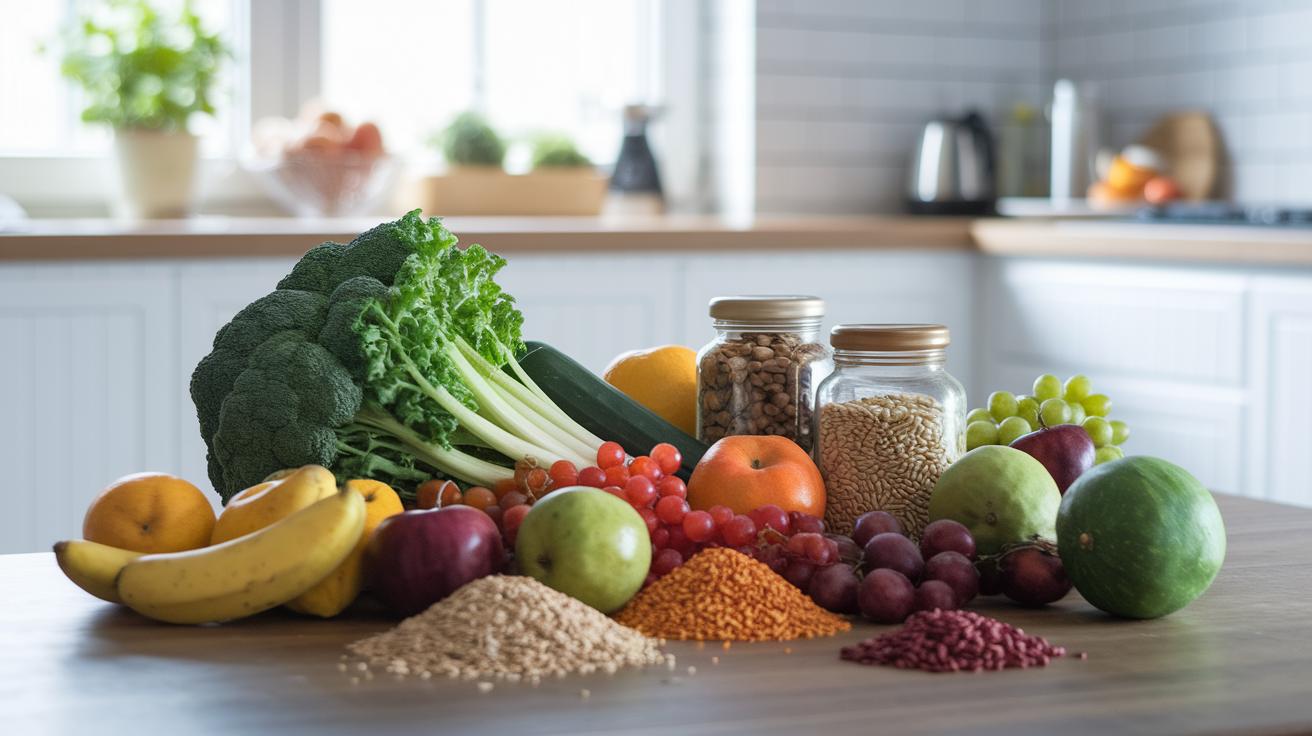
There are many ways to eat healthy, and researchers have shown that each plan offers its own unique benefits. Take the Mediterranean diet, for example. This plan is built around fresh, whole foods and plenty of plants. Research even shows it can help lower the risk of long-term illnesses and some cancers. Because it limits dairy, though, you might need to add extra calcium and vitamin D to keep your bones strong.
The DASH diet works a bit differently. Even though it isn’t shown in our table, it focuses on specific portion sizes and food groups to help keep blood pressure in check and support a healthy heart. Then there are plant-based diets like vegetarian or vegan meals that focus on whole foods. These diets have been linked to better metabolism and a lower chance of getting type 2 diabetes, plus they’re kind to the planet. Low-carb diets, such as Atkins or keto, can help manage blood sugar levels. However, they sometimes lead to increased levels of LDL, which is often called "bad" cholesterol.
Below is a comparison of some major diet plans along with research-supported benefits:
| Diet Plan | Main Focus | Key Benefits |
|---|---|---|
| Mediterranean | Fresh, whole foods and plants | Helps lower chronic illness and cancer risk; supports long life |
| DASH | Measured servings to control blood pressure | Reduces high blood pressure and improves heart health |
| Plant-Based | Little or no animal products | Boosts metabolism; lowers type 2 diabetes risk |
| Low-Carb | Limits carbohydrates | Helps control blood sugar; may increase LDL cholesterol |
Each of these diets is backed by science, but no one plan is perfect for everyone. It’s important to think about your own health goals and any gaps in your nutrition. If you’re on the Mediterranean or low-carb plan, for instance, it's a good idea to keep an eye on your nutrient intake for lasting heart health and overall well-being.
Final Words
In the action, we explored how both ready-made and personalized approaches give you clear, actionable steps for better wellness. We covered structured meal guidelines, step-by-step customization, and science-backed diet variations, all designed to make everyday health more manageable.
Every tip can help you build and follow a nutrition plan that fits your lifestyle. It's a reminder that small, informed choices pave the way for a happier and healthier life.
FAQ
What is a nutrition plan?
A nutrition plan is a structured guide that outlines balanced meals, portion sizes, and macronutrient targets based on your personal calorie needs. It helps you maintain well-being whether for weight loss, muscle gain, or overall health.
What is a nutrition plan for weight loss?
A nutrition plan for weight loss offers a clear guide with calorie control suggestions and portion sizes to help shed pounds. It includes balanced meals designed to deliver enough nutrients while managing energy intake.
What are free and PDF nutrition plans, like a 7-day healthy eating plan?
Free and PDF nutrition plans deliver ready-to-use templates that provide weekly meal schedules and portion ideas. They outline daily meals and snacks to support balanced eating and promote weight management.
What is a healthy diet plan?
A healthy diet plan is a balanced framework that features various food groups and clear portion guidelines. It focuses on practical meal preparation and nutrient balance to keep you energized throughout the day.
What is a good nutrition plan?
A good nutrition plan matches your calorie needs with clear meal schedules and balanced food groups. It uses proven models, such as Mediterranean or DASH, to support lasting well-being and healthy habits.
How do I create a nutrition plan?
To create a nutrition plan, start by calculating your daily calorie needs, then set meal times and portion sizes for each food group. Adjust the plan with personal goals and preferences for manageable, healthy eating.
What is the 3-3-3 rule for weight loss?
The 3-3-3 rule for weight loss is a simplified guide suggesting three meals, three snacks, and a focus on three main food groups. It offers an easy structure to help balance food intake while promoting satiety.

