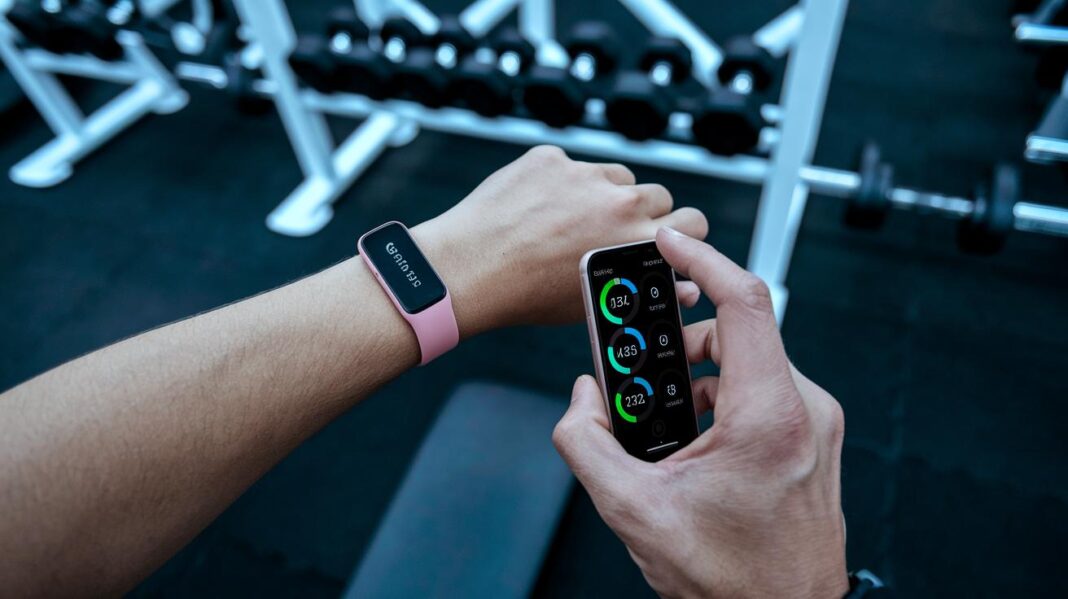
Ever wondered if a simple fitness tracker can really boost your daily routine? With so many devices boasting extra features, sometimes the best ones stick to the basics: tracking your steps, heart rate, and sleep. It might seem plain, but having a device that focuses on what really matters can give you just the support you need.
This article shares some top picks that emphasize essential fitness tracking without getting too complicated. Get ready to see how a straightforward tracker can help you stay on track with your health goals and keep you active every day.
Best Basic Fitness Tracker Picks for Essential Tracking
Looking for an affordable way to track your daily fitness? These three trackers give you all the basic features you need without any extra extras. They check how many steps you take, keep an eye on your heart rate, and even monitor your sleep. Plus, they come with clear displays and simple buttons so you can see your progress without any hassle.
- Xiaomi Mi Smart Band 7: This tracker costs less than $50 and offers over 110 workout modes. It keeps track of your heart rate all day, monitors your sleep, counts your steps, and has a battery that lasts up to 14 days.
- Fitbit Inspire 3: Priced at $99, this option lets you see a full-color screen that can stay on all the time. It sends text and call alerts, connects to your smartphone’s GPS, and even checks your blood oxygen levels.
- Samsung Galaxy Fit3: For about $55.74, this tracker accurately watches your heart rate and tracks 100 different types of exercise. However, it does not have a built-in GPS.
Each tracker focuses on what matters most, keeping track of your steps, heartbeat, and sleep quality, without any extra distractions. Their simple design and reliable tracking make them a great choice if you're just starting your fitness journey. The easy-to-read data helps you stay on top of your routine and make every move count, all while keeping your budget in mind.
Key Features to Look for in a Basic Fitness Tracker
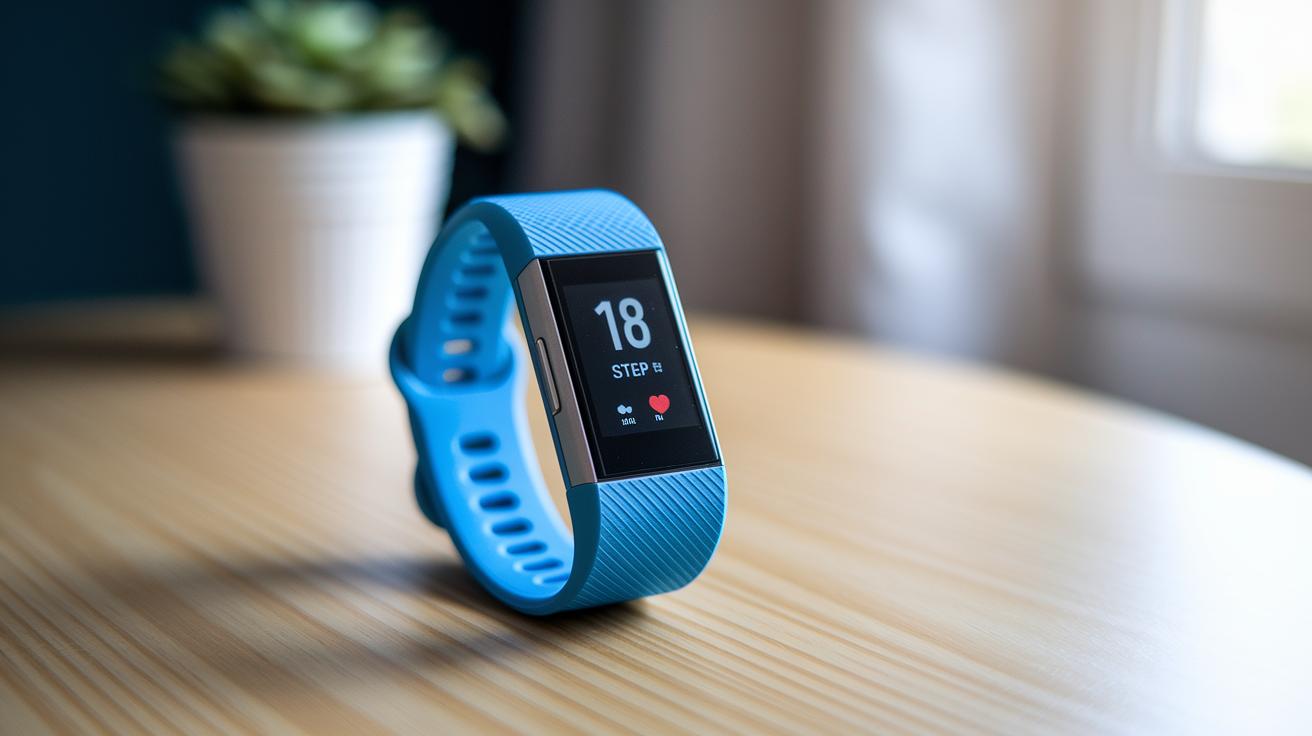
A basic tracker should be simple and reliable, giving you everyday insights without packing too many extras. Look for a device that accurately counts your steps, with any error falling within a 5 to 10 percent range. You also want a heart rate sensor that stays within plus or minus 2 beats per minute during your workouts, so you know you can trust the data.
It’s great if your tracker can break down your sleep into stages and estimate the calories you burn throughout the day. These features help you see a clearer picture of your daily health and energy use. Battery life matters too, a good basic tracker will last anywhere from 7 to 14 days before you need to charge it. And don’t forget about water resistance; a rating like 5 ATM or a splash-proof build means it should handle everyday splashes or even a quick swim.
Another key feature is an easy-to-use interface. A simple mobile app that syncs your data can help you spot trends over time and make smart choices about your health. By focusing on these essential hardware and software traits, you get a straightforward tracker that accurately records your steps and heart rate while giving you useful insights for a healthier routine.
Comparing Basic Fitness Tracker Heart Rate and Step Counter Accuracy
Staying on top of your health means knowing that your tracker is giving you the right numbers. We all want reliable data, whether it's counting your steps or keeping an eye on your heart rate. Each tracker here has its own charm that might just click with your routine.
Take the Fitbit Charge 6, for example. It uses smart sensors like SpO2 and skin temperature to fine-tune its heart rate readings. Plus, its built-in GPS helps it count your steps very accurately by following your pace and distance. Then there’s the Samsung Galaxy Fit3. It sticks to the basics, reliably recording your heartbeats and tracking up to 100 types of exercise, even without the extra bells like detailed GPS or running analysis.
If you’re after even more detailed feedback, the Garmin Vivoactive 5 might be your match. It checks advanced metrics like VO2 max [which shows how efficiently your body uses oxygen] and Body Battery [an insight into your energy levels]. With a battery that lasts up to 11 days and built-in workouts, it’s a solid pick for an in-depth fitness plan. And let’s not forget the Xiaomi Smart Band 9. It offers a super bright 2,000-nit display, dependable sleep tracking, and a battery that runs up to 14 days, all while keeping costs super low.
Imagine heading out for a jog and knowing your step count is nearly spot-on, with only a slight error of 5–10%. Little details like that can really help you see your progress every day.
| Tracker Model | Heart Rate Accuracy | Step Count Accuracy | Battery Life | Price |
|---|---|---|---|---|
| Fitbit Charge 6 | High, with SpO2 & skin-temp sensors | Precise ±5–10% error | ~7 days | $159.95 |
| Samsung Galaxy Fit3 | Reliable | Accurate with basic exercise tracking | ~7 days | $55.74 |
| Garmin Vivoactive 5 | Consistent, supported by VO2 max metrics | Calibrated for dependable counts | Up to 11 days | $199–$299 |
| Xiaomi Smart Band 9 | Dependable for everyday monitoring | Meets standard accuracy | Up to 14 days | Under $50 |
Looking at these options side by side can help you pick
How to Choose the Right Basic Fitness Tracker for Your Needs
When you’re looking for a basic fitness tracker, start by thinking about who will use it and how they prefer to see information. If it’s for someone who likes a clear, large display, like many seniors, or someone who enjoys a straightforward design, choose one with a big screen and simple menus. And if style matters, you might pick a sleeker, lighter model that comes in attractive colors. A good tracker will also come with adjustable straps to fit various wrist sizes comfortably, whether you're on a walk or at work.
Next, consider the balance between battery life and extra features. More sensors such as built-in GPS or heart rate monitors that even check your oxygen levels may mean you’ll need to charge it more often. If you’d rather not worry about frequent charging, look for a tracker that focuses on the basics like counting steps and tracking sleep. It’s really about deciding if those additional readings and the potential subscription fees are worth the trade-off with battery longevity.
Finally, make sure the tracker works smoothly with your smartphone. Many devices sync with both Android and iOS, but the experience can differ depending on the app’s design and how well it exports data. It’s best to choose one that offers a clear, user-friendly app and receives regular updates. When your tracker fits well with your phone and daily habits, it can really help you stay motivated and reach your health goals.
Maximizing Your Basic Fitness Tracker Experience
Sync your tracker every day to see cool trends like your steps, active minutes, and sleep stages. When you sync through your mobile app, you can easily spot patterns in your fitness routine as time goes by. Try using the built-in workout modes to set step and heart-rate goals that feel just right for you. For example, you might add a few extra steps each week or try a new workout mode your device offers.
Set up reminders to get you moving and hydration alerts to keep you feeling fresh during long days. A quick wipe of the sensor contacts every week will help keep your readings accurate. And don’t forget to install firmware updates as soon as they’re available so your device always works its best.
Whether you’re using an iOS health companion or an Android-friendly gadget, these small habits can really boost the benefits of your tracker and keep you motivated. It’s satisfying to watch your progress and make steady, little improvements.
Keep pushing toward your healthier future.
Price and Value Analysis for Basic Fitness Trackers
When you're shopping for a basic fitness tracker, the price can often tell you what to expect. For example, if you check out trackers under $60 like the Mi Band 7 or Galaxy Fit3, you'll usually get a reliable step counter, a dependable heart rate monitor, and long battery life. These are great if you mainly want to keep track of your steps and heart rate without any extra gadgets.
If you're open to spending a bit more, say, between $60 and $100, you might find options like the Inspire 3. These trackers often feature a bright touchscreen, useful notifications, and even blood oxygen measurement (which tells you how well oxygen is moving through your blood). You get a clearer display and a smoother app experience, though sometimes the extra features come with added monthly costs. For instance, some higher-end models like the Charge 6 might require around $9.99 per month for certain features.
When you move into the $150-plus range, trackers usually come equipped with extra sensors, such as built-in GPS and SpO2 (another term for blood oxygen). These help provide detailed data about your activity during various exercises. Just keep in mind that all these extra sensors might slightly reduce the battery life, so it's important to weigh the detailed data against how long you need the tracker to run on a single charge.
Lastly, it's wise to review warranty and support options since they can vary by brand. Comparing these different price points will help you choose a tracker with the right mix of cost and features for your lifestyle.
Top Tips for Purchasing Your Best Basic Fitness Tracker
First, check the normal price versus any seasonal sales or bundle discounts. Often, good trackers drop in price during promotions, so a little patience might save you money. For example, a tracker that normally costs over $100 might sell for less during a holiday sale.
Then, look at the water resistance rating. Think about your daily routine, do you need full water protection for outdoor runs in the rain or just a rating that stands up to splashes and short swims? When you know your lifestyle needs, you can pick a tracker that won’t let you down during a quick shower or on a rainy day.
Also, take a moment to read reviews from real users. Their honest experiences can help you see if the tracker’s battery life is as long as promised (like lasting up to 14 days on one charge) or if its step counting is reliable. It’s always helpful when you hear about how well it works day-to-day.
Lastly, check the warranty and return policy before you buy. A good warranty and an easy return policy give you extra peace of mind. If something goes wrong, you can fix it without extra hassle.
Frequently Asked Questions on Basic Fitness Trackers

Q: What do I do if my tracker stops syncing data?
A: If your tracker isn’t sharing your workout details, try restarting it and make sure Bluetooth is on. Sometimes, simply rebooting both the app and your device gets everything back on track.
Q: How can I choose a tracker that fits my daily routine?
A: Think about what you need day-to-day. If you’re a casual exerciser, you might prefer a simple design with an easy-to-read screen. But if you’re on the move, you may want extra details about your activity. Picture picking a tracker that feels just right for your morning walk, comfortable and easy to use.
Q: What should I do if sensor readings seem off?
A: Start by gently cleaning the sensor with a soft cloth and check for any firmware updates. For instance, if your heart rate looks a bit off after a good workout, cleaning the sensor and updating the firmware can often fix the problem.
Final Words
In the action of weighing cost against features, the article breaks down key points like sensor accuracy, battery life, and user-friendly design. Each section showed how to match your unique needs with the right device. It even helped explore ways to get dependable readings while keeping daily routines smooth. Finding the best basic fitness tracker can set the stage for a healthier, more informed lifestyle. Every piece of data shared aims to make choosing and using these devices clear and positive.
FAQ
What are the best basic fitness trackers recommended on Reddit and for a tight budget?
The best basic fitness trackers praised on Reddit and for a limited budget, such as the Xiaomi Mi Smart Band 7 and Samsung Galaxy Fit3, offer essential tracking, long battery life, and an affordable price point.
What basic fitness tracker options work well for women and beginners?
Basic fitness trackers favored by women and beginners often feature sleek designs, reliable heart rate and step tracking, and easy-to-read displays, making them ideal for simple health monitoring.
What does the Fitbit Charge 6 fitness tracker offer?
The Fitbit Charge 6 offers a bright color touchscreen, built-in GPS, and advanced sensors like SpO2 and skin temperature, providing detailed daily activity and health insights.
How do Garmin fitness trackers compare in terms of accuracy and features?
Garmin fitness trackers, including models like the Venu 3 and Vivoactive 5, deliver precise heart rate and step measurements, long battery life, and smart features that suit both casual and active users.
Are inexpensive fitness trackers a good choice for everyday use?
Inexpensive fitness trackers provide accurate step and heart rate monitoring with essential features, proving a practical choice for those who want dependable daily health tracking on a budget.
Which fitness trackers are recommended for senior users?
Fitness trackers recommended for senior users offer large, readable displays, simple menus, and adjustable straps, ensuring comfortable, straightforward tracking of daily activities.

