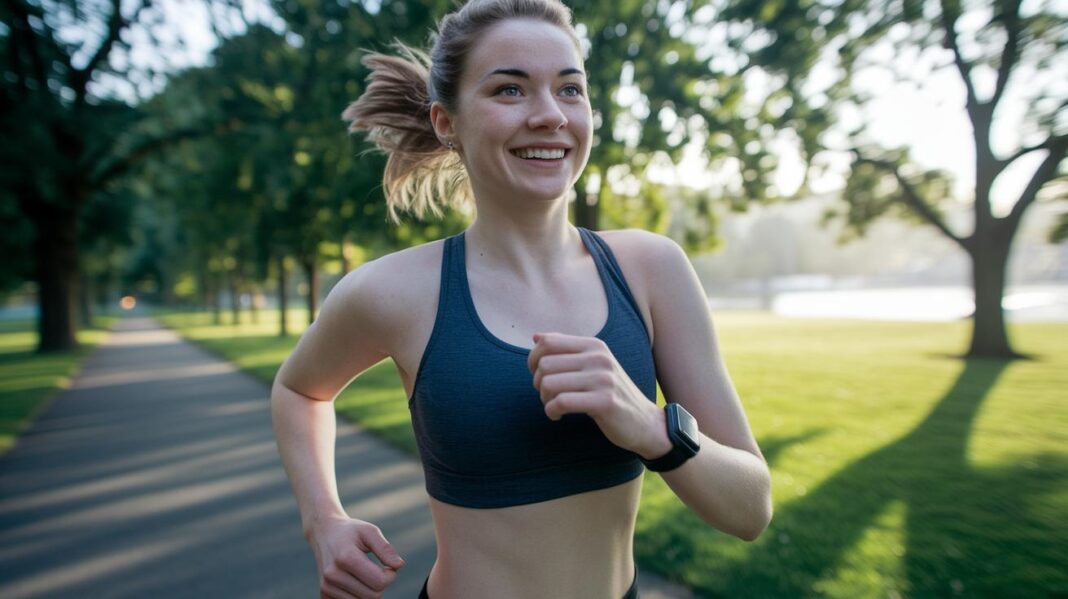
Ever wonder if a small gadget could boost your workout game? Fitness bands keep track of each step you take, every heartbeat, and even your moments of rest.
Imagine finishing a walk and knowing right away how you did. These handy devices convert your everyday moves into clear numbers and simple hints for better health.
They turn what you do into a little push to keep you moving, making it easier to stick with your routine and even inspiring you to push just a bit further.
Features, Benefits, and Buying Essentials of Fitness Tracking Bands
Fitness tracking bands are smart little gadgets that help you see how active you really are every day. They record everything from the number of steps you take to the quality of your sleep. They give you easy-to-understand health insights like your heart rate, calories burned, and sleep patterns. Imagine checking your wrist after a quick walk and knowing exactly how you did. Fun fact: even a short 10-minute stroll can boost your heart rate and energy, while your band quietly logs every step you take.
These bands track key details such as how many steps you’ve taken, your heart’s activity, the calories you burn, and your sleep stages. For example, the Fitbit Inspire 3 lets you choose between wearing it on your wrist or clipping it on, so you never miss a beat. The Xiaomi Smart Band 9 even offers a flexible Pebble Mode that lets you wear it as a wristband, clip-on, or even as a pendant. Then there are Whoop 5.0 and Whoop MG, which are perfect for anyone who wants detailed yet discreet tracking. It’s a bit like having a tiny, accurate coach that logs every move you make, so you always know what’s up.
When it comes to design and battery life, these trackers are built for everyday life. Many of them skip the power-hungry displays to boost battery performance. That means you could be looking at a week of tracking on a single charge. Some models, like the Xiaomi Band 7, can last up to 18 days, and others such as the Withings ScanWatch Light might go as long as 39 days. Think of it as a reliable sidekick that keeps tracking your activity so you can spend more time enjoying your workout and less time worrying about charging.
Sleep Analysis in Fitness Tracking Bands

Sleep tracking with these fitness bands is more than just counting the hours you snooze. They break down your sleep into light, deep, and REM stages, giving you a clear picture of how well you really rested. Some even spot tricky patterns like signs of sleep apnea, helping you catch issues early.
Take the Oura Ring 4, for example. It’s designed to give you detailed sleep stages and lasts up to 7 days on a single charge. If you’re after something super-light, the Ultrahuman Ring Air is only 2.4 grams and focuses on both your sleep and natural body clock. And then there’s the Withings ScanWatch Light, which uses a simple sensor (known as a PPG optical sensor) to track your sleep duration, sleep stages, and any wake-ups throughout the night. It even boasts a battery life of up to 39 days. For that extra bit of reassurance, the Apple Watch Series 10 steps in with FDA-cleared sleep apnea detection.
These features do more than just count your hours of sleep; they help you see the quality of your rest so you can adjust your habits for a better night’s sleep. It’s like having a friendly sleep coach right on your wrist, offering clear insights without cutting into your battery life.
| Device | Primary Sleep Feature |
|---|---|
| Oura Ring 4 | Advanced sleep staging metrics |
| Ultrahuman Ring Air | Sleep and circadian rhythm tracking |
| Withings ScanWatch Light | PPG sensor for sleep duration and stages |
| Apple Watch Series 10 | FDA-cleared sleep apnea detection |
Clear, accurate sleep tracking like this blends precision with long battery life, supporting a healthier sleep routine and overall well-being. It’s a smart way to understand your sleep patterns so you can gently tweak your habits and get the best rest possible.
Heart Rate and Performance Tracking with Fitness Bands
Fitness trackers are handy gadgets that help monitor your heart during workouts and everyday activities. Most devices use optical sensors that watch the natural flow of your blood, and some even include dual-frequency GPS. This extra tool fine-tunes workout stats like VO2 Max (which shows how well your body uses oxygen) and stress levels. With these sensors, you get real-time insights into how hard your heart is working, whether you're sprinting or enjoying a gentle stretching session.
Here are some popular options:
| Tracker | Description |
|---|---|
| Garmin Fenix 7S Pro | Features an updated optical heart rate sensor paired with dual-frequency GPS. It offers detailed training metrics in sizes between 42 and 51 mm and weighs 58–96 g. |
| Apple Watch Series 10 | Offers a high-accuracy pulse detector with blood oxygen measurement and live workout feedback. It works for about 18 hours on a single battery charge. |
| Amazfit Active 2 | Uses built-in GPS with five GNSS systems and an optical sensor for heart rate tracking. You can enjoy up to 10 days of battery life. |
| Fitbit Inspire 3 | Combines reliable heart rate sensing with versatile wear modes designed for regular tracking, with a battery that lasts several days. |
Choosing the right tracker really depends on how active you are and how often you can charge your device. If you’re into intense workouts and need detailed stats, or if you just want a quick check of your pulse during the day, balance the sensor’s accuracy with battery life. That way, your fitness band keeps up with your workout spirit every step of the journey.
Durability and Water Resistance in Fitness Tracking Bands
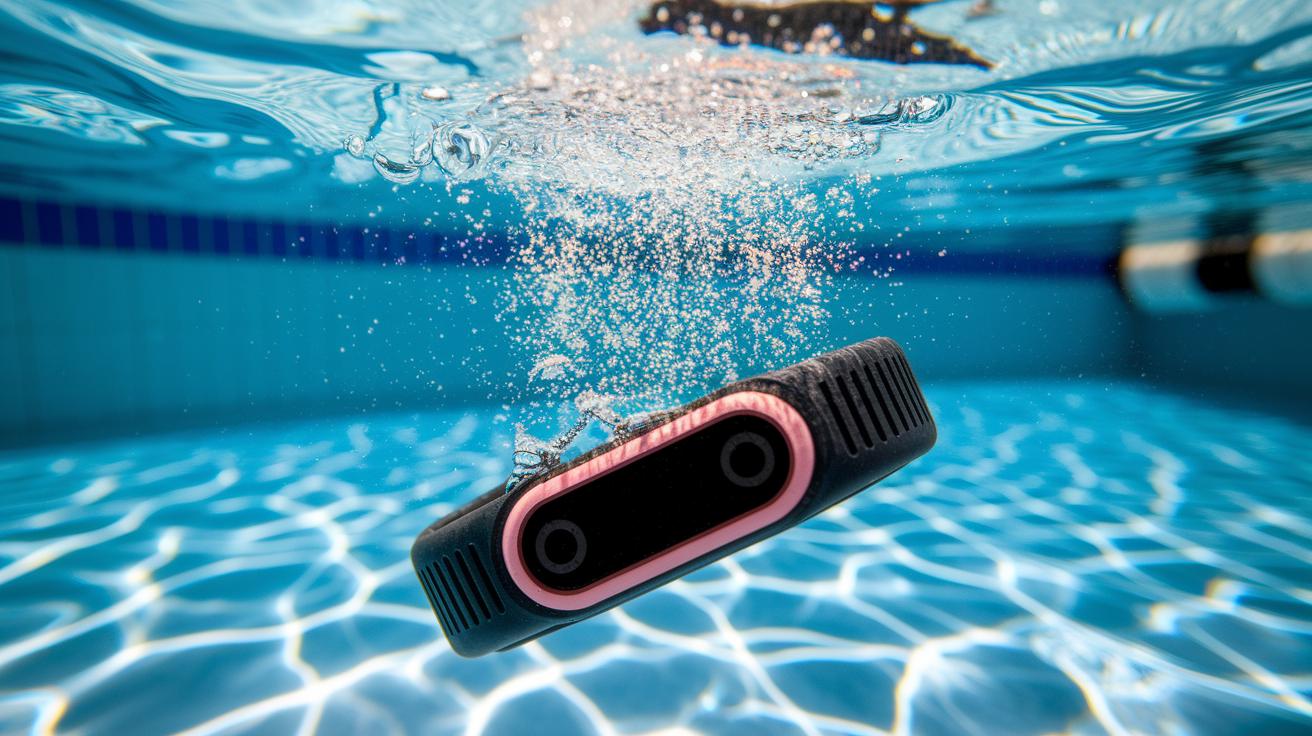
Fitness bands are built to be tough and water-friendly. Most of these gadgets come with swim-proof ratings from 5 to 10 ATM, which means they can handle splashes, rain, and even a swim. In other words, dust and water won’t mess with the sensors, keeping your data accurate even on a wet day.
For example, a 10 ATM rating works like a sturdy shield that protects your device during showers, rainy runs, or water workouts. It’s a comforting feature that builds trust since you know your band isn’t going to let you down when things get a bit damp.
Design features also help these bands last longer and boost battery life. Take the Samsung Galaxy Watch Ultra, it’s equipped with a rugged case, 10 ATM water resistance, and lasts up to 100 hours on a single charge. Then there’s the Garmin Fenix 7X, which uses solar charging to stretch battery life to up to 37 days. The Xiaomi Smart Band 9 even introduces Pebble Mode so you can wear it on your shoelaces or as a pendant, and the Fitbit Inspire 3 easily clips to your clothing.
These options give you the freedom to exercise hard without worrying about damage. Really, they’re built to keep up with every part of your active day.
Affordable and Value-Driven Fitness Tracking Bands
If you’re looking to boost your workout routine without spending a lot, budget-friendly fitness bands are a great choice. They give you everyday health insights without that high price tag. You can easily track your heart rate, oxygen levels, and steps, all while keeping an eye on battery life. And don’t worry, a lower price doesn’t mean fewer features. Many of these bands come with smart tracking, built-in GPS, and different wear modes to fit your active lifestyle.
These devices balance cost and functionality really well. Some models stick to the basics like tracking your heart rate and counting steps, while others offer extras like built-in GPS. Whether you’re just starting out or need a solid mid-range option that won’t break the bank, there’s a perfect band out there for you.
- Amazfit Band 7 – It’s wallet-friendly, offers up to 18 days of battery life, and tracks heart rate, SpO₂, and steps.
- Amazfit Active 2 – An affordable choice with about 10 days of battery life and features built-in GPS along with heart rate tracking.
- Xiaomi Smart Band 9 – An entry-level option with extended battery performance, versatile wear modes, and all the key fitness metrics.
- Apple Watch SE – Priced at $249, it gives you roughly a day’s charge with advanced tracking features without a premium cost.
Selecting Your Ideal Fitness Tracking Band

When you’re picking a fitness band, start by looking at how well it fits in with your devices. You want a band that plays nicely with both iOS and Android. This way, you won’t run into problems if you switch phones. Some bands, like the Google Pixel Watch 3, even let you control smart home tools like Nest right from your wrist. It’s like choosing a car that works on any road. Ever find it awesome to connect your band without any extra hassle?
Next, think about the app and how it shows your notifications. A friendly app makes it easy to see things like your heart rate (how fast your heart beats), active minutes, and even your VO2 Max (a measure of your oxygen use during exercise explained simply as how hard your body works when you’re active). Clear alerts can nudge you during workouts, keeping you on track. Some bands even let you share your data straight with your doctor through remote health monitoring, which can be a real lifesaver when you’re managing your well-being.
Finally, check out the details that matter most to you. Look at battery life and any extra fees for advanced features. When you pick a band that syncs smoothly with your phone, offers a helpful app, and connects in smart, versatile ways, you’re setting up your whole health routine for success.
Final Words
In the action, this article breaks down key features and benefits of a fitness tracking band. It covers everything from sleep tracking and heart rate sensors to durability, water resistance, and affordability.
We explored how these smart wearables deliver clear data to guide everyday health decisions. Each section helped show how the right fitness tracking band can support active routines and make personal health management easier. Keep exploring options, and enjoy the boost in daily vitality.

