
Have you ever wondered how a few clever tools can make a big difference in keeping us safe? These risk assessment tools look for weak spots by checking work trends, patient details, and rules in places like aviation, finance, and health.
They work like a safety net, catching little problems before they become big issues. With smart tech and designs that fit each industry, these tools help turn risk into success. This post explains how they protect our money, our lives, and everything in between.
Risk Assessment Tools Overview by Sector
Risk assessment tools help us find and rank risks in different areas. They collect patient information, daily work trends, and new regulations to spot weak spots. Each industry has its own challenges, so these tools include special features tailored to every need. For example, aviation tools focus on keeping flights safe, while tools for schools and neighborhoods concentrate on protecting children. This way, organizations can choose the right tool to safeguard their money or ensure health rules are met. Some tools, like Seerist, even use smart AI to gather public data and plan updates up to July 30, 2025.
| Category | Key Use Cases | Sample Tool |
|---|---|---|
| Enterprise Threat Evaluation | Risk ranking for business operations and regulatory compliance | Seerist Enterprise Analyzer |
| Cyber Threat Analysis | Identifying digital vulnerabilities and data breaches | Cyber Sentinel |
| Financial Vulnerability Metrics | Assessing market risks and credit profiles | FinRisk Tracker |
| Healthcare Compliance Reviews | Monitoring patient safety and regulatory reporting | MediSafe Risk Matrix |
| Aviation Safety Measures | Evaluating flight operation risks and safety protocols | AeroSafe Checker |
| Child Safety Evaluation Protocols | Reviewing school safety and community protection measures | SafeKids Eval |
Organizations review these tool types based on their own risk and regulatory needs. This careful match helps them manage threats better and protect both their assets and people.
Core Functionalities in Risk Assessment Tools
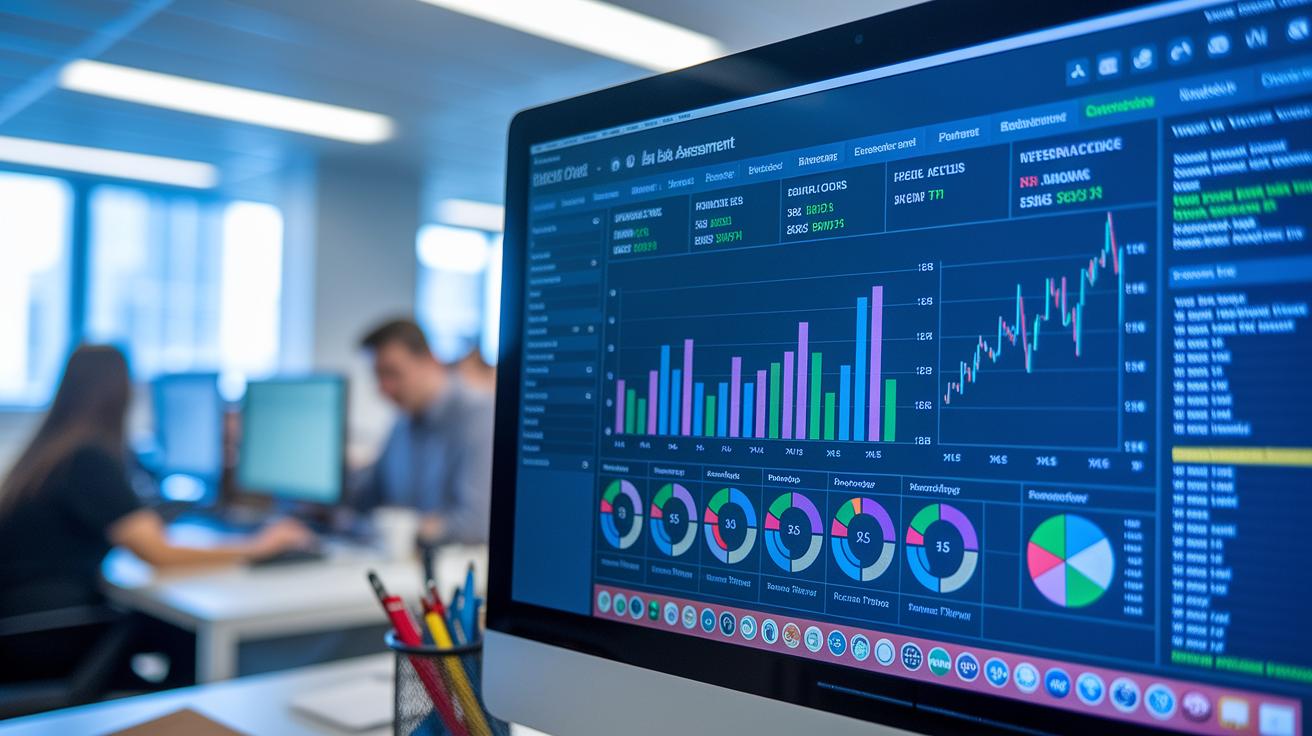
Risk assessment tools pack in lots of handy features that help teams spot problems fast. They come with dashboards you can tweak to see current issues clearly, built-in reporting to track changes over time, and modules that help you keep up with rules and regulations. Many of these tools also work smoothly with your current systems. For example, one might show key stats on patient safety or financial risk in a simple overview, keeping everything easy to understand.
These tools mix both number-based (quantitative) and story-based (qualitative) details to give a complete picture of potential risks. By giving risks a number, teams can easily compare and prioritize which ones need attention first. They also add qualitative notes, which give context and meaning, kind of like checking a weather update before you head out. Imagine a report that explains the facts and tells you why they matter in plain language.
Some advanced tools even bring together AI and experienced experts to catch early warning signs. The AI parts work with human insight to spot threats and learn from past trends, helping refine predictions over time. When you compare tools, features like custom reporting and live updates become really important for meeting every unique need.
Free and Open-Source Risk Assessment Solutions
For smaller teams or organizations watching their budgets, these cost-free tools can be a lifesaver. They let you set up a risk-based approach using open-source risk matrices and free spreadsheet templates, so you don’t have to spend a lot upfront. These resources include safety templates and hazard checklists that help you meet various regulatory standards while also aiming to cut down on big issues like hospital infections and medication mistakes. In short, small teams can start building a smart, proactive safety culture without breaking the bank.
- Open-source risk matrix spreadsheet
- NIST SP800-30 PDF checklist
- Community-maintained hazard evaluation template
- Free online security assessment tool
- Complimentary safety audit form pack
Now, while the no-cost options save you from licensing fees, they do come with a few trade-offs. Often, free tools might not be highly customizable to fit every unique need and their support isn’t as extensive as premium platforms. In other words, you might spend extra time or get outside help to adjust these tools for your environment. It’s all about weighing the benefits of zero initial cost against the possibility of needing extra tweaks or support. When you know these limits and plan for them, these free instruments can be a really smart part of your risk management strategy.
risk assessment tools: Powerful features driving success

Big companies face many challenges that can disrupt their daily operations, so they need strong systems to keep everything safe and running smoothly. Enterprise-level solutions are built to cover everything, from physical security to making sure the supply chain is safe. They combine hard numbers with everyday insights to help teams decide exactly where to focus their efforts, almost like a friendly guide pointing out potential pitfalls.
ETQ Reliance is one example of a cloud-based quality management system that feels both mature and modern. It brings together 40 different tools that handle core quality checks, industry-specific needs, team collaboration, and more. With over 30 years of experience, ETQ Reliance offers clear pricing plans, active partner programs, and annual customer conferences where users share real-world tips. Its user-friendly design makes it easy for teams to manage rules and see clear results.
Then there’s Seerist, a platform that uses AI-driven analytics along with open-source data to give you fresh insights. Its smart algorithms, paired with expert oversight, help you spot issues ranging from physical security and asset protection to travel and financial risks. These AI tools not only crunch the numbers but also explain why certain concerns deserve a closer look, making the process of judging threats both smart and practical.
Pricing and partner programs are important pieces of the puzzle when you choose a platform. Organizations need to think about their own unique risks and rules. Both ETQ Reliance and Seerist offer flexible pricing and strong support, ensuring that the chosen tool fits well with an organization’s everyday challenges and future plans, while keeping the risk evaluation clear and simple.
Best Practices for Implementing Risk Assessment Tools
When you're rolling out risk assessment tools, you need a solid plan that lays out who does what, when, and how to hit your security goals. Think of it like drawing up the blueprint for a safe building, every detail from spotting digital weak spots to gearing up for audits is mapped out. When every step is clear, it helps your team act fast during incidents and stay on track with broader security plans.
A smart plan breaks things down into clear roles, set milestones, and specific goals. Studies show that when each task has a point person and fixed deadlines, the work goes smoother and risks are spotted sooner. It's like following a step-by-step guide to building a home: every part of the plan works together to cut dangers and meet tough standards like the rules set by 341 regulatory mandates.
Getting everyone involved from the start is key. When leaders and team members both commit to the plan, everyone stays alert to changes and new risks. Real-world examples point out that this team effort not only boosts compliance but also makes ongoing risk monitoring more effective. This way, updating practices becomes easier as challenges pop up, keeping your organization secure and responsive.
Future Trends in Risk Assessment Tools Development

AI-powered tools are changing the way teams find and understand risks. New tools mix smart computer learning with real human judgment. In simple words, computers can sift through loads of data, and experts add the important details that the numbers alone don’t show. Imagine a tool that not only does the math but also explains what those numbers mean. This team effort between humans and machines helps spot problems faster and makes risk predictions clearer, so organizations can act quickly when needed.
New rules, like updates to the NIST SP800-30 checklist, are also pushing these tools to improve. With record-high product recalls in major industries and surveys showing that many manufacturers face multiple safety incidents every year, there is a strong need for real-time data. These trends are fueling non-stop improvements in risk tools, ensuring that as standards get tougher and situations change more often, organizations remain prepared and one step ahead of challenges.
Final Words
In the action of using risk assessment tools, we unpacked how sectors like enterprise, aviation, and child safety benefit from specialized evaluations. We touched on free resources, commercial platforms with AI modules, and practical ways to implement these tools in daily tasks. Each approach shows how targeted data helps manage risks and improve overall safety. Remember, the right risk assessment tools can boost daily well-being and open up new ways to protect what matters most.
FAQ
What are cost-free risk assessment tools available for organizations?
Cost-free risk assessment tools include downloadable resources such as checklists, spreadsheets, and PDFs. They offer a ready-made framework for evaluating risks without any license fees, making them ideal for budget-sensitive teams.
What risk assessment tools are used in healthcare and hospitals?
In healthcare settings, risk assessment tools include checklists, digital dashboards, and scoring systems. These tools help identify patient safety issues and clinical risks, improving overall care and compliance.
What do risk assessment tools for nursing focus on?
Nursing risk assessment tools are designed to evaluate patient safety, monitor staffing protocols, and support quick interventions. They help ensure that clinical practices meet care standards and improve ongoing patient outcomes.
How do risk assessment tools support criminal justice practices?
In criminal justice, risk assessment tools use scoring systems and behavioral analysis to gauge recidivism risks. They assist professionals in making informed decisions about offender management and community safety measures.
What are some examples of risk assessment tools used across various sectors?
Examples include checklists, hazard matrices, scoring models, digital dashboards, and spreadsheets. These tools help quantify potential threats and streamline risk evaluation in different industries.
How do risk assessment tools in cyber security protect organizations?
Cyber security risk tools identify system vulnerabilities, monitor potential breaches, and analyze data to protect networks and sensitive information. They provide prompt insights for strengthening digital defenses.
What are common approaches or methods used in risk assessments?
Common risk assessment methods include checklists, hazard analysis matrices, scoring models, fault tree analysis, and risk ranking techniques. Each method helps simplify and quantify risks effectively.
What is the take 5 risk assessment tool and how does it function?
The take 5 tool is a structured, five-step method that guides users through task evaluation and hazard identification. It supports effective risk mitigation planning, ultimately enhancing workplace and process safety.

