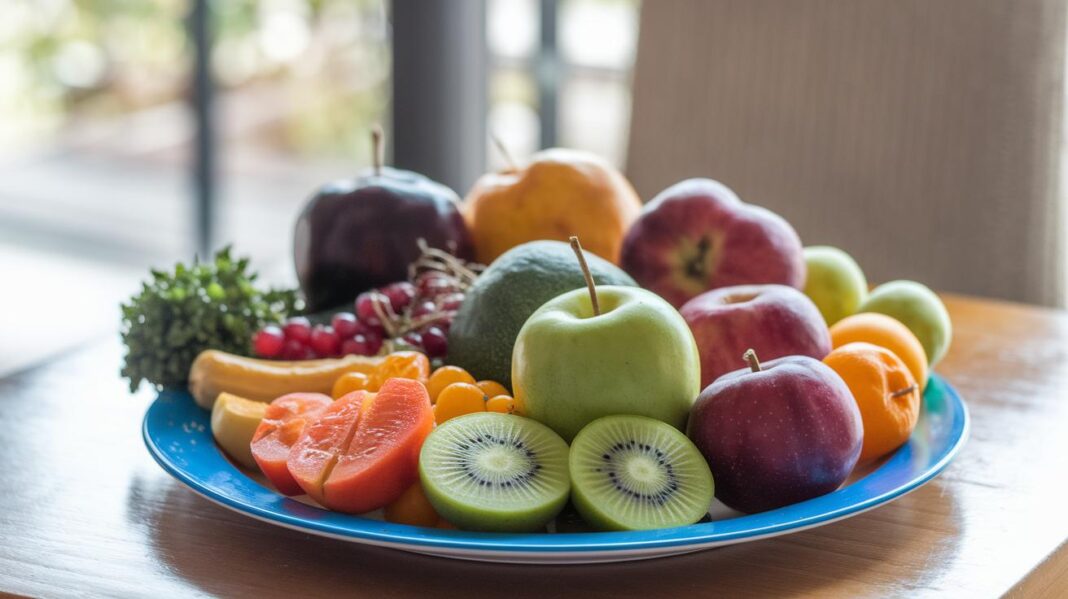
Have you ever thought that the food you eat might be the secret to feeling great? A balanced diet for your digestion does more than just fill you up, it fuels a team of tiny helpers that work hard to keep your body running smoothly. Imagine each bite as a team player, all working together to boost your energy and well-being. Today, we're chatting about how simple foods like apples and whole grains can help make your digestion smoother and your day a little brighter.
How a Balanced Diet Supports Digestive Health: Key Mechanisms
Eating a balanced diet is the first step toward keeping your tummy in top shape. Our gut is home to trillions of bacteria that help with digestion, keep our immune system strong, and even lower the risk of heart issues and type 2 diabetes. Everyday foods like apples provide fiber and natural enzymes that support this healthy community of microbes.
In the small intestine, food moves along smoothly thanks to a process called peristalsis, just the gentle squeezing of muscles that pushes food forward. Here, enzymes break food down so the body can easily absorb the nutrients it needs for energy. Once in the large intestine, the focus shifts to pulling out water and salts while good bacteria work on fermenting fiber to produce short-chain fatty acids. These acids play an important role in guarding the health of your gut lining. Staying well-hydrated and eating whole foods further aids this natural digestion process.
A balanced diet works like a well-coordinated team. It not only powers the physical movements involved in digestion but also feeds the friendly bacteria with prebiotics. These prebiotics help reinforce the gut’s mucosal lining, easing inflammation and promoting overall digestive health. In short, the right mix of nutrients helps keep everything working together smoothly inside you.
Essential Foods for Optimal Gut Health: Fiber, Prebiotics, and Probiotics

Keeping your gut healthy is easier than you might think. A balanced diet full of fiber, prebiotics, and probiotics can do wonders for your digestion and overall well-being. Fiber helps keep your tummy regular and gives support to the good bacteria in your colon. For example, soluble fiber in oats, apples, and beans can help control blood sugar, while insoluble fiber in whole grains and veggies keeps you moving smoothly through the day.
Prebiotics are like food for these good bacteria. When you add onions and garlic to your meals, you help these helpful microbes grow strong. It’s a simple way to support a diverse gut microbiome, which is key to a healthy digestive system.
Fermented foods add another layer of goodness. Yogurt, kefir, and miso come with live cultures that boost the number of healthy bacteria. Even drinks and dishes like kombucha and sauerkraut offer extra benefits. They can be fun to make at home if you’re feeling creative, and there are plenty of recipes to help you explore more options.
Below is a list of 10 top foods that support great gut health:
| Food |
|---|
| Oats |
| Apples |
| Beans |
| Whole grains |
| Leafy green vegetables |
| Onions |
| Garlic |
| Yogurt |
| Kombucha |
| Sauerkraut |
Each of these foods plays a special role. Fiber-rich items help move food through your digestive system, while prebiotics feed the good bacteria that keep things running smoothly. And don't forget the probiotics, they help make sure the balance of microbes stays strong.
Together, these foods can lead to better digestion, improved nutrient absorption, and overall wellness. So next time you plan a meal, think about adding these simple ingredients to boost your gut health.
Sample Digestive Health Meal Plan for Balanced Nutrition
This meal plan is here to support your gut by mixing in lots of fiber, lean protein, healthy fats, and fermented foods. It kicks off your day with a fiber-packed breakfast that helps get digestion moving, followed by lunches loaded with essential vitamins to give you energy. Dinners bring gut-friendly recipes that nurture a healthy balance of microbes.
Snacks like kefir, Greek yogurt, or kombucha add friendly live cultures to keep your digestive system diverse. This simple, homemade approach makes it easier to enjoy better digestion and wellbeing. And don’t forget: drinking 2–3 liters of water daily is key to helping food move along and keeping discomfort at bay.
| Day | Breakfast | Lunch | Dinner | Snack |
|---|---|---|---|---|
| Day 1 | Oatmeal with berries (5 g fiber) | Lentil and spinach salad | Baked salmon with quinoa | Kefir snack |
| Day 2 | Green smoothie with banana and flaxseed | Grilled chicken with brown rice and broccoli | Greek yogurt drizzled with honey | None |
| Day 3 | Chia pudding | Chickpea stir-fry with mixed veggies | Turkey and avocado wrap | Kombucha |
| Hydration note: Aim for 2–3 liters of water daily | ||||
Supporting Digestive Health Through Lifestyle and Hydration
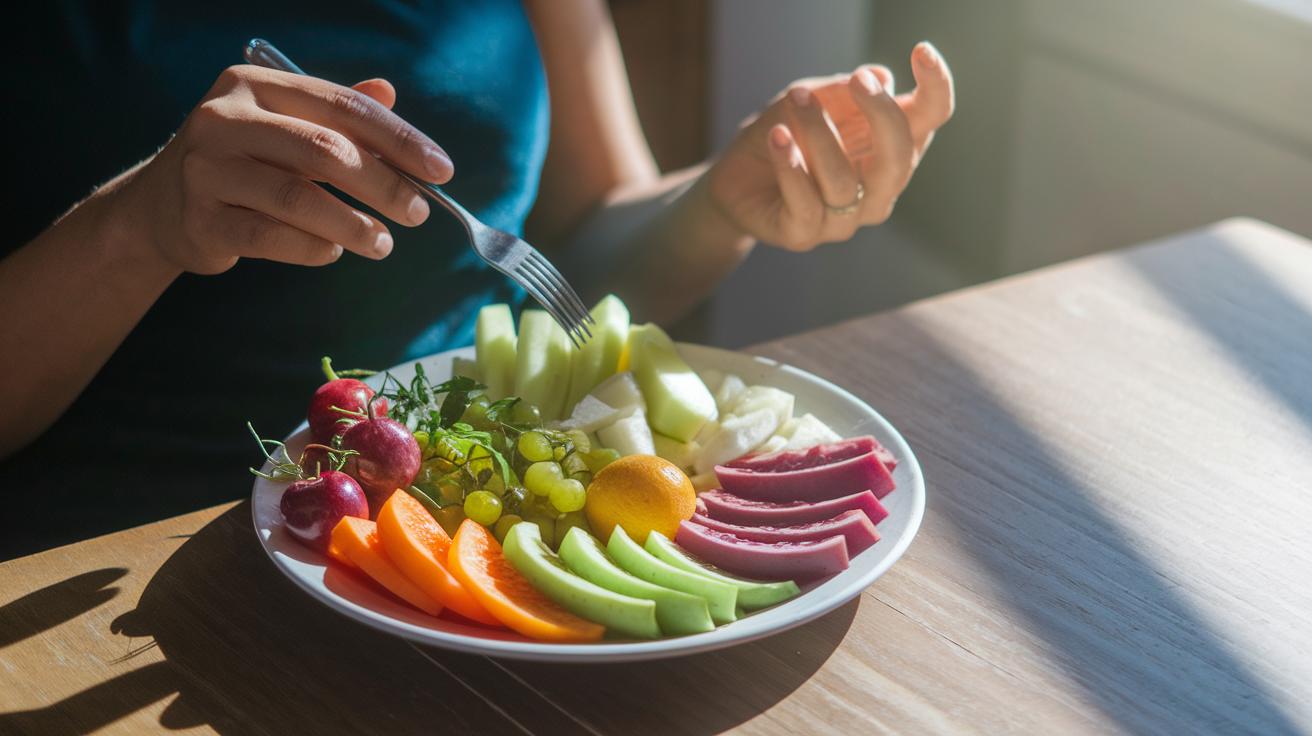
Staying hydrated is a simple way to help your digestion work better. Try drinking about 2 to 3 liters of water every day. Water softens your stool and helps move food through your intestines with natural muscle contractions. It’s like giving your gut a little push to keep things moving smoothly. Pairing plenty of water with a balanced diet supports the healthy lining in your gut. Adding water-rich foods and taking mindful sips during meals can boost these benefits even more.
Regular movement and managing stress are key to keeping your digestion in check. Even 30 minutes of moderate exercise, five days a week, can help your gut work harder and more naturally. Also, simple stress-relief techniques like deep breathing, relaxing your muscles, or getting 7 to 9 hours of sleep can do wonders for your gut's health. These everyday habits work well with a balanced diet, helping you enjoy a well-functioning digestive system and a happier, healthier life.
Practical Tips to Enhance Digestion with Meal Timing and Techniques
Eating mindfully can really help your stomach feel at ease. Take a moment to chew your food slowly; it wakes up a helper in your mouth called salivary amylase that starts breaking down carbs. Try to keep your meals to three or four times a day. Imagine sitting down without distractions, really enjoying each bite, this thoughtful eating can lighten the load on your digestive system and make your balanced diet even more effective.
Watching your portion sizes is key, too. Overeating can overwhelm your gut, causing discomfort and sluggish digestion. Switching to a smaller plate or even measuring your food can be a big help. And don’t forget the power of your favorite spices or fruits like ginger, turmeric, papaya, or pineapple. These ingredients not only add a burst of flavor but also support natural enzymes and soothe your digestion. Each little step makes every meal a move toward better overall well-being.
Special Digestive Diets: Low-FODMAP and Anti-Inflammatory Approaches
Low-FODMAP Diet Basics
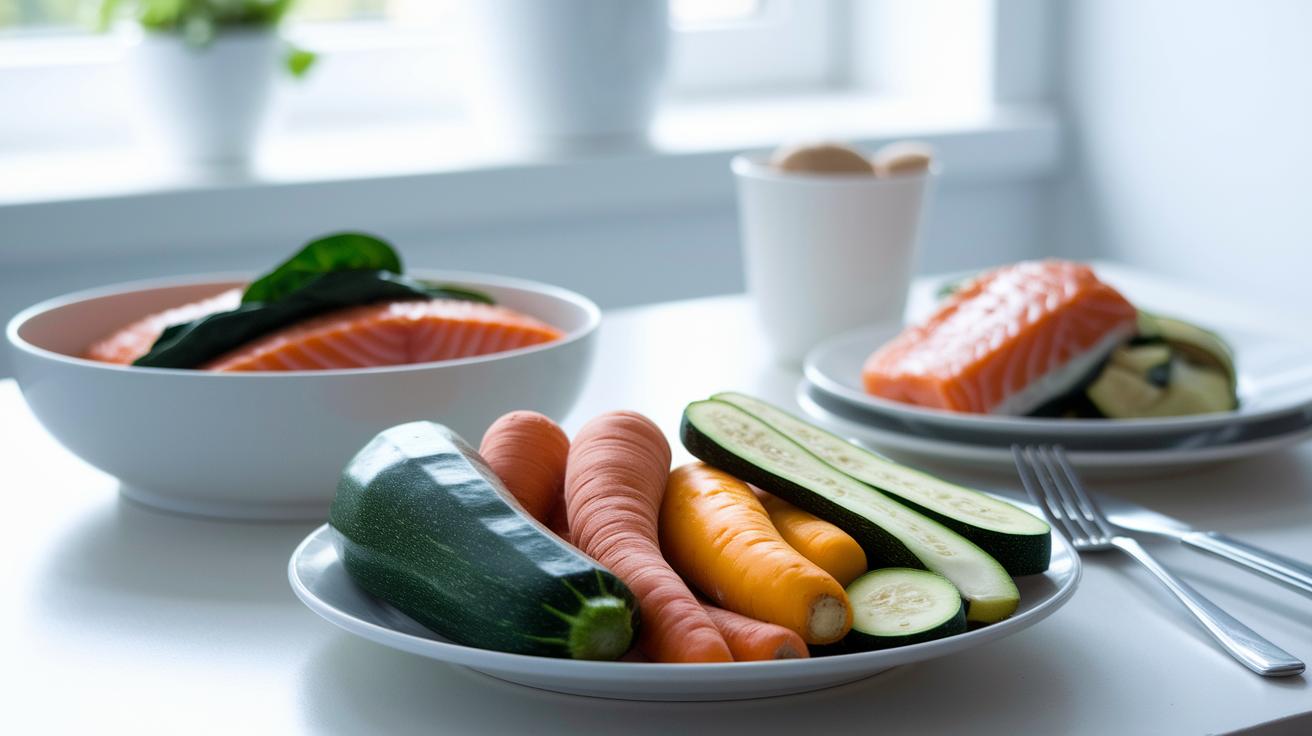
A low-FODMAP diet means cutting out some sugars that can upset your stomach. You avoid certain fruits, legumes, and wheat because they have sugars that are hard to digest. For example, apples might be too much for a sensitive gut, so try zucchini, carrots, or rice instead. There are four groups of these sugars: oligosaccharides, disaccharides, monosaccharides, and polyols. Eating small amounts of low-FODMAP foods can help ease symptoms for people with issues like IBS. You might blend safe veggies with proteins to make meals that don’t cause bloating or pain. When your stomach is extra delicate, simple foods like bananas, rice, applesauce, and toast can be really comforting.
Anti-Inflammatory Gut Foods
An anti-inflammatory diet is all about soothing your gut and helping it heal. This plan encourages you to eat foods that calm irritation in your stomach. For instance, fatty fish like salmon give you omega-3 fatty acids, which are fats that help fight inflammation. Adding a spice like turmeric can also help naturally reduce inflammation. And don’t forget a handful of spinach, it brings antioxidants and fiber to the table for overall gut support. These foods work together to ease inflammation in the gut lining and help your body take in nutrients more easily. Enjoying gentle meals made with these ingredients can ease irritation while keeping your diet balanced. Switching to these smart food choices might help reduce digestive issues and make mealtime more enjoyable if you’re dealing with sensitivity.
Evidence-Based Benefits of a Balanced Diet for Digestive Health
Many trusted studies show that eating a balanced diet can really help keep your digestive system in top shape. For example, research tells us that getting about 30 grams of fiber a day might cut your colon cancer risk by 20 to 30%. Simple changes like including a variety of whole plant foods can make a big difference. Think about a Mediterranean-style diet filled with fruits, vegetables, whole grains, and healthy fats, it can boost the good bacteria in your gut by as much as 25%, which is key for a strong immune system and smooth digestion.
Other tests, including studies where people were given different diets, support these ideas. Regularly enjoying foods like fermented yogurt can ease IBS-related bloating in just a few weeks by adding live, helpful cultures to your gut. Plus, adding prebiotic foods such as garlic, onions, and asparagus can even help manage blood sugar levels in people with type 2 diabetes. In truth, mixing these healthy changes into your eating plan can nurture your gut and overall wellbeing every day.
Debunking Common Myths About Diet and Digestive Health
Some people think that detox cleanses really flush out toxins, but there isn’t any solid proof that these practices help in the long run. In fact, a harsh cleanse can upset the balance of good bacteria in your gut, which is not what you want when you’re trying to stay healthy.
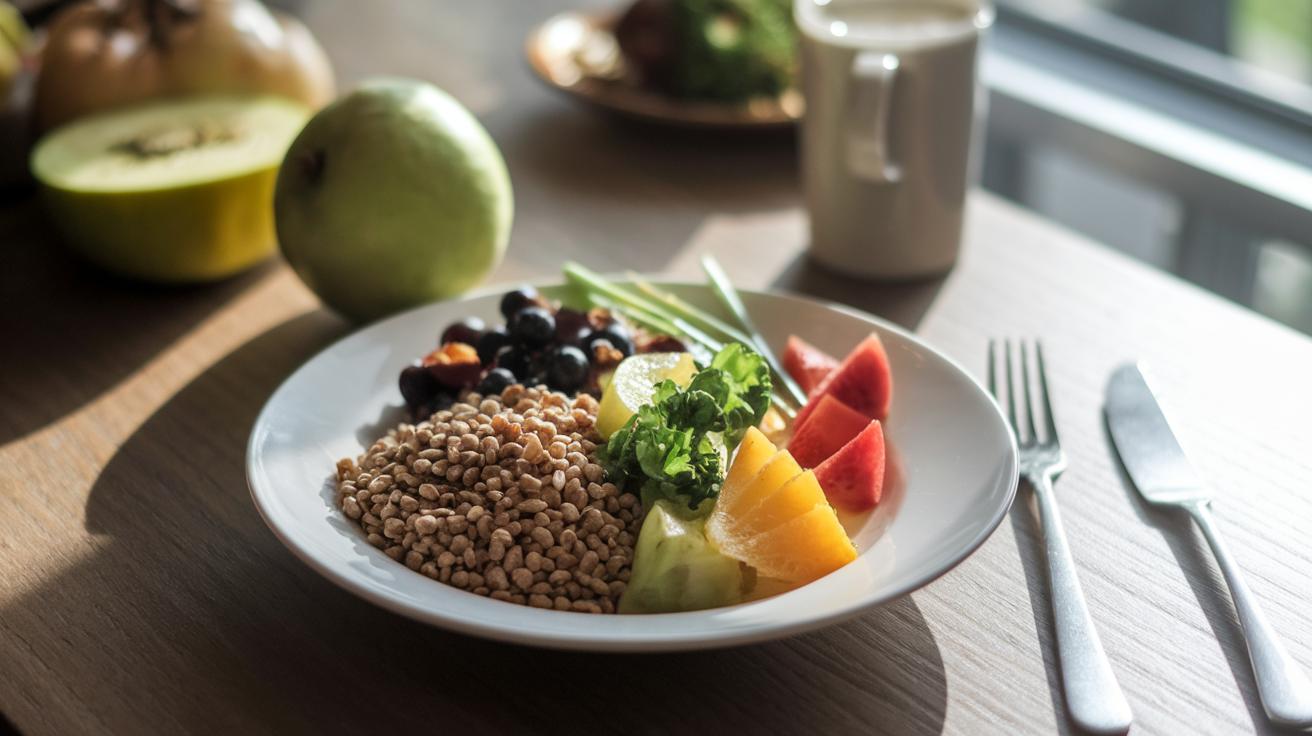
Another common idea is that all carbohydrates make digestion worse. The truth is, whole-grain carbs can actually support a healthy gut by boosting the variety of friendly microbes that live there. It’s a bit like giving your gut a boost with a balanced mix of nutrients, it’s all about moderation and the right kind of food.
Many also assume that everyone benefits from gluten-free diets. That’s not quite right. Going gluten-free is only helpful if you have celiac disease or a real sensitivity to gluten. For most people, sticking to a balanced diet is the best way to keep things running smoothly in the digestive department.
Lastly, a lot of folks only focus on probiotics when thinking about gut health. While probiotics do bring in good live cultures, don’t forget that prebiotics and fiber are just as important. Think of them as the food that helps those good bacteria thrive. In truth, a mix of whole grains, fruits, vegetables, and both prebiotic and probiotic foods is the secret to a well-balanced and resilient digestive system.
Final Words
In the action, our post showed how a balanced diet for digestive health supports gut function by boosting fiber intake, nourishing helpful microbes, and promoting proper nutrient absorption. We shared practical food choices, meal plan ideas, lifestyle habits, and mindful eating tips that can help steer your daily routines in a healthier direction.
Even small changes, like staying well hydrated and taking time with each meal, can lead to big improvements. Keep making smart, delicious choices that bring you closer to your health goals.
FAQ
Q: What does a healthy gut diet plan PDF include?
A: The healthy gut diet plan PDF outlines balanced meals loaded with fiber, prebiotics, and probiotics. It offers guidelines to manage digestive disorders with practical and science-backed meal ideas.
Q: What should you drink after a meal to help digestion?
A: What you drink after a meal matters. Water or warm herbal tea encourages smooth gut movement and offers a gentle boost to your digestion process.
Q: How can you keep your stomach healthy and clean?
A: Keeping your stomach healthy and clean involves eating balanced meals with fiber, prebiotics, and probiotics, staying well hydrated, and engaging in activities like light exercise and stress reduction.
Q: What are the worst foods for gut health?
A: Unhealthy choices, such as highly processed foods, excess sugar, and trans fats, harm your gut by upsetting the natural balance of good bacteria and slowing effective digestion.
Q: What are some foods that help with digestion, bloating, and gut inflammation?
A: Foods that help with digestion, bloating, and gut inflammation include fiber-rich vegetables, fermented dairy like yogurt, ginger, and turmeric. These naturally support your gut while soothing discomfort.
Q: How do you improve gut health naturally and which diet is best for digestive health?
A: Improving gut health naturally means choosing a balanced diet rich in fibers, prebiotics, and probiotics. A Mediterranean-style diet featuring lots of fruits, vegetables, whole grains, and lean proteins is one of the best options.
Q: What are the 5 R’s for gut health?
A: The 5 R’s for gut health involve Remove, Replace, Reinoculate, Repair, and Rebalance. They provide a clear step-by-step method to ease digestive issues by clearing irritants and boosting beneficial bacteria.
Q: What are the super six foods for gut health?
A: The super six foods for gut health include yogurt, kefir, sauerkraut, garlic, onions, and ginger. They pack nutrients to boost healthy bacteria, aid digestion, and promote a happy gut.

