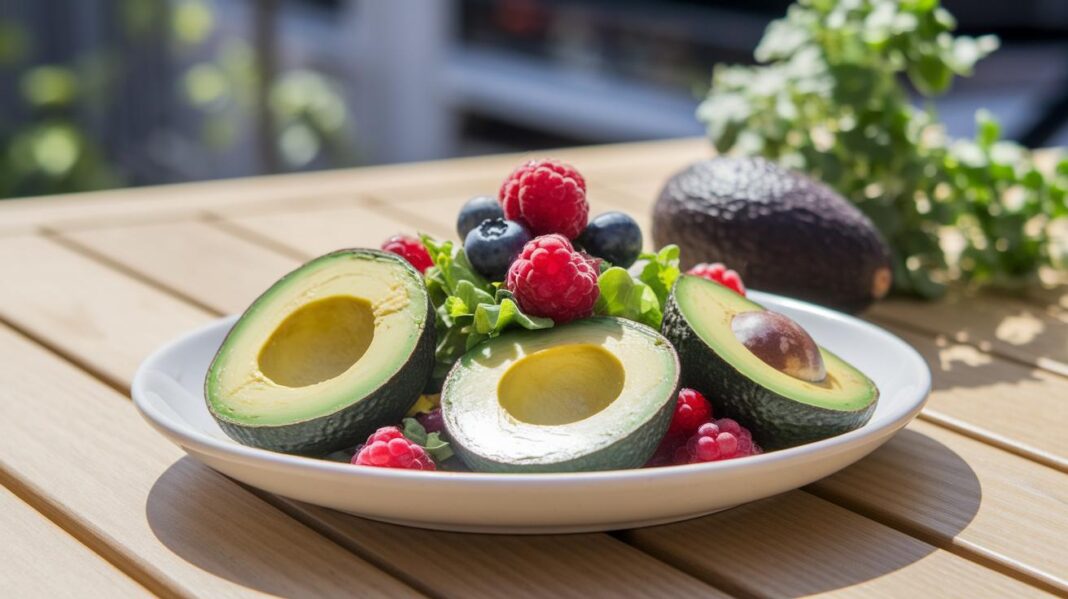
Have you ever thought that what you eat could be the secret to glowing skin? A balanced diet helps by cutting down on foods that might cause breakouts. When you swap sugary treats for fresh fruits and choose lean options over processed foods, your skin gets the nutrients it needs to keep oil in check and clear up blemishes.
In this post, you'll learn about four simple food swaps that can give your skin a natural, vibrant glow. It’s amazing how a few small changes in your diet can boost both your skin’s health and your confidence.
How a Balanced Diet for Clear Skin Lowers Acne Triggers
A balanced diet aimed at clear skin can really help reduce acne triggers. When you avoid processed foods, you cut back on ingredients that often lead to breakouts. For example, cutting out added sugars by sticking to unprocessed foods for 30 days can stop insulin spikes that tell your skin to produce extra oil. Ever notice how swapping sugary snacks for fresh fruits for a month can make your skin less oily? This simple change reduces the sebum that clogs pores and causes acne flare-ups.
Different eating plans work in unique ways to keep acne at bay. Many who follow a vegetarian or vegan diet end up lowering their intake of saturated fats, which may help reduce clogged pores. And if you try a low-refined-carb meal plan, like a keto approach with 20 to 50 grams per day, you can avoid triggers from processed foods. Consider these practical swaps:
| What You Do | Benefit for Your Skin |
|---|---|
| Cut back on added sugars | Fewer insulin spikes |
| Swap high-fat dairy for plant-based options | Reduces hormones that boost oil production |
| Focus on lean proteins and whole carbs | Keeps blood sugar steady, lowering breakouts |
These easy tweaks not only balance your diet but also help you enjoy clearer, healthier skin.
Balanced Diet Meal Plan Insights from the Whole30 Approach
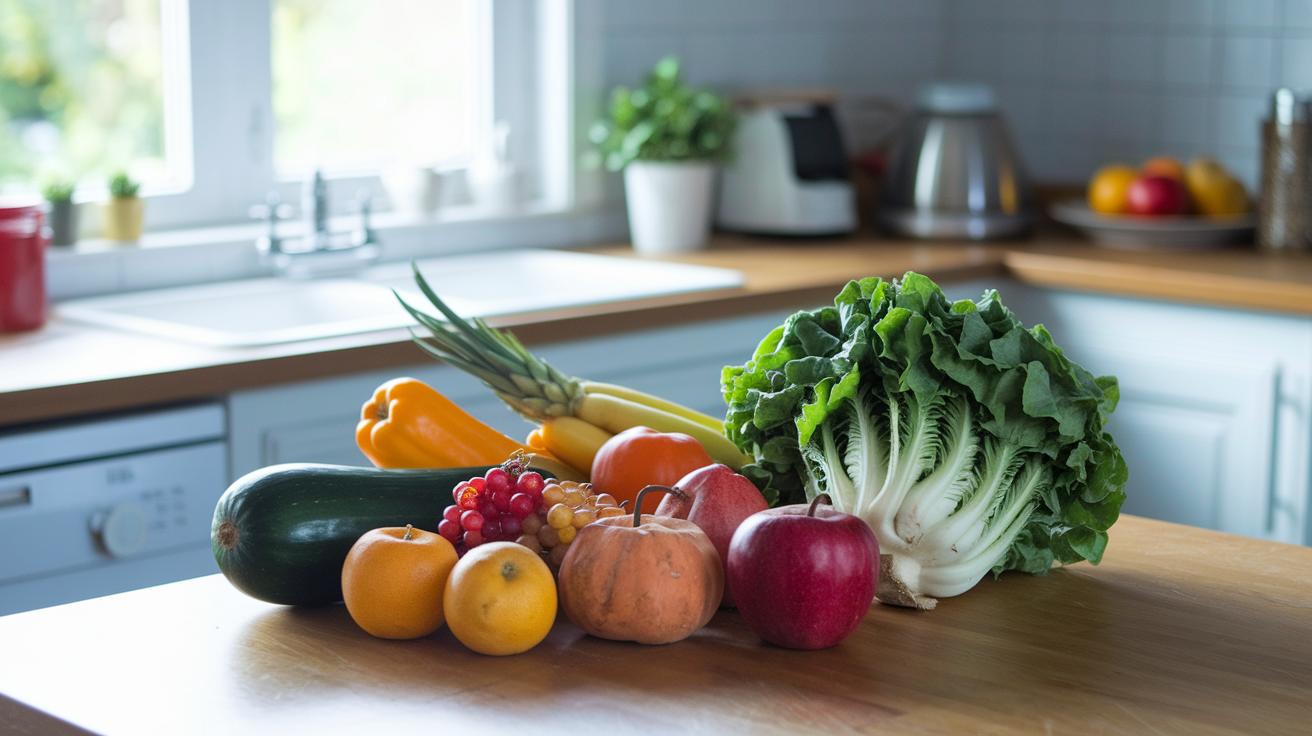
The Whole30 method fits snugly into a balanced meal plan by offering a simple, 30-day cycle. It starts with a phase where you swap out processed foods, sugars, and additives for whole, unprocessed foods. Then, you slowly reintroduce different foods to see which ones might be causing skin issues.
Unlike other diets that might allow the occasional processed treat, Whole30 sticks strictly to natural ingredients. This tight focus can help some people notice faster improvements in their skin, like less oiliness and a smoother look.
Here are some handy tips to make meal planning with Whole30 easier:
- Plan your meals for the week with lean proteins, green veggies, and fresh fruits.
- Get your portions ready ahead of time to avoid the temptation of quick, processed fixes.
- Use the early phase as a chance to learn how each type of food affects your body, kind of like keeping a little food diary.
| Meal Plan Variation | Skin Impact |
|---|---|
| Standard Balanced Diet | Supports skin with a mix of processed and unprocessed foods. |
| Whole30 | Helps clear skin faster by cutting out added sugars and additives. |
"Switching to a Whole30-style meal plan has helped many people notice their skin becomes less oily and more vibrant, thanks to the elimination of hidden sugars."
Balanced Diet Emphasis on Plant-Based Eating for a Healthy Complexion
Plant-based diets help cut down on unhealthy fats and lower bad cholesterol that might clog your pores. Research shows that antioxidants, such as the anthocyanins in blueberries and resveratrol in grapes, not only battle harmful free radicals but also ease skin inflammation. For example, try tossing a handful of blueberries into your morning smoothie for an extra antioxidant boost.
Planning your meals in a creative way can help keep inflammation low throughout the day. Consider this simple plan:
- Morning: A spinach and mixed berry smoothie with a sprinkle of oats.
- Midday: A kale salad with red bell peppers drizzled with a citrus vinaigrette.
- Evening: A warm quinoa bowl loaded with steamed broccoli, carrots, and a touch of olive oil.
A small study found that people on a plant-based diet experienced fewer skin flare-ups over a 12-week period. One person mentioned that switching to a plant-based breakfast really helped keep their skin clear during their busy mornings.
Simple changes, like choosing almond milk over dairy, can add extra vitamins and antioxidants to your meals. Even a small swap, replacing a sugary snack with a handful of raw nuts, might help reduce inflammation and keep your skin calm.
Balanced Diet Perspectives: Keto and Paleo Effects on Skin Health
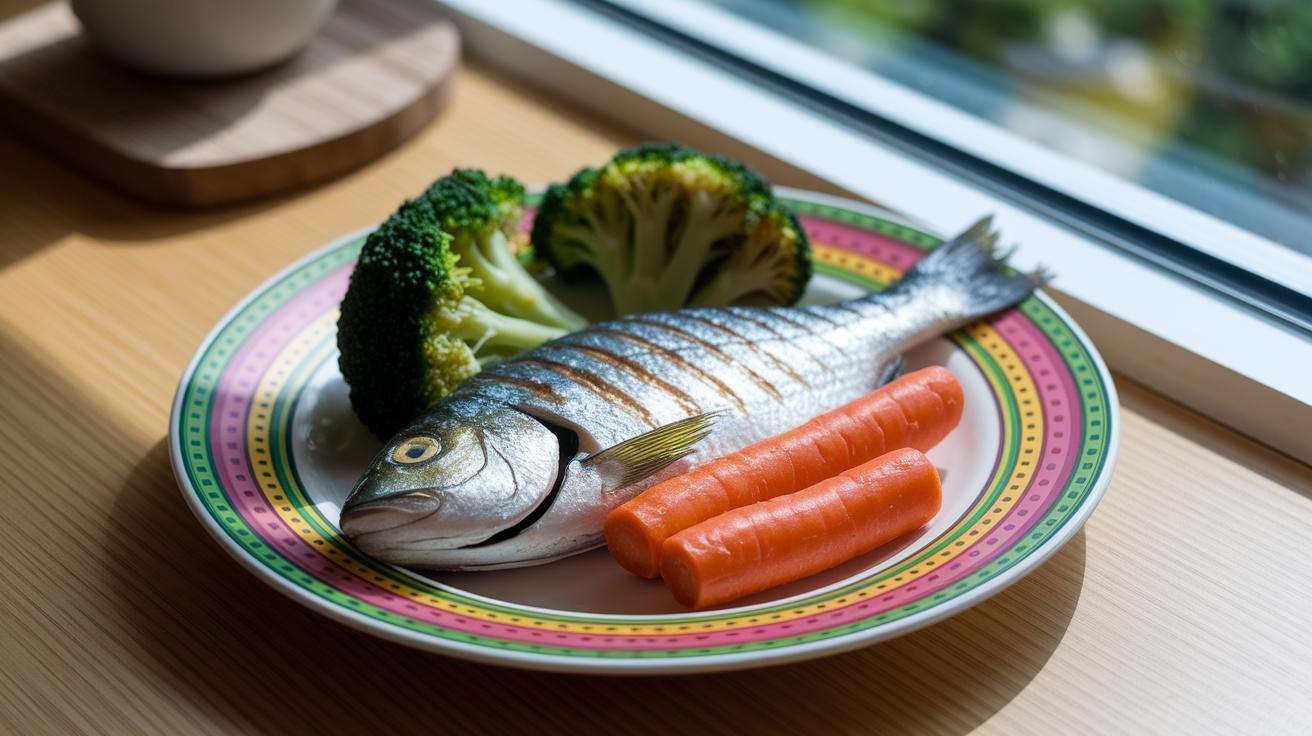
The keto diet limits you to 20–50 grams of carbs each day. This low-carb plan helps keep your blood sugar steady, which can cut down on foods that might trigger breakouts. Imagine swapping out a high-carb lunch for one that features a bit of avocado and lean protein. This simple change can mean fewer insulin spikes and a calmer look to your skin. Many people see improvement by reducing sugars that often lead to more oil. But remember, this diet isn’t perfect for every skin type.
The paleo diet, on the other hand, focuses on natural, whole foods. It puts an emphasis on lean proteins, whole unrefined carbohydrates, and plenty of fresh fruits and veggies. These foods naturally bring anti-blemish ingredients into your meals, which may help soothe your skin and reduce inflammation. Picture a plate of grilled fish with a bright mix of broccoli and carrots, each bite packed with nutrients that support clear skin. However, if the modern paleo approach means eating too much meat, it might speed up skin aging and bring long-term health risks.
- Low-carb meals help keep blood sugar steady, which can reduce oil production that leads to breakouts.
- Fresh fruits and vegetables offer vitamins and minerals that soothe skin and fight inflammation.
Both diets aim to cut back on triggers that cause acne, though it’s important to balance these plans with your overall health needs.
Balanced Diet for Clear Skin: Recognizing Research Limitations
Many people say changing their diet clears up their skin, but strong scientific proof still isn’t there. Folks often notice improvements when they eat a balanced diet, yet studies haven’t clearly shown that certain eating habits cut down acne or brighten skin. Research on eating healthy fats or cutting back on sugars and saturated fats mostly comes from short-term or simple observation studies instead of long, controlled experiments.
It’s hard to figure out how diet really affects your skin because we need studies that follow people for years. It might take a long time to see if ditching processed foods or eating more whole foods and good fats really changes skin in a way we can measure. Early looks suggest that food may play a role in oil production and inflammation, but we haven’t proven that with strict scientific methods.
| Research Focus | Current Findings |
|---|---|
| Balanced Diet for Clear Skin | Early evidence is promising but limited. |
| Healthy Fats for Skin Vitality | Long-term benefits need further study. |
Long-term studies are needed to really tell if these benefits stick.
4 Balanced Diet for Clear Skin: Radiant Glow
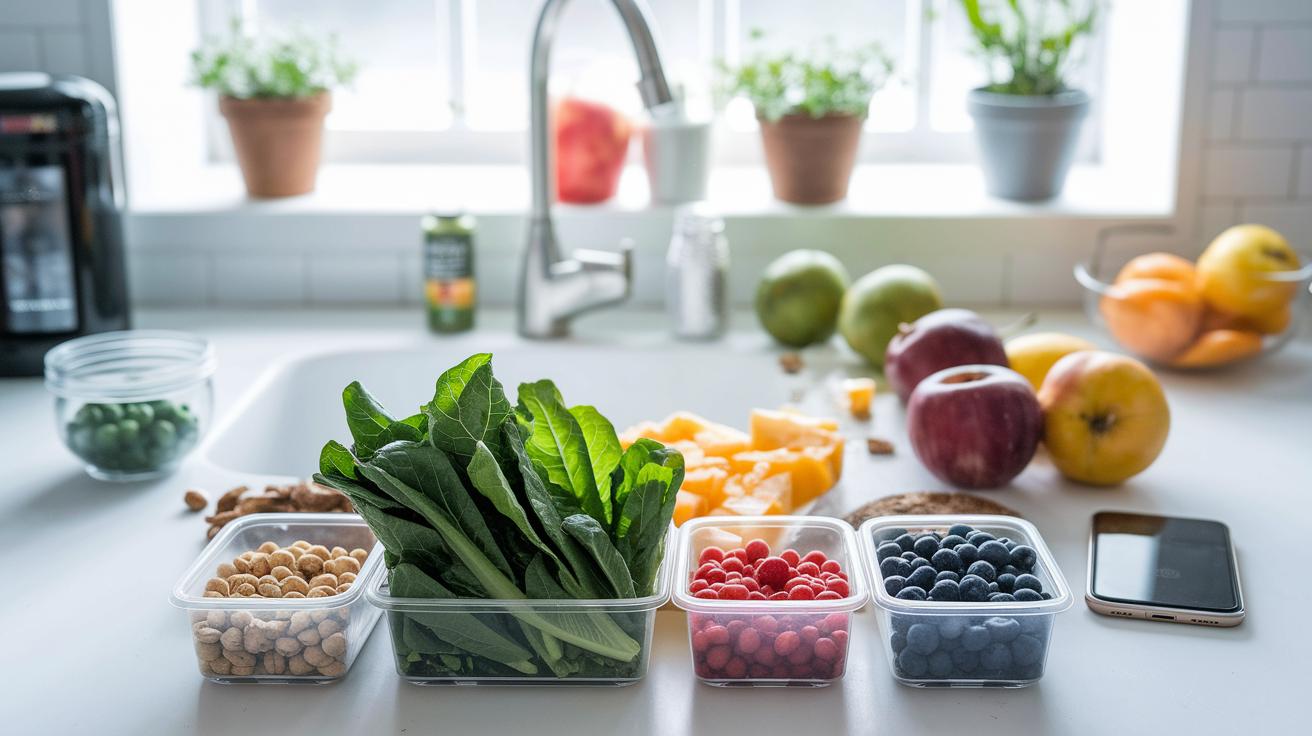
When you start mapping out your food goals, think about which meals help your skin shine. A meal plan made just for you mixes useful nutrition tips with ideas for meals that boost your skin’s natural glow. Begin by keeping a food journal, write down what you eat and notice any changes in your skin. For example, you might find that a bowl of oatmeal with berries in the morning helps keep your complexion steady.
Next, plan meals that provide essential vitamins, healthy fats, and antioxidants. Try these simple steps:
- Write down foods that support clear skin, think leafy greens, colorful fruits, nuts, and lean proteins.
- Set aside a little time each week to plan balanced meals and easy snacks.
- Swap out processed items for nutrient-packed choices, like using avocado instead of heavier dressings.
| Meal Component | Nutrient Benefit |
|---|---|
| Green Vegetables | Rich in vitamins and antioxidants that help repair your skin |
| Lean Proteins | Provide amino acids for skin renewal and help maintain muscle tone |
Try prepping your ingredients and snacks for the week. This not only makes choosing meals easier but also helps you stick to your plan. Noticing little boosts in radiance after a nutrient-packed meal might be just the motivation you need to keep going.
Final Words
In the action, making small changes to your meals holds the promise of clearer skin. You’ve seen how approaches like Whole30, plant-based recipes, keto, and paleo can help lower acne triggers. Each method offers its own benefits and insights for a balanced diet for clear skin. Small tweaks in daily eating can lead to noticeable improvements in skin clarity and overall health. Keep experimenting with whole, real foods, you’re on a positive path to feeling better and looking your best.
FAQ
What diet can help me achieve glowing or clear skin quickly?
The diet for glowing skin in 3 days or clear skin in a week focuses on reducing added sugars and refined carbs while increasing lean proteins, fruits, and vegetables to support faster improvements in your complexion.
What does a 30-day clear skin diet plan involve?
The 30-day clear skin diet centers on whole, unprocessed foods and limits sugar, saturated fats, and refined carbs. This plan helps lower insulin spikes and oil production to support healthier skin over time.
What foods support skin repair and help clear skin quickly?
The best foods for skin repair include nutrient-rich options like leafy greens, berries, and lean proteins. While no food promises instant results, these ingredients nourish your skin and reduce inflammation.
What foods should I avoid for better skin clarity?
The worst foods for skin typically include processed sugars, refined carbohydrates, and excessive dairy, which can trigger insulin spikes and increased oil production, potentially worsening breakouts.
What foods are best for clearing skin and reducing acne?
Foods rich in antioxidants, lean proteins, whole grains, and healthy fats can support clearer skin by lowering inflammation and controlling oil production, ultimately helping to reduce acne triggers.
How can I achieve 100% clear skin?
Achieving completely clear skin is challenging due to genetics and lifestyle factors. A balanced diet can help, but consistency with care routines and professional advice may also be necessary.

