
Ever wonder if your everyday choices could help keep sickness from taking hold? Staying healthy means taking steps early on, not just treating problems when they show up. Instead of waiting for symptoms to appear, it's all about building small habits that lower your risk. When we talk about different ways to prevent illness, like primordial, primary, secondary, and tertiary prevention, we're really learning simple ways to protect our well-being. This approach gives us clear, easy steps to live healthier and take charge of our future.
Comprehensive Prevention Levels of Disease
Preventing disease is all about taking steps to help keep you healthy or stop a condition from getting worse once it starts. It’s a whole-lot more than just treating symptoms, it’s about taking charge early on. To learn more about how caring ahead of time works, check out what is preventive care at what is preventive care.
There are several key levels in disease prevention. These include:
- primordial
- primary
- secondary
- tertiary
Each level deals with different stages of health challenges. Primordial prevention starts when you're young, encouraging healthy habits so that risky behaviors never get a chance. Then comes primary prevention, which aims to lower disease chances by changing habits or other factors before problems start. Next, secondary prevention helps catch diseases early, so treatment can be stopped before conditions become serious. Finally, tertiary prevention is about helping people who already have a disease manage symptoms and stay as active as possible.
These ideas come from modern health research and guide us like a roadmap. Each step, though focused on different points, works together to build a strong approach to health and well-being.
Key Strategies in Primordial and Primary Disease Prevention

Primordial prevention is all about stopping risks before they even show up. It focuses on creating healthy surroundings and habits early on so that bad behaviors never get a chance. For instance, choosing whole foods over processed snacks and encouraging active play can set you up for a healthier life later. Think of it like building a strong foundation that helps avoid problems down the road.
Primary prevention takes those early efforts one step further by directly lowering the chance of getting sick. It’s all about making smart, everyday choices, like avoiding tobacco, eating well, staying active, and keeping up with immunizations, that help keep illnesses from starting in the first place. These simple actions have a big impact over time.
Together, primordial and primary prevention work side by side to create a safer and healthier future. By taking proactive steps now, we can reduce the risk of disease and enjoy a better quality of life.
| Level | Main Goal | Key Strategies |
|---|---|---|
| Primordial | Avoid risk factors from growing | Healthy settings, good early nutrition, active play |
| Primary | Lower chances of disease | Skip tobacco, balanced eating, regular exercise, immunizations |
Effective Secondary Prevention Techniques for Early Screening and Control
Secondary prevention is all about finding health issues at the very beginning. When we spot a problem early, treatment can start right away, which often means the condition doesn’t last as long or get worse. It’s like catching a small leak before it turns into a flood.
There are many simple ways to catch problems early. Tests like mammograms, colonoscopies, checking your blood pressure, and even genetic tests help us do just that. Researchers use studies to match risk factors with illnesses, which makes these screenings even more useful. For example, regular preventive care screenings let doctors catch potential issues before they become serious, so you get help sooner.
Focusing on early detection and prompt treatment makes a big difference in our lives and eases the strain on our healthcare system. With clear game plans and regular check-ups, health professionals can act fast, manage conditions better, and help patients live healthier and happier lives.
Tertiary Prevention: Managing and Minimizing Long-Term Disease Impacts
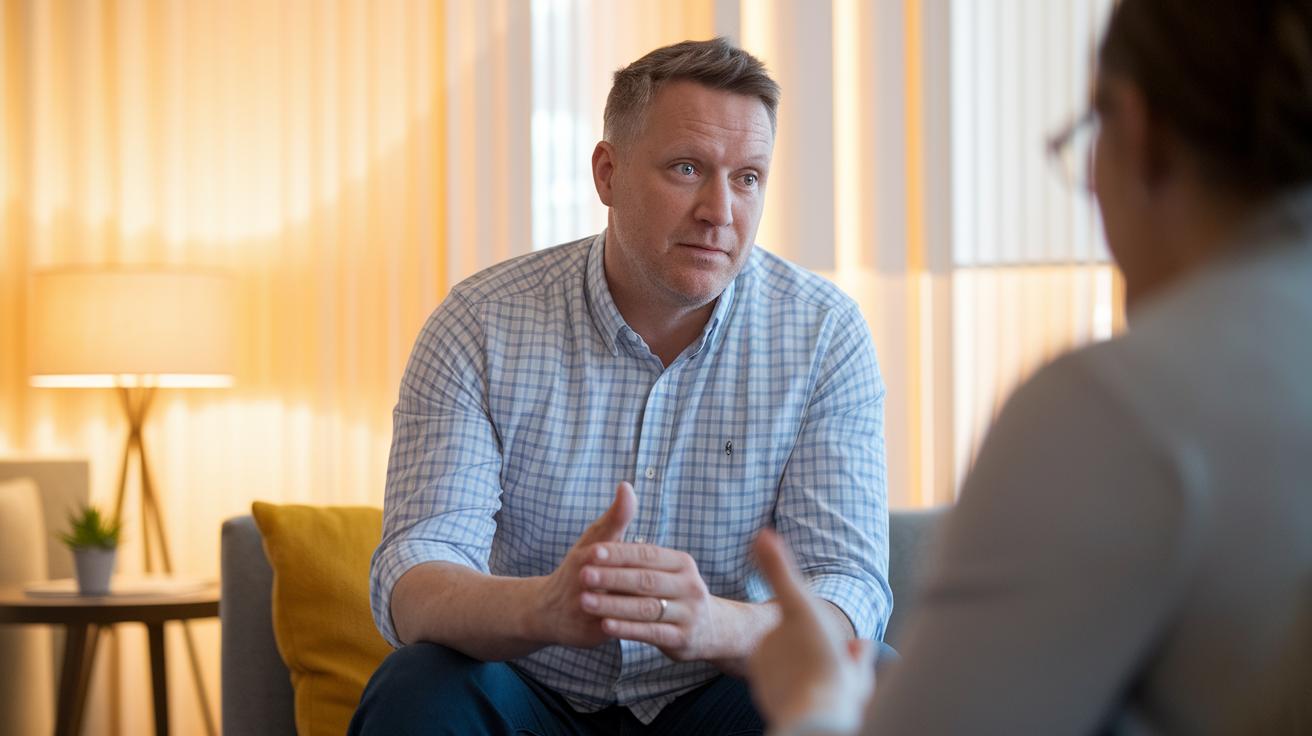
Tertiary prevention is all about reducing more harm once a disease is already present. It works to control ongoing issues and lessen the long-term effects of illness. This type of care includes rehab programs, disease management plans, and support to help you stick to your treatment. By focusing on patients, tertiary prevention boosts everyday function, improves life quality, and encourages recovery through regular check-ups and customized care plans. It guides you to regain control of your health while trying to avoid setbacks, making recovery a real possibility even during tough times.
In real life, tertiary prevention uses a mix of strategies that help with both immediate relief and long-term health benefits. For example, people dealing with heart disease or diabetes might join exercise classes and receive nutritional counseling to manage their symptoms better. Rehab could mean physical therapy to rebuild mobility after a stroke or surgery. Regular monitoring and check-ups let doctors adjust your treatment when needed, while educational sessions give you the tools to manage your condition effectively. These patient-focused methods ensure you get care that fits your unique health needs.
Population and High-Risk Approaches to Disease Prevention
The high-risk approach is all about finding and helping people who are most likely to get sick. It uses simple methods like screenings, genetic tests, and studies to spot those who could really benefit from early care. This way, we can focus our resources on lowering risk quickly.
The population approach, however, looks at the bigger picture by addressing everyday factors that affect everyone’s health. Think of tools like community smoking bans and public health lessons that help change daily habits and improve the overall environment.
The Rose hypothesis reminds us that even small improvements for each person can add up to big benefits for the whole community. While many might not see a huge change right away, the combined effect of these small gains makes a healthier society.
By mixing these two ideas, we have a well-rounded plan. The high-risk approach meets the urgent needs of the most vulnerable, while the population strategy creates a healthier setting for all. Together, they build a balanced system to keep our communities well.
Integrating Public Health Safeguard Strategies and Policy in Prevention Levels of Disease

Good health starts with smart policies. Governments and health groups set rules like vaccine requirements and health screenings to catch issues early and lower risks. Global guides from WHO help create clear steps that everyone can follow. These rules lay a strong base for keeping us safe, whether it’s stopping problems before they start or taking care of them as they pop up.
Digital health tools and telehealth services are changing the game. New tech, like predictive analytics (which means using computer tools to spot trends before they become big problems), gives doctors a better look at our health over time. This means help is easier to get, and care moves faster. By mixing local community plans with modern tools, health systems can reach more people quickly and with smart care.
When you put sound policies and new digital tools together, you get a strong shield against disease. Trusted rules and innovative tech work hand in hand at every step to stop sickness and catch it early. This teamwork creates a safety net that not only guards us against risks but also opens the door to earlier care and greater health for everyone.
Final Words
In the action, we explored a range of strategies from primordial to tertiary care. We broke down how proactive measures, early screening, and digital tools combine to keep us healthier. The article unpacked key prevention levels of disease through clear, hands-on explanations. It addressed ways to manage risk and boost vitality every day. Small changes can lead to big improvements, the insights shared here empower us all to live healthier, more informed lives. Keep moving forward with confidence and a healthier outlook.

